
The Dead Sea sits 430 metres below sea level, and arriving at its shore feels like descending into a different atmosphere. The air is heavier, richer in oxygen, and there is a haze over the water that gives the light a quality I have not seen anywhere else — diffused, almost milky, as though the sun itself is unsure how to behave at the lowest point on earth. The landscape is stark and almost lunar: barren hills of beige and grey, salt formations crystallising on the shore in white crusts that crunch underfoot, and the water itself — turquoise, still, and so mineral-dense it looks thick.
The Float
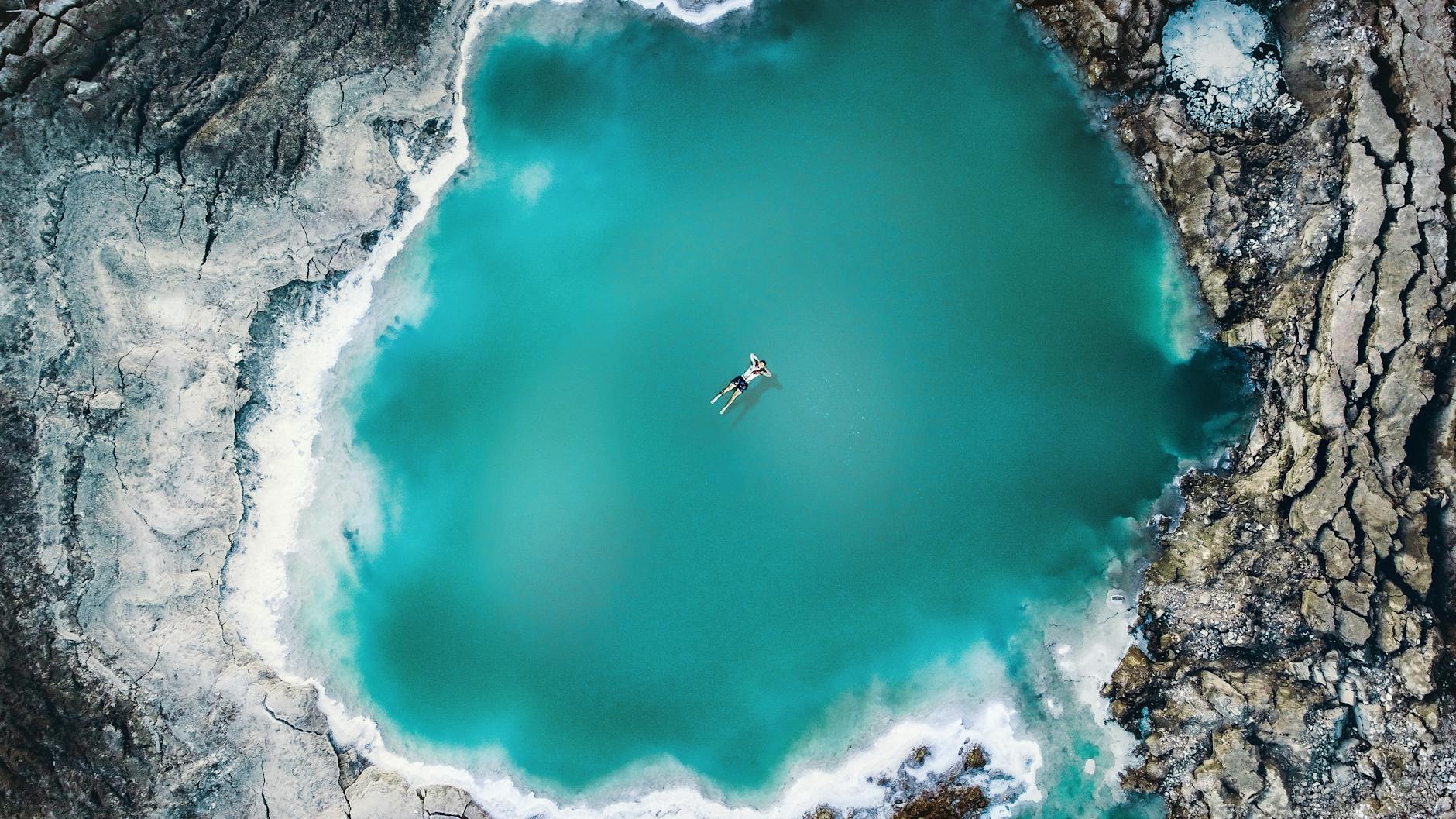
The experience of entering the Dead Sea is unlike anything else. You wade in — the shore is rocky, so water shoes are not optional — and within a few steps the buoyancy takes hold. It is not subtle. The water pushes you up with a force that makes sinking physically impossible. I leaned back and floated, effortlessly, my hands behind my head, the sun on my face, and the strangest part was not the floating itself but the silence. Sound does not travel the same way here. The world contracts to the sky above you and the dense, warm water beneath you, and for a few minutes nothing else exists. We did the classic Dead Sea photograph — floating on our backs reading a newspaper — and it was as absurd and delightful as it looks in every travel brochure since 1960.
The mud from the shores is black, mineral-rich, and has been used as a spa treatment for millennia. Cleopatra reportedly sent servants to collect it. We smeared it on like war paint, let it dry in the sun until our skin felt tight as paper, then waded back in to rinse. The minerals coat your skin in a way that feels genuinely medicinal — my hands, which had been dry and cracked from the desert air, felt like they had been treated with something expensive. The experience is part comedy, part therapy, and entirely unforgettable.
The Jordanian Shore
The Jordanian side of the Dead Sea is lined with resort hotels that offer private beach access and spa facilities — the Kempinski, the Marriott, the Movenpick — all of which are polished and comfortable and charge accordingly. But the public beach at Amman Beach is perfectly adequate and a fraction of the price, and the experience is identical: the same water, the same mud, the same impossible buoyancy. We spent an afternoon there and it was enough, though the resort pools — fed by the mineral-rich water, set against the backdrop of the barren hills — are genuinely tempting if your budget allows.
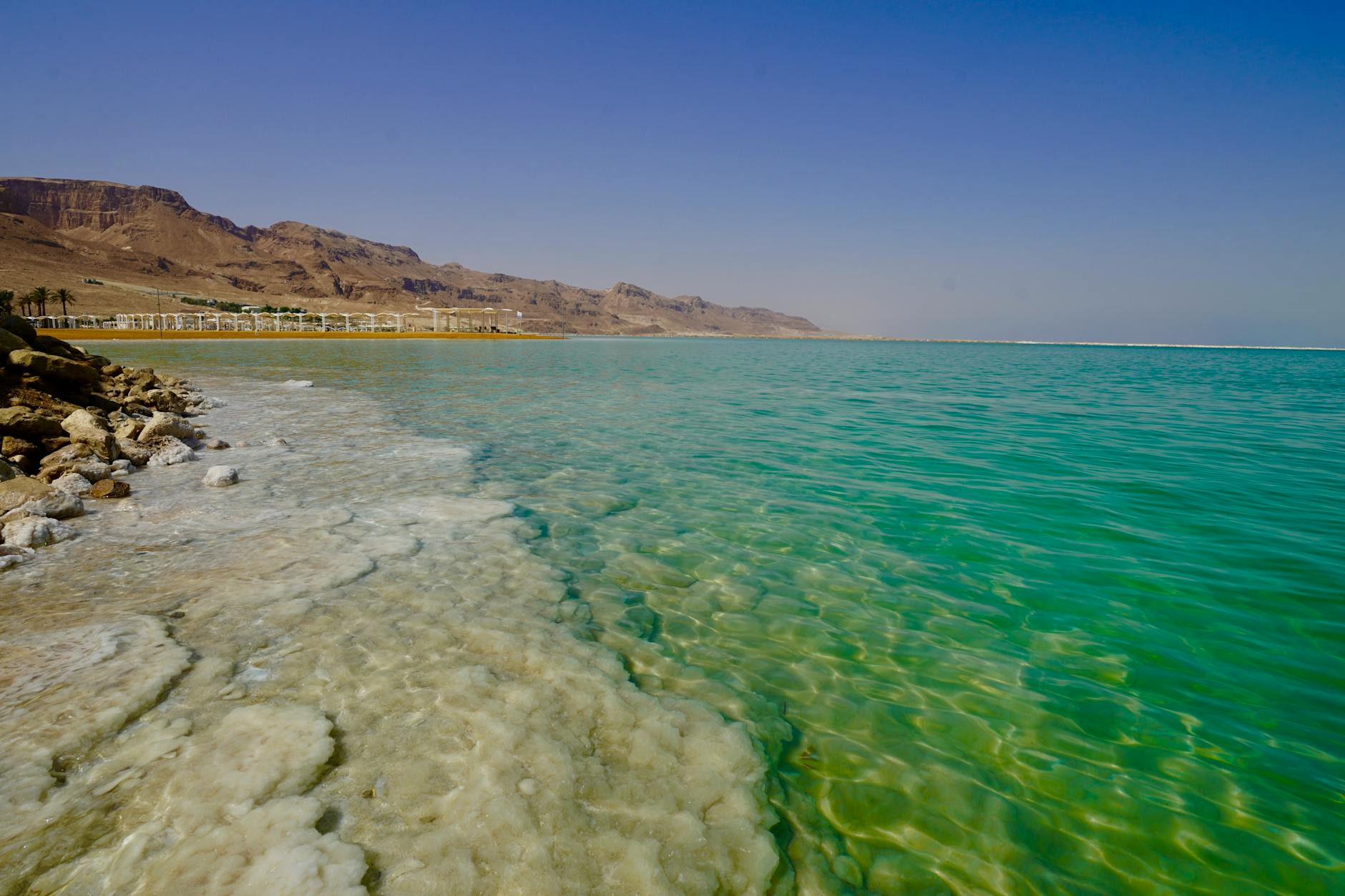
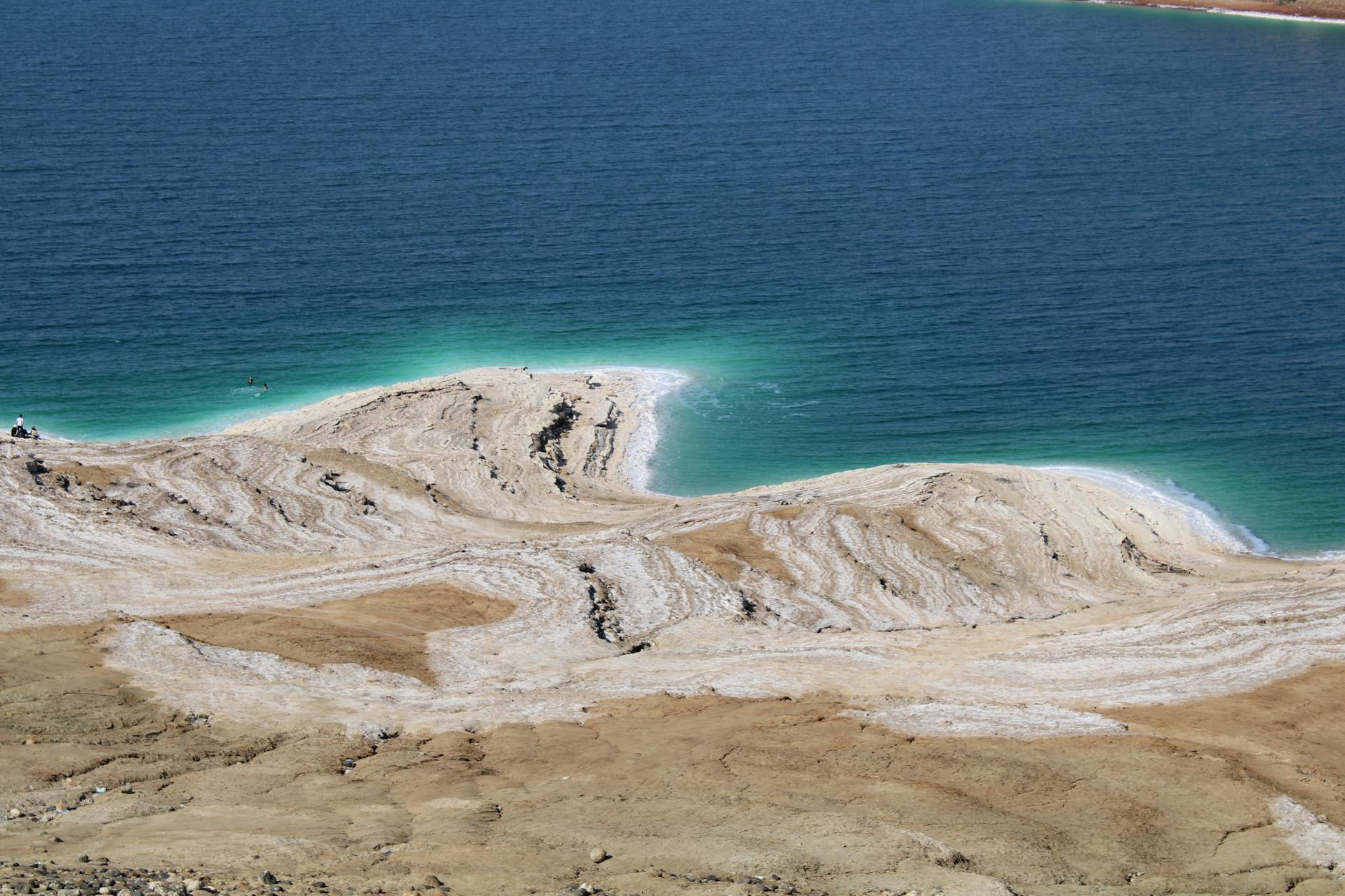
The Dead Sea is shrinking. It is losing roughly a metre of depth per year, the result of water diversion from the Jordan River by Israel, Jordan, and Syria. The shoreline has retreated dramatically in the past few decades, and sinkholes have opened along the coast as the underground salt layers dissolve. There are plans — canals from the Red Sea, desalination projects, binational agreements — but the politics are as complex as the hydrology. This is a place that is disappearing in real time. See it now. Float in it now. Let it hold you while it still can.
When to go: Year-round, but spring (March to May) and autumn (September to November) are most comfortable. Summer is brutally hot. The resorts operate year-round. Do not shave before swimming — the salt will teach you regret.