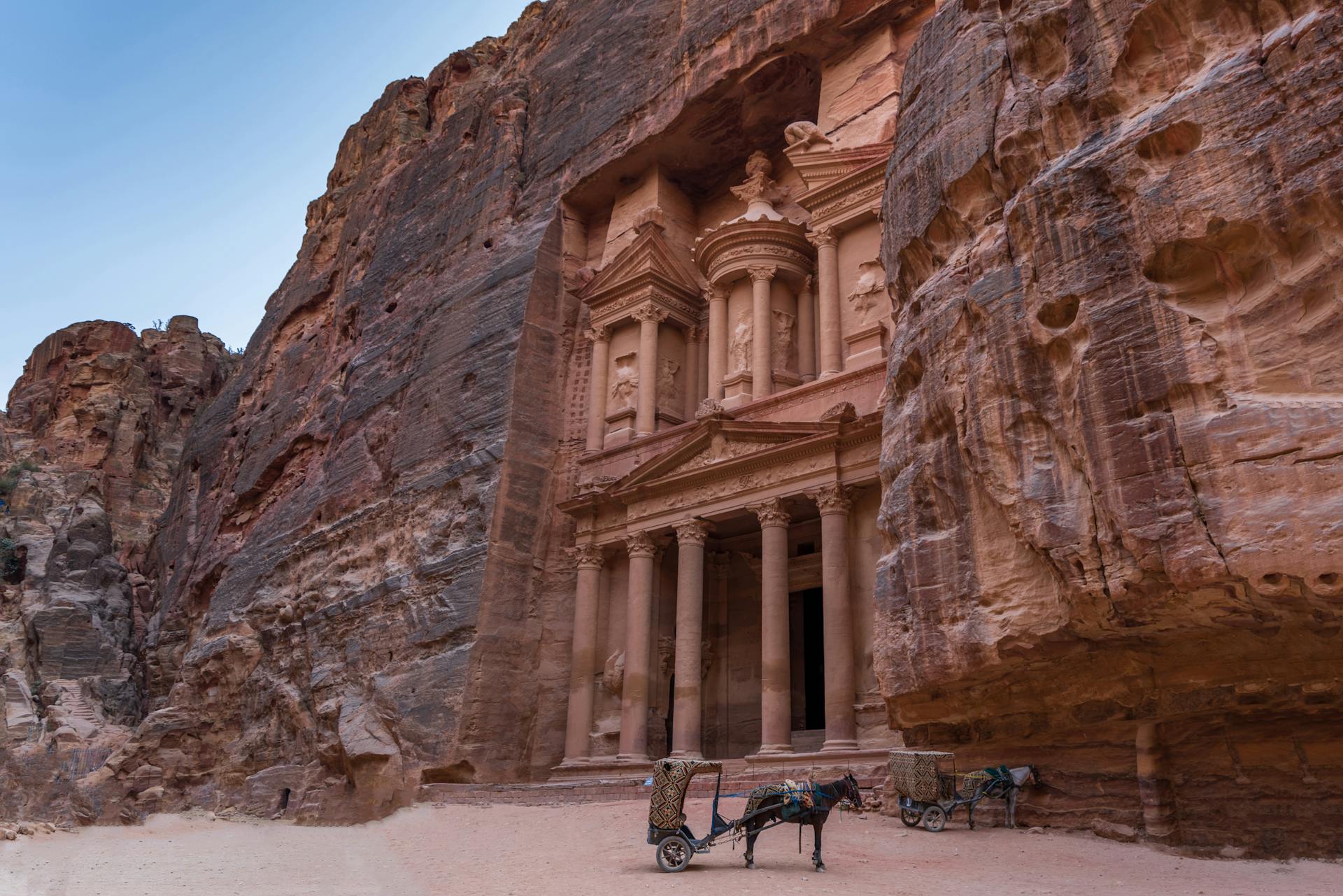
Aqaba is where Jordan meets the sea, and the contrast with the desert interior is almost comical. One hour from Wadi Rum’s red sand and silence, you are standing on a shoreline where the Red Sea stretches turquoise and impossibly clear toward the mountains of Egypt and Saudi Arabia on the opposite shore. The transition is so abrupt it feels like a continuity error — as though someone spliced two different countries together and forgot to add a transition.
Under the Surface
The diving in Aqaba is what brought me here, and it delivered beyond any reasonable expectation. Jordan has only twenty-seven kilometres of Red Sea coastline, but those twenty-seven kilometres contain some of the healthiest coral reefs in the region. The Japanese Garden — a dive site named for its manicured appearance — is a slope of soft and hard corals that descends to thirty metres, populated by lionfish, scorpionfish, moray eels, and schools of anthias so densely packed they look like underwater clouds. Visibility regularly exceeds thirty metres, and the water temperature rarely drops below twenty degrees even in winter. I saw a turtle on my second dive — a green sea turtle cruising past a coral head with the unhurried confidence of something that has been doing this for a hundred million years.
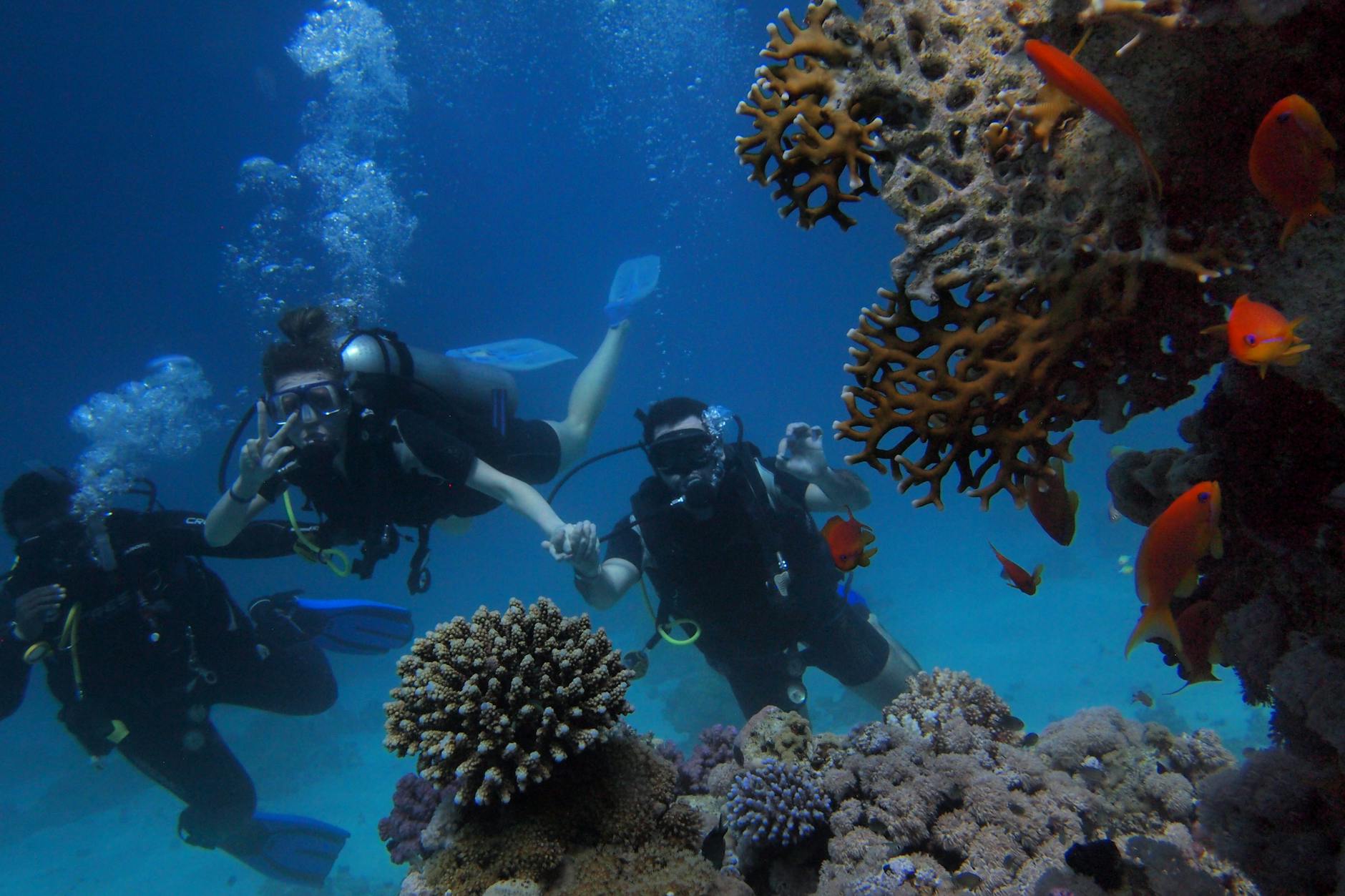
The Cedar Pride is Aqaba’s signature wreck dive — a Lebanese freighter deliberately sunk in 1985 to create an artificial reef, now resting on its side at twenty-eight metres, encrusted with soft corals and sponges and home to an ecosystem that has made the ship its own. Swimming through the holds — light filtering through portholes, schools of glassfish swirling in the beams — is one of those underwater experiences that makes you forget you are breathing through a machine. The wreck is accessible to intermediate divers and can be combined with a reef dive for a half-day that covers the full range of what the Red Sea offers.
The City
The city itself is relaxed and unpretentious — a working port town with a souq, a Mamluk fort built by the Crusaders and expanded by every subsequent occupier, and seafood restaurants that serve the catch simply and well. We ate grilled hammour at a waterfront restaurant where the fish had been swimming that morning, the bread was still warm, and the tahini was made from sesame seeds that tasted like they had been roasted ten minutes ago. Aqaba does not aspire to be a resort town, though the hotels along the southern beach road try their best. It is a place where Jordanians come on weekends, where the pace drops, and where the Red Sea does most of the talking.
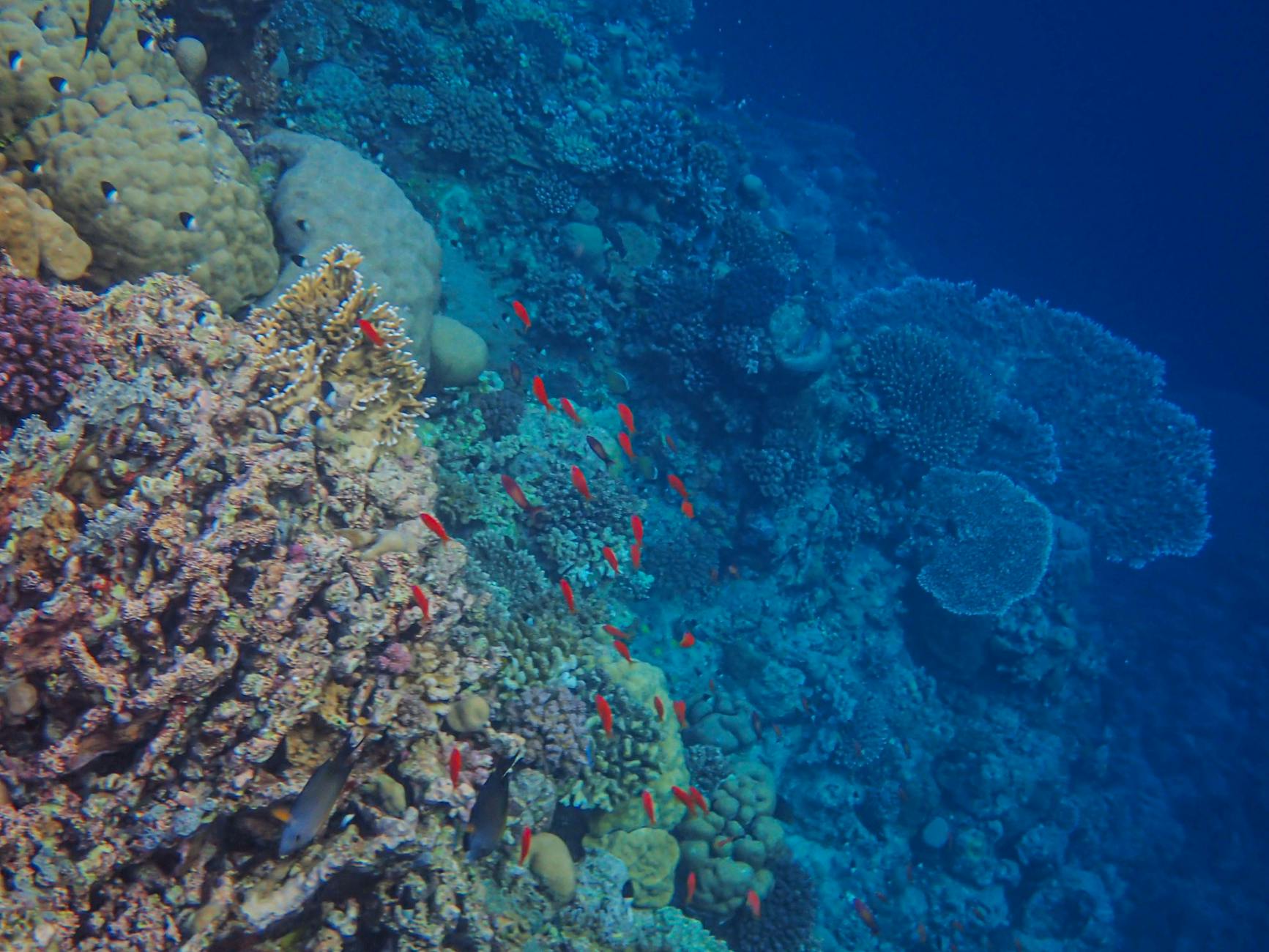
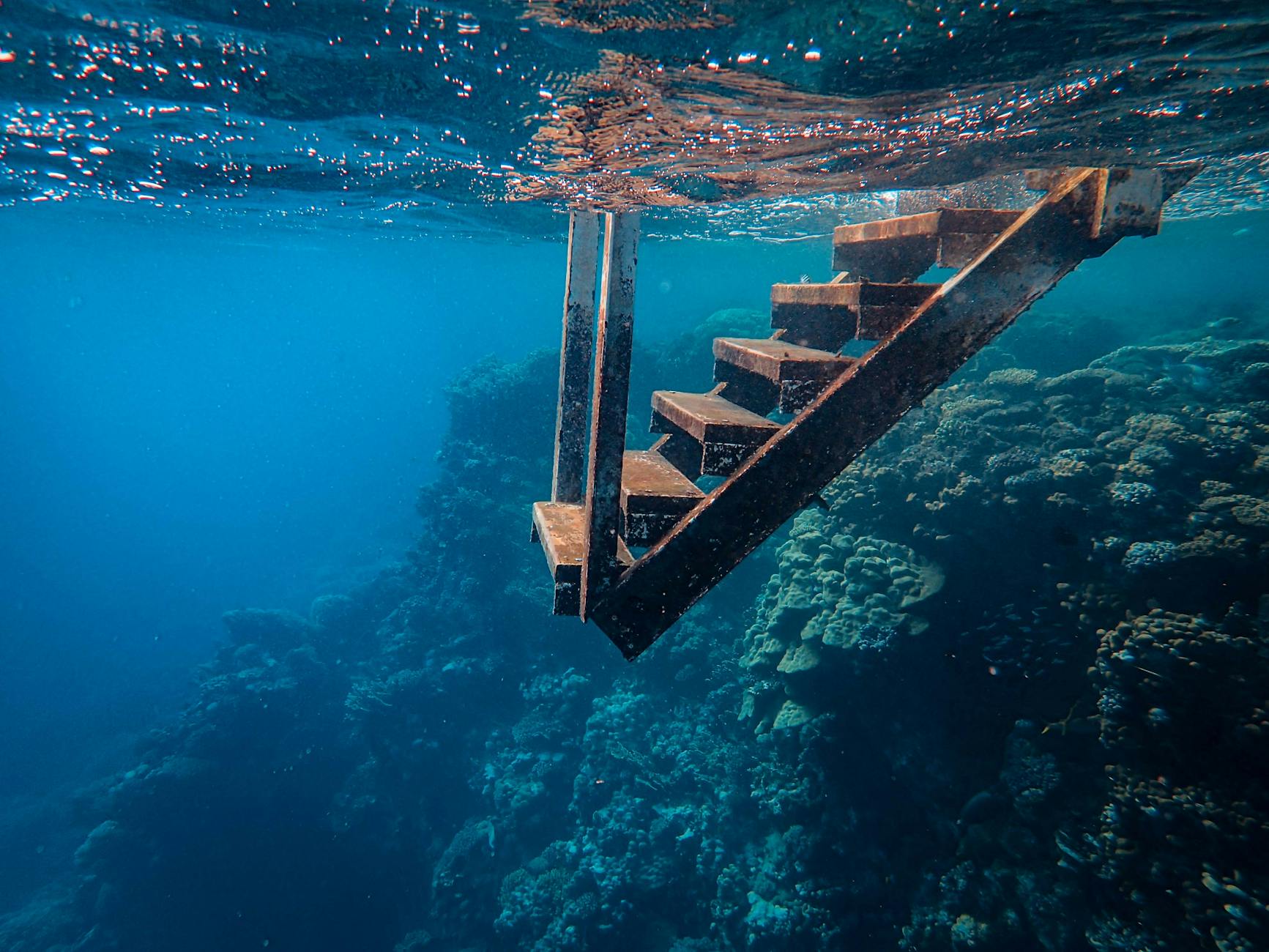
We took a glass-bottom boat to see the coral without getting wet, then changed our minds and got very wet indeed. The snorkelling off the public beaches is surprisingly good — the reef starts just metres from shore, and within minutes you are hovering over coral gardens that would be the main attraction in most countries. The Berenice Beach Club offers a polished beach-day experience with sun loungers, a pool, and equipment rental, while the public beaches provide a more local flavour and the kind of grilled-corn-and-tea vendors that make any beach day better. Aqaba is a duty-free zone, which means stocking up on provisions here before heading into the interior is both practical and significantly cheaper.
When to go: Year-round diving, but October to April is most comfortable above water. Summer air temperatures exceed 40 degrees, though the water remains perfect. Aqaba also serves as the gateway to Wadi Rum and an alternative entry point for Petra, making it a logical bookend to a Jordan itinerary.