
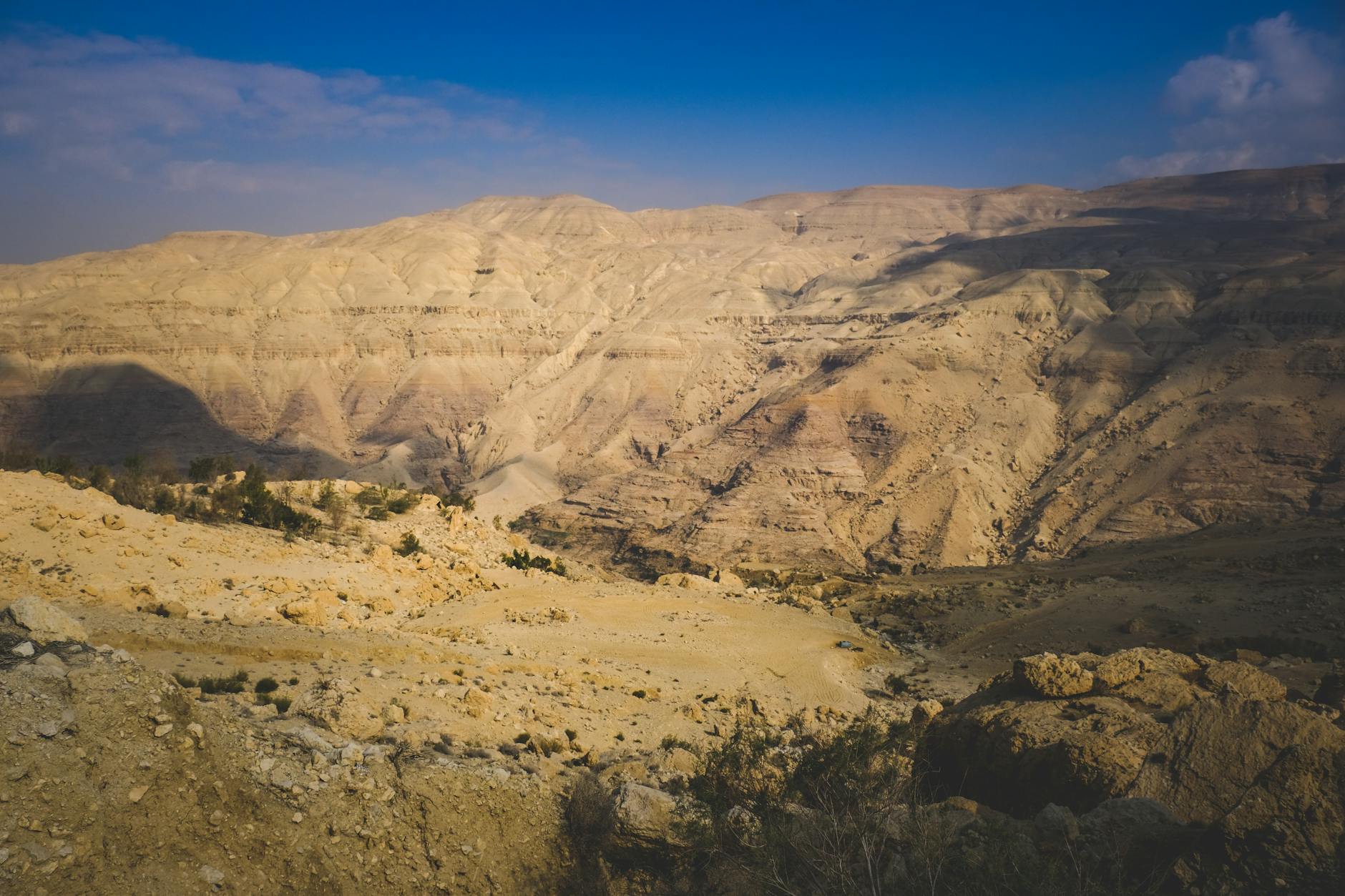
Dana is Jordan’s wild heart. While most travellers race between Petra, Wadi Rum, and the Dead Sea, the Dana Biosphere Reserve sits between them like a secret — 320 square kilometres of terrain that drops from mountain ridges at 1,500 metres to the floor of the Wadi Araba, 1,700 metres below, passing through four distinct bio-geographical zones on the way down. It is the largest nature reserve in Jordan, and it is one of the most quietly extraordinary landscapes I have encountered anywhere.
Dana Village
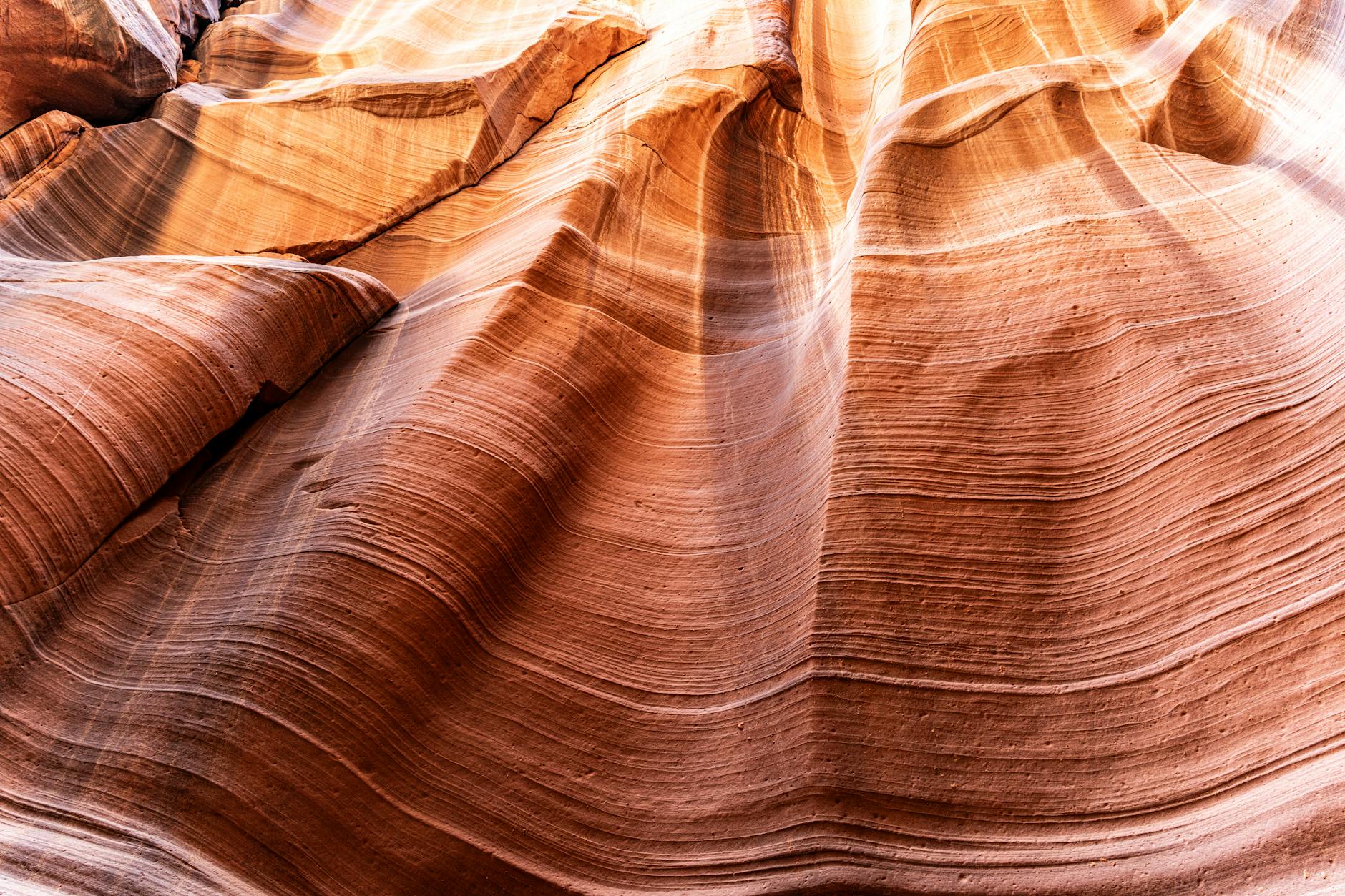
The village of Dana perches on the edge of the cliff like something that should not exist. Stone houses — some inhabited, some crumbling, some restored as guesthouses — cluster along a ridge that terminates in a viewpoint so dramatic it stopped me mid-sentence. The canyon drops away beneath your feet in layers of sandstone — red, orange, white, grey — and the valley floor stretches to the Wadi Araba and the mountains of Israel beyond. At sunset, the light moves across the canyon walls like a slow-motion fire, each layer of rock catching the colour at a different moment, and the silence is so complete that you can hear the wingbeats of the eagles that circle the thermals below.
The village itself has been partially restored by the Royal Society for the Conservation of Nature, and the guesthouse here offers simple rooms, home-cooked meals prepared by local women, and a terrace that is, without exaggeration, one of the best places in Jordan to watch the sun go down. The community-based tourism model means your money stays in the village, supports local families, and funds conservation — a combination that is easy to support and remarkably rare to find done well.
The Feynan Ecolodge
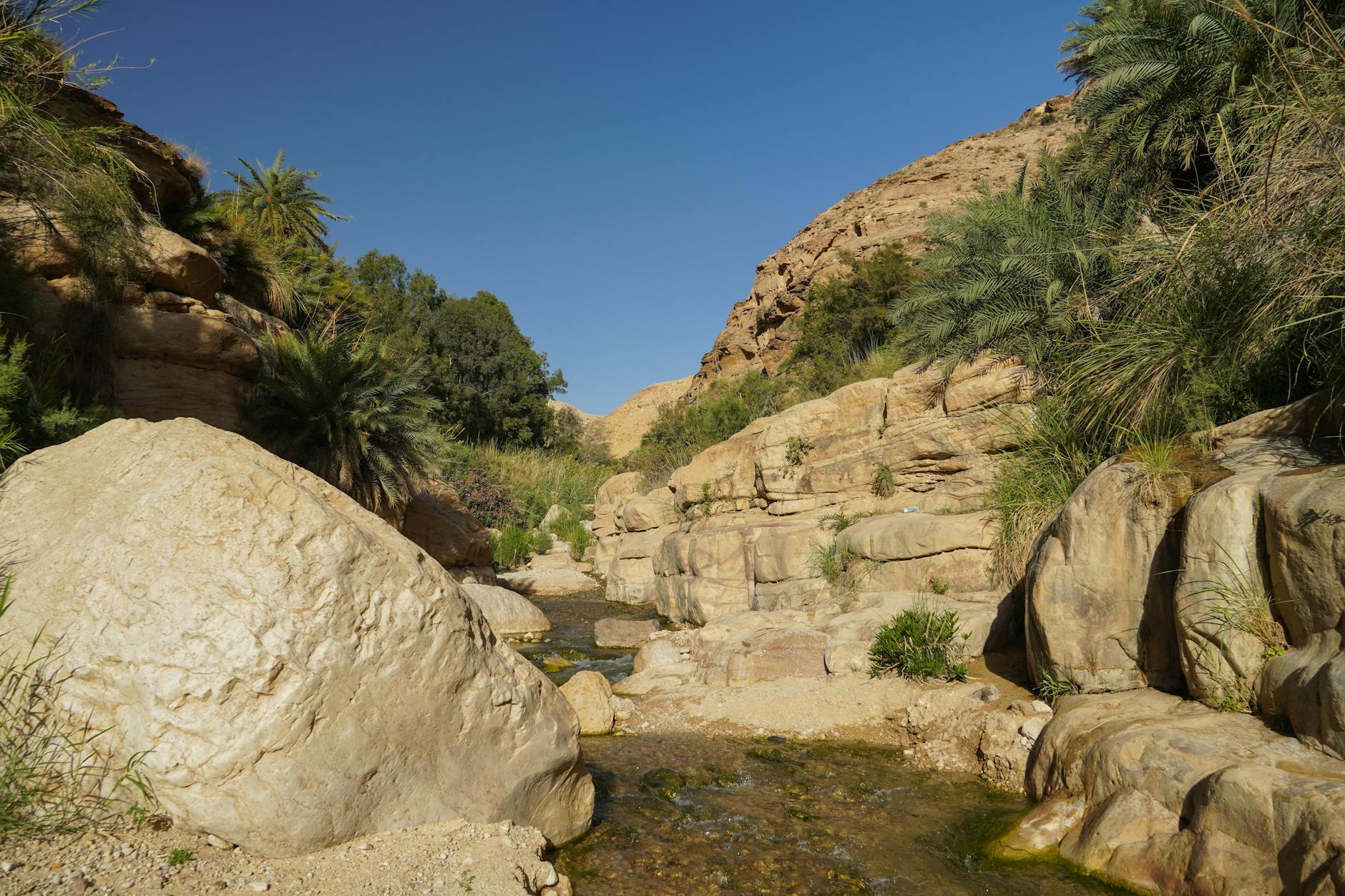
We stayed at the Feynan Ecolodge, deep in the reserve, and it remains one of the most memorable accommodations I have experienced. There is no road access — you drive to the edge of the reserve and are picked up by a guide in a four-wheel-drive that navigates a dry riverbed for forty-five minutes. There is no electricity after dark — the lodge runs on solar power during the day and candles at night. The rooms are simple, the food is vegetarian and cooked over open fires, and the Bedouin staff — who know the reserve the way Parisians know the Metro — guided us through canyons where the rock turned from red to orange to white and the only footprints were ibex tracks.
At night, the candles were extinguished one by one, and the darkness was absolute. We climbed to the lodge’s rooftop and the Bedouin guide pointed out constellations using their Arabic names — names that predate the Latin and Greek labels I learned in school by centuries. The biodiversity here is extraordinary: Nubian ibex with their curved horns pick their way along cliff edges, Syrian wolves hunt in the higher elevations, Blanford’s foxes emerge at dusk, and over 200 bird species have been recorded within the reserve’s boundaries. Dana is the Jordan that exists between the famous sites — quieter, wilder, and profoundly beautiful in a way that has nothing to do with human construction.
When to go: March to May and October to November are ideal for hiking. Summer is too hot for canyon walks. The Feynan Ecolodge books out well in advance — reserve early. Dana village itself is worth a half-day visit even if you do not stay overnight.