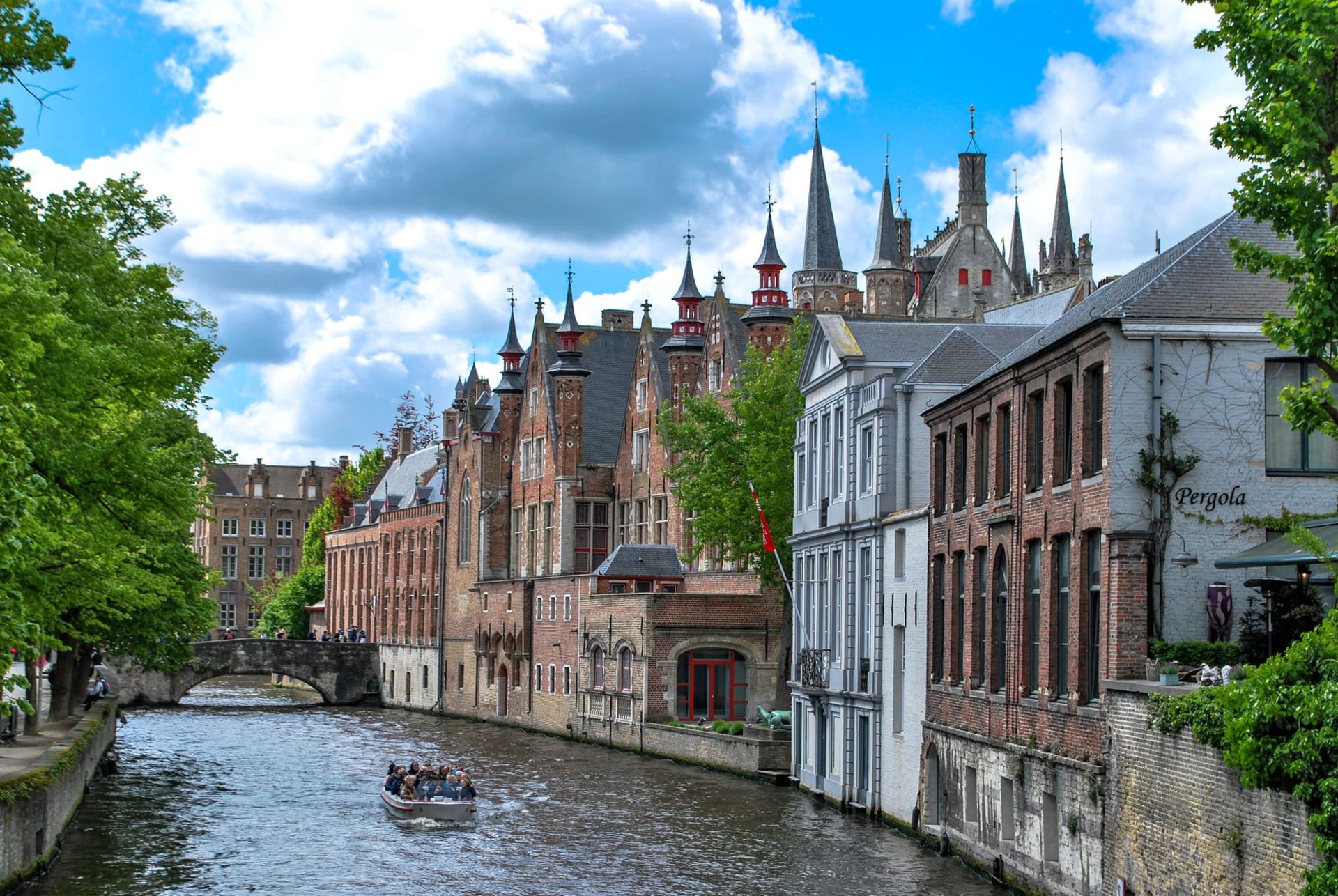
Europe
Belgium
"They told me Belgium was boring. They had clearly never eaten there."
Small enough to cross in a morning, dense enough to spend a lifetime in — Belgium is Europe's most underestimated country, hiding world-class art, obsessive food culture, and medieval cities behind a reputation for bureaucracy and rain.
I arrived in Brussels on a Tuesday morning, Thalys from Paris, and by noon I was standing in front of a plate of moules-frites that made me question every seafood meal I’d ever had. The mussels were from Zeeland, the fries were cooked twice in beef fat and served in a paper cone with a mayonnaise so thick it barely moved, and the whole thing cost eleven euros at a place with plastic chairs and no English on the menu. That was the moment I understood Belgium. This is a country that takes the ordinary seriously.
What makes Belgium genuinely surprising is the density. In the space of an hour’s drive you move between French-speaking Wallonia, Dutch-speaking Flanders, and Brussels, which operates in both and belongs entirely to neither. Bruges is the medieval city everyone comes for — and yes, the canals and the Belfry and the swans are real and they are beautiful — but the tourists clog the center and miss the quieter western neighborhoods where the light falls on brick gables at four in the afternoon and the whole place feels like a Flemish painting you’ve walked into. Ghent is Bruges without the performance: a university city, younger, louder, with street art covering the old guild houses and a Saturday market that sells everything from Vietnamese herbs to second-hand Flemish lace. Brussels is chaotic and unglamorous and the Atomium is genuinely bizarre, but the Art Nouveau buildings along Rue de la Régence and in the residential neighborhoods of Ixelles are some of the most beautiful early twentieth-century architecture on the continent.
The beer deserves its reputation and the chocolate deserves it even more — not the tourist-shop window displays but the small chocolatiers operating out of unmarked storefronts in Liège and Antwerp who treat their pralines the way a watchmaker treats a movement. And then there is the waffles question, which turns out to have a correct answer: the Liège waffle, denser, richer, caramelized at the edges from the pearl sugar folded into the dough, is not the same object as the Brussels waffle, and eating one does not substitute for the other.
When to go: May through June for long days and manageable crowds, or September when the summer tourists have cleared out and the light turns amber over the canal cities. December brings Christmas markets that are genuinely good in Ghent and Liège. Avoid August in Bruges — the crowds reach a level that defeats the point entirely.
What most guides get wrong: They treat Belgium as a transit country — a stop between Paris and Amsterdam — and they treat Bruges as a theme park. Belgium rewards slowness. The food alone justifies two days in Brussels. Ghent alone justifies two more. The Ardennes in the south, forested and quiet and barely mentioned in any itinerary, has some of the best hiking and the most honest countryside cooking in Western Europe. The whole country is the size of a French département, and somehow it contains multitudes.
Explore
Places in Belgium
 belgium
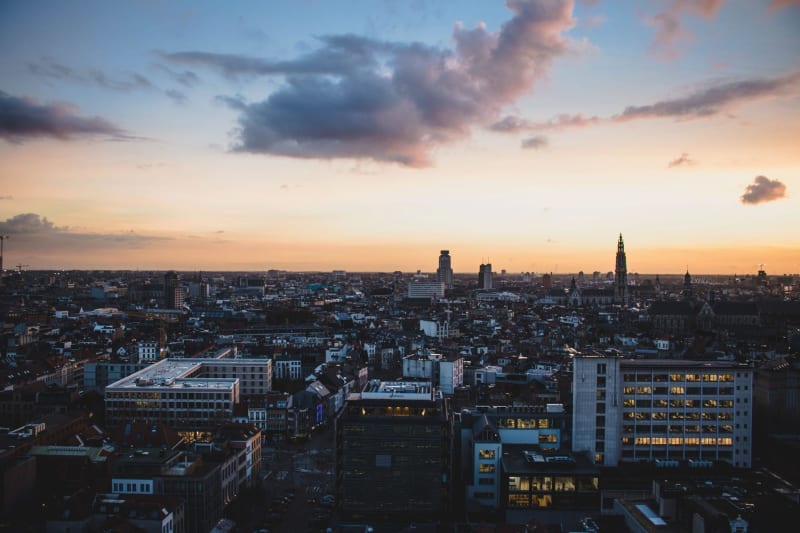
 Antwerp
Europe's diamond capital pulses with Flemish master paintings, world-class fashion, and a port that shaped centuries of trade.
Explore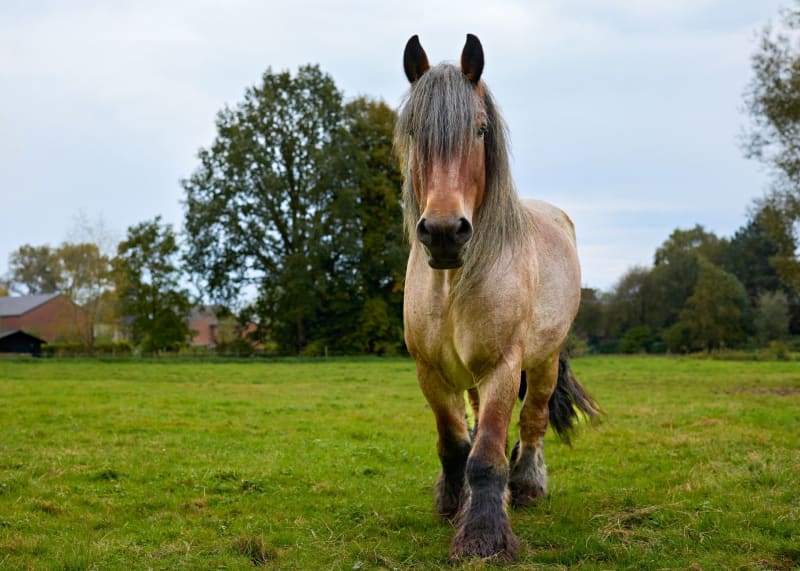 belgium
 Belgian Ardennes
A forested highland where rivers cut deep into sandstone and the menu runs to wild boar and local trout — Belgium's other landscape, almost entirely overlooked by people who think Belgium is flat.
Explore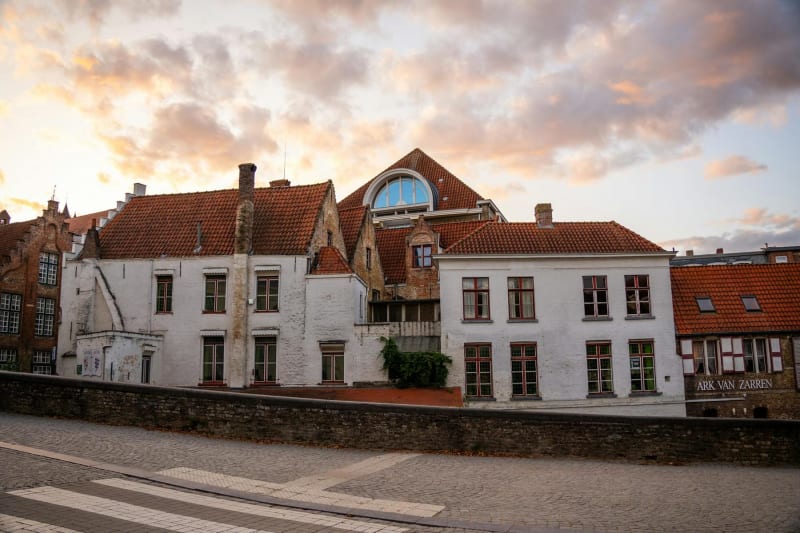 belgium
 Bruges
A fairy-tale city of medieval spires, lace-lined streets, and mirror-still canals that earned it the name 'Venice of the North.'
Explore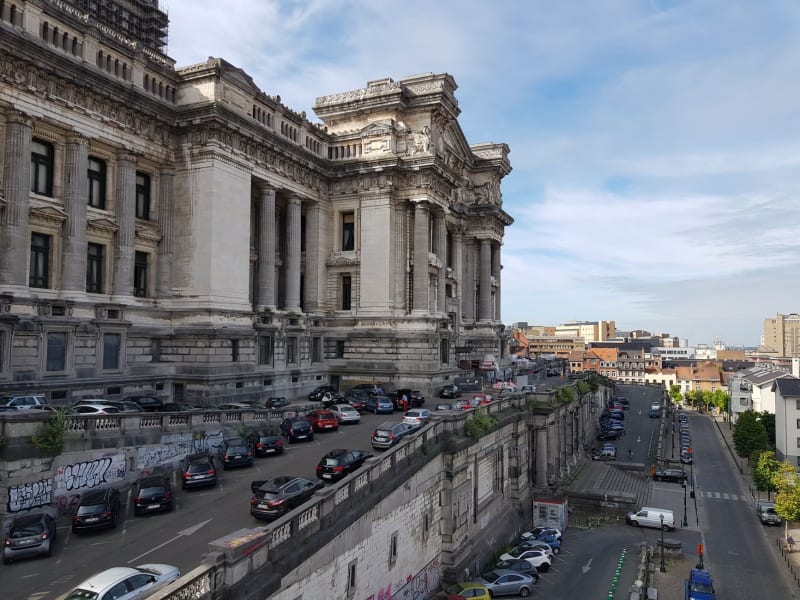 belgium
 Brussels
A city that perfected the art of contradicting itself — baroque grandeur one block from surrealist wit, EU bureaucracy five minutes from the best frites on earth.
Explore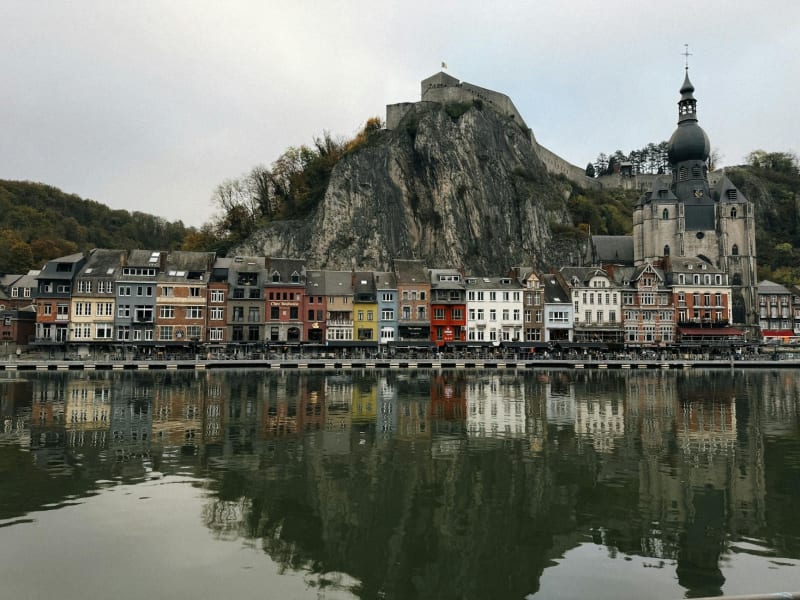 belgium
 Dinant
A dramatic cliffside citadel looms over this Meuse valley gem, birthplace of the saxophone and village of impossible beauty.
Explore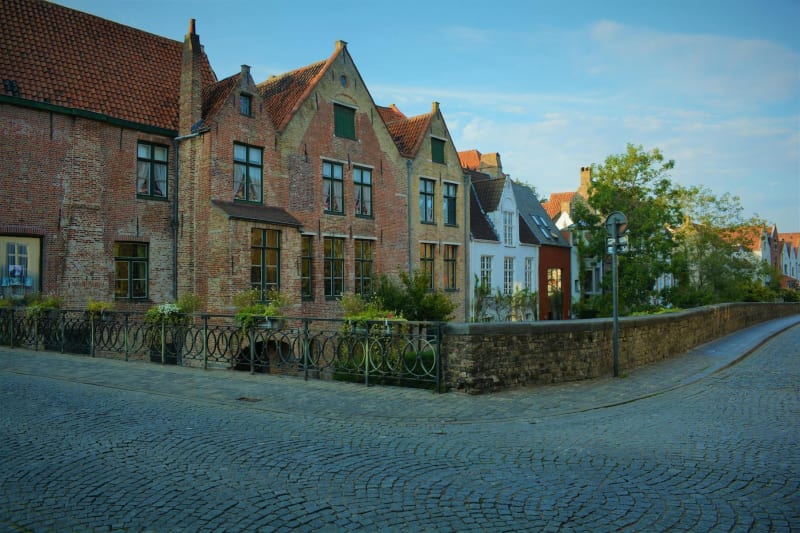 belgium
 Bruges Region Flanders Coast
The understated Belgian coast carries tram-connected seaside resorts, flat dune landscapes, and a WWII battlefield history that sobers and moves.
Explore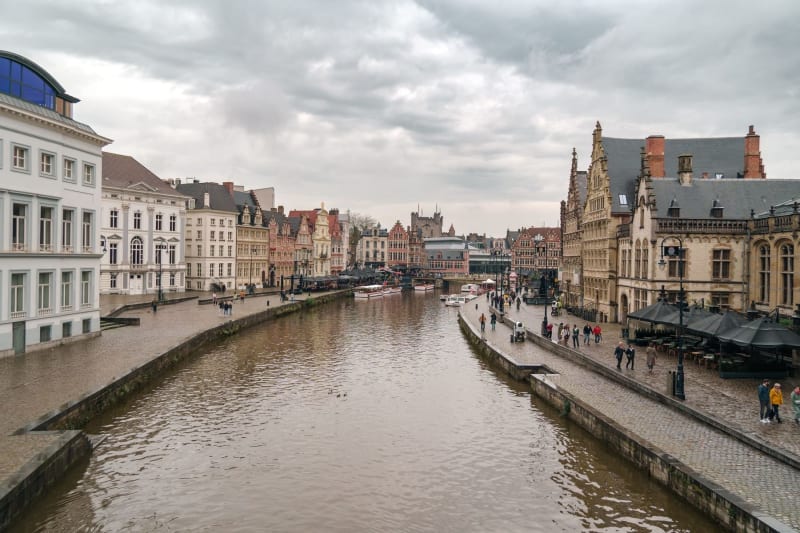 belgium
 Ghent
Belgium's best-kept secret: a university city alive with street art, craft beer, and a medieval skyline that refuses to be tamed.
Explore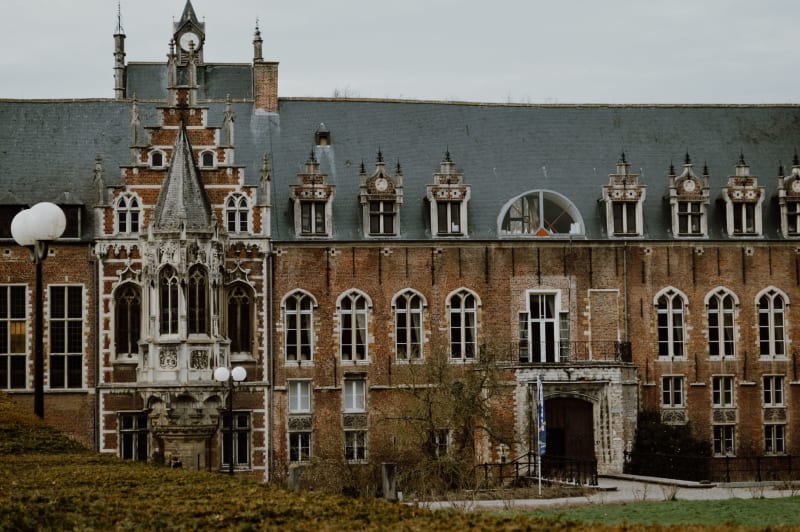 belgium
 Leuven
A small Flemish university city where a flamboyant Gothic town hall, the world's longest bar, and six centuries of students keep the whole place perpetually, cheerfully half-drunk on its own youth.
Explore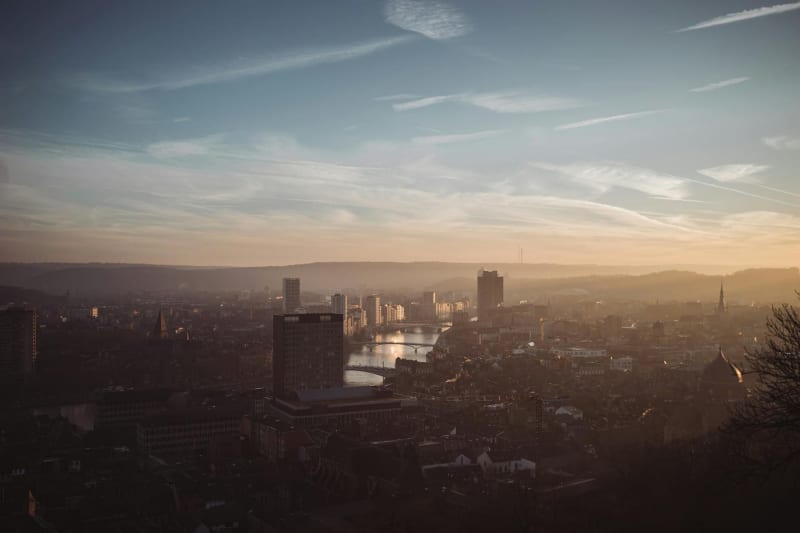 belgium
 Liège
A fierce, working-class Walloon city where the waffles are lighter, the beer is stronger, and the spirit is unbreakable.
Explore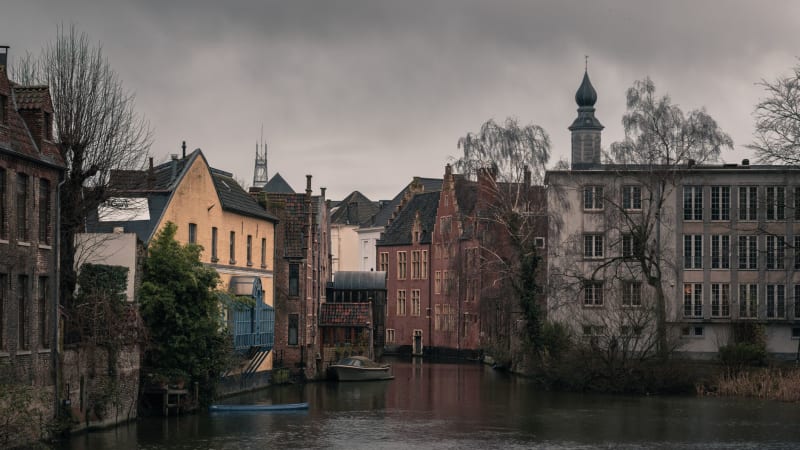 belgium
 Mons
A hilltop Wallonian city with a dragon to slay every spring and a quietly radical art museum that earns its place in no one's itinerary — which is exactly why it's worth going.
Explore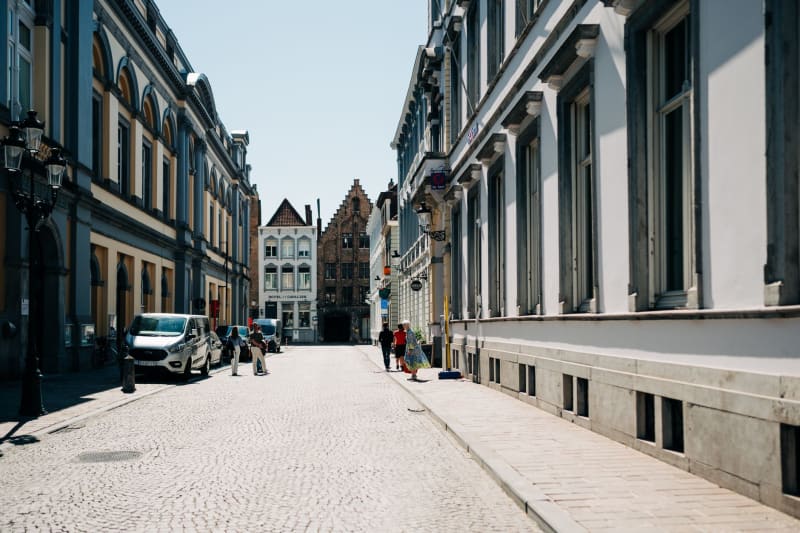 belgium
 Namur
Where the Sambre meets the Meuse below a massive citadel, Namur runs at a slower frequency than Belgium's tourist cities — unhurried, genuinely Walloon, and quietly excellent at lunch.
Explore