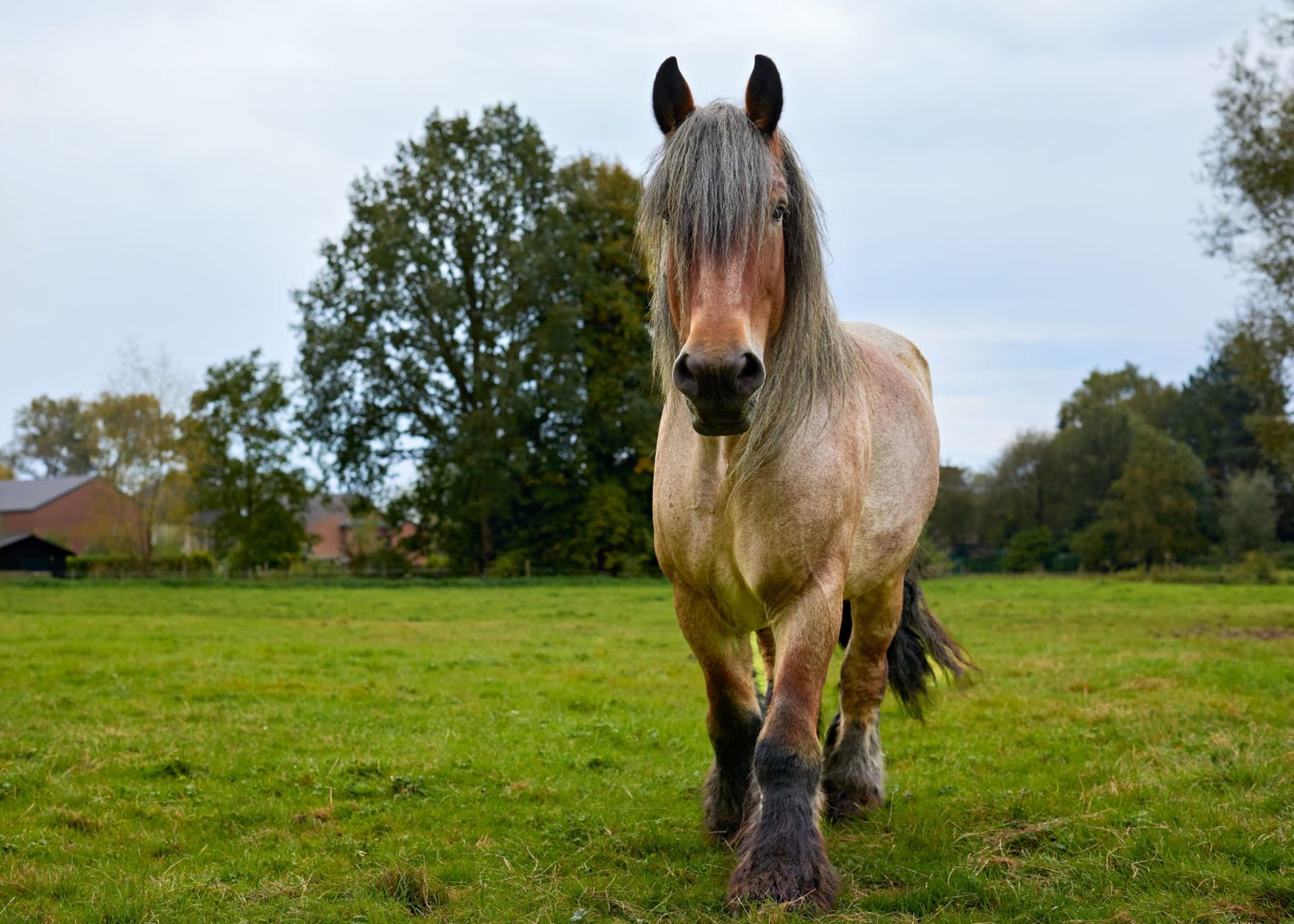
Belgian Ardennes
"The Ardennes reminded me that a country can hold more than one kind of geography — and that the second kind is usually the one worth finding."
The flatness is a myth. Northern Belgium is flat, yes — polders and canal towns and that particular North Sea sky — but cross an invisible line somewhere south of Namur and the land begins to fold. The valleys deepen. The rivers cut. By the time you reach La Roche-en-Ardenne or Bouillon, you’re in a different country in every sense that matters: different food, different pace, different light filtered through beech and oak canopy. I came here in October, which turned out to be the correct month in the way that certain places reveal themselves only in specific seasons.
The Valley Towns
La Roche-en-Ardenne is the most useful base. It sits in a tight curve of the Ourthe river with a ruined castle on the sandstone cliff above it, and the whole arrangement — river, rock, forest, medieval ruin — is so precisely what you’d design if you were designing a highland town that it risks feeling theatrical. It isn’t. The castle genuinely fell apart over centuries; the river genuinely carved the valley. I climbed to the ruins in late afternoon and watched the light go orange across the treeline. Bouillon, further south near the French border, has a better-preserved castle with a more dramatic position, and fewer people, and a particular quiet in the evenings that I kept returning to.
Caves, Rivers, and Moving Through the Landscape
The Ardennes rewards not staying still. The Han-sur-Lesse caves draw crowds for good reason: the Lesse river disappears underground into a karst system and you follow it through chambers that measure their scale in dozens of meters, stalactites hanging like frozen water, the air cold and mineral-smelling in a way that doesn’t leave you for hours after. I went on a boat through the final chamber. The cave system predates human presence in the region by enough millions of years to make most concerns feel appropriately small.
On the surface, the cycling and walking paths along the Lesse, the Ourthe, and the Semois are exceptional — not in the groomed recreational sense but in the old sense, where the paths follow the river logic and the landscape does whatever it wants and you adjust. I walked a section of the Semois valley near Bouillon on a weekday morning when the forest was mostly empty and the river had that deep green quality rivers get in cold weather.
The Table in the Ardennes
Wild boar shows up on menus here because wild boar lives in these forests — a direct and reasonable relationship between landscape and plate. I ate a civet de sanglier, slow-cooked with juniper and red wine, at a small auberge in La Roche with a fire going and windows fogged from the heat inside. The meat was dark and dense and not at all gamey in the way people use the word as a warning; gamey here meant tasted of something. Local trout, from rivers I’d been walking alongside, appeared on most menus prepared simply — grilled with butter and herbs. I ate it twice.
The Belgian Ardennes produces a cheese called Herve, a washed-rind soft cheese with a smell that arrives ahead of it and a flavor that’s assertive without being hostile. I brought some home wrapped in paper and it didn’t survive the journey as neatly as intended. Worth it.
History Beneath the Trees
The Ardennes carries the weight of December 1944, when the Battle of the Bulge tore through these forests in one of the war’s last major German offensives. The Bastogne War Museum handles the history carefully and without triumphalism — the footage, the cold, the logistics of fighting through snowbound forest are rendered with enough detail to feel real. Outside Bastogne, the landscape holds quiet markers and the occasional foxhole, still visible in the woods if you know to look. It changed how I walked through the forest afterward, in a way that felt appropriate.
When to go: October is extraordinary for autumn color and the hunting season bringing fresh game to every menu. May and June offer long days and wildflowers along the river paths. December is cold but the Ardennes handles winter well and the auberges lean into open fires. Avoid school holiday weekends in July and August when Belgian families descend en masse and the valley towns overflow.