Asia
Azerbaijan
"I didn't expect to feel this disoriented — and this awake."
A country where Soviet-era apartment blocks face off against oil-boom skyscrapers and medieval caravanserais, and somehow the collision feels completely earned.
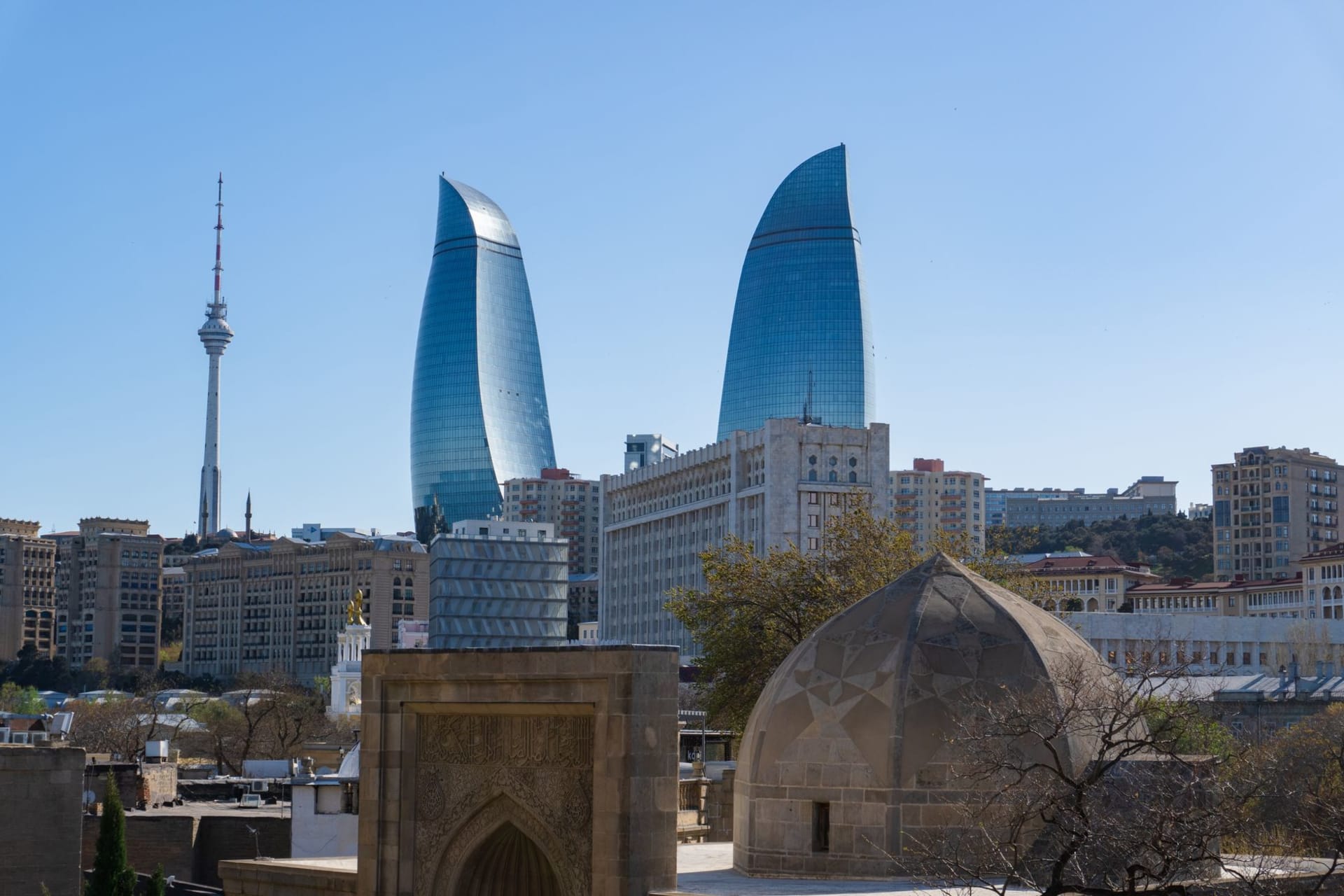
The Caspian hit me before the city did. Standing on the seafront boulevard in Baku at six in the morning, I watched the Flame Towers behind me ignite with LED fire while fishing boats drifted silently in front. That image — ancient water, Soviet promenade, glass towers performing flames — is Azerbaijan in miniature. Nothing here lines up the way you expect, and that’s the whole point.
I came with low expectations and a mild curiosity about Caucasus cuisine. What I found was one of the strangest and most coherent travel experiences I’ve had since arriving in Mexico. Baku’s Old City is genuine — crumbling caravanserais with cats sleeping in doorways, a Zoroastrian fire temple still smelling faintly of sulphur, hammams that haven’t updated their pricing in a decade. Step outside the medieval walls and you’re in a French-inflected boulevard city, all 19th-century petroleum mansions from the first oil boom. Walk five minutes further and you’re under towers that could be Dubai. No city I’ve been to layers its centuries this nakedly.
The food stopped me in my tracks. I had plov cooked in a cast-iron qazan over open flame, the rice crust so caramelized it shattered. I ate qutab — thin flatbreads stuffed with herbs, lamb, or squash — bought off a cart for almost nothing, eaten standing up while watching afternoon light move across the Shirvanshah Palace. The tea culture matters here the way coffee culture matters in Mexico City: slow, ceremonial, drunk from pear-shaped glasses with a sugar cube between your teeth. You do not rush tea in Azerbaijan.
I also made it to Gobustan, an hour from Baku, where 40,000-year-old petroglyphs cover boulders on a windswept plateau next to one of the country’s famous mud volcanoes. The mud volcanoes look like something from a low-budget science-fiction film — small cones bubbling cold grey sludge under a pale sky. I was the only person there for an hour. That kind of solitude, that close to a capital city, is genuinely rare.
When to go: April–June and September–October. Summers are brutally hot in Baku and the desert regions. Spring brings green hills and wildflowers in the Caucasus foothills. Avoid January–February unless you’re heading to Shahdag for skiing, which is actually excellent.
What most guides get wrong: Azerbaijan gets lumped into Caucasus itineraries as a one-day Baku stopover between Georgia and Armenia, which is a mistake. Baku alone needs three days to stop feeling like a film set and start feeling real. And the country beyond Baku — Sheki with its Khan Palace and walnut forests, the village of Lahij where coppersmiths work the same way they have for centuries — is entirely overlooked. The oil-boom spectacle is real, but it’s the surface. Give it time and Azerbaijan turns into something much stranger and more personal.
Explore
Places in Azerbaijan
 azerbaijan
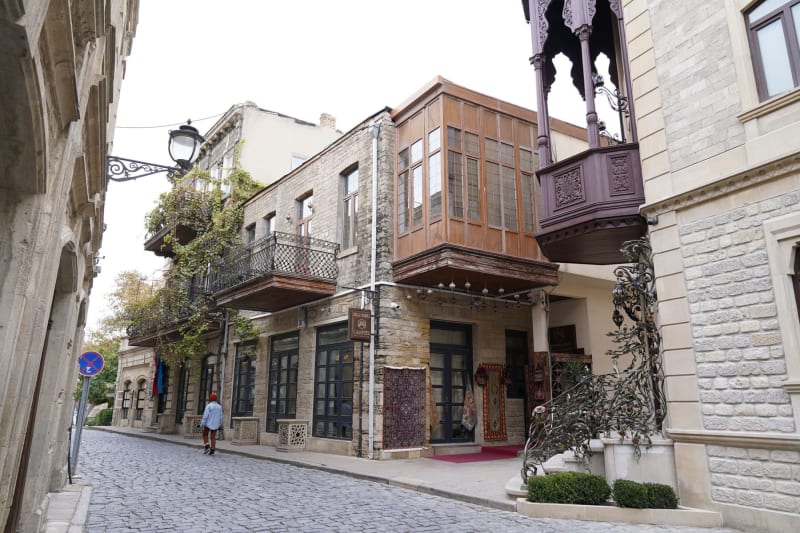
 Baku Old City
Icheri Sheher — Baku's walled medieval inner city, a UNESCO labyrinth of caravanserais and narrow stone alleys.
Explore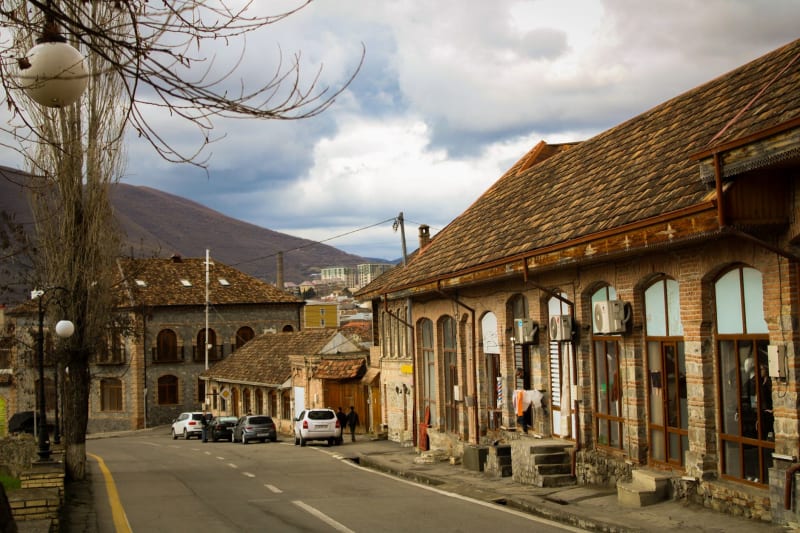 azerbaijan
 Gabala
A mountain resort town nestled in hazelnut orchards at the foot of the Caucasus, where Soviet-era sanatoriums and pine-scented air still draw Azerbaijanis seeking something slower.
Explore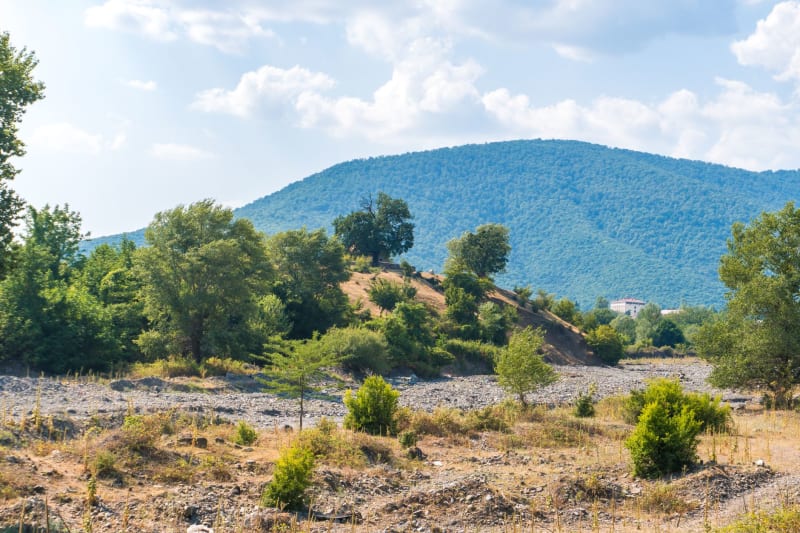 azerbaijan
 Ganja
Azerbaijan's second city carries the name of its most famous son — the medieval poet Nizami — with quiet pride, offering plane-tree boulevards, a functioning shrine complex, and a pace that Baku has long since abandoned.
Explore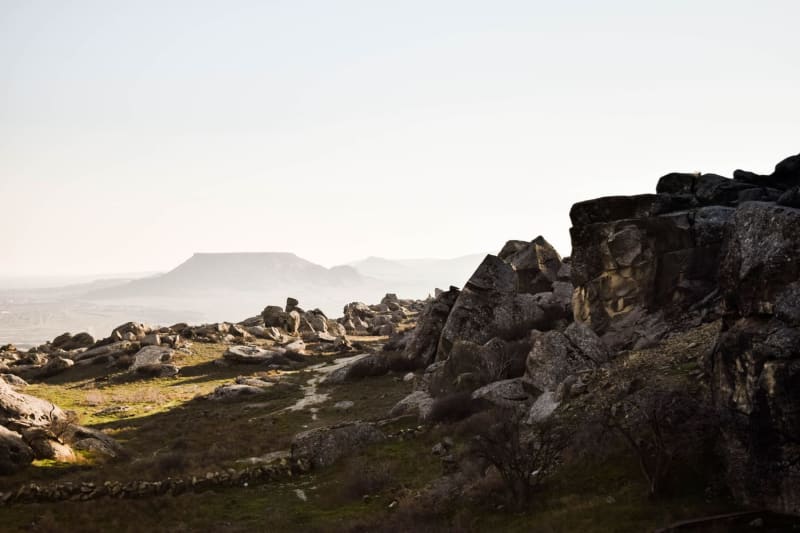 azerbaijan
 Gobustan
20,000-year-old rock carvings and bubbling mud volcanoes in a lunar landscape south of Baku.
Explore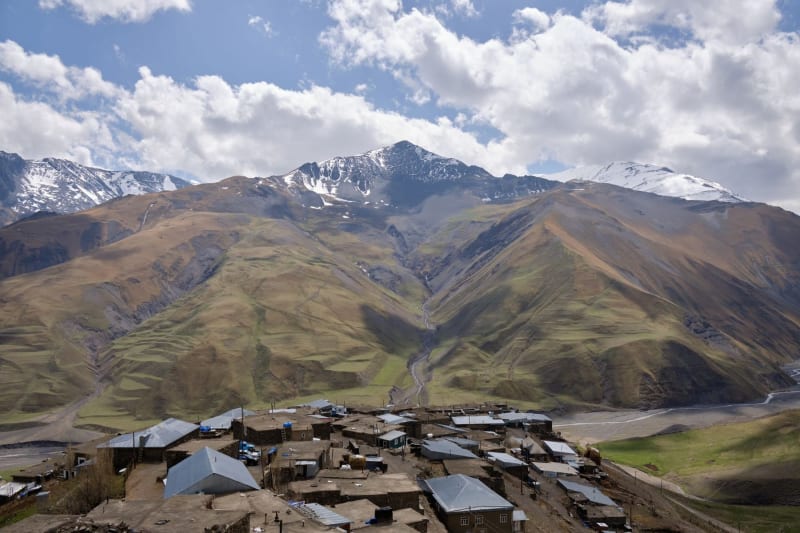 azerbaijan
 Lahij Village
A medieval cobblestone village in the Caucasus where coppersmiths still work by hand using ancient techniques.
Explore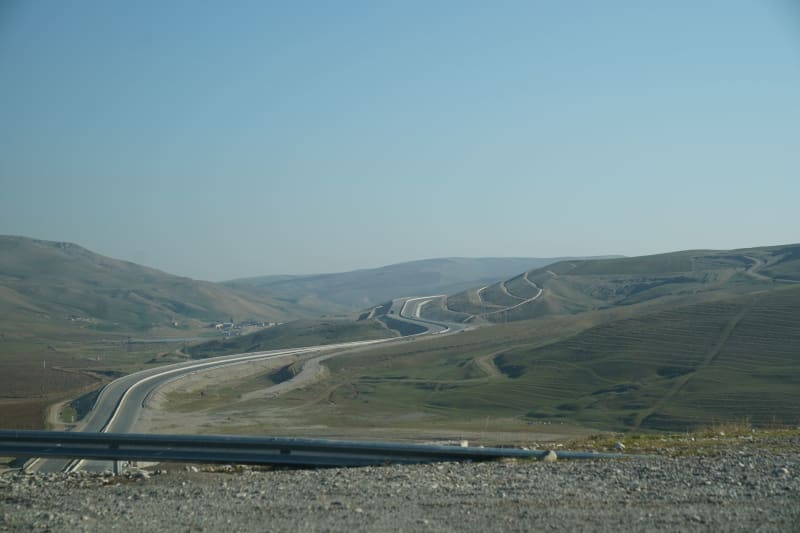 azerbaijan
 Lankaran
A subtropical port city on the Caspian near the Iranian border where tea grows on hillsides, Talysh cooking rewrites what you thought Azerbaijani food was, and the air smells of citrus and damp earth.
Explore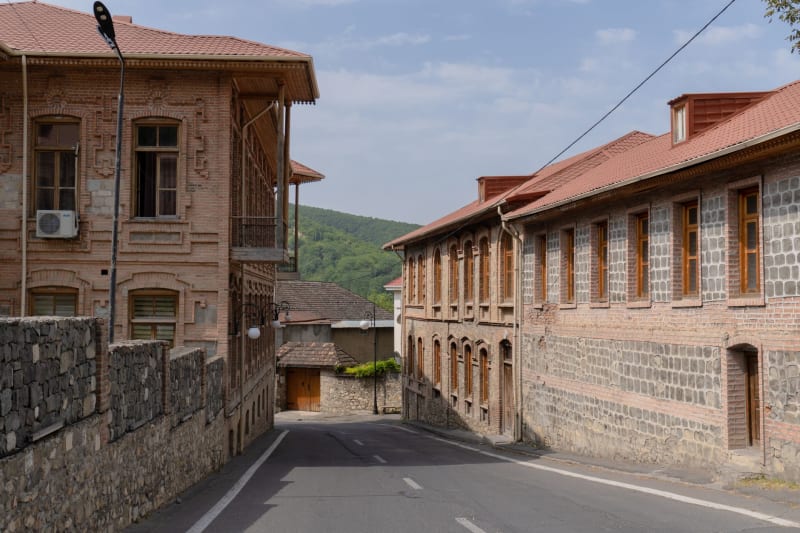 azerbaijan
 Nakhchivan
Azerbaijan's landlocked exclave — bordered by Armenia, Iran, and Turkey but cut off from the mainland — contains some of the Caucasus's most ancient monuments and a distinctly self-reliant character shaped by decades of blockade.
Explore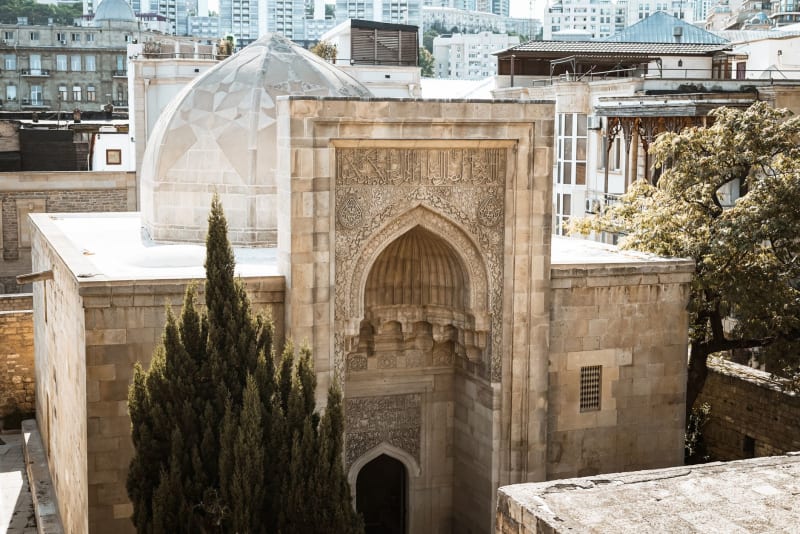 azerbaijan
 Quba
A carpet-weaving mountain town in northern Azerbaijan famous for its apple orchards, the extraordinary Jewish village across the river, and trails pushing toward the high Caucasus.
Explore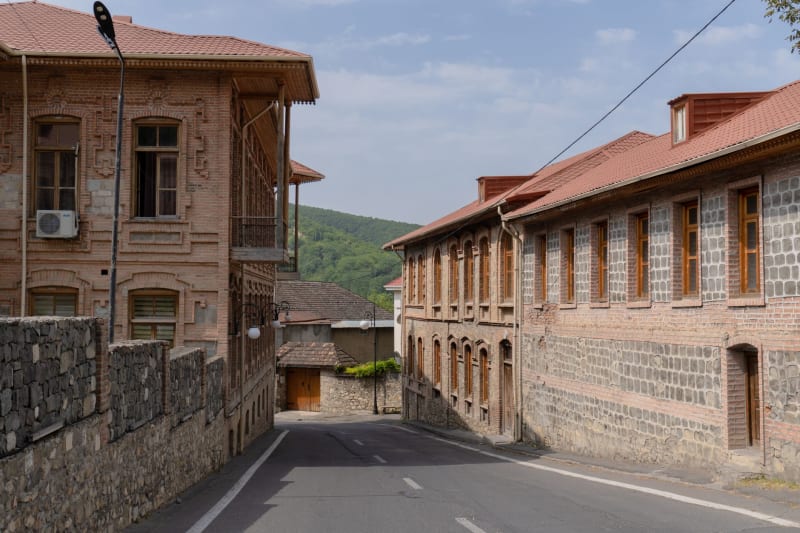 azerbaijan
 Shamakhi
An ancient Silk Road capital perched on earthquake-prone hillsides in Azerbaijan's emerging wine country, where vineyards planted with the indigenous Madrasa grape surround one of the Caucasus's oldest surviving mosques.
Explore azerbaijan
 Sheki
A Silk Road gem in the Caucasus foothills, famous for its Khan's Palace of intricate shebeke stained glass.
Explore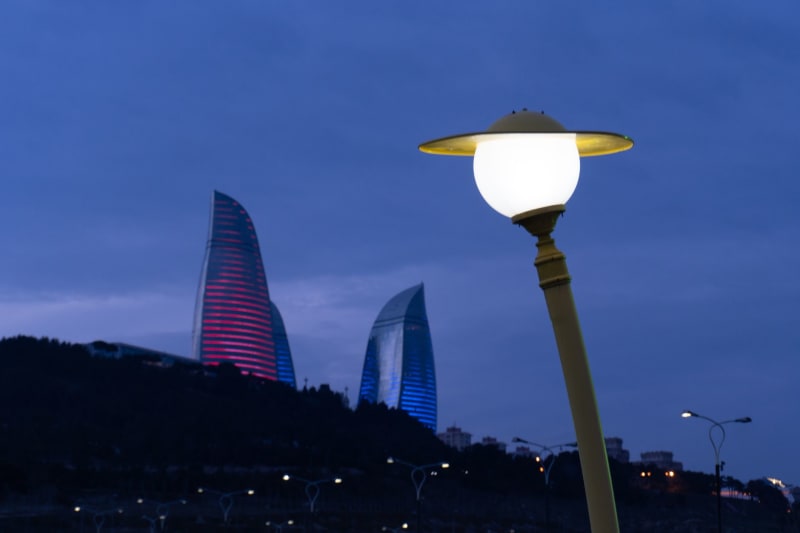 azerbaijan
 Yanar Dag
A hillside on the Absheron peninsula where natural gas has kept a wall of flame burning out of the bare earth for as long as anyone can remember.
Explore