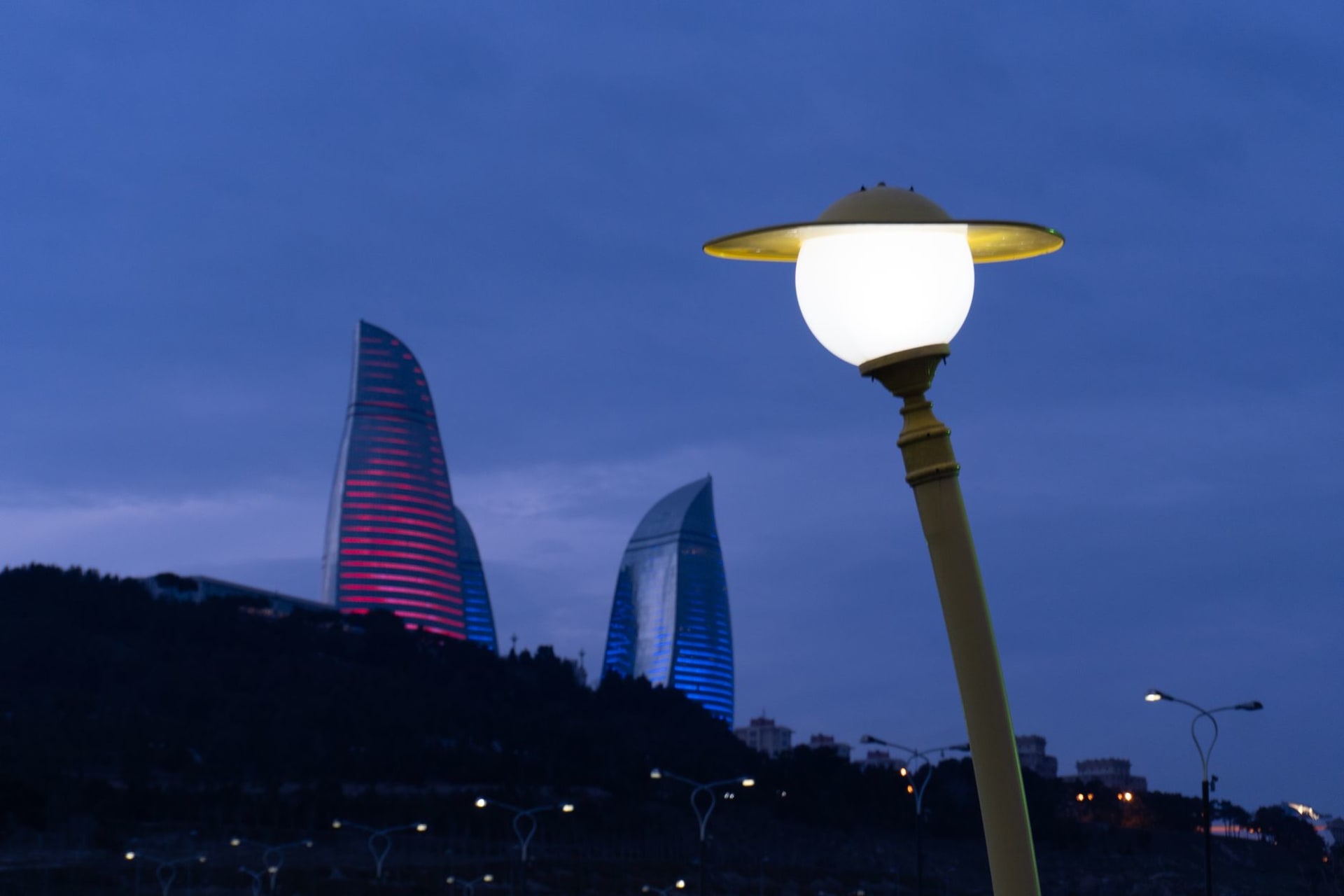
Yanar Dag
"There is no trick to it — the ground itself is on fire, and it has been for centuries."
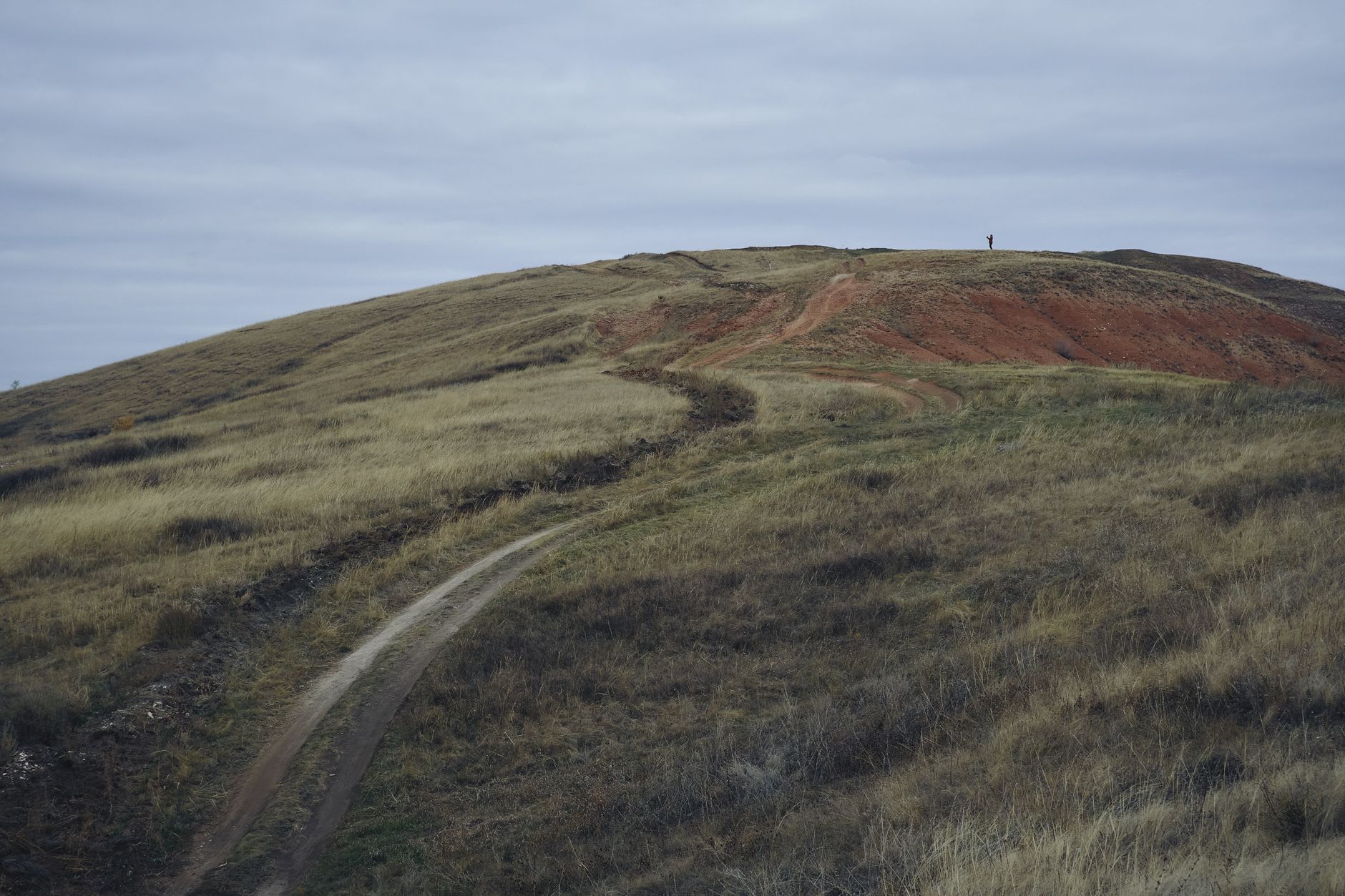
About half an hour north of Baku, out on the flat scrubby Absheron peninsula where the oil derricks nod like tired birds, there is a low hill with a base that is permanently on fire. Not a torch, not a vent — a continuous ten-metre run of flame coming straight out of the slope, fed by natural gas seeping through the porous sandstone. The name means Burning Mountain, which is generous to the hill but accurate about the rest. We arrived as the light was going, which is the only way to see it, and the fire turned from a pale daytime smudge into something genuinely primal against the dusk.
Why the Hill Burns
Azerbaijan is the Land of Fire for exactly this reason. The whole peninsula floats on gas and oil, and for millennia these natural flames drew the Zoroastrians, who saw the eternal fire as sacred and built temples around the seeps. Yanar Dag is the most theatrical survivor. There were once many such fires across Absheron; most went out as drilling drew the gas away, but this one persists, hissing quietly, smelling faintly of sulphur, throwing real heat that I felt on my face from several metres back.
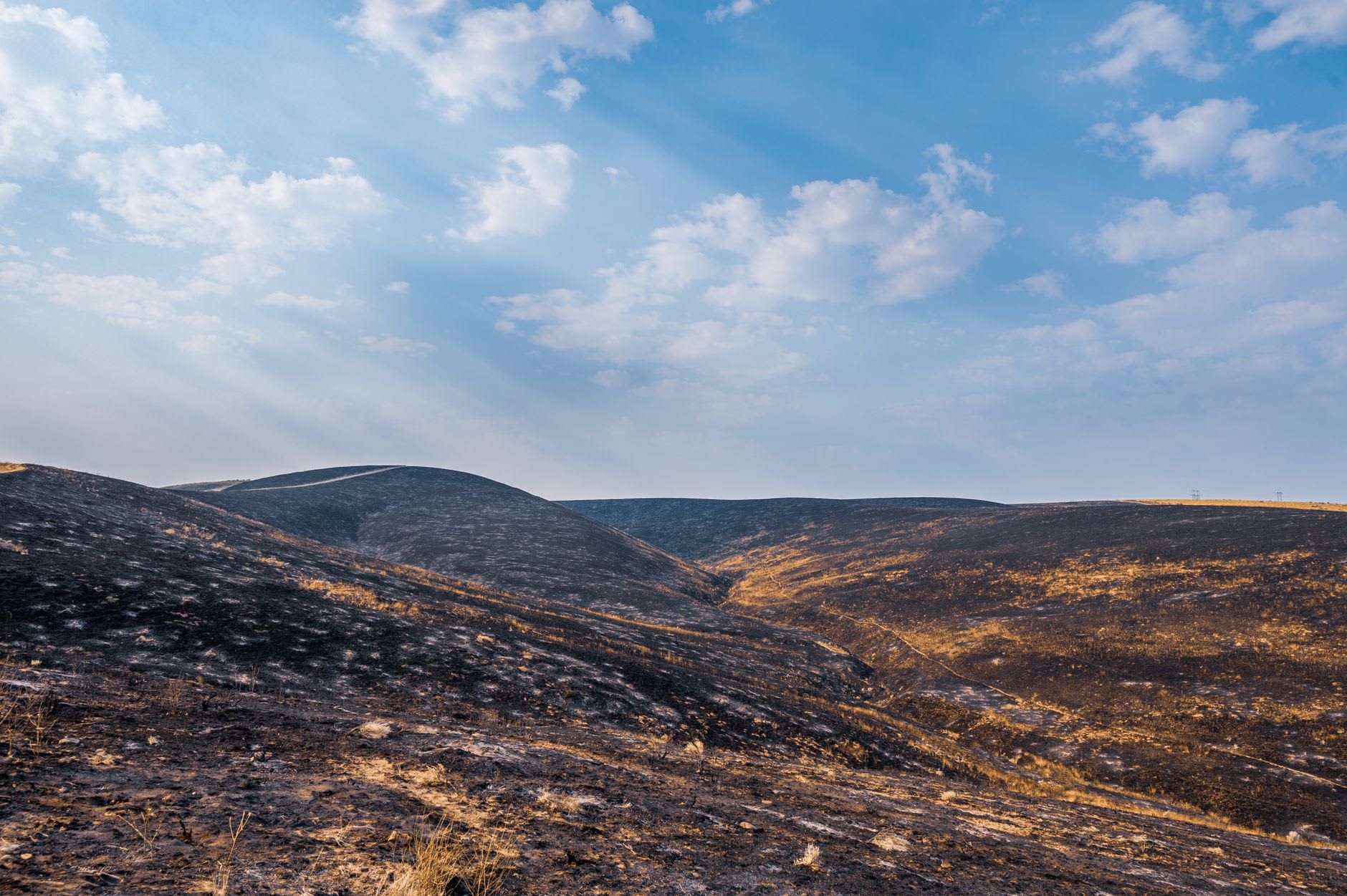
I will admit the visitor setup is a touch underwhelming at first — a tidy modern complex, a viewing terrace, a museum that explains more than the flames strictly require. Lia, ever the pragmatist, pointed out that the whole spectacle is essentially a permanent gas leak with a ticket booth. She was not wrong. And yet, standing there as full dark came down and the flames became the only bright thing in a black landscape, the cynicism burned off. People have stood exactly here, watching exactly this, for thousands of years. That continuity got under my skin.
Tea by the Fire and the Long Dusk
The best moment came afterward. There is a small teahouse beside the site, and we sat with glasses of Azerbaijani black tea, the little pear-shaped armudu glasses warm in the hand, a dish of cherry jam between us. The fire glowed orange beyond the window. Older men at the next table played nard, the dice clacking, paying the eternal flame no attention whatsoever — it is simply part of their landscape, no more remarkable than a streetlamp.
That is the thing about Yanar Dag that stayed with me: the impossible made ordinary. A burning mountain, and beside it, people drinking tea and arguing about backgammon. I could have watched both for hours.
When to go: Year-round, but go at dusk or after dark when the flames truly perform — daylight washes them out. Spring and autumn spare you the brutal Absheron summer heat and the winter wind that scours the peninsula flat.