Oceania
Australia
"Australia is the country that taught me what empty actually means."
I drove eight hours through the outback and the landscape did not change. Not subtly, not gradually — it was the same red earth, the same scrubby horizon, the same sky so large it started to feel like a philosophical statement aimed specifically at me. Lia fell asleep somewhere around hour three and woke up around hour six to an identical view, and the look on her face — that mixture of awe and mild alarm — said everything. Australia operates on a scale the human brain is not designed to process, and the outback is where that fact becomes personal. Most countries keep their wilderness at the edges. Australia keeps it at the centre, and the cities cling to the coastline like afterthoughts — beautiful, sophisticated afterthoughts that happen to produce some of the best coffee and food in the Southern Hemisphere.
The Great Barrier Reef was the one thing I approached with lowered expectations, because I’d read the bleaching reports and didn’t want to arrive hoping for something that no longer existed. I was wrong to hedge. We joined a liveaboard out of Cairns — not the tourist platforms, but the outer ribbon reefs that most visitors never reach — and what I saw underwater rewired something in my visual cortex. The colour is not what photographs prepare you for. The movement, the density, the sheer quantity of life pressing in from every direction. It’s an aquarium the size of Italy, and it is alive in ways that made me understand, viscerally and not abstractly, why its decline is something worth grieving.
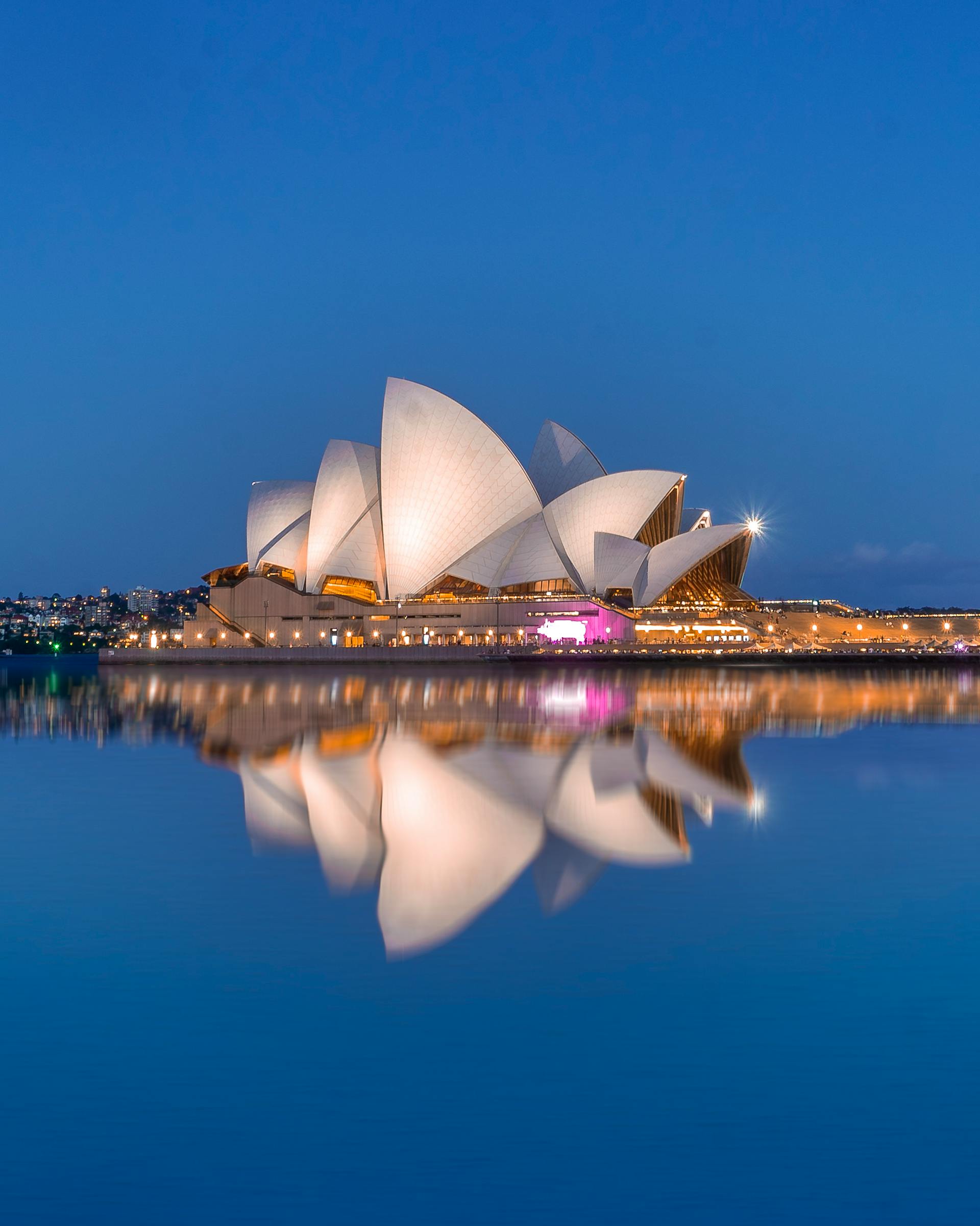
Sydney and Melbourne pulled me in opposite directions the way good cities always do. Sydney ambushed me around every headland — the harbour light at seven in the morning from the ferry to Manly, the beaches at Bondi that are somehow both touristy and genuinely beautiful, the way the physical landscape keeps interrupting whatever you thought you were doing. Melbourne worked differently. The food, the coffee, the laneways where the best things are hidden behind unmarked doors — it rewarded attention in the way that Sydney rewarded simply being there. I liked both, for different reasons, and I suspect which one you prefer says something accurate about your temperament.
When to go: September through November for the southern cities and the reef. June through August is dry season in the tropical north — the Top End, the Kimberley — and the best time for the outback. Australian summer (December to February) brings heat, bushfire risk, and school holidays. The shoulder seasons rewarded us in every direction.
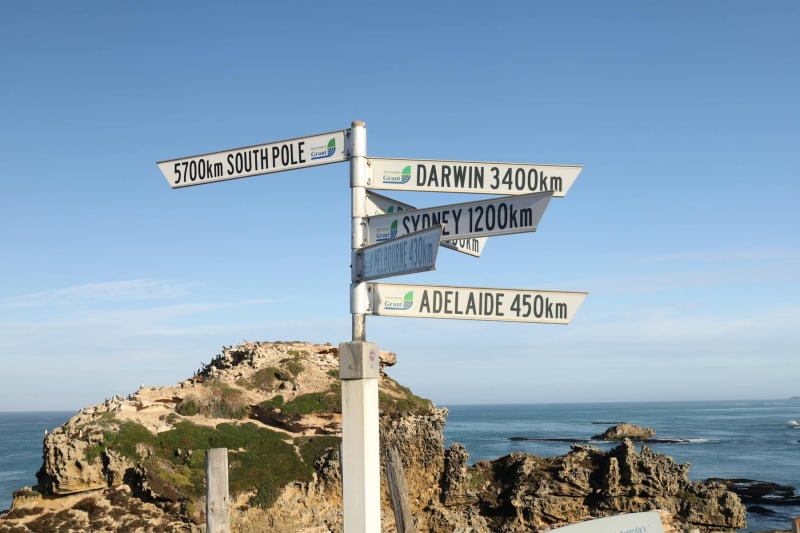
What most guides get wrong: They underestimate the distances with a recklessness that borders on dangerous. Sydney to Melbourne is a nine-hour drive. Perth to anything is a flight. The outback is measured in days, not hours. I’ve seen itineraries that would require teleportation to execute. Plan your logistics honestly, or the country will teach you the lesson the hard way — and Australia is very good at teaching that lesson.
Explore
Places in Australia
Adelaide
Australia's most liveable city — festival culture, Central Market produce, and the Barossa at its doorstep.
Blue Mountains
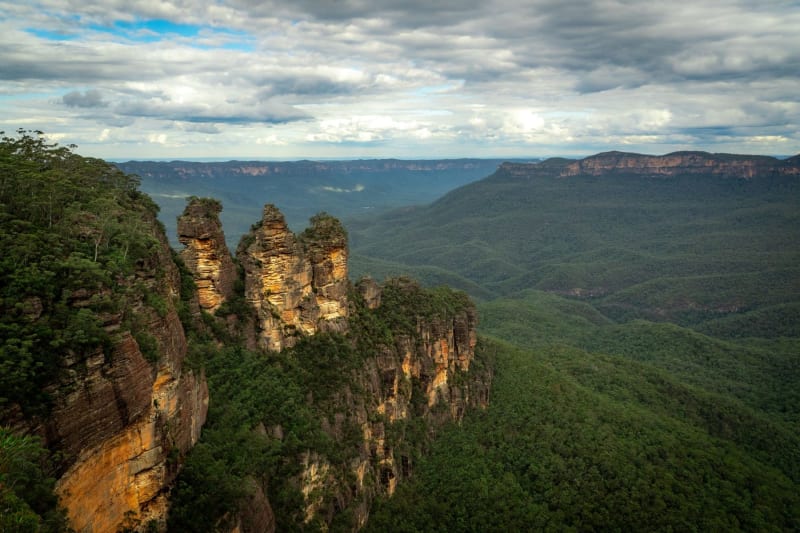
Eucalyptus oil turns the gorge air blue — sandstone escarpments, Aboriginal art, and the Three Sisters at dusk.
Byron Bay
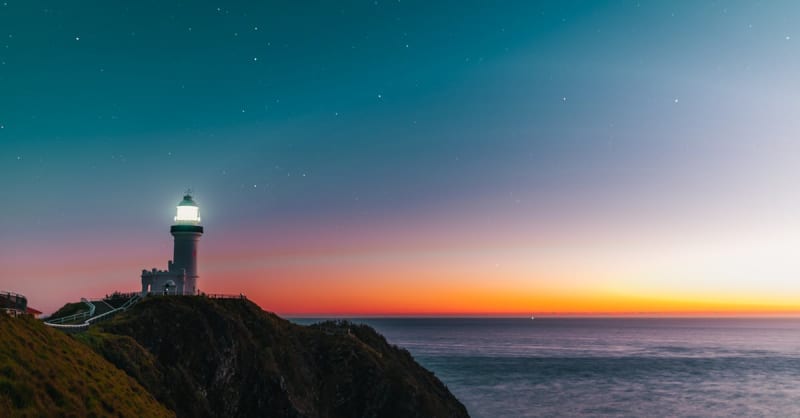
Australia's most easterly point, where surf culture, wellness retreats, and a lighthouse compete for your attention.
Daintree
The oldest rainforest on Earth meets the Great Barrier Reef in a collision of ecosystems found nowhere else.
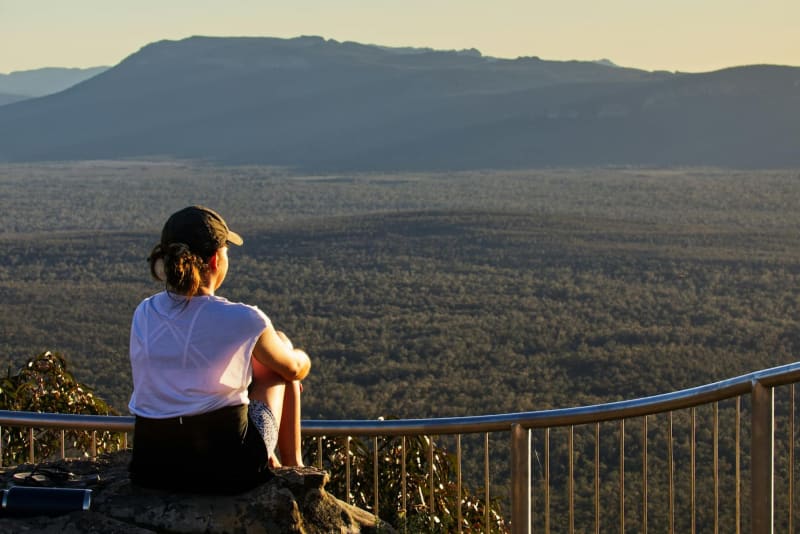
Grampians Halls Gap
A sandstone mountain range in Victoria with Aboriginal rock art, waterfalls and kangaroos grazing on the village oval.
Great Barrier Reef
The largest living structure on Earth, visible from space and even more astonishing from one metre below the surface.
Kakadu
Australia's largest national park, where 65,000 years of Aboriginal art adorns the rock shelters of an ancient landscape.
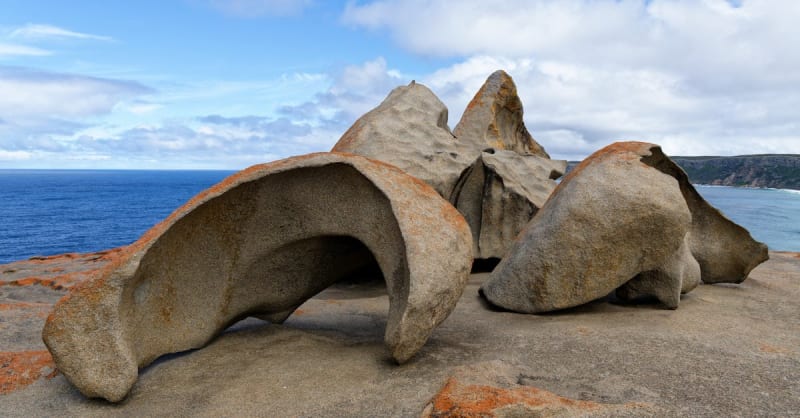
Kangaroo Island
A wildlife sanctuary island off South Australia where the animals outnumber the people and nobody minds.
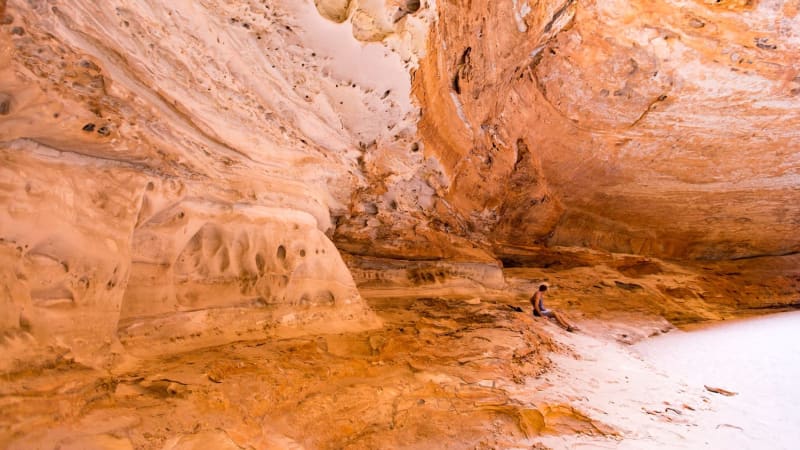
Kimberley
One of Earth's last true wildernesses — billion-year-old gorges, ancient Aboriginal rock art, and the Bungle Bungles.
Margaret River
World-class wine, ancient caves, and surf breaks strung along a coastline in Western Australia's southwest corner.
Melbourne
Australia's cultural capital, where laneways hide the best coffee, street art, and restaurants on the continent.
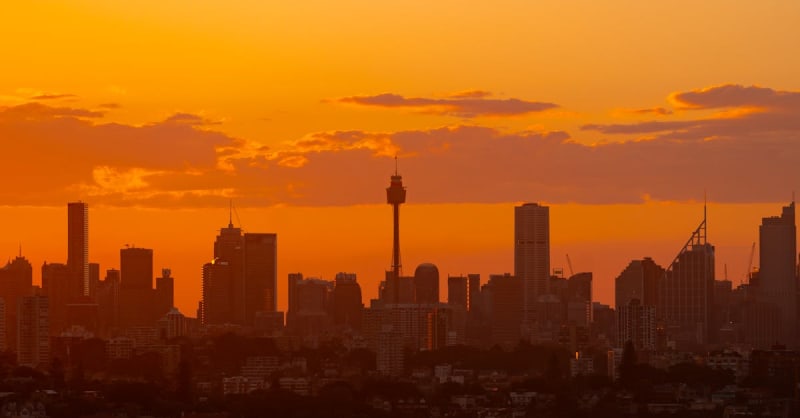
Sydney
A harbour city so photogenic it makes other waterfronts feel like they are not even trying.
Tasmania
Australia's wild island state — ancient forests, empty beaches, and a food scene that punches absurdly above its weight.
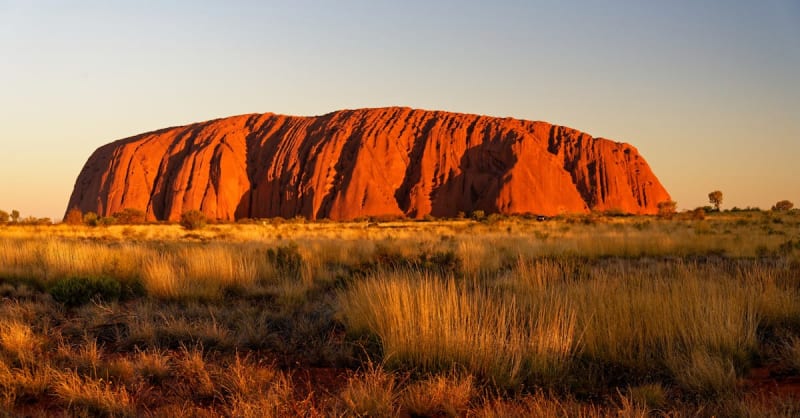
Uluru
A monolith in the red centre that is sacred, enormous, and changes colour with every passing hour.
Free download
Get the Australia Guide
A curated PDF itinerary with honest picks, real restaurants, and the details that matter — the kind you'd actually print and bring.
Download the guide