
Margaret River
"The wine was exceptional, the surf was empty, and the caves beneath it all made the surface feel like a preview."
The Margaret River wine region occupies a narrow strip of land between two capes — Cape Naturaliste to the north and Cape Leeuwin to the south — where the Indian Ocean meets the Southern Ocean and the soil does something that grapevines respond to with unusual enthusiasm. Cabernet Sauvignon is the star here, producing wines of structure and depth that have drawn serious international comparison to Bordeaux’s left bank. The Chardonnay is arguably even finer — restrained, textured, and shaped by the maritime climate that moderates the heat and extends the growing season. Over 150 cellar doors line the roads between the two capes, many of them small, family-run operations where the person pouring the wine is often the person who made it.
The food follows the wine. Restaurants attached to wineries have become destinations in their own right, serving menus built around local produce with a seriousness that belies the region’s relatively small population. Cheesemakers, olive growers, truffle hunters, chocolatiers, and artisan bakers have clustered here, creating a food ecosystem that feels self-sustaining. The Margaret River Farmers Market, held Saturday mornings, is a concentrated expression of this abundance — stalls selling everything from biodynamic vegetables to smoked venison to wood-fired sourdough, all produced within the region.
Craft breweries and distilleries have added another layer. The region’s brewing scene has grown rapidly, with taprooms set among jarrah forest and farmland serving hop-forward pale ales and barrel-aged stouts that hold their own against the wine culture surrounding them. The mood in these places is looser, more casual — boards shorts and thongs rather than the polished aesthetic of cellar-door tastings.
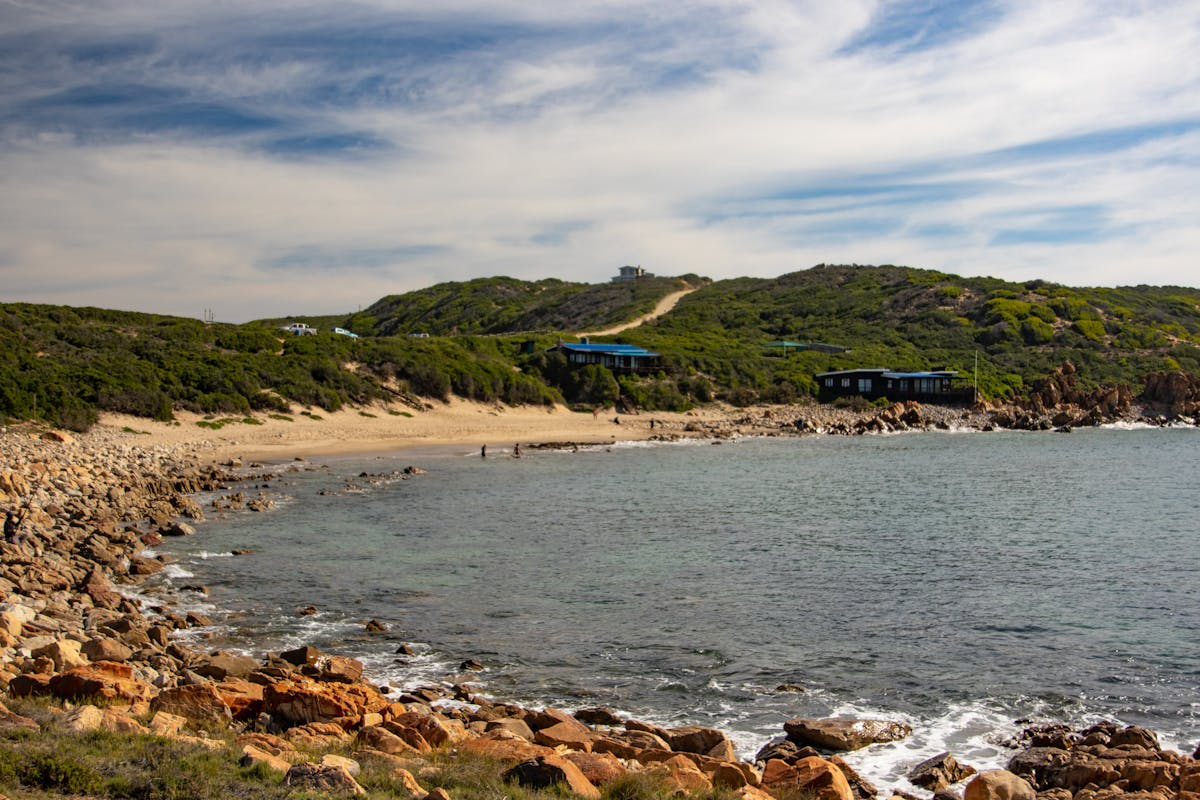
The surf, however, is what brought many original settlers to this stretch of coast, and it remains central to Margaret River’s identity. The breaks here are powerful, consistent, and often uncrowded on weekdays. Prevelly’s Surfers Point hosts a round of the World Surf League championship tour, drawing the world’s best to waves that are heavy, fast, and beautiful to watch from the cliff above. North Point, South Point, and a string of reef breaks along the coast offer variety for experienced surfers, while the more sheltered beaches near Dunsborough provide gentler conditions. The water is cold enough to require a wetsuit for most of the year, and the coastline — granite headlands, white sand, turquoise water — has a raw beauty that warmer, more tropical destinations often lack.
Beneath all of this, a vast limestone cave system runs the length of the Leeuwin-Naturaliste Ridge. Jewel Cave is the largest show cave in Western Australia, its chambers filled with stalactites, stalagmites, and a suspended straw formation so delicate it seems to defy the geological timescales that produced it. Mammoth Cave, accessible via a self-guided walk, holds fossilised remains of megafauna — the giant animals that roamed this landscape tens of thousands of years ago. Lake Cave contains a suspended calcite table reflected perfectly in the still water below, an image so symmetrical it looks engineered. The caves are a reminder that the surface landscape, beautiful as it is, sits atop a hidden world of equal complexity.
Cape Leeuwin, at the region’s southern tip, marks the point where the Indian and Southern Oceans meet. The lighthouse here — the tallest on mainland Australia — stands at this convergence, and the water below churns with the collision of two ocean systems. During winter and spring, southern right whales and humpbacks pass close enough to shore to be seen without binoculars, and whale watching from the cliffs between Augusta and Dunsborough has become one of the region’s great seasonal rituals.
The forests that back the coastline are towering karri and jarrah — hardwoods that grow to sixty metres and create a canopy so high the forest floor feels like a nave. Sections of the Cape to Cape Track, a 135-kilometre walking trail connecting the two lighthouses, pass through these forests before emerging onto coastal cliffs and empty beaches. Walking even a single section delivers the particular clarity that comes from moving through a landscape at the speed it was meant to be experienced.
Margaret River manages something that few wine regions achieve — it is genuinely multi-dimensional. The wine is world-class, but so is the surf, the food, the coastline, and the underground landscape. The combination creates a place where a single day might move from a dawn surf session to a cave tour to a long lunch at a vineyard to an evening walk through karri forest, and none of it feels forced or itinerary-driven. It simply flows, the way good wine does.
When to go: September through November brings wildflower season, whale migration, and mild spring weather — the ideal window. February through April is harvest season, with warm days, the best dining experiences, and vineyard activity at its peak. Summer (December through January) is warm and busy, particularly around the holidays. Winter (June through August) delivers dramatic storms, powerful surf, truffle season, and the cosy appeal of cellar doors on rainy afternoons. The wine, it should be said, does not have a season. It is excellent throughout the year.