Sydney
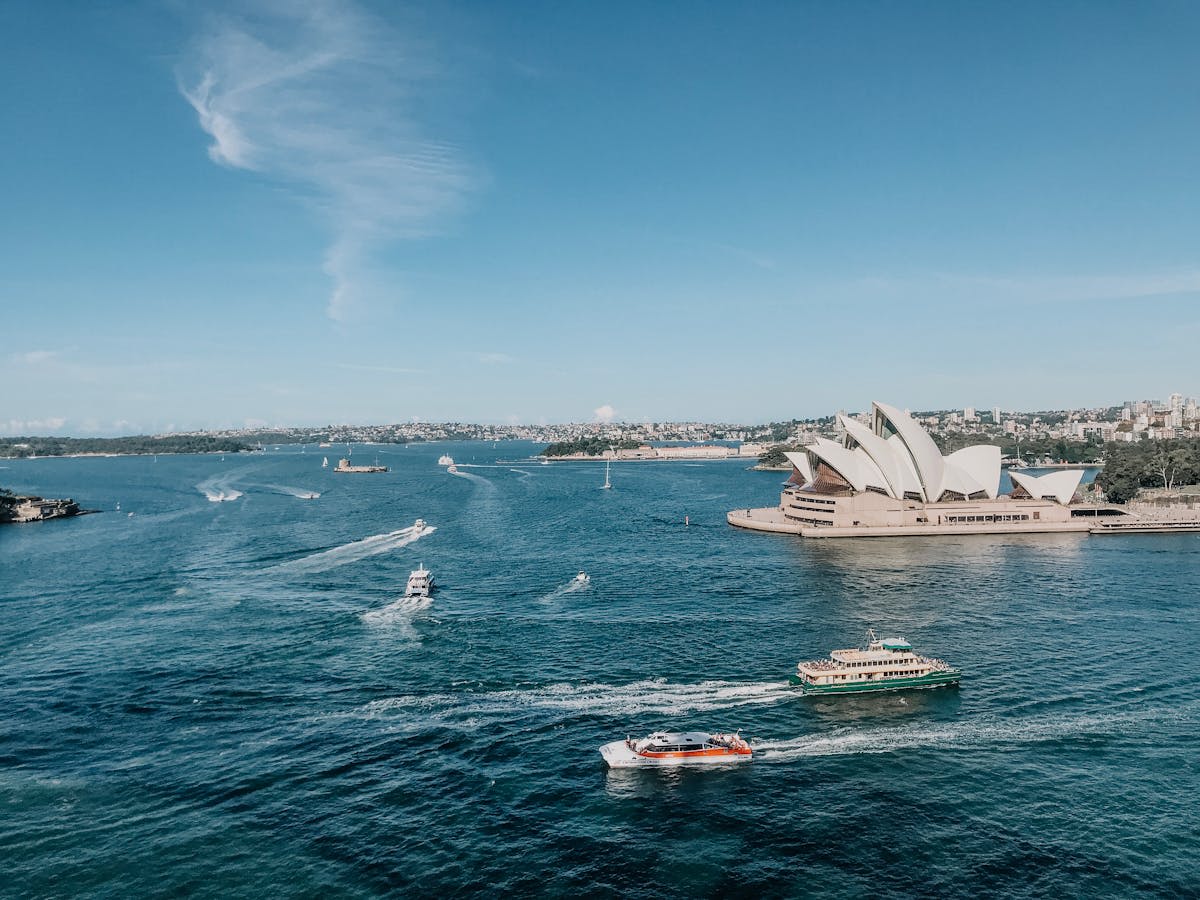
"The Opera House from the ferry at sunset — some views earn their cliche status honestly."
Sydney is a city that begins and ends with its harbour. That vast stretch of deep blue water, fringed by sandstone headlands and punctuated by the white sails of the Opera House and the steel arc of the Harbour Bridge, forms the emotional centre of everything. The harbour is not merely scenery here — it is the reason the city exists, the axis around which daily life turns, and the thing that catches the light in a way that makes even long-time residents pause on their commute. Circular Quay sits at the heart of it all, a convergence point where ferries fan out toward Manly, Taronga, and Watsons Bay, and where the Opera House rises from its promontory like a vessel perpetually about to set sail. The building is smaller than photographs suggest and more beautiful than they promise, its ceramic tiles shifting between cream and pale gold depending on the hour. Beside it, the Harbour Bridge stands with the quiet authority of infrastructure that has become art — its pylons framing the north shore, its pedestrian walkway offering a perspective on the city that earns every step of the climb.
Walk south along the waterfront and The Rocks emerges — Sydney’s oldest neighbourhood, where convict-era sandstone warehouses now house weekend markets, pubs with low ceilings, and galleries tucked into courtyards. The cobblestones hold layers of colonial history, and on Saturday mornings the market stalls spill out beneath the bridge’s shadow, selling everything from handmade jewellery to bushland honey. It is a neighbourhood that wears its age with a certain rough dignity, resisting the polish of the surrounding glass towers.
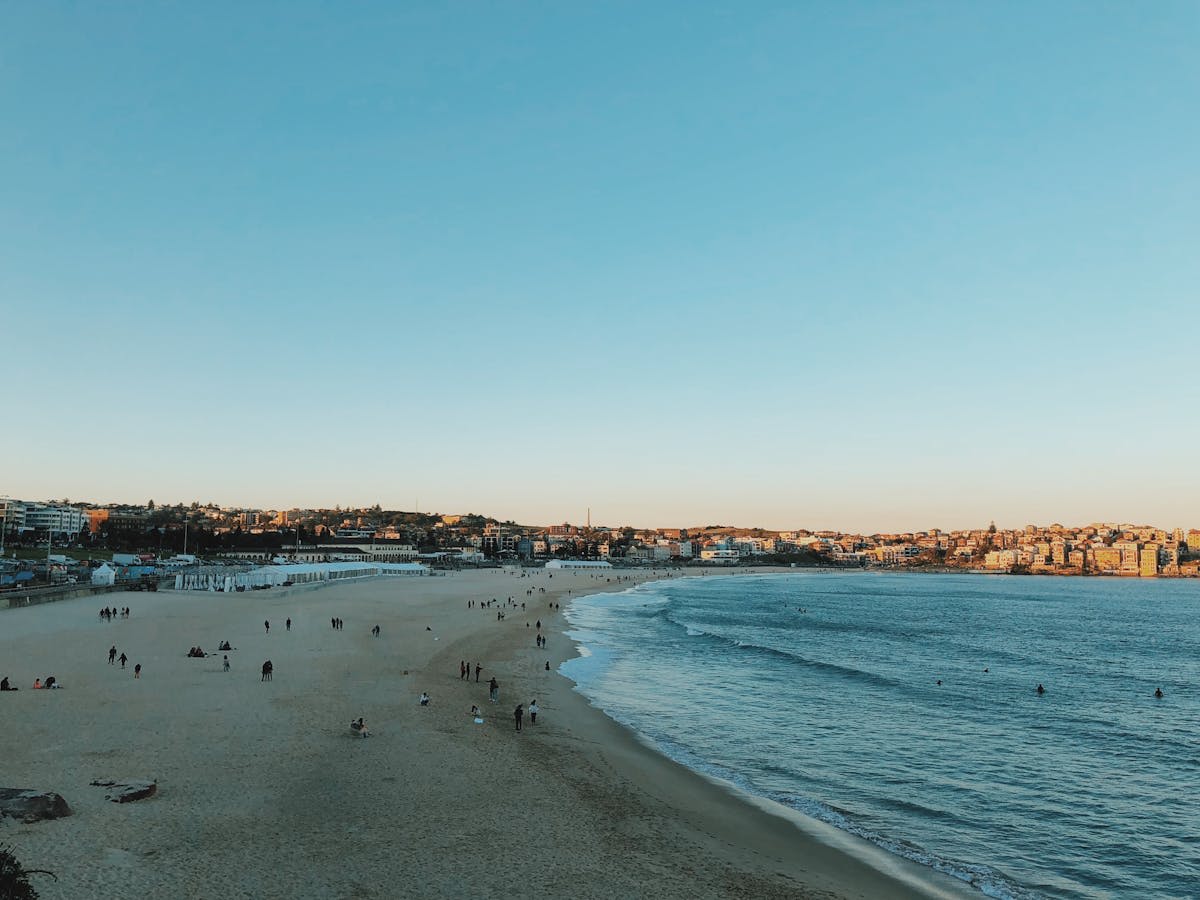
The coastline, though, is where Sydney reveals its wilder temperament. The Bondi to Coogee coastal walk traces a path along sandstone cliffs that drop into the Tasman Sea, passing ocean pools carved into the rock, pocket beaches where the surf runs hard, and headlands where the wind carries salt and the sound of waves breaking on platforms below. Bondi itself is a crescent of pale sand that fills early with swimmers, surfers, and runners who treat the ocean as their morning gymnasium. The egalitarian spirit of Australian beach culture is on full display — no velvet ropes, no reserved loungers, just sand and water and the democratic understanding that the coast belongs to everyone.
Inland, the neighbourhood of Surry Hills has quietly become one of the southern hemisphere’s great eating districts. Its terraced streets hold Thai restaurants where the curries carry genuine heat, wine bars pouring natural drops from the Hunter Valley, and bakeries whose sourdough draws morning queues that snake around the block. The dining here is not flashy — it is confident, multicultural, and uninterested in pretension. A few kilometres west, Barangaroo has transformed a former container terminal into a waterfront precinct where native plantings meet harbourside walking paths, and the city’s ambition to reclaim its edges for public life feels genuinely achieved.
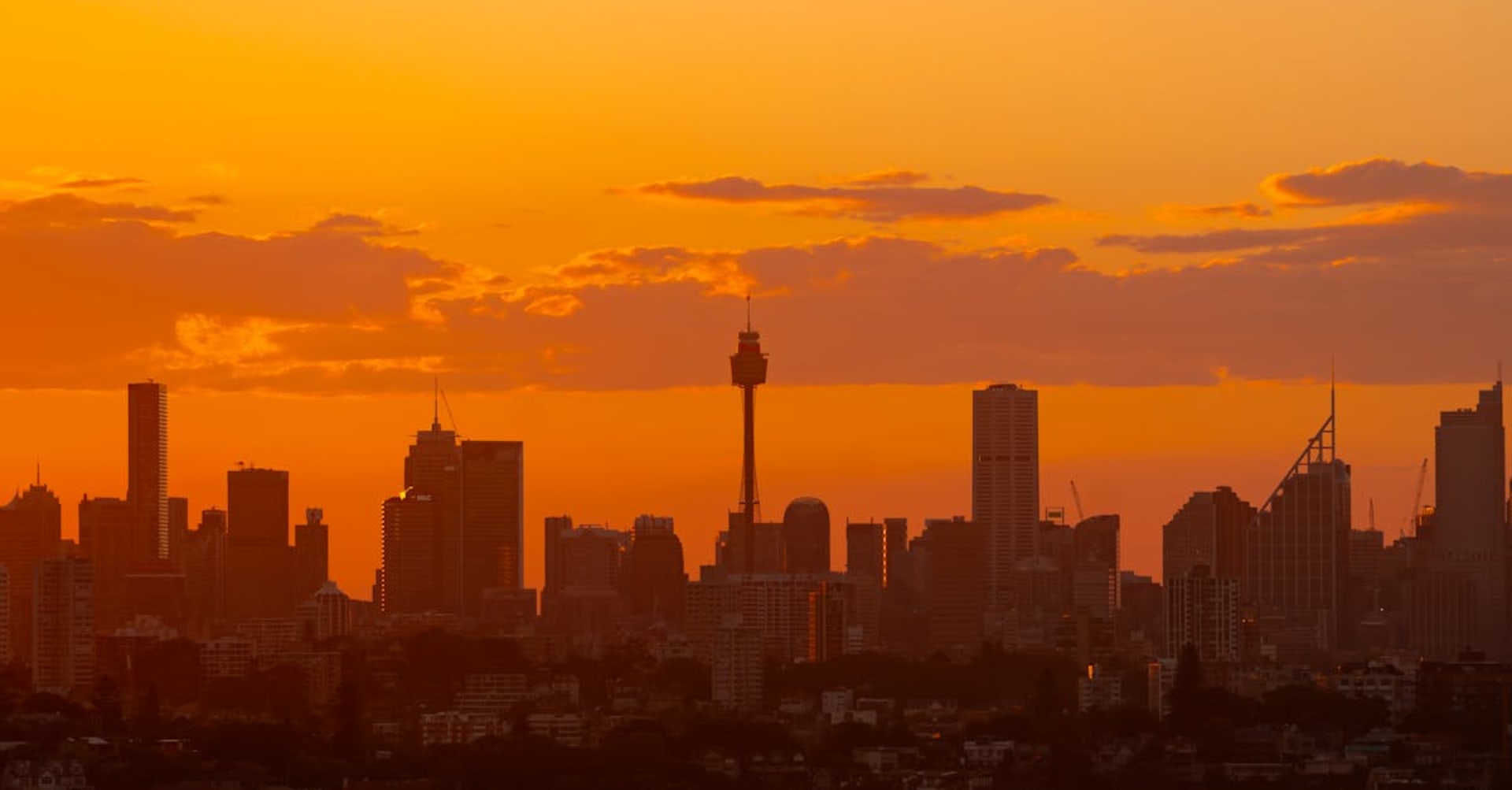
Then there is the light. Sydney’s light is particular — bright, clarifying, almost theatrical in the way it strikes the harbour in the late afternoon and turns every surface into something luminous. It is the reason photographers never tire of this city and the reason the Blue Mountains, visible on clear days as a blue-grey line along the western horizon, earned their name from the eucalyptus oil haze that scatters the sun into shades of indigo. A day trip west to those mountains reveals a landscape of immense sandstone gorges, waterfalls threading down cliff faces, and ancient eucalyptus forests that stretch unbroken to the edge of sight. The Three Sisters rock formation stands at the valley’s rim like a geological sermon on the patience of erosion.
Sydney does not demand affection. It simply occupies its harbour, catches its light, and lets the beauty speak without raising its voice.
When to go: September through November brings spring warmth and jacarandas painting the inner-west suburbs in purple. December through February is full summer — hot, vivid, and beach-perfect, though crowds peak around the holidays. March through May offers autumn mildness and thinner tourist numbers. Winter is cool but reliably sunny. Vivid Sydney in May and June transforms the Opera House and harbour foreshore into a canvas of projected light and colour.