Europe
Albania
"Albania feels like Europe did before Europe knew it was a destination."
A country where Ottoman minarets and communist bunkers share the same hillside, and nobody has thought to charge you extra for any of it yet.
I arrived in Gjirokastër from the Greek border on a shared minibus that cost two euros and smelled strongly of cigarettes and coffee thermoses. The driver dropped us in the main square without ceremony, and I stood there looking up at a citadel the size of a small town perched on the ridge above, absolutely alone with it for a full minute before another tourist appeared. That moment — the fortress, the silence, the total absence of anyone trying to sell me a magnet — told me everything I needed to know about where I had landed.
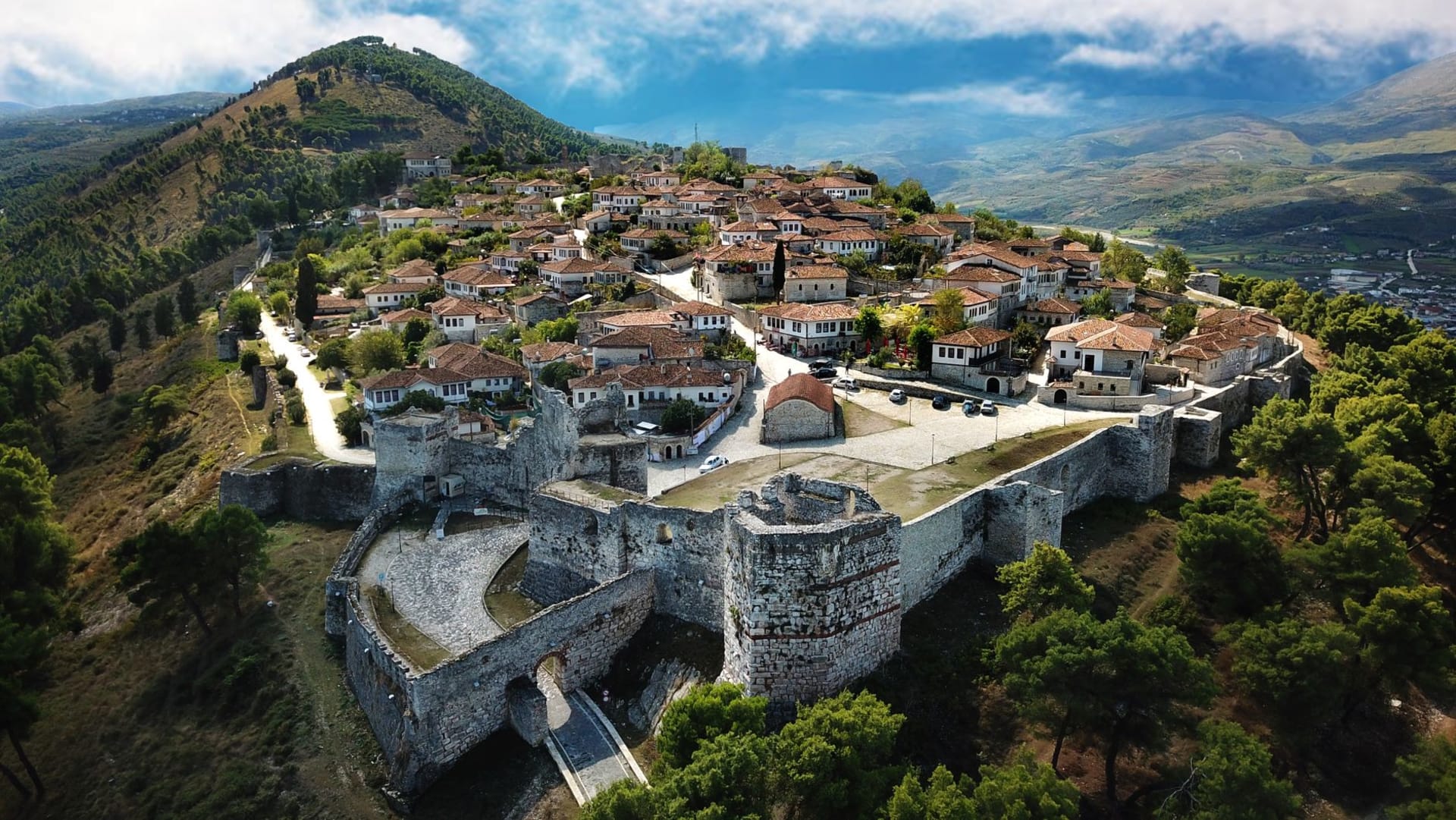
Albania is the country that Europe forgot to package. For decades locked behind one of the most paranoid regimes of the twentieth century, it emerged blinking into the 1990s without the tourism infrastructure, the souvenir economy, or the softened edges that other Balkan destinations had by then already developed. That rawness has not entirely worn off. The roads are still an adventure. The guesthouses are run by families who will feed you until you cannot stand. The bunkers — Hoxha built 750,000 of them across the country, one for every four Albanians — dot the landscape like concrete mushrooms, repurposed now into cafés, art spaces, or simply left to be colonized by grass. Berat, with its cascade of Ottoman whitewashed houses climbing toward another fortress, has been discovered but not yet overwhelmed. The Blue Eye spring near Sarandë is a pool of such improbable, violent turquoise that it looks digitally enhanced, and on a Tuesday in late May I shared it with exactly seven other people. The Riviera south of Vlorë — Dhërmi, Himara, Palasë — has the Albanian Alps meeting the Ionian Sea in a way that makes the Croatian coast look crowded and expensive by comparison.
The food is the argument I make most forcefully to skeptical friends. Byrek, the flaky pastry filled with spinach and cheese, eaten hot from a street-side bakery at seven in the morning. Tavë kosi, a baked lamb and yogurt dish that tastes like Ottoman history in a ceramic pot. The raki that arrives uninvited at every meal and that you accept, because refusing it is considered something between rude and inexplicable. Coffee culture borrowed from Italy but slowed down and stretched out across long afternoons on shaded terraces. And prices that feel like a different decade — a full dinner with wine for ten euros is not unusual.
When to go: May to mid-June or September to October. The Riviera fills up in July and August — Albanians from Tirana and a growing number of Kosovo and North Macedonia visitors have discovered it, and prices climb accordingly. Spring brings wildflowers across the mountains and empty roads. October is warm enough to swim and cool enough to hike Theth or Valbona in the Albanian Alps without suffering.
What most guides get wrong: They treat Albania as a footnote to a Balkans itinerary — two days in Tirana, a night in Berat, done. The interior is the story. The Accursed Mountains in the north, the Lake Ohrid shore, the ancient Illyrian site at Butrint, the city of Shkodër with its Venetian-Ottoman palaces — these demand time and reward it lavishly. Albania is not a destination you race through. It is one you stumble around in slowly, accepting the raki, missing the last bus, and not minding at all.
Explore
Places in Albania
 albania
 Apollonia
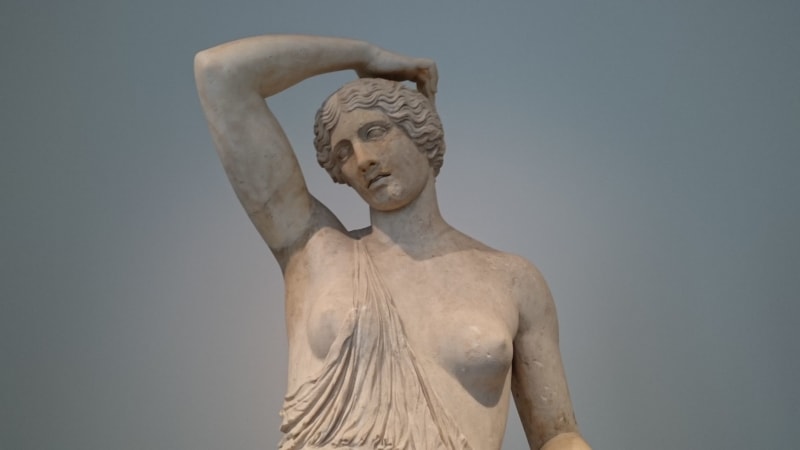
An ancient Greek city on a limestone hill above the Albanian plain, half-excavated and wholly unhurried, where a medieval monastery sits inside ruins that predate it by a thousand years.
Explore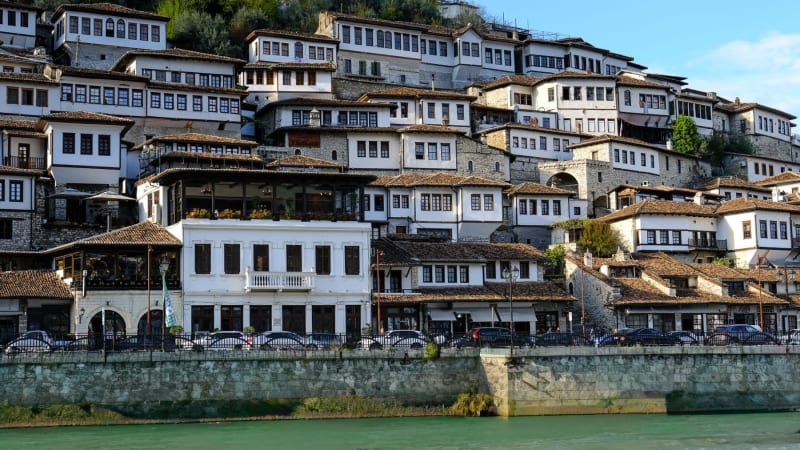 albania
 Berat
The 'City of a Thousand Windows' rises in white Ottoman tiers on a hillside above the Osum river, a UNESCO gem still undiscovered.
Explore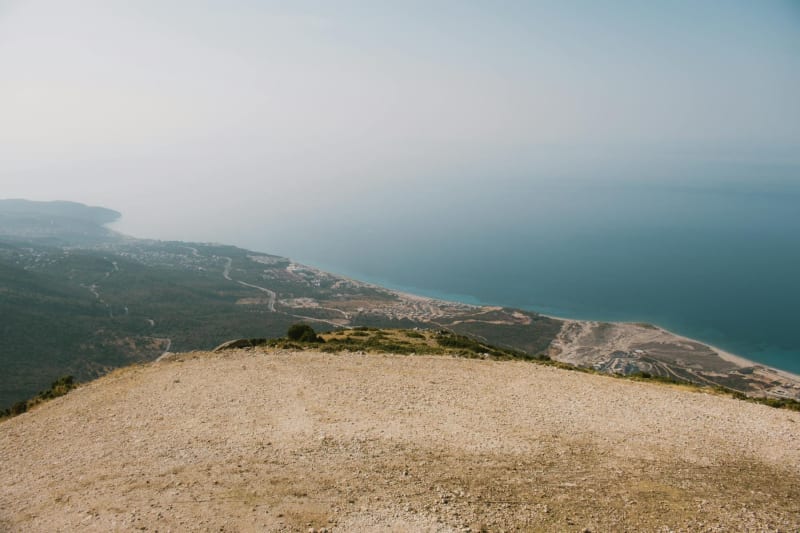 albania
 Durrës
Albania's second city hides a Roman amphitheater in its city center beneath Byzantine mosaics — then turns toward the Adriatic with its beach promenade.
Explore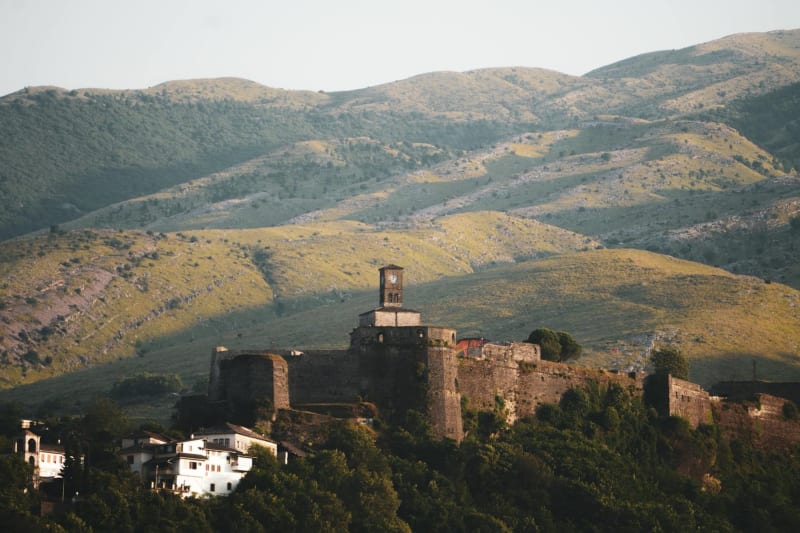 albania
 Gjirokaster
A silver-roofed mountain city of stone towers and a castle that watches over it like a patient patriarch — Enver Hoxha's birthplace.
Explore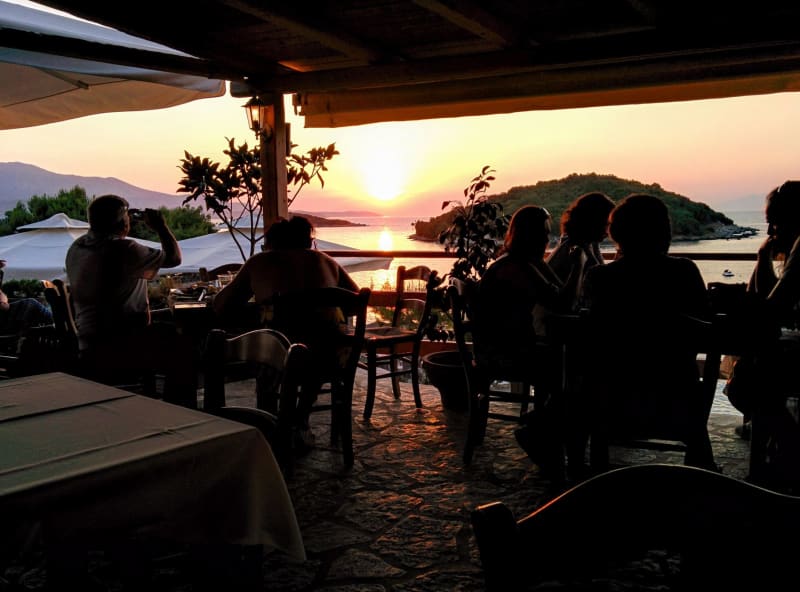 albania
 Ksamil
Three small uninhabited islands sitting in Ionian water so clear you can count the sea urchins from a paddleboard, and a seafood grill scene that hasn't forgotten what fresh means.
Explore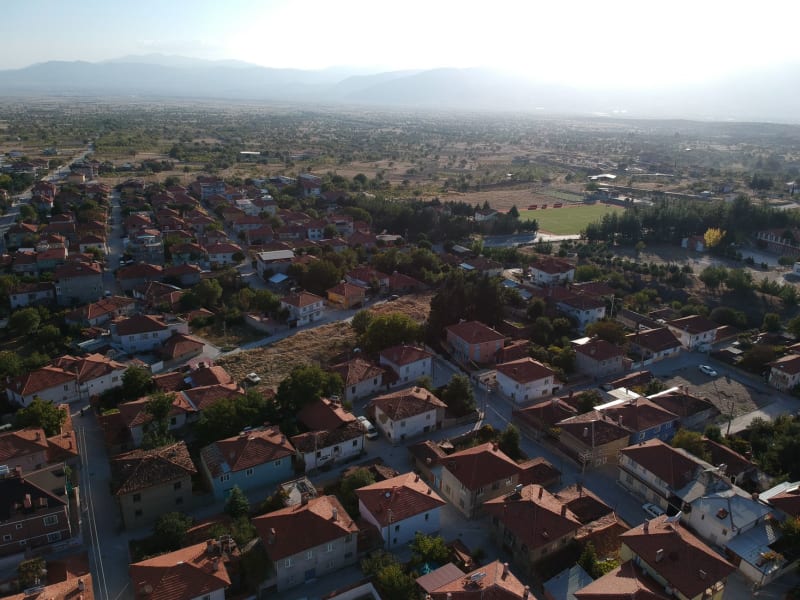 albania
 Përmet
A small river town in southern Albania's Vjosa valley where thermal pools steam inside a canyon, the local food is the best argument for staying longer, and the rose liqueur will follow you home in your bag.
Explore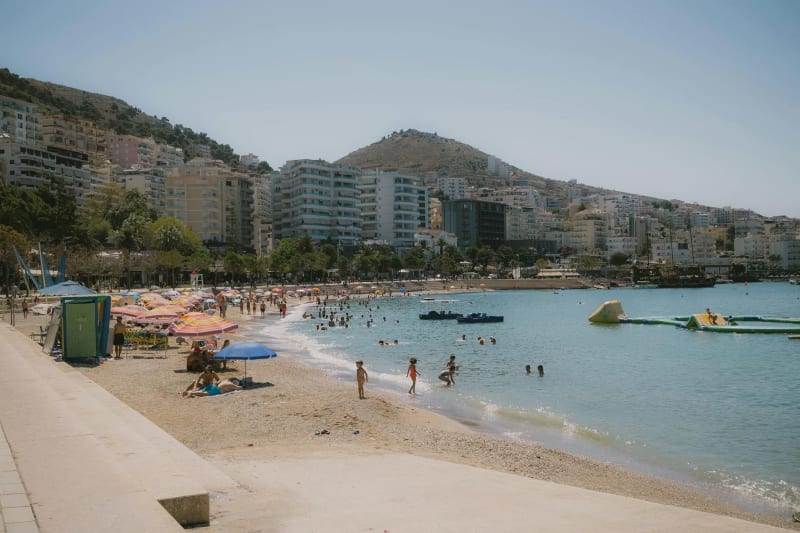 albania
 Saranda
The Albanian Riviera's gateway town glitters across the channel from Corfu, offering Ionian blues without the summer price tag.
Explore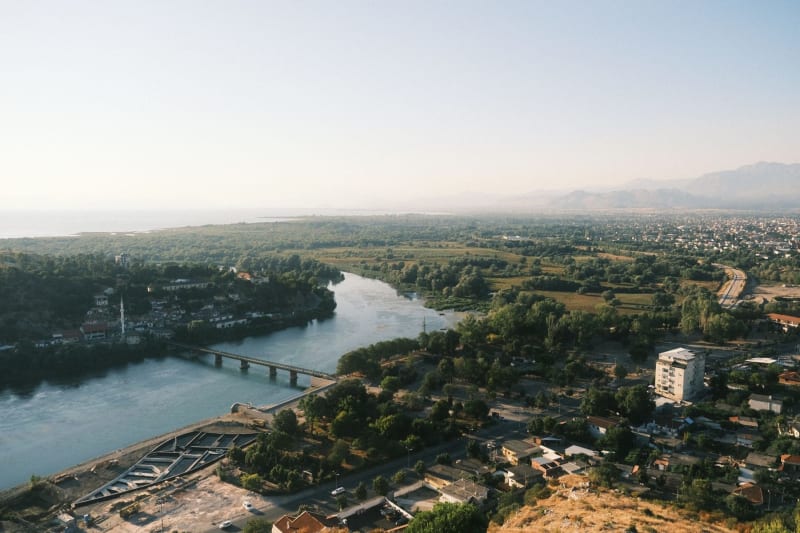 albania
 Shkoder
Gateway to the Albanian Alps, this ancient city beside Europe's largest Balkan lake moves at a bicycle pace through its own long history.
Explore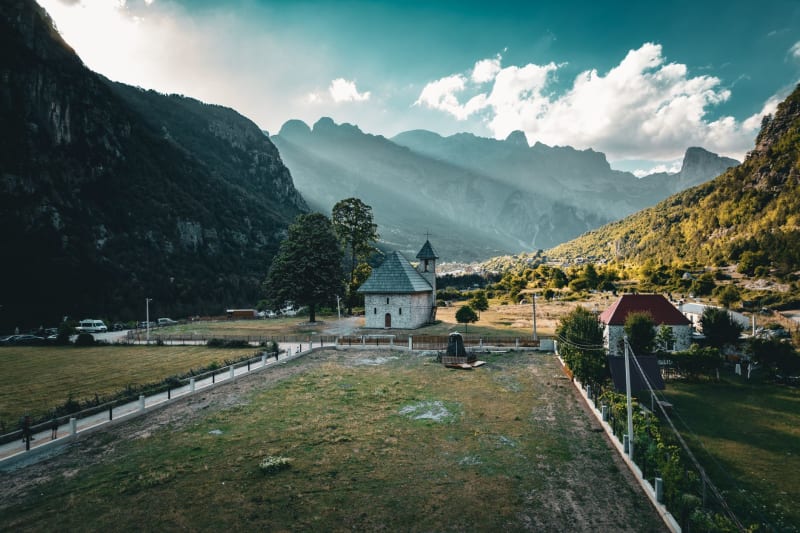 albania
 Theth
A stone village cupped in the Albanian Alps, where a white church, a blood-feud lock-in tower, and a waterfall keep watch over the wildest valley in the country.
Explore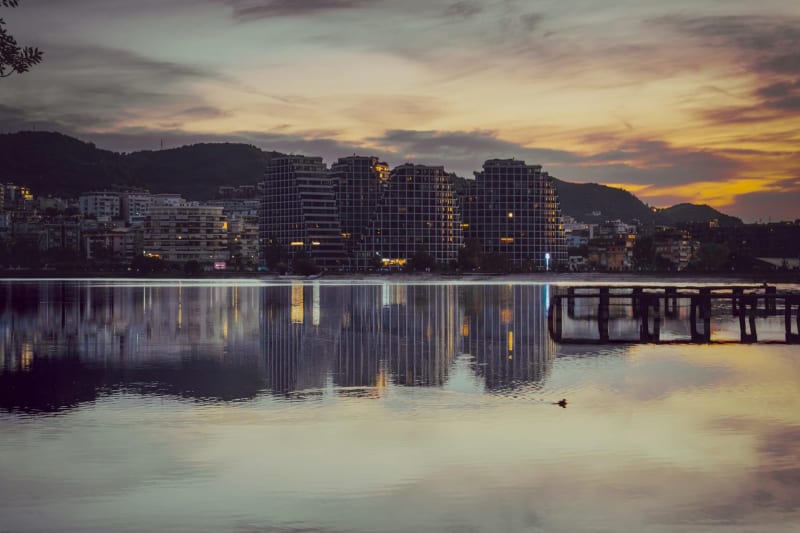 albania
 Tirana
Painted in colors to banish communist gray, Albania's lively capital has reinvented itself into one of Europe's most surprising cities.
Explore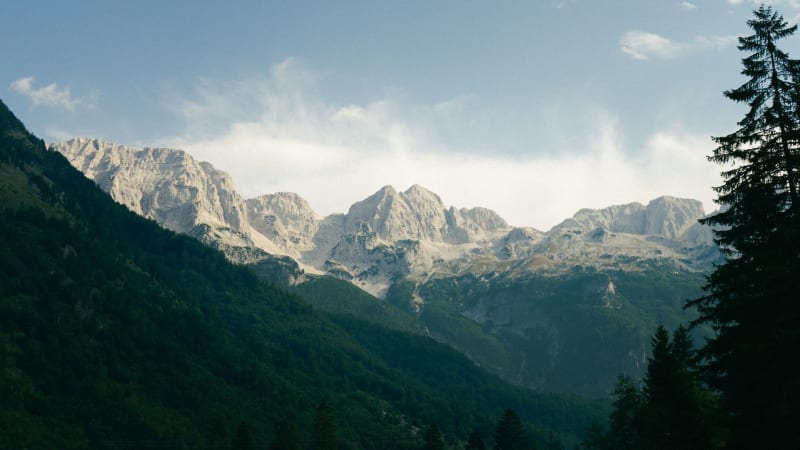 albania
 Valbona Valley
A cathedral of limestone peaks and glacial river light tucked into the Accursed Mountains, where guesthouses serve raki before you've even sat down.
Explore