Apollonia
"Two thousand six hundred years of human presence, and the site still feels like nobody's rushing you."
Albania has a way of distributing its ruins across the landscape with apparent indifference to signage, and Apollonia follows that logic. You turn off the main road near Fier, drive through a village, and then climb a low limestone hill where a thirteenth-century monastery appears inside the walls of a city founded by Corinthian Greeks in 588 BC. The juxtaposition is so casual it takes a moment to register.
The site was once a major port city — one of the most important in the Adriatic basin — until a series of earthquakes in 234 AD shifted the coastline and stranded it inland. What remains is a hilltop archaeological park with maybe two dozen other visitors on the day I went, a small museum inside the monastery church, and a view over the Albanian plain toward mountains on every side.
The Ruins Themselves
Apollonia’s most intact structure is the bouleuterion — a semicircular civic assembly hall from the second century BC with a colonnade that’s been partially restored and stands against the sky with considerable authority. Walking toward it through the olive trees, the scale registers slowly. This was not a village. This was a city of fifty thousand people, with streets, a forum, temples, and a school of philosophy that Julius Caesar apparently sent his nephew Octavian to study at. That nephew later became Augustus.
The stonework underfoot shifts between Greek and Roman and Byzantine layers, and the excavations are ongoing — you can see freshly exposed sections roped off near the main path. There’s something honest about a site that’s still actively becoming understood. The curators aren’t pretending it’s finished.
The Monastery Inside the City
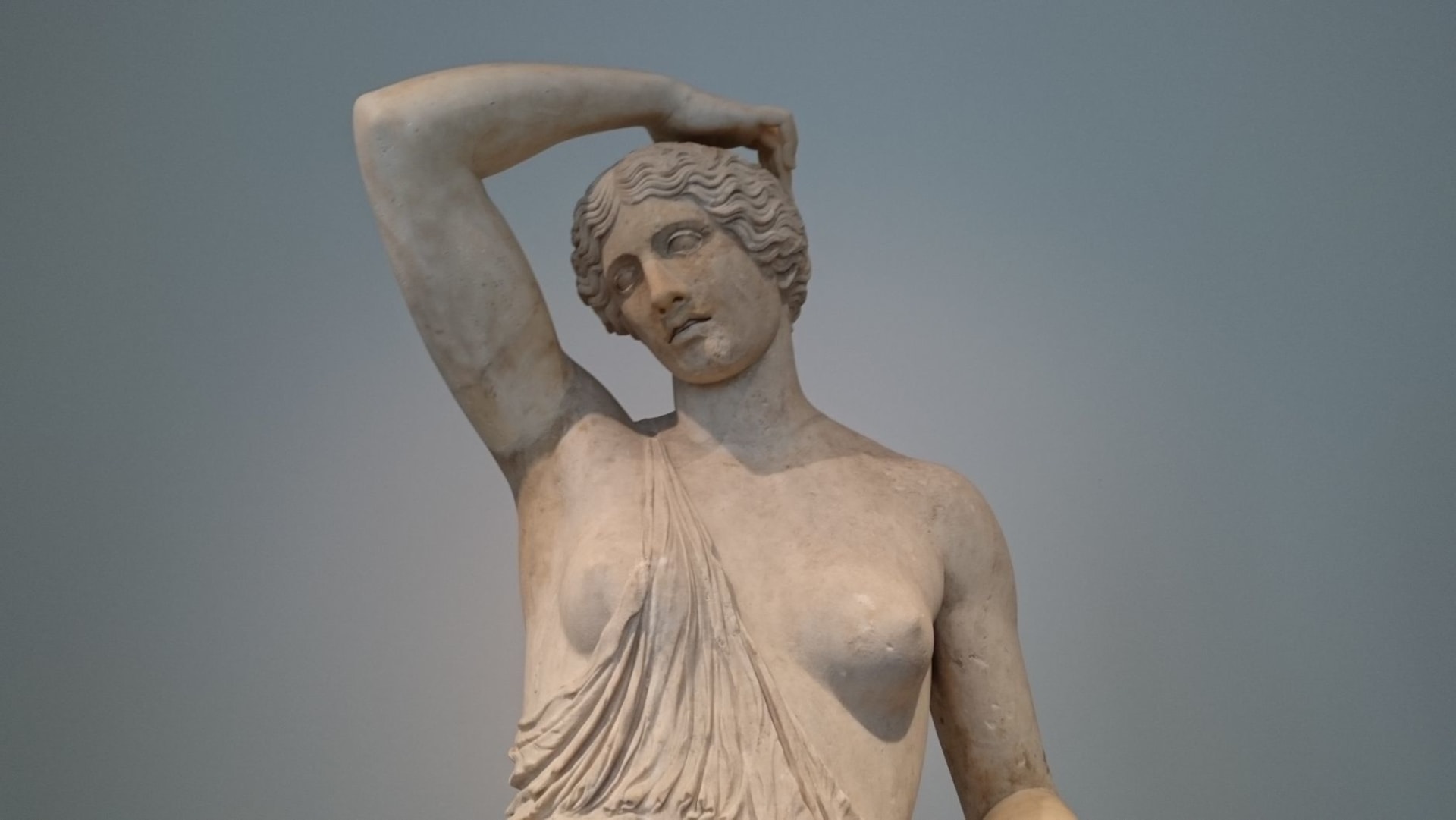
The Monastery of Saint Mary of Apollonia was built in the thirteenth century using, inevitably, stones quarried from the ruins immediately around it. The architecture is Romanesque-Byzantine with a small dome and carved details around the portal that suggest craftsmen who took their work seriously. Inside, the museum holds a collection of coins, pottery, and sculpture pulled from the site over decades of excavation — modest by the standards of major archaeological museums, but the coins especially have a quality of realness that glass cases in capital cities sometimes strip away.
I spent more time in the monastery courtyard than I’d planned. There’s a fig tree there of significant age and a stone bench in the shade. The afternoon was hot. Nobody appeared to be monitoring how long I sat.
The Surrounding Landscape
The hill gives a clear view over the Myzeqe plain — flat, agricultural, stretching west toward the coast. Ancient writers mentioned Apollonia’s beautiful setting, and whatever erosion of that beauty has happened since, the light on the plain in the afternoon is still worth noting. The olive groves around the site are old enough that some might predate the monastery, and they give the whole hilltop a grounded, Mediterranean quality that ruins set in scrubland don’t always manage.
Getting here is easiest with your own vehicle from Fier or Berat, though shared taxis exist. The site is compact enough to cover in two to three hours, and combining it with Berat — forty minutes east — makes sense as a day.
When to go: Spring (April to June) is ideal, when the hillside vegetation is green and temperatures are manageable for walking the site. September and October also work well. Midsummer heat on exposed limestone is genuine — bring water and go in the morning.