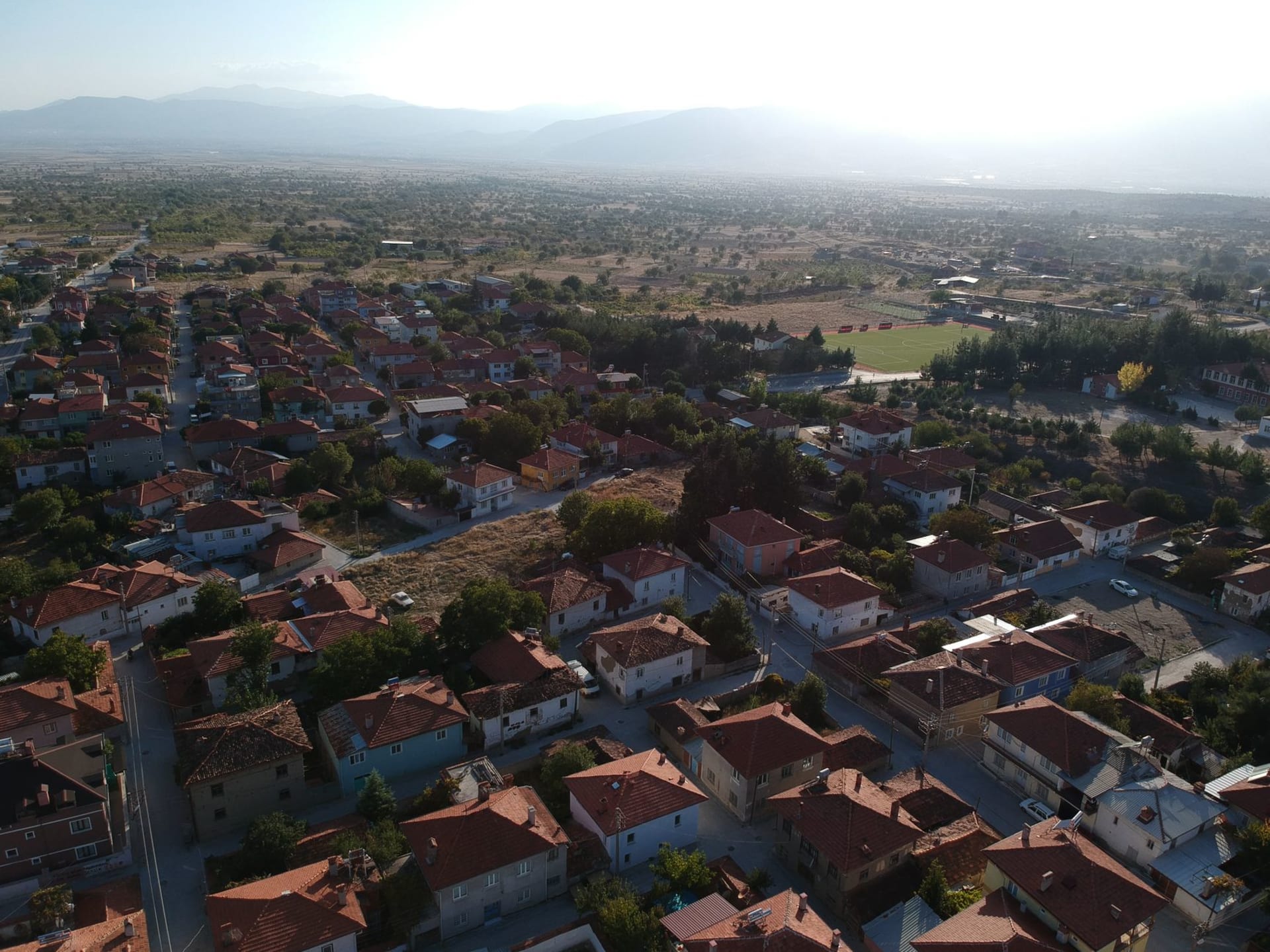
Përmet
"Albanians kept telling me the food in Përmet was different, and I kept not quite believing them until I arrived."
Southern Albania has a tendency to hide its best places slightly off the most obvious route, and Përmet is a strong example of this. It sits in the Vjosa River valley about forty kilometers northeast of Gjirokastër, accessible by a road that winds through scenery dramatic enough to make you forget you’re looking for somewhere specific. The town itself is small — maybe twelve thousand people — and operates at a pace that makes you recalibrate your expectations about how quickly things need to happen.
I arrived on a morning when the market was still running along the main street, and the smell that hit me first was of roasting peppers and something herbed and meaty from a nearby burek shop. I bought a byrek with wild greens and ate it walking. This was, in retrospect, an accurate introduction.
Benja and the Thermal Pools
Three kilometers outside town, the Benja thermal pools are the kind of natural feature that makes you wonder why the place isn’t more overrun with tourists. The Langarica canyon cuts through limestone and the Lëngëzë River runs through it, and at one point along the canyon floor, hot springs emerge into natural rock pools right beside the cold river water. You can sit with your left side in 38-degree thermal water and your right hand in a river cold enough to make you inhale sharply.
A restored Ottoman bridge — the Ura e Kadiut — spans the canyon nearby. It’s small and elegant and almost certainly older than it looks. I crossed it twice for no reason except that it was there and beautiful.
The canyon walk itself is worth doing beyond the pools: the walls close in overhead, the sound of water amplifies, and there’s a quality of enclosure that feels unexpectedly intimate for a place with no roof.
Eating in Përmet
Albanians from other parts of the country will specifically tell you to eat in Përmet, which is high praise in a food culture that already takes eating seriously. The regional specialties lean into the valley’s agriculture: slow-cooked lamb with wild mountain herbs, qifqi (rice fritters made with eggs and local herbs that appear nowhere else in quite this form), honey from nearby hives, soft white gjizë cheese, and ferges built with peppers from the surrounding fields.
We ate dinner at a family restaurant where the menu wasn’t written down. The owner came out, asked what we wanted to avoid, and then brought dishes in sequence for the next ninety minutes. A lamb shoulder that had been cooking since morning. A salad of roasted red peppers with walnuts and garlic. Cornbread with a dense, slightly sweet crumb that I kept reaching for. The price for two, with a bottle of wine and raki to finish, was embarrassingly reasonable.
The Rose and the Liqueur
Përmet is known throughout Albania for its roses and for the liqueur produced from them. In late spring the hillsides around town are planted with rosa damascena, and the petals go into a pink liqueur called Trëndafil that’s sweet and floral without being cloying. You can find it in small shops around the main square, usually in unlabeled bottles or simple paper-wrapped glass. I bought two bottles. Both made it home.
The town also sits within reach of Kelcyrë canyon and the Vjosa — one of the last wild rivers in Europe — which conservation efforts are slowly turning into a national park. The river here moves with the particular green clarity of glacial melt and looks, from the road, like something that belongs in a nature documentary.
When to go: Late April through June is exceptional — the roses are blooming, the Benja pools are warm but not crowded, and the valley is fully green. September offers similarly pleasant conditions with the added advantage of harvest. Midsummer can be hot but the canyon pools provide relief.