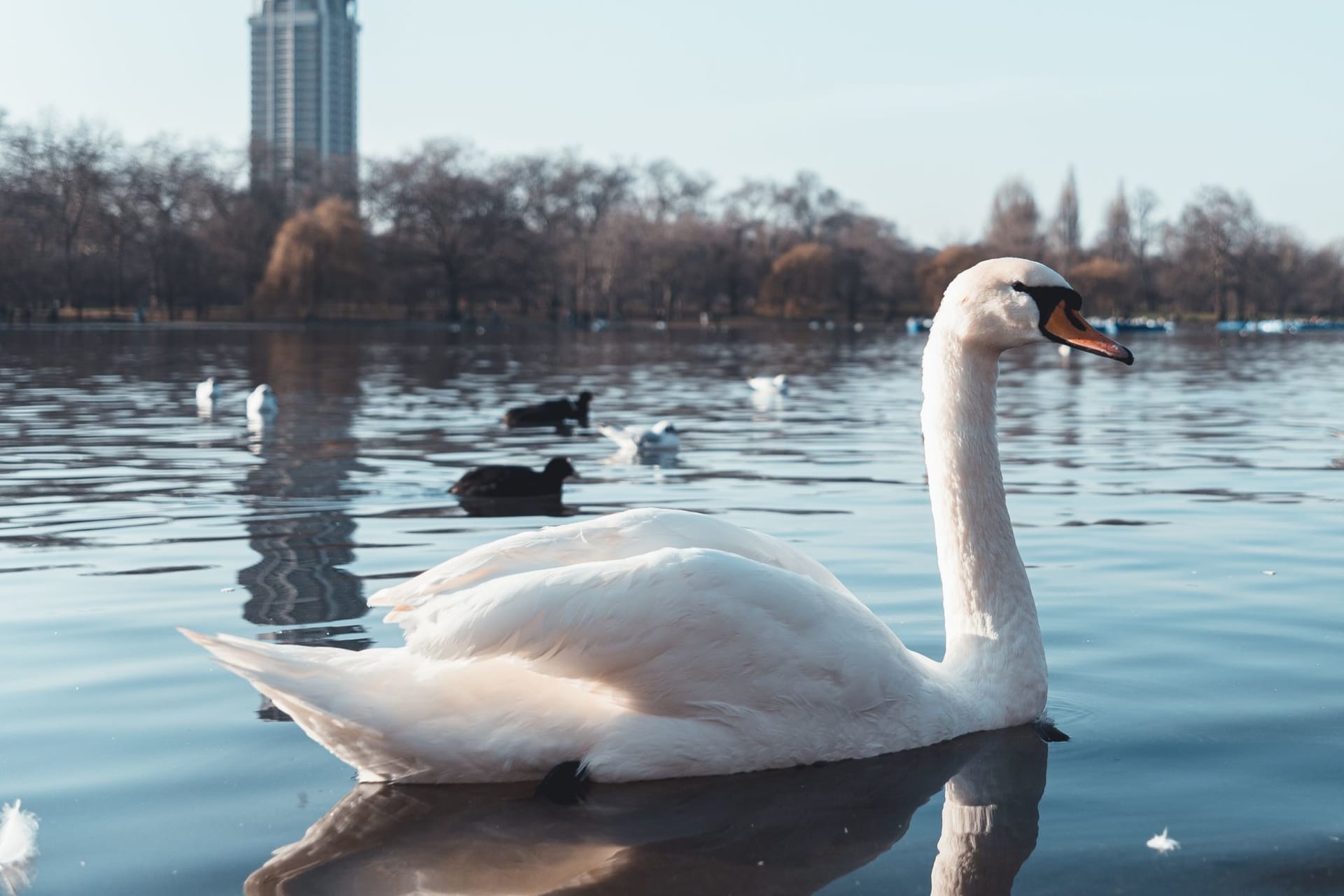
Hyde Park
"In Hyde Park, the Hudson River seems to have collected every American ambition on its banks, one estate at a time."
A Hudson Valley village of Gilded Age estates and presidential history, where Franklin Roosevelt's modest home sits improbably among the grandest mansions on the river. Lia and I came for a single museum visit and lost an entire day to gardens, gravestones, and river views.
Lia and I drove up to Hyde Park on a crisp October morning, following the river road north from Poughkeepsie past stone gateposts and long allées of maples that hinted at the estates hidden behind them. This stretch of the Hudson Valley became, in the late nineteenth century, a kind of country retreat for America’s wealthiest families, and Hyde Park still holds three of their houses within a few miles of each other — the modest, in Gilded Age terms, home of a president, and two mansions built with money that made the presidency look understated. We hadn’t expected the day to feel so much like time travel through American class.
Springwood and the Roosevelt legacy
Franklin Delano Roosevelt was born, lived, and is buried at Springwood, the family estate that anchors the National Historic Site here, and walking through its comparatively unpretentious rooms — the study where he broadcast his fireside chats, the wheelchair tucked discreetly beside his desk — gave a strange intimacy to a presidency I’d only known from photographs. Lia was drawn instead to the rose garden out back, where FDR and Eleanor are buried beneath a plain marble monument, no epitaph beyond their names and dates. The adjoining Presidential Library, the first ever built by a sitting president, held letters and campaign ephemera that made the man feel newly, oddly human.
The Vanderbilt Mansion and the river
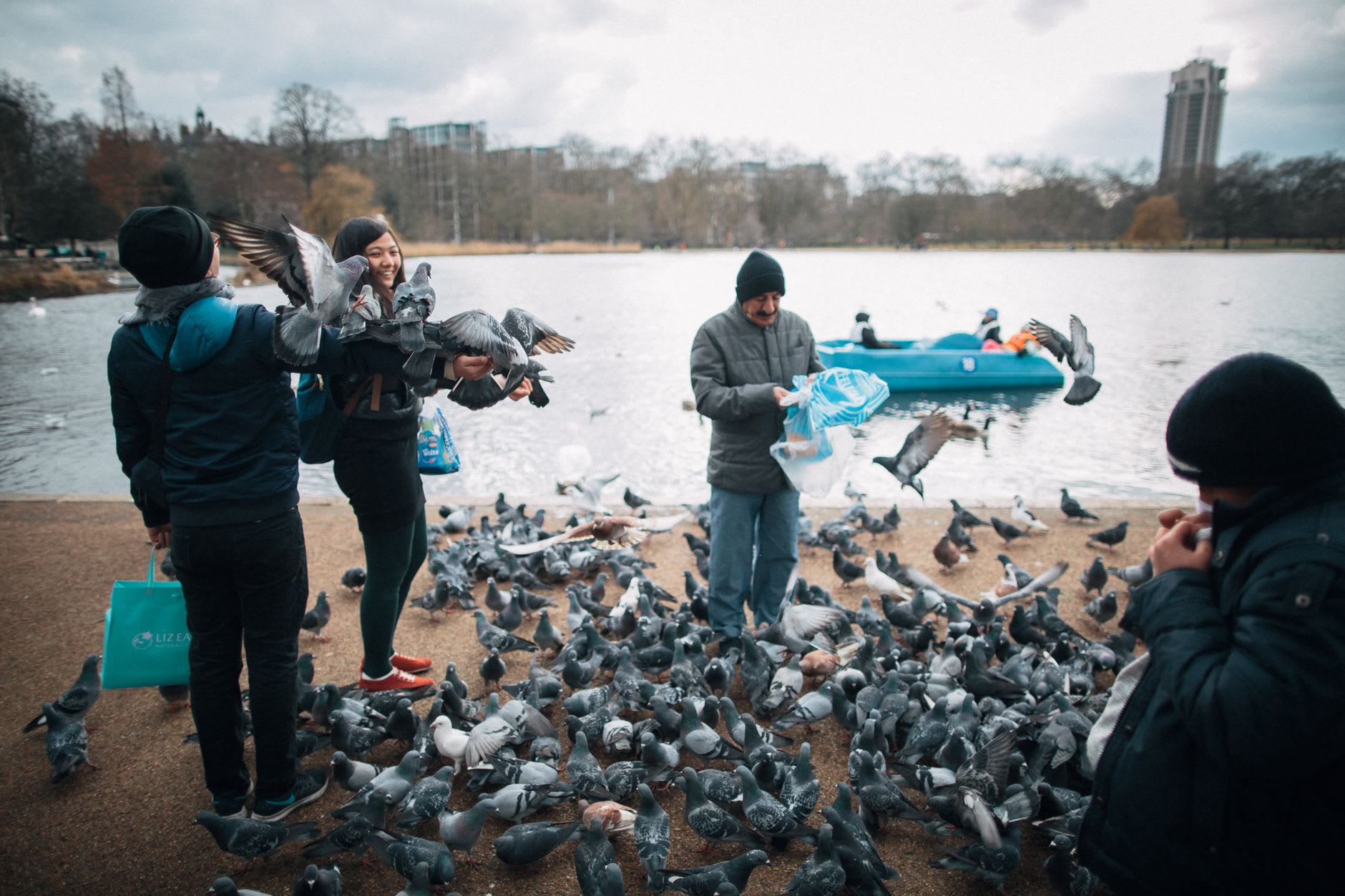
A short drive north, the Vanderbilt Mansion made Springwood look positively humble. Built by Frederick Vanderbilt as a fifty-room Beaux-Arts “country home,” its formal Italian gardens terrace down toward the Hudson, and we walked the riverside path as the afternoon light turned the water the color of hammered pewter. Lia pointed out that the mansion was used only a few weeks a year, which somehow made its scale more absurd rather than less. We ended the visit at the bluff behind the house, looking out over the river toward the Catskills, and agreed that whatever else Gilded Age money bought, it bought unbeatable real estate.
Getting There
Hyde Park sits about ninety miles north of New York City, roughly two hours by car via the Taconic State Parkway, or a similar journey by Amtrak to Poughkeepsie followed by a short taxi ride, since Hyde Park itself has no train station. Stewart International Airport near Newburgh is the closest regional option, while most travelers fly into New York City and drive north. A car is genuinely useful once there, since the historic sites are spread a few miles apart along Route 9.
Keep exploring
More of New York
Keep exploring
More from New York
 united-states
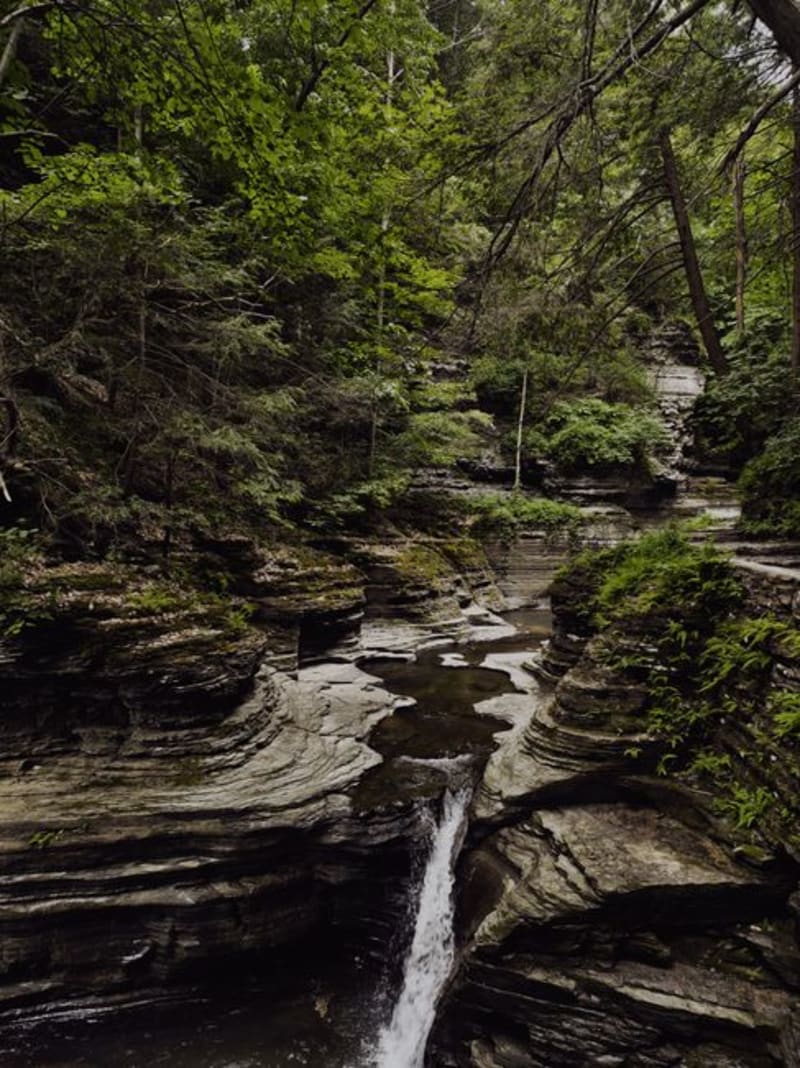
 Ithaca
A New York college town where the land splits open into gorges and the water never stops falling. Cayuga Lake stretches north for miles, cold and clean, and the whole place smells of wet stone and hemlock. We came for a weekend and kept finding excuses to stay.
Explore united-states
 Lake George
A long, startlingly clear lake at the southeastern edge of the Adirondacks, ringed by wooded mountains and dotted with islands. Steamboats still ply its water and a colonial fort still guards its foot. The lake they once called the Queen of American Lakes.
Explore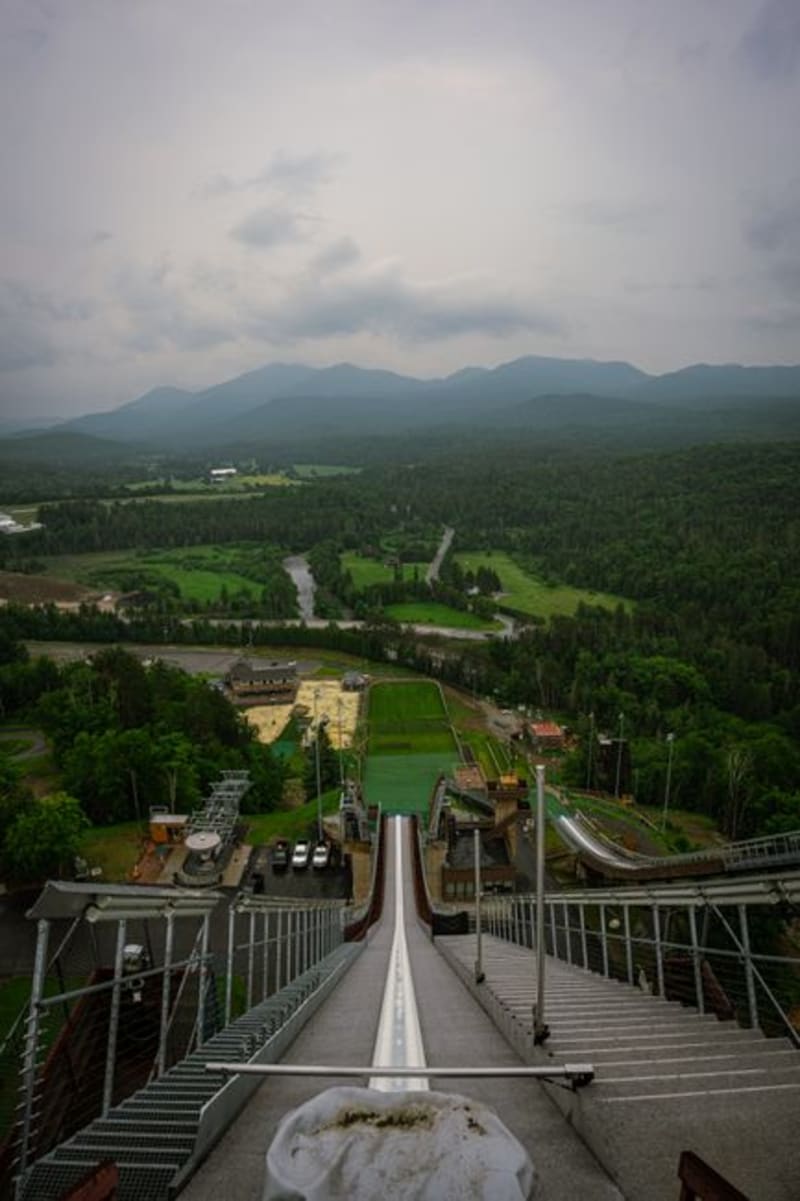 united-states
 Lake Placid
An Adirondack village cupped between forested peaks and cold mirror lakes, where twice the winter Olympics came and never quite left. Lia and I found ski jumps rising over pine, a main street that smells of woodsmoke, and water so still at dawn it doubles the mountains.
Explore united-states
 Lower Manhattan
The original New York — where graffiti alleys open onto hidden restaurants, cast-iron facades glow at blue hour, and the city keeps going long after you've decided to stop.
Explore united-states
 Midtown Manhattan
Broadway's beating heart — where you walk north from downtown into a different city entirely, and a night at the theatre becomes the kind of evening New York was built to produce.
Explore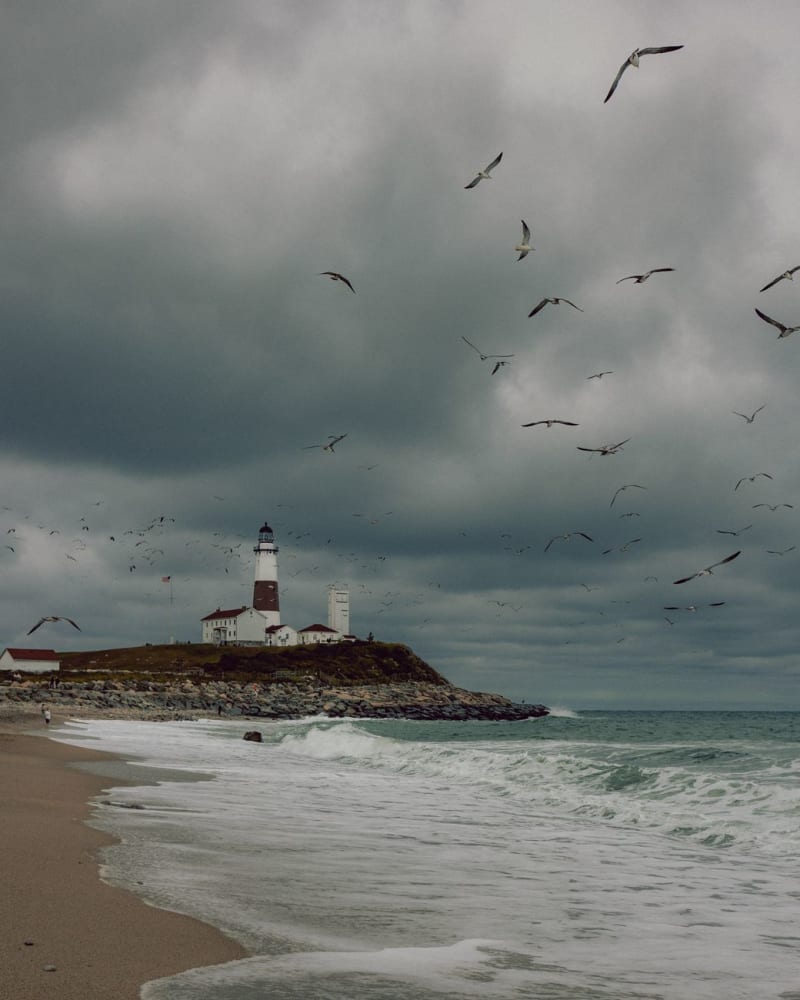 united-states
 Montauk
The last stop on Long Island, where the Hamptons' polish gives way to a windswept fishing town of surf shacks and a lighthouse standing sentinel over the Atlantic. Lia and I drove out at dawn and stayed until the last ferry lights blinked on, unwilling to leave the edge of the world.
Explore