Europe
Ukraine
"The country that refuses to be simple, and earns every complication."
Lviv's Habsburg coffee houses, sunflower fields rolling to every horizon, and a culture fierce enough to survive anything — Ukraine is Eastern Europe's most unexpectedly layered country.

I arrived in Lviv on a sleeper train from Warsaw, stepped onto the platform before dawn, and walked out into a city that looked like someone had lifted a Viennese side street and dropped it into a different century entirely. The cobblestones, the ornate facades, the smell of coffee drifting from a café that had probably been serving the same blend since 1890 — none of it matched what I thought I knew about Ukraine. That gap between expectation and reality is the defining experience of traveling here, and it never quite closes.
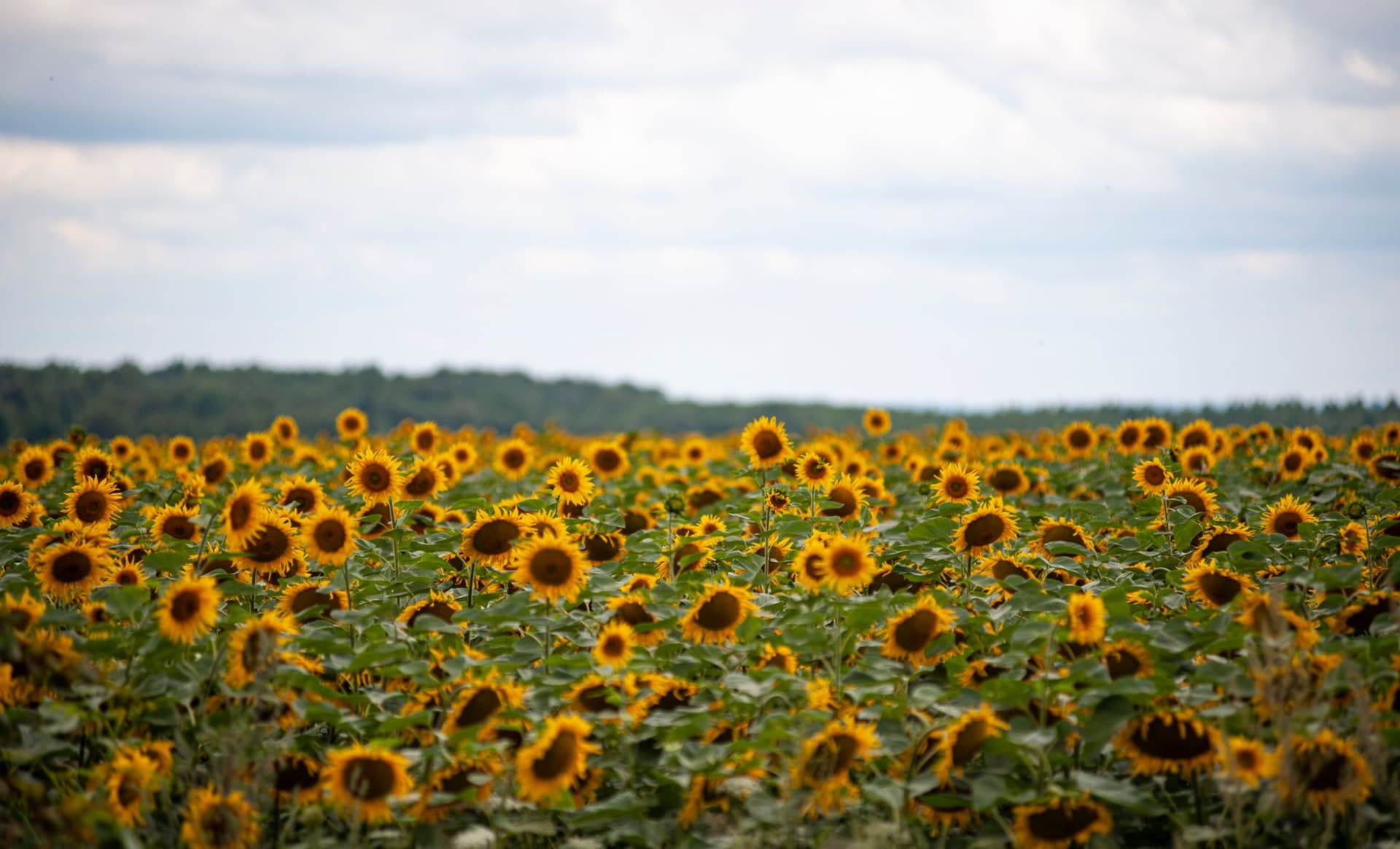
Lviv is the easy starting point and the one that tends to ruin everything else for you. The old town is a World Heritage Site, but it wears that status lightly — the churches are still being prayed in, the market squares are still being lived in, the coffee houses still treat the ritual of an afternoon espresso as a serious philosophical position. The food scene runs deep: borscht prepared with the kind of attention that makes you understand why people argue about the recipe, varenyky stuffed with potato and farmer’s cheese and served with sour cream, deruny potato pancakes fried until the edges go crackling and gold. I ate badly nowhere in Lviv, which is more than I can say for most cities I’ve visited in Western Europe at twice the price. Beyond the city, the Carpathian Mountains begin — green and unhurried and full of wooden churches that predate almost everything I’ve seen in the Alps. The sunflower fields between the villages in summer are the kind of thing you see once and never fully explain to anyone at home.
Kyiv is a different scale entirely: a capital built for ambition, with golden-domed monasteries above the Dnipro river, wide Soviet boulevards that somehow still feel human at street level, and a food and art scene that had been rewriting itself with furious energy for years. The Podil neighborhood, the Andriyivsky Descent lined with artists and vendors, the covered market at Bessarabska — Kyiv had learned how to be interesting long before the world started paying attention.
When to go: May to September for warmth and the full bloom of the countryside. Late May and early June hit the sunflower fields in the south and west at their peak. September brings cooler days and emptier roads. Winter is harsh but Lviv in snow, with Christmas markets in the main square, is one of the more beautiful things I’ve seen in Europe.
What most guides get wrong: They treat Ukraine as a country defined entirely by its current conflict or its Soviet past, and miss the texture underneath — the Austro-Hungarian legacy in the west, the Cossack history in the east, the distinctly Ukrainian culinary tradition that has nothing to do with Russian food and everything to do with soil and seasons and a people who have been feeding themselves from this land for centuries. Lviv alone is worth a week. Most guides give it a paragraph.
Explore
Places in Ukraine
 ukraine
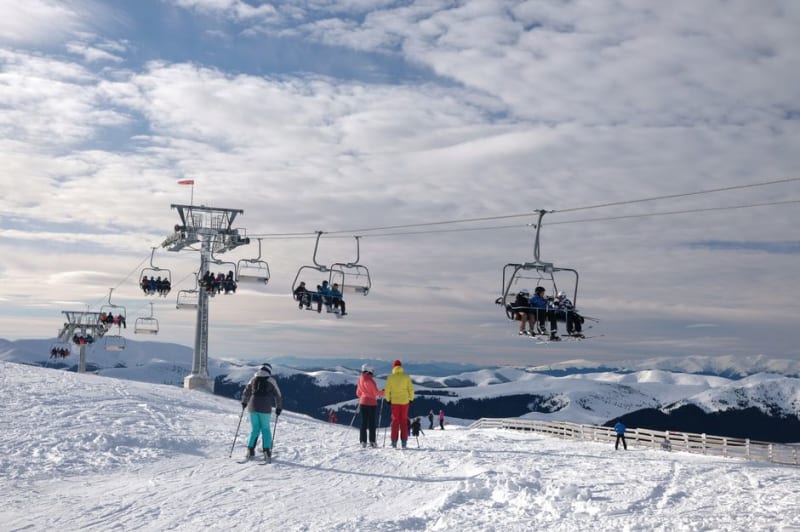
 Bukovel
Ukraine's biggest ski resort, tucked into forested Carpathian slopes, where I learned that Eastern European ski culture runs on cheap mulled wine and long lift lines.
Explore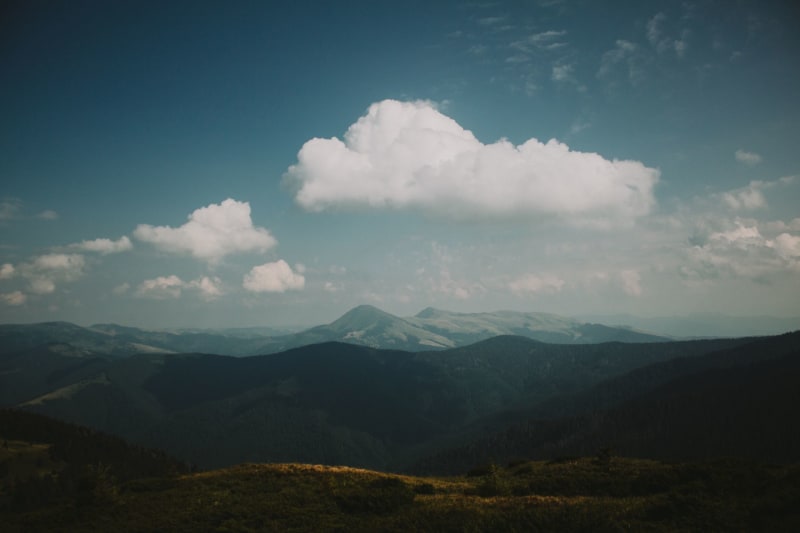 ukraine
 Ukrainian Carpathians
A range of forested ridges and highland villages where Hutsul embroidery patterns are as old as the mountains, and the air at altitude tastes like pine resin and cold water.
Explore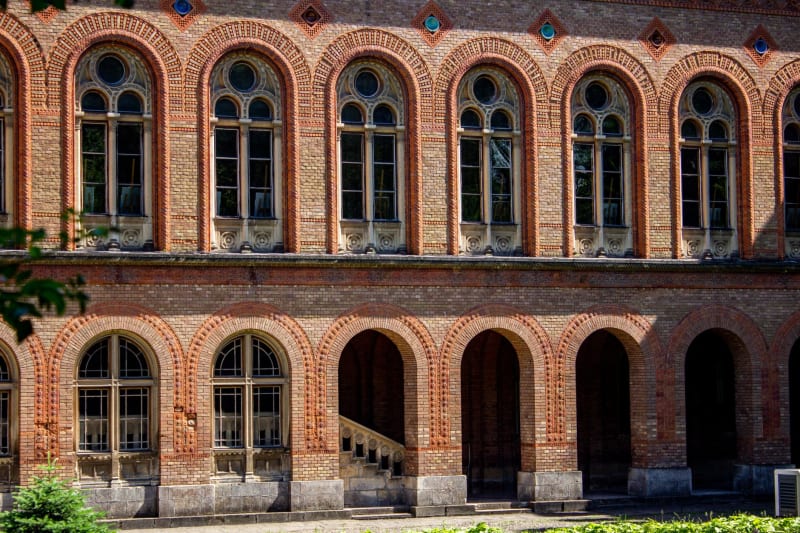 ukraine
 Chernivtsi
An Austro-Hungarian jewel at the edge of the Carpathians, where a palatial university dominates the skyline and four languages have always competed for the same café table.
Explore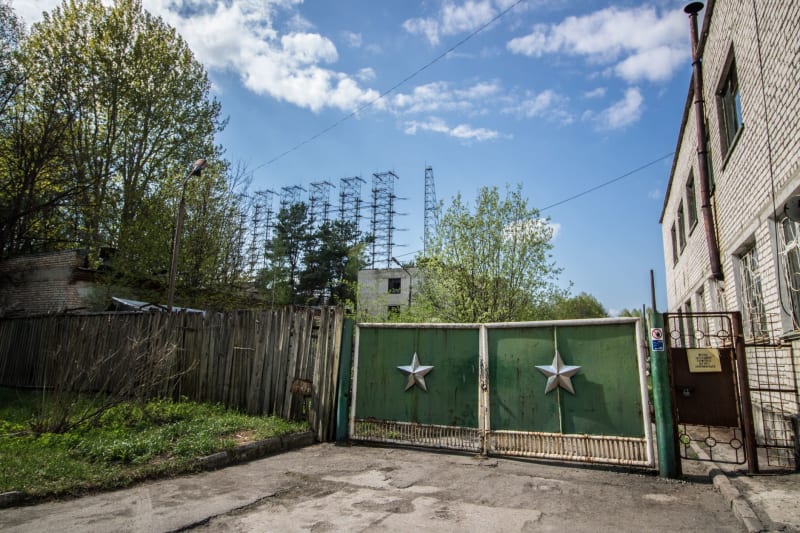 ukraine
 Chernobyl & Pripyat
The exclusion zone around the 1986 nuclear disaster, where a Soviet city frozen mid-evacuation and a forest slowly reclaiming everything pose the most uncomfortable questions travel can ask.
Explore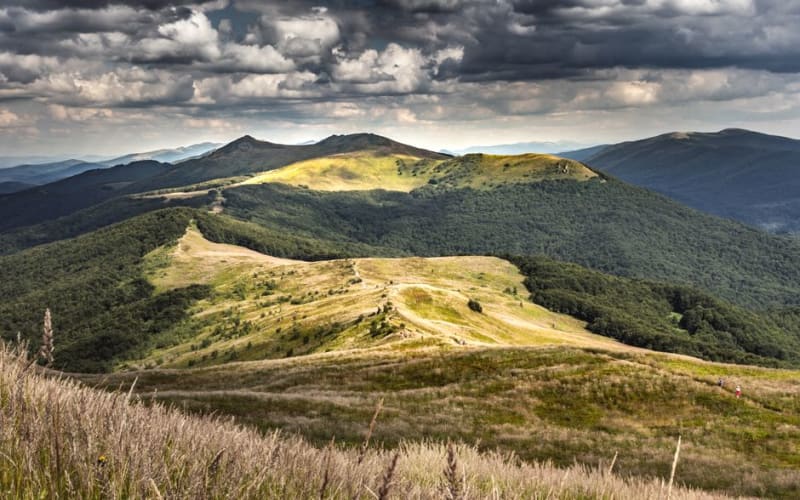 ukraine
 Chornohora
The highest ridge in the Ukrainian Carpathians, a long exposed spine of grassy peaks I hiked for two days to stand on Hoverla, the country's roof.
Explore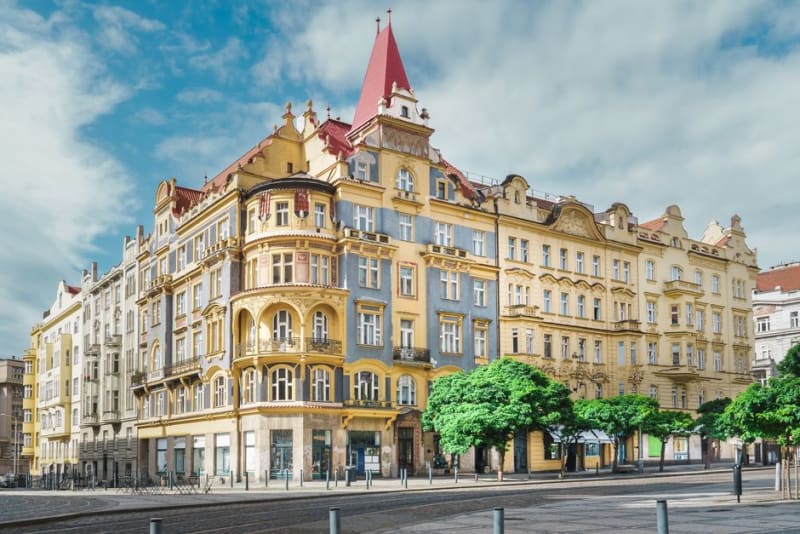 ukraine
 Ivano-Frankivsk
An elegant art-nouveau city in western Ukraine where I drank the best coffee of my trip on a square that felt like a smaller, quieter Lviv.
Explore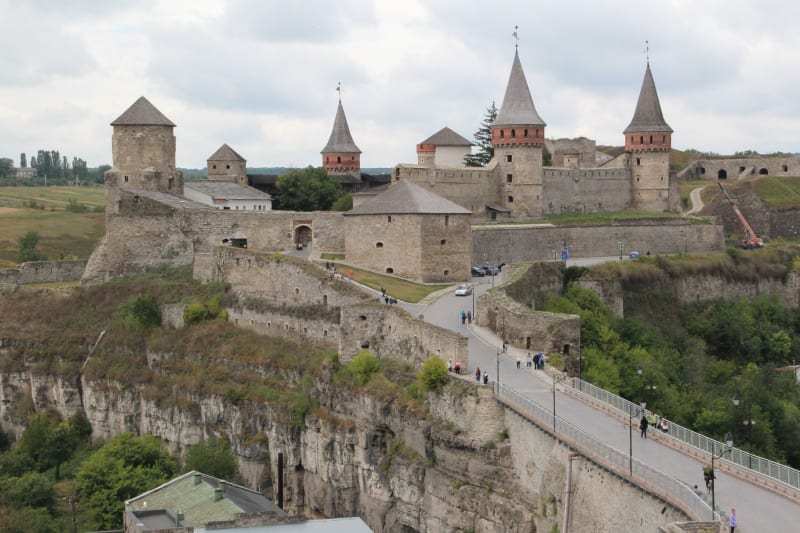 ukraine
 Kamianets-Podilskyi
A medieval city on a natural island in a canyon of the Smotrych River, anchored by one of Eastern Europe's most dramatically sited fortresses.
Explore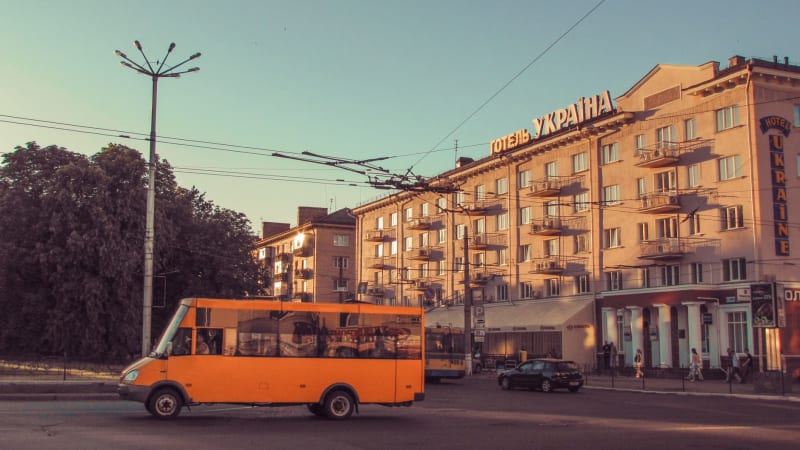 ukraine
 Kharkiv
Ukraine's second city and former Soviet capital, a place of utopian modernist squares, intense university energy, and an industrial seriousness that doesn't bother softening itself for visitors.
Explore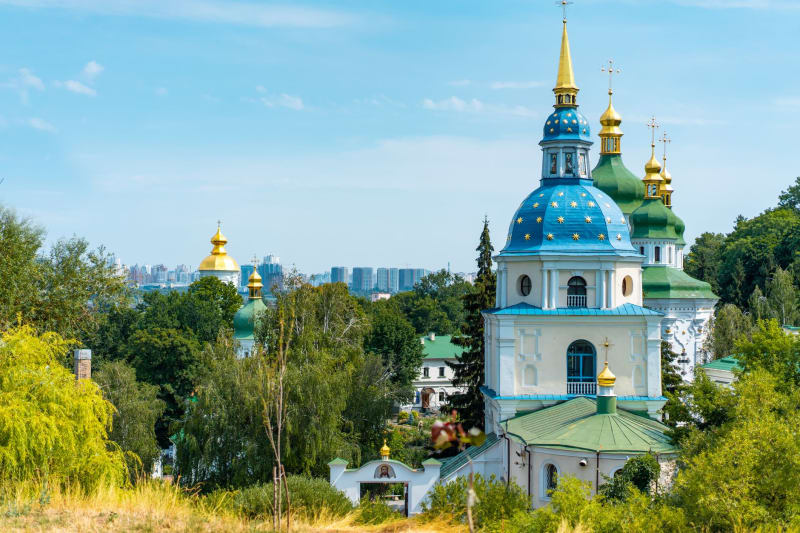 ukraine
 Khotyn
A 10th-century fortress on a limestone bluff above the Dniester River, one of the best-preserved medieval strongholds in Eastern Europe and almost entirely undiscovered by Western visitors.
Explore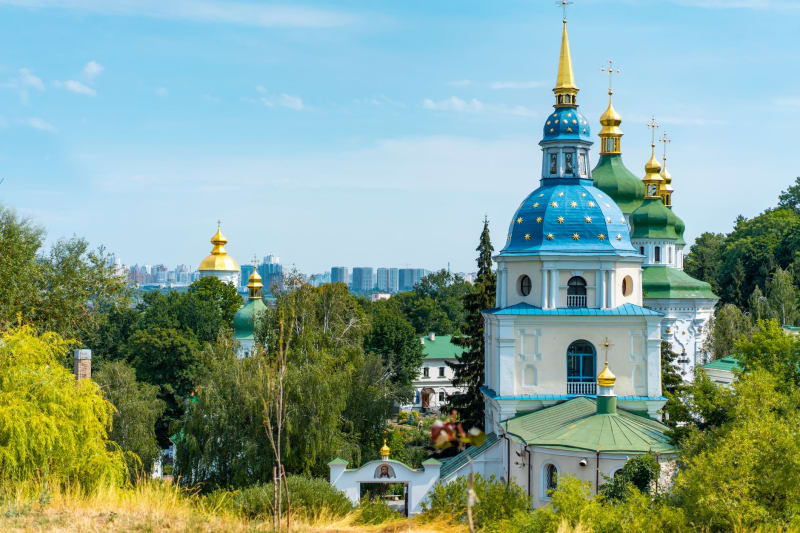 ukraine
 Kyiv
A city of golden domes and defiant energy, where thousand-year-old monasteries share a skyline with Soviet brutalism and the restless present.
Explore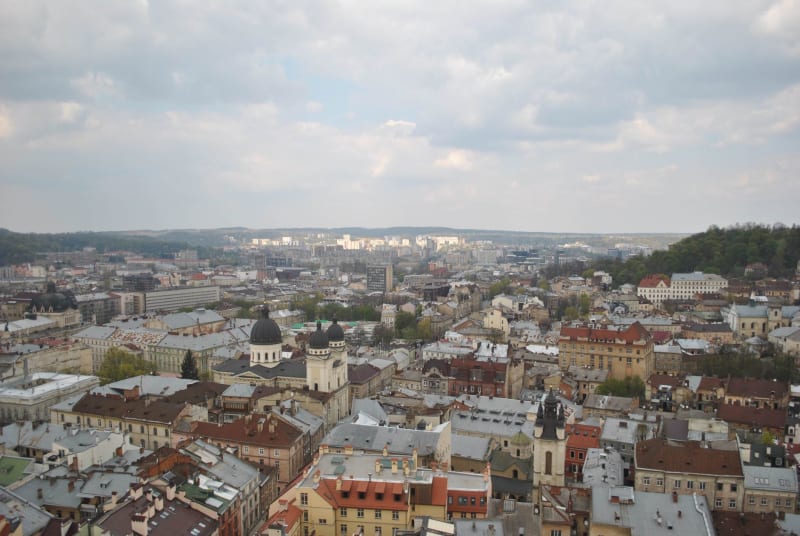 ukraine
 Lviv
Ukraine's most central-European city, a place of Austro-Hungarian squares, obsessive coffee culture, and a stone-carved old town that feels like it was designed for lingering.
Explore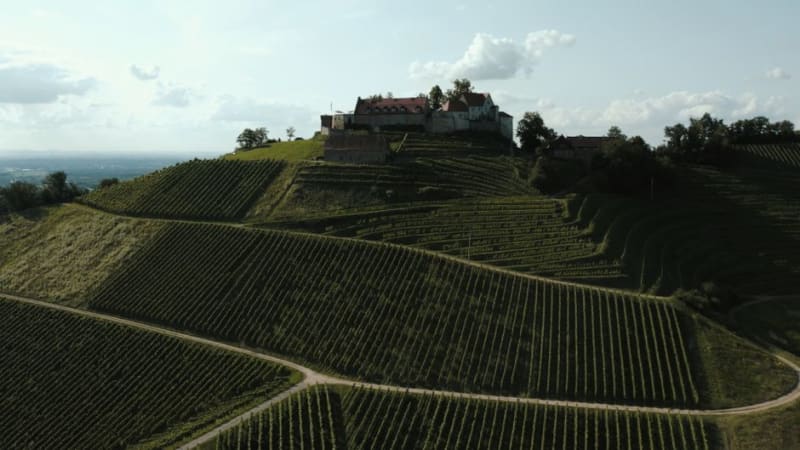 ukraine
 Mukachevo
A quiet Transcarpathian town crowned by Palanok Castle, where Lia and I wandered vineyard roads and drank young wine straight from a plastic bottle.
Explore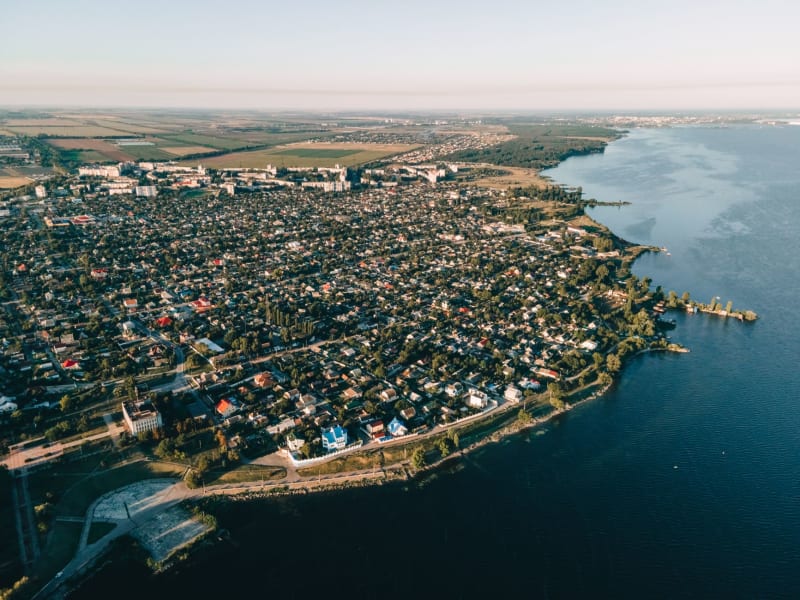 ukraine
 Odesa
A Black Sea city of grand staircases, peeling stucco, and a cosmopolitan swagger that smugglers and writers have always found irresistible.
Explore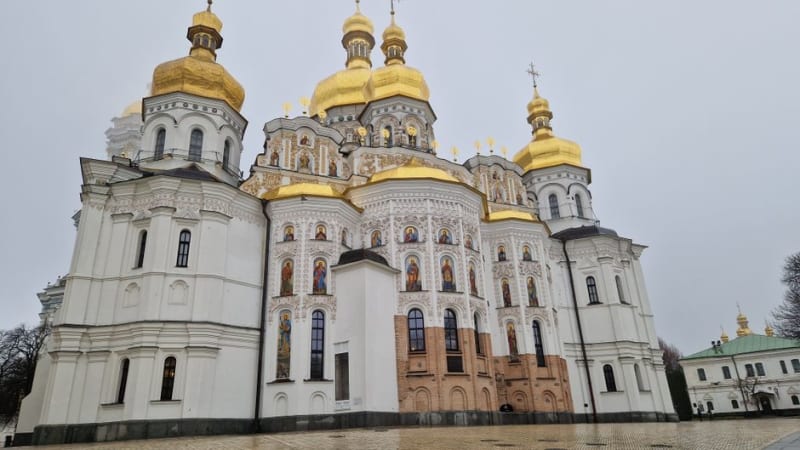 ukraine
 Pochayiv
A small pilgrimage town built entirely around the golden-domed Pochayiv Lavra, where I stood among chanting pilgrims and felt genuinely out of place, in a good way.
Explore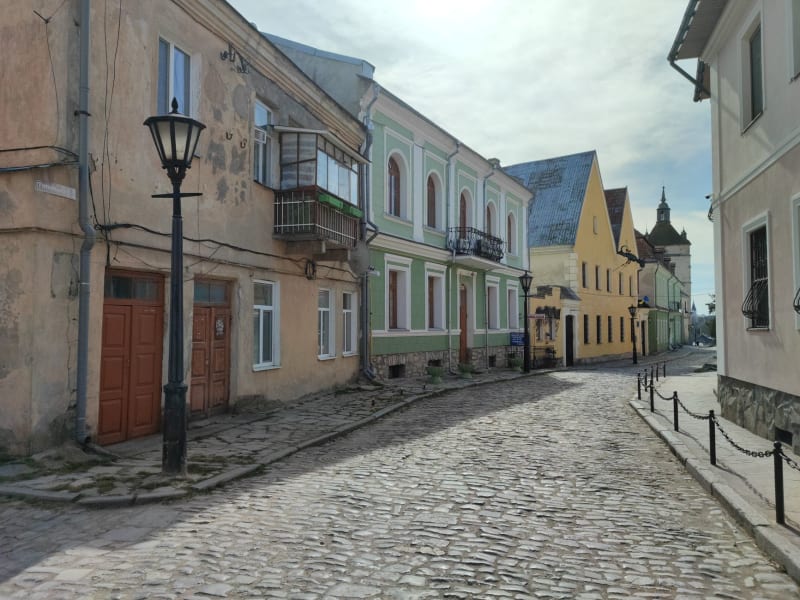 ukraine
 Poltava
A graceful city on the central Ukrainian steppe where a pivotal 1709 battle still shapes the landscape, and the tradition of Ukrainian folk craft survives in its most living form.
Explore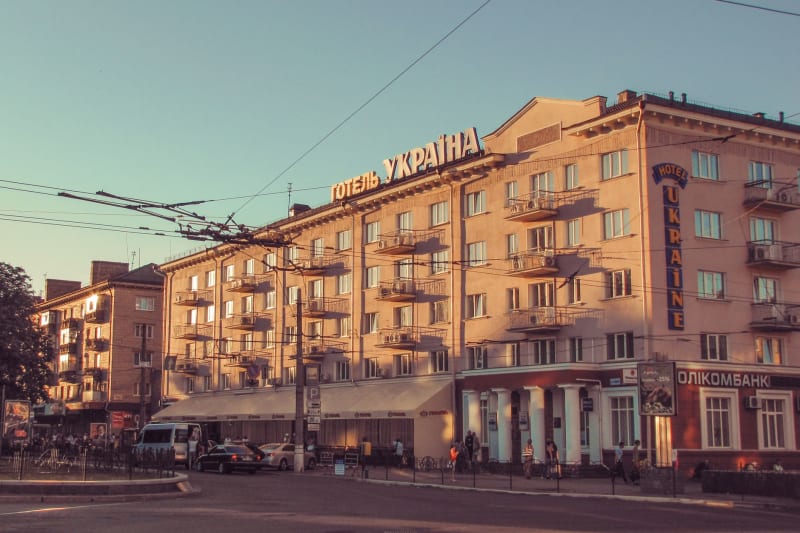 ukraine
 Uman
A provincial town in central Ukraine that hides one of Europe's strangest and most beautiful landscape gardens, built by a count for the woman he loved.
Explore