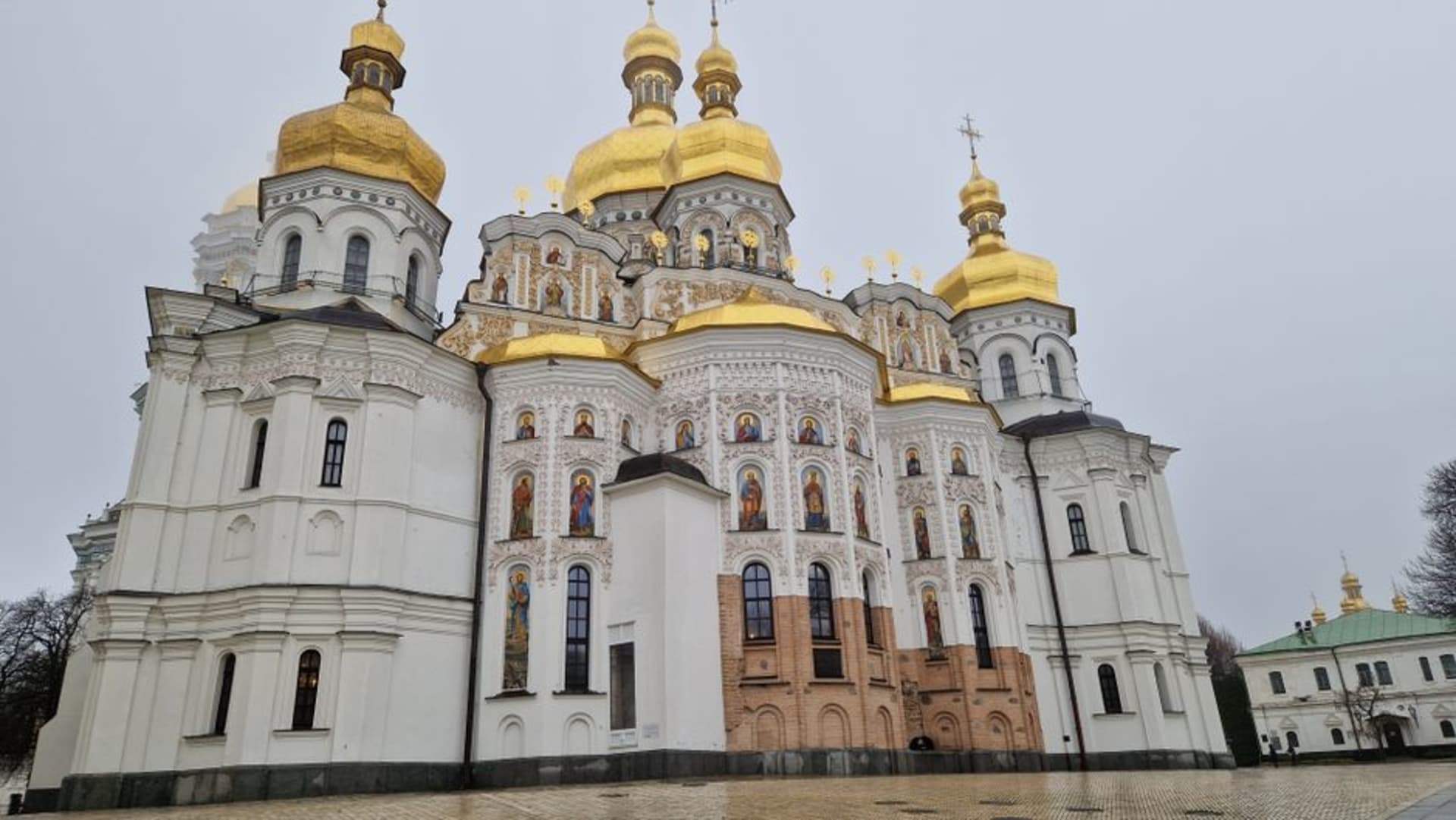
Pochayiv
"An older woman pressed a small candle into my hand without a word, as if it were simply obvious that I needed one."
A small pilgrimage town built entirely around the golden-domed Pochayiv Lavra, where I stood among chanting pilgrims and felt genuinely out of place, in a good way.

I hadn’t planned to visit Pochayiv, honestly. It was Taras, the guide from my Chornohora hike, who told me I couldn’t come all the way to western Ukraine without seeing it, and he was insistent enough that I rerouted a couple of days around it. The town itself is tiny, barely more than a village, and it exists almost entirely in service of the Lavra — the monastery complex that sits on a hill above everything, its golden and blue domes visible from a surprising distance across the flat Volhynian countryside as you approach.
I arrived on an ordinary weekday and still found the place full of pilgrims, buses parked in rows, people walking the final stretch on foot even though they clearly could have ridden closer, some visibly emotional as they climbed. I’m not a religious person, and I felt a little like an intruder at first, camera in hand among people there for reasons far deeper than architectural curiosity. But nobody seemed to mind. An older woman in a headscarf pressed a small candle into my hand near the entrance without a word, gesturing toward the church, and I lit it because it felt rude not to.

Inside the main cathedral, the scale of the place is genuinely overwhelming — gilded iconostasis stretching up into shadow, the low murmur of chanting from a side chapel, incense thick enough that I could taste it. I sat in a back pew for a while just to absorb it rather than photograph it, which is unusual for me. There’s a footprint in the rock beneath the church, said to belong to the Virgin Mary according to local tradition, and a steady line of pilgrims waiting to touch it, unhurried, patient in a way that felt like it belonged to an entirely different pace of life than the one I usually keep.

I left Pochayiv without any grand spiritual conversion, but with a genuine respect for how much the place means to the people who make the pilgrimage. It’s not a stop for architecture tourists in the way Lviv or Ivano-Frankivsk might be — it only really makes sense once you’re standing in the middle of that crowd, candle in hand, feeling the weight of everyone else’s devotion around you.
When to go: Major Orthodox feast days draw the largest crowds and the most intense atmosphere, but any weekday outside those dates offers a quieter, more contemplative visit.
Keep exploring
More from Ukraine
 ukraine
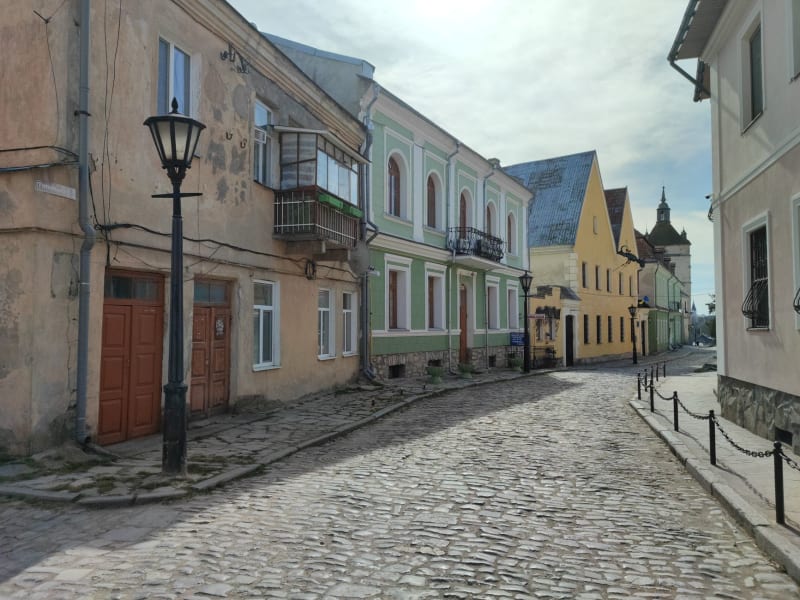
 Poltava
A graceful city on the central Ukrainian steppe where a pivotal 1709 battle still shapes the landscape, and the tradition of Ukrainian folk craft survives in its most living form.
Explore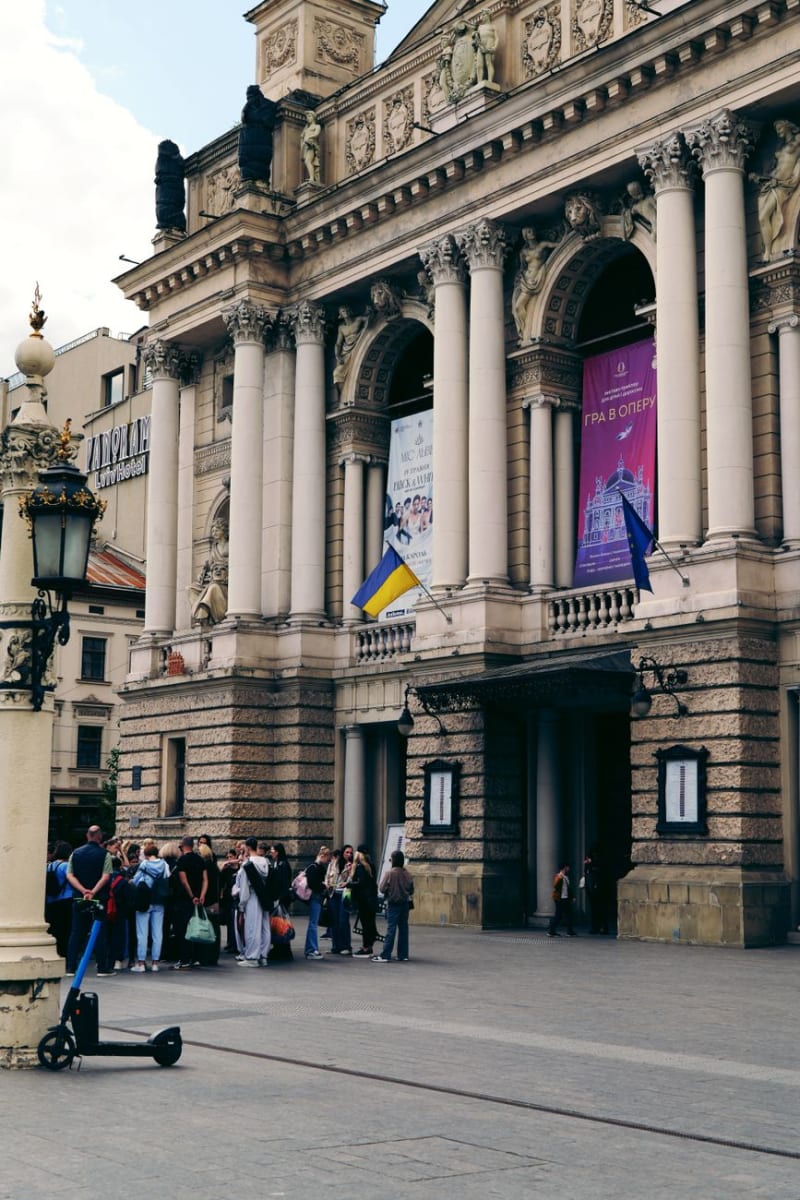 ukraine
 Uman
A provincial town in central Ukraine that hides one of Europe's strangest and most beautiful landscape gardens, built by a count for the woman he loved.
Explore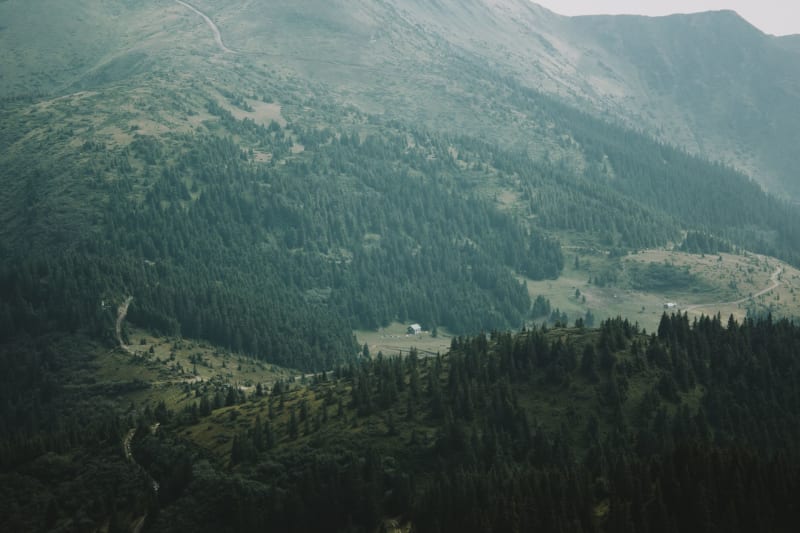 ukraine
 Zakarpattia
Ukraine's westernmost region, a wine-growing Transcarpathian valley where Hungarian, Slovak, Romanian, and Rusyn cultures have been negotiating the same landscape for centuries.
Explore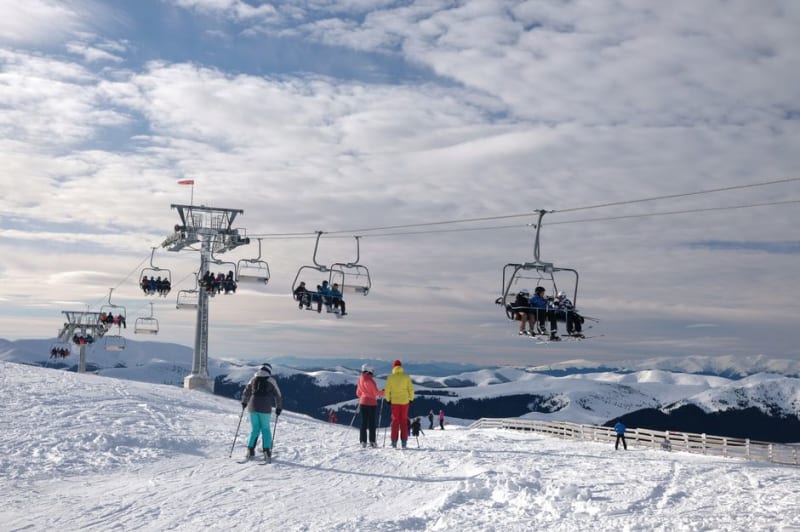 ukraine
 Bukovel
Ukraine's biggest ski resort, tucked into forested Carpathian slopes, where I learned that Eastern European ski culture runs on cheap mulled wine and long lift lines.
Explore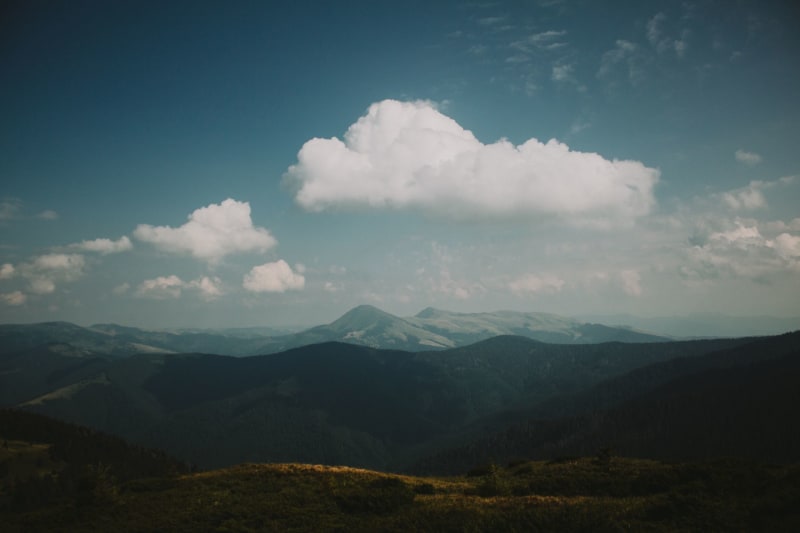 ukraine
 Ukrainian Carpathians
A range of forested ridges and highland villages where Hutsul embroidery patterns are as old as the mountains, and the air at altitude tastes like pine resin and cold water.
Explore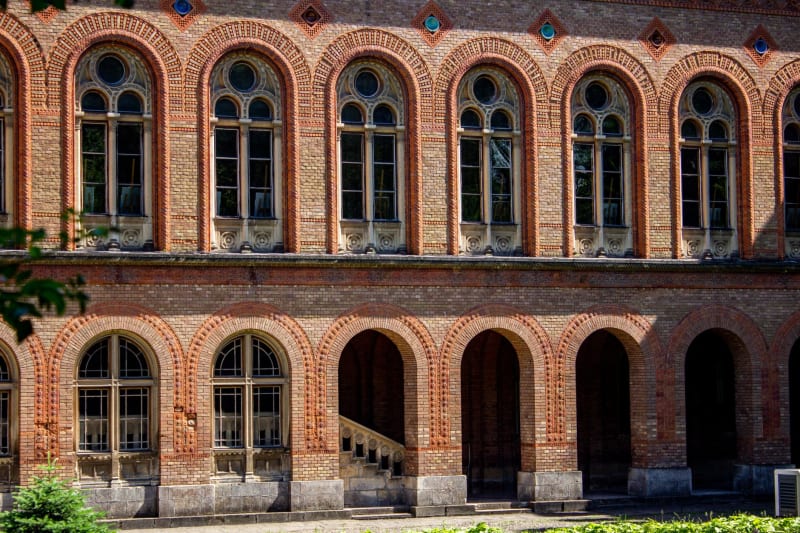 ukraine
 Chernivtsi
An Austro-Hungarian jewel at the edge of the Carpathians, where a palatial university dominates the skyline and four languages have always competed for the same café table.
Explore