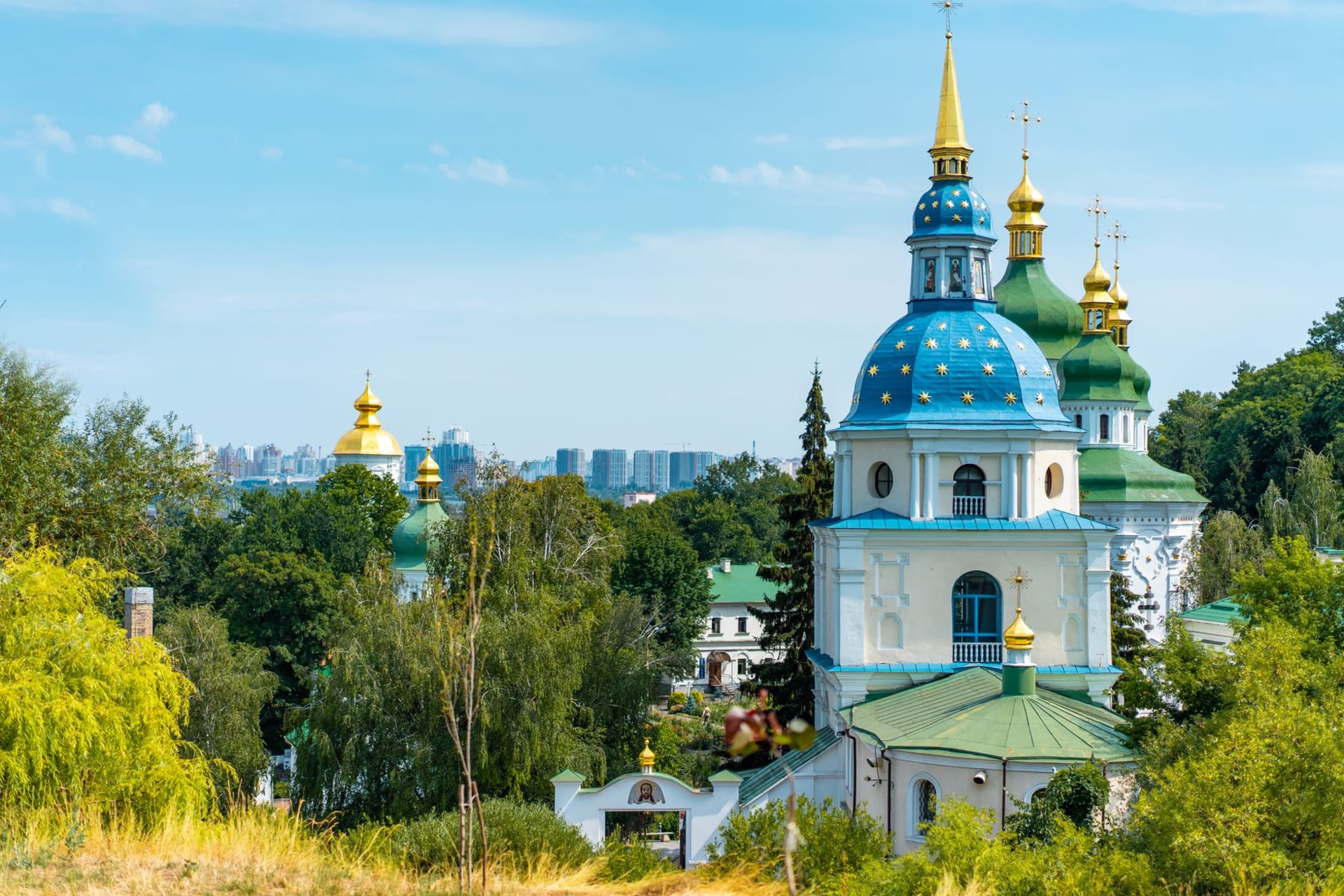
A city of golden domes and defiant energy, where thousand-year-old monasteries share a skyline with Soviet brutalism and the restless present.

The first thing I noticed about Kyiv wasn’t the domes — though they catch you eventually, a flicker of gold between chestnut trees. It was the gradient of the city: the old monastery quarter tilting toward the Dnipro, the Soviet-wide boulevards of Khreshchatyk, and then the labyrinthine streets of Podil below, smelling of river mud and roasting coffee. No other city I’ve been in toggles that quickly between registers.
Lavra and the Caves Below
Kyiv Pechersk Lavra, the Cave Monastery, earns its weight in UNESCO designations. I arrived early, when the pilgrims were still outnumbering the tourists, and followed a line of babusyas in headscarves down into the catacombs. The air drops ten degrees instantly. Narrow brick corridors, candles held aloft, the mummified remains of monks behind glass. It’s not macabre exactly — it feels genuinely sacred, which is rarer than it sounds. Outside, the upper lavra grounds open onto a view of the Dnipro so wide it reads as inland sea.
Maidan and the Weight of the Square
Independence Square — Maidan Nezalezhnosti — is one of those places that functions differently once you know its history. It’s a transit hub, a meeting point, a monument. I stood there at noon watching commuters cut across the same stones where barricades burned a decade prior, and that compression of the mundane and the historic felt very Ukrainian: nothing gets paused here for grief. The nearby Instytutska Street still has a memorial of photos and flowers at the base, understated and impossible to walk past without slowing down.
Podil and the Flavor of Daily Life
Below the bluffs, Podil is where Kyiv feels most itself to me. The neighborhood of low 19th-century buildings and Art Nouveau facades hosts a weekend market at Kontraktova Ploshcha where I found obscene quantities of honey, hand-painted Easter eggs, and Soviet-era enamelware that I didn’t need but strongly considered. The cafés here are serious — Kyiv has developed a coffee culture that would hold up in any European capital, and the baristas know it. I drank a natural Ethiopian in a basement roastery and sat long enough to feel like a regular.
The Dnipro from Above
There’s a funicular down from the upper city to Podil that costs almost nothing and feels wonderfully unnecessary — you can walk — but I took it both directions just for the angle on the river. From the top, Kyiv looks exactly as large and old as it is. The Dnipro carries barges slowly south, and across the left bank the city spreads flat toward the horizon. It’s one of those views that recalibrates scale: you stop thinking of Kyiv as a European capital and start thinking of it as a civilization with its own long logic.
When to go: May and September offer the best combination of warm temperatures and manageable crowds. The chestnut trees bloom spectacularly in May and line nearly every major street. Summer can be hot and humid; winter is cold and often grey but has its own stripped-down beauty. Travel conditions depend on the security situation — check current advisories before planning and remain flexible with itineraries.
Keep exploring
More from Ukraine
 ukraine
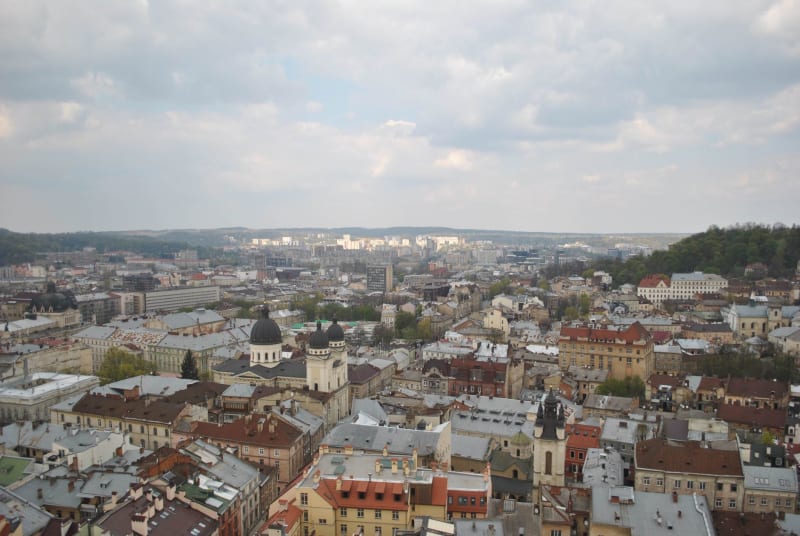
 Lviv
Ukraine's most central-European city, a place of Austro-Hungarian squares, obsessive coffee culture, and a stone-carved old town that feels like it was designed for lingering.
Explore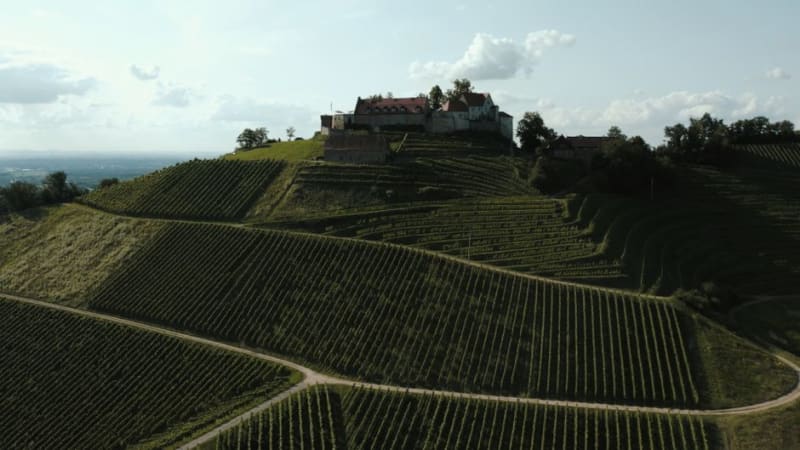 ukraine
 Mukachevo
A quiet Transcarpathian town crowned by Palanok Castle, where Lia and I wandered vineyard roads and drank young wine straight from a plastic bottle.
Explore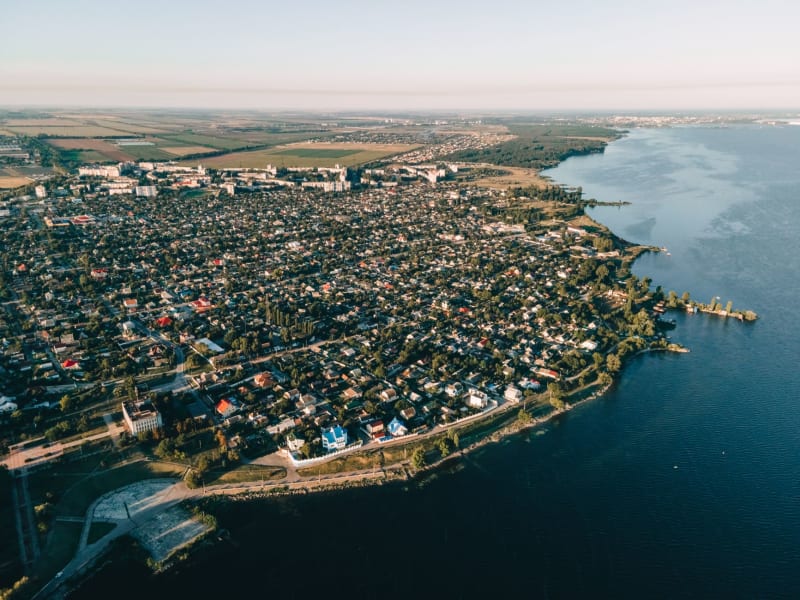 ukraine
 Odesa
A Black Sea city of grand staircases, peeling stucco, and a cosmopolitan swagger that smugglers and writers have always found irresistible.
Explore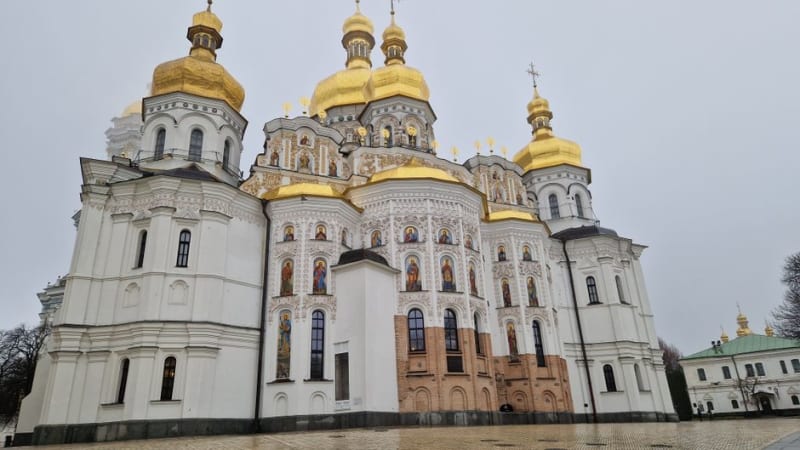 ukraine
 Pochayiv
A small pilgrimage town built entirely around the golden-domed Pochayiv Lavra, where I stood among chanting pilgrims and felt genuinely out of place, in a good way.
Explore ukraine
 Poltava
A graceful city on the central Ukrainian steppe where a pivotal 1709 battle still shapes the landscape, and the tradition of Ukrainian folk craft survives in its most living form.
Explore ukraine
 Uman
A provincial town in central Ukraine that hides one of Europe's strangest and most beautiful landscape gardens, built by a count for the woman he loved.
Explore