Zakarpattia
"Zakarpattia is the part of Ukraine that never quite agreed about which country it was in, and the wine is better for it."
Ukraine's westernmost region, a wine-growing Transcarpathian valley where Hungarian, Slovak, Romanian, and Rusyn cultures have been negotiating the same landscape for centuries.

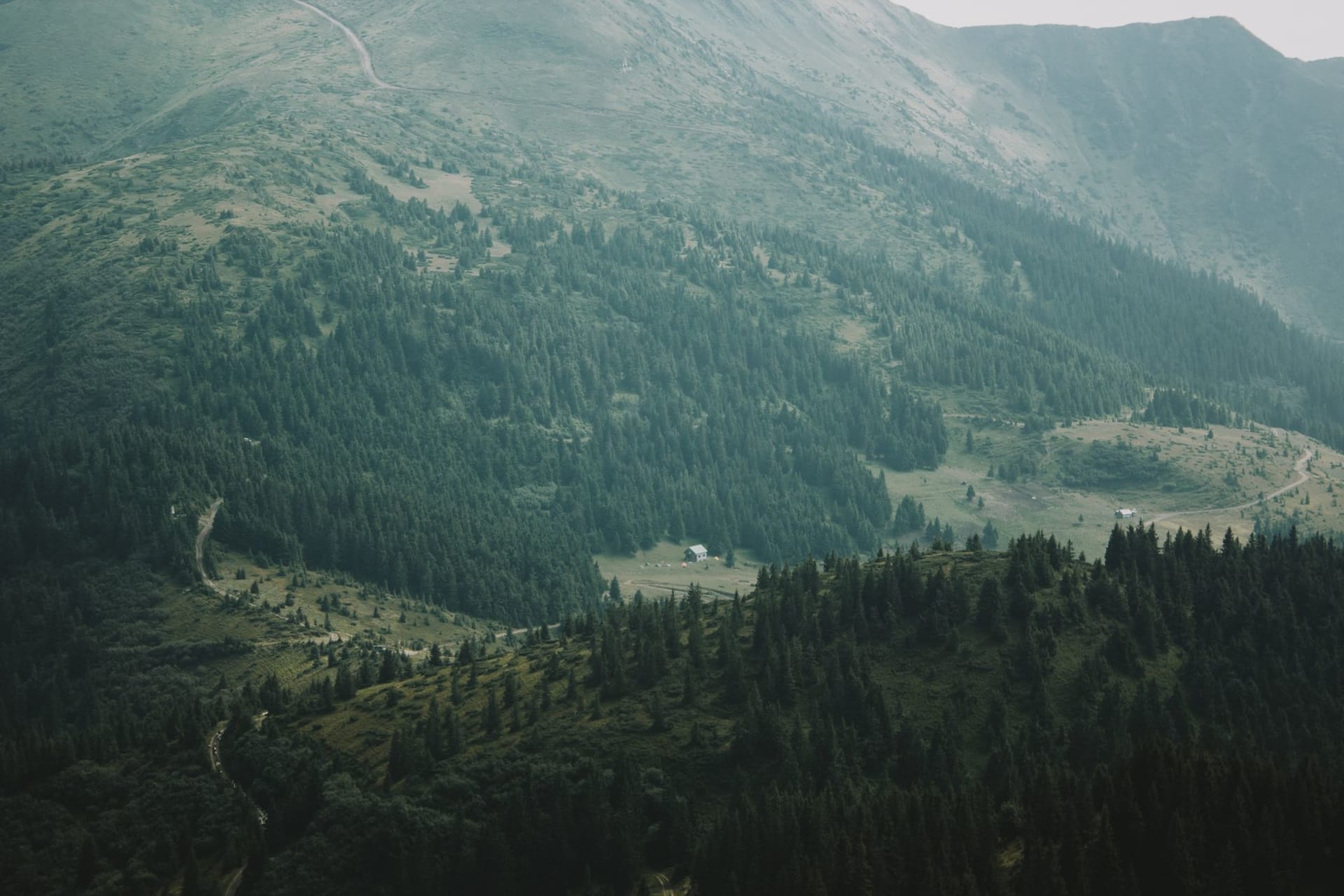
Zakarpattia sits west of the Carpathian crest, in a broad valley that drains toward Hungary rather than toward the Dnipro, and this geographical fact explains most of what makes it distinct. The region has been part of the Austro-Hungarian Empire, Czechoslovakia, Hungary (during WWII), and the Soviet Union before becoming part of independent Ukraine — and each of those periods left architecture, language traces, and agricultural traditions that create a layered identity unlike anywhere else in the country. The local population includes Ukrainians, Hungarians, Rusyns, Romanians, and Roma, and the markets reflect it.
Uzhhorod and the Cherry Blossom City
The regional capital, Uzhhorod, sits at the convergence of the valley and the foothills, and in early April it becomes briefly famous across Ukraine for its cherry blossoms. The university botanical garden and the main boulevard are lined with ornamental cherries that bloom in such density that the pink overwhelms everything else for two weeks. I was there slightly past peak — late April, the petals beginning to fall — and the carpet of pink on the cobblestones in the old town was its own visual argument for the trip. The castle above the river is a working museum with a good collection of Transcarpathian folk art; the old town below it has a central European urbanism — wrought iron balconies, café culture, buildings that want to be Bratislava — that you don’t find in eastern Ukraine.
The Wine Country Around Berehove
The southern part of Zakarpattia, around the largely Hungarian-speaking city of Berehove, is wine country — a fact that Ukraine’s tourism profile hasn’t caught up with yet. The region grows tokaj-style grapes on sun-facing slopes and produces both white and red wines with a character specific to the volcanic soils of the foothills. I spent a day driving between small wineries on roads that passed through villages where the signs were in Hungarian and the cellars were dug directly into the hillside in a manner that clearly predated whatever national identity was currently claimed. The wines are inexpensive, often excellent, and almost entirely unknown outside the region.
The Wooden Churches of the Highlands
Zakarpattia has the highest concentration of wooden tserkvy — Greek Catholic and Orthodox churches built in the Carpathian vernacular — of any region in Ukraine. The finest are in the highland villages above the valley, accessible on dirt roads that require patience and appropriate footwear. These buildings don’t aspire to cathedral scale; they’re modest, precisely proportioned, dark-timbered structures with tall shingled roofs and onion domes that are in dialogue with the forested hills around them rather than in contrast to them. Several are UNESCO-listed, which has brought some preservation resources without significantly changing the communities that use them.
The Border Country Feeling
What I find most interesting about Zakarpattia is a quality I can only describe as attentive uncertainty — the awareness, visible in the way people carry themselves and talk about their region, of being at an edge, of having been shuffled between sovereignties, of belonging to multiple things simultaneously. It’s a quality I associate with other long-contested borderlands: Alsace, Transylvania, certain parts of the Balkans. It makes the region feel historically alive in a way that more settled places don’t.
When to go: April is the obvious answer if cherry blossoms are the draw — peak bloom is typically the first or second week of April but varies by year. June and September are ideal for wine country and the highland churches; the road conditions are best and the tourist density lowest. Winter in the highlands can be beautiful but road access to the higher villages becomes uncertain.
Keep exploring
More from Ukraine
 ukraine
Bukovel
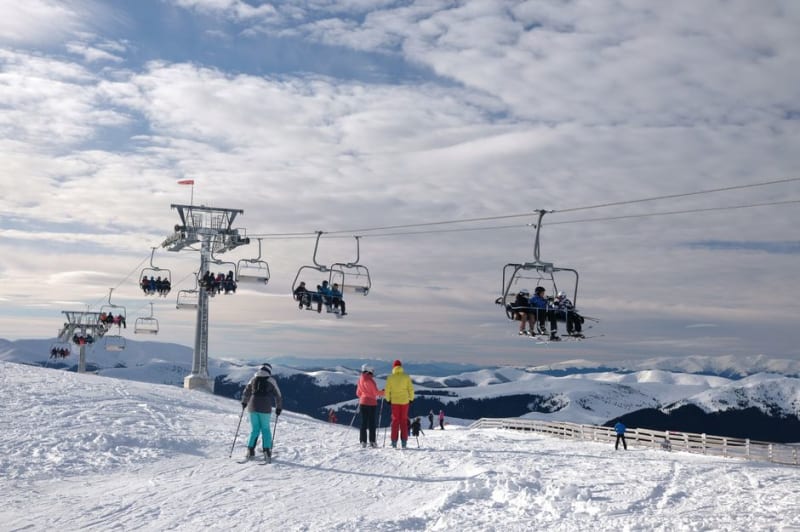
Ukraine's biggest ski resort, tucked into forested Carpathian slopes, where I learned that Eastern European ski culture runs on cheap mulled wine and long lift lines.
Explore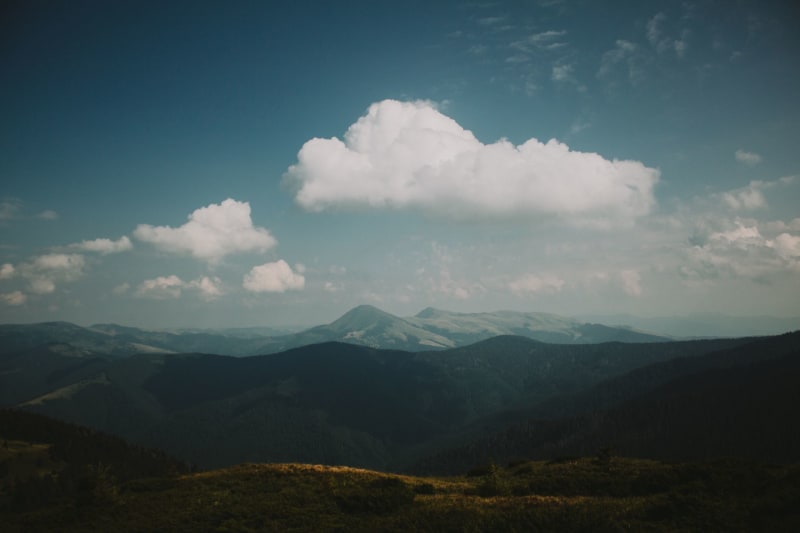 ukraine
Ukrainian Carpathians
A range of forested ridges and highland villages where Hutsul embroidery patterns are as old as the mountains, and the air at altitude tastes like pine resin and cold water.
Explore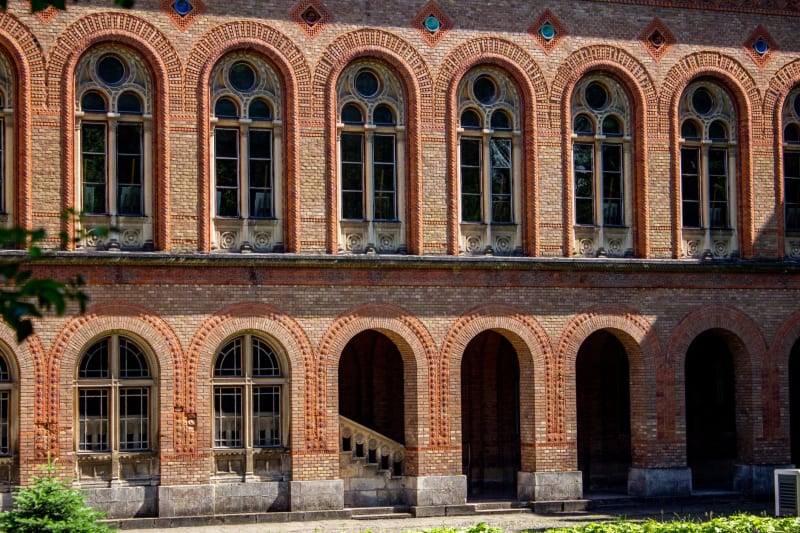 ukraine
Chernivtsi
An Austro-Hungarian jewel at the edge of the Carpathians, where a palatial university dominates the skyline and four languages have always competed for the same café table.
Explore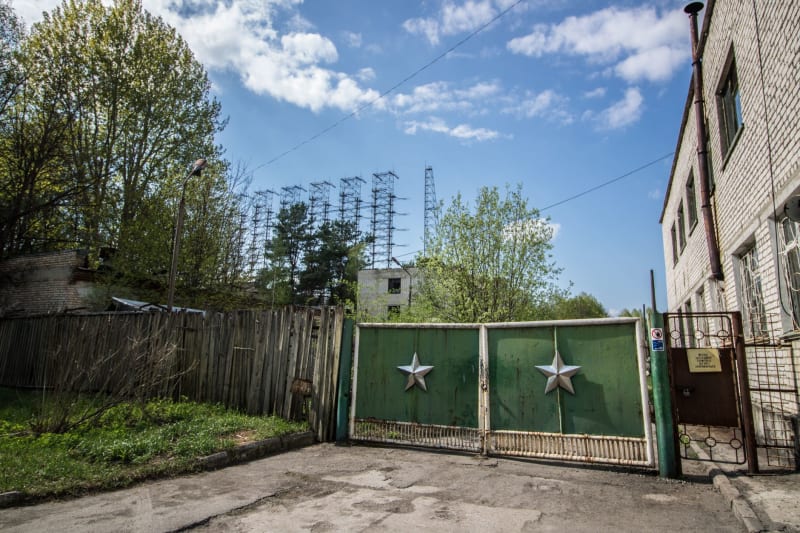 ukraine
Chernobyl & Pripyat
The exclusion zone around the 1986 nuclear disaster, where a Soviet city frozen mid-evacuation and a forest slowly reclaiming everything pose the most uncomfortable questions travel can ask.
Explore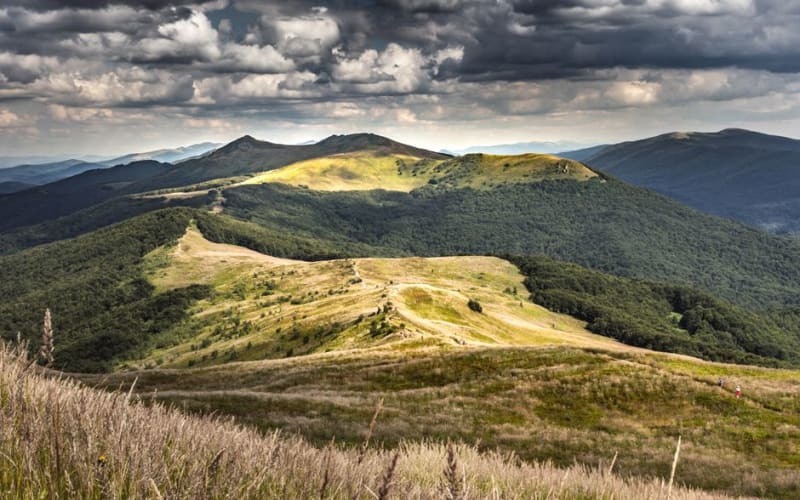 ukraine
Chornohora
The highest ridge in the Ukrainian Carpathians, a long exposed spine of grassy peaks I hiked for two days to stand on Hoverla, the country's roof.
Explore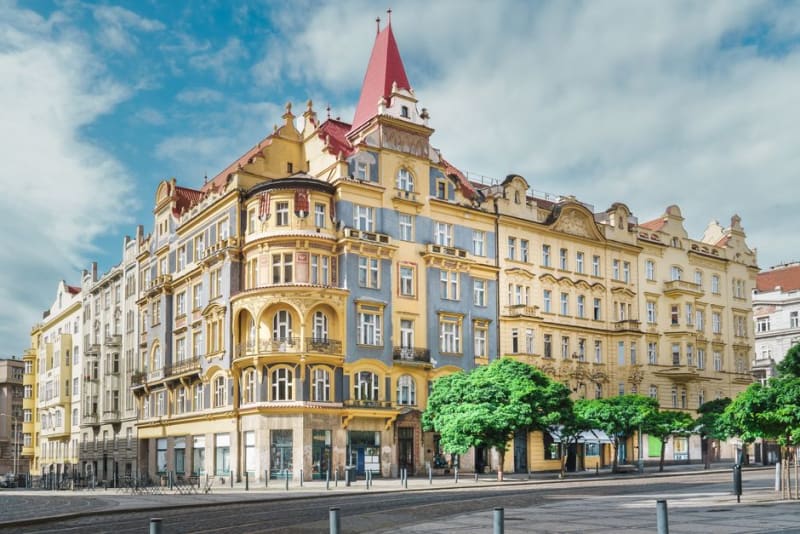 ukraine
Ivano-Frankivsk
An elegant art-nouveau city in western Ukraine where I drank the best coffee of my trip on a square that felt like a smaller, quieter Lviv.
Explore