
Poltava
"Poltava is the Ukraine that hasn't been filtered through any outsider's expectations. It knows exactly what it is."
A graceful city on the central Ukrainian steppe where a pivotal 1709 battle still shapes the landscape, and the tradition of Ukrainian folk craft survives in its most living form.

There’s a particular quality to Ukrainian cities in the central steppe that differs from both the Habsburg polish of the west and the Soviet industrialism of the east. Poltava belongs to this middle register: a city of white-painted churches, tree-lined boulevards, and a civic consciousness rooted in Cossack history rather than either empire. The Hetmanate — the semi-autonomous Cossack state that governed this region from the 17th century — has its spiritual center here, and the pride of that heritage is not historical performance but something more quietly persistent.
The Battlefield of 1709
The Battle of Poltava, where Peter the Great’s Russian forces crushed Charles XII of Sweden and effectively ended Swedish imperial ambitions, is one of those hinge events in European history that gets taught in school and then set aside. Being at the actual site changes the scale of it. The battlefield is preserved as a museum-reserve about five kilometers from the city center, with monuments placed where the two armies met, and a small but thoughtful museum that tells the story from multiple perspectives — including the Ukrainian Hetman Ivan Mazepa, who allied with Sweden and paid for it. Walking the field in the early morning, with the steppe grass moving and nothing else visible in any direction, the event feels large in a way that textbooks don’t quite achieve.
Soborna Street and the White Churches
Poltava’s central boulevard, Soborna Street, has the proportions of a city that knows how to use space: wide enough for lindens on both sides, lined with neo-classical and Empire-style buildings from the 18th and 19th centuries, with churches and civic buildings placed at intervals that feel intentional rather than accumulated. The Uspenska Church (Dormition Cathedral) is the most impressive — a white Baroque mass with a blue dome that dominates the skyline from multiple approaches. The interiors of the central churches are ornate without being heavy; the Ukrainian Baroque idiom has a lightness that the Russian variant often lacks.
The Museum of Ukrainian Decorative Art
Poltava has been a center of Ukrainian decorative arts for centuries, and the regional museum of folk art holds one of the best collections of embroidery, ceramics, and painted woodwork I’ve seen in Ukraine. The Poltava region developed a distinctive embroidery tradition — dense geometric patterns in red and black on white linen — that reads immediately, even to an untrained eye, as something specific and sophisticated. The museum staff are unusually engaged, and I had a long conversation (via translation) with a curator who could read the regional origin of an embroidery piece from the pattern alone, the way a sommelier reads a wine. That kind of living expertise is what preserves material culture, and finding it in a regional museum in central Ukraine surprised me.
The Everyday City
What I remember most from Poltava is the feeling of being in a city that is entirely oriented toward its own inhabitants. The parks are full of people using them. The market by the train station sells food grown within fifty kilometers. The café near the Round Square (Kruhla Ploshcha) where I ate borshch that tasted like someone’s mother made it — because someone’s mother probably did. Poltava hasn’t been optimized for visitors, which means visitors get to experience what the city is actually like.
When to go: May through early October is best; the steppe summers are warm but not extreme, and the linden trees along the boulevards bloom in June with a fragrance that fills the whole center. May 9th sees local commemorations around the battlefield that can be worth timing for — or avoiding, depending on your preferences. The city is easily reached by train from Kyiv in under two hours.
Keep exploring
More from Ukraine
 ukraine
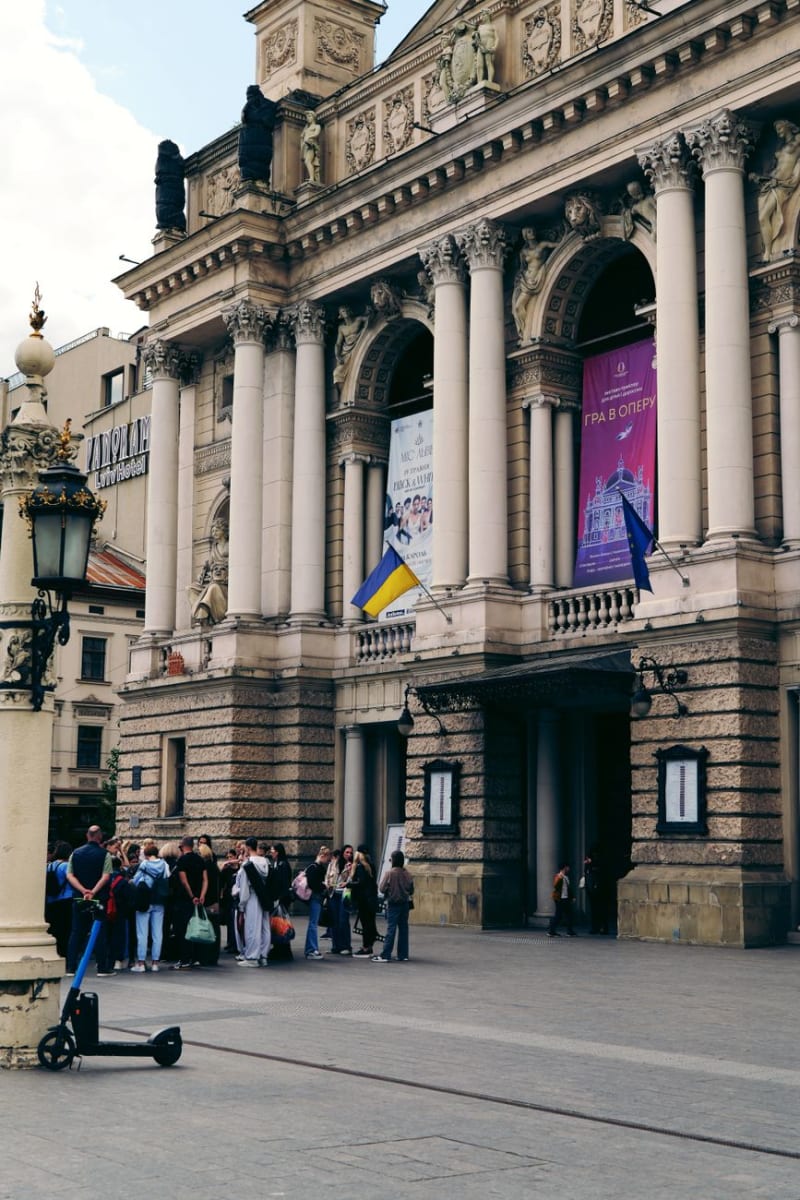
Uman
A provincial town in central Ukraine that hides one of Europe's strangest and most beautiful landscape gardens, built by a count for the woman he loved.
Explore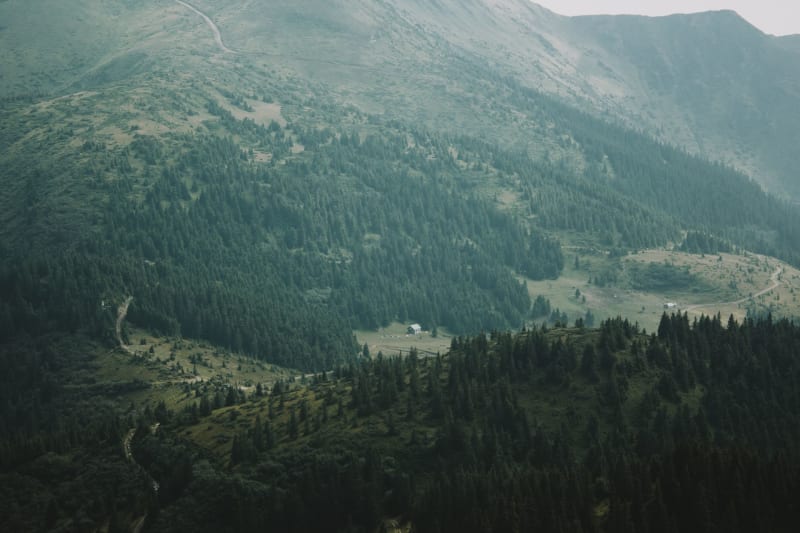 ukraine
Zakarpattia
Ukraine's westernmost region, a wine-growing Transcarpathian valley where Hungarian, Slovak, Romanian, and Rusyn cultures have been negotiating the same landscape for centuries.
Explore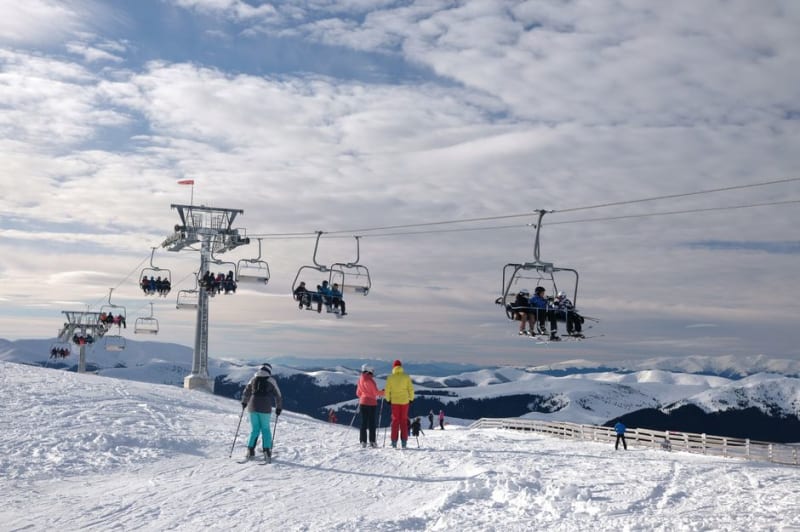 ukraine
Bukovel
Ukraine's biggest ski resort, tucked into forested Carpathian slopes, where I learned that Eastern European ski culture runs on cheap mulled wine and long lift lines.
Explore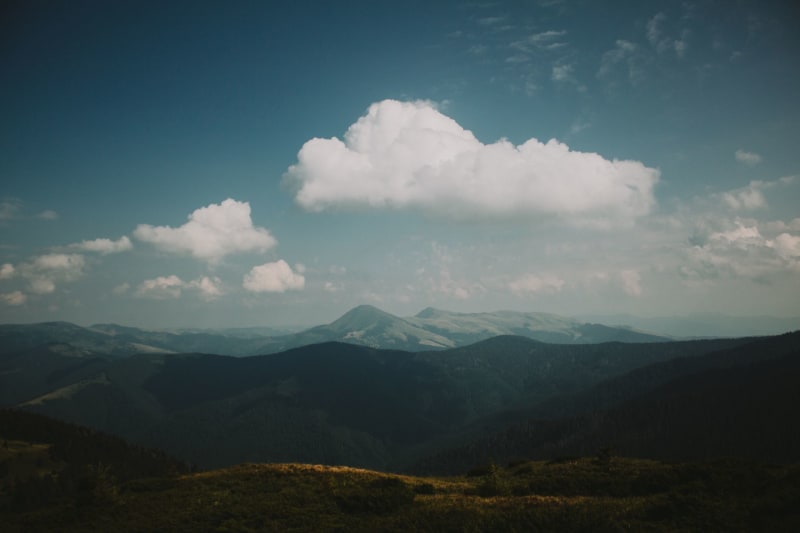 ukraine
Ukrainian Carpathians
A range of forested ridges and highland villages where Hutsul embroidery patterns are as old as the mountains, and the air at altitude tastes like pine resin and cold water.
Explore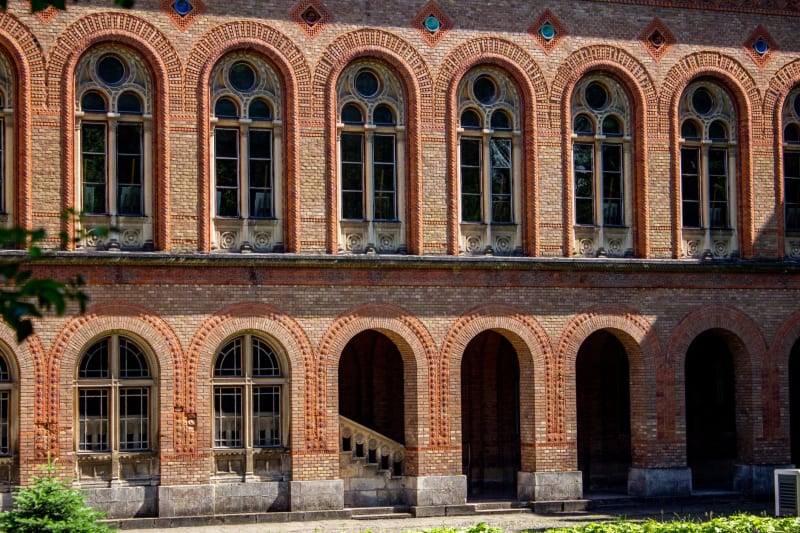 ukraine
Chernivtsi
An Austro-Hungarian jewel at the edge of the Carpathians, where a palatial university dominates the skyline and four languages have always competed for the same café table.
Explore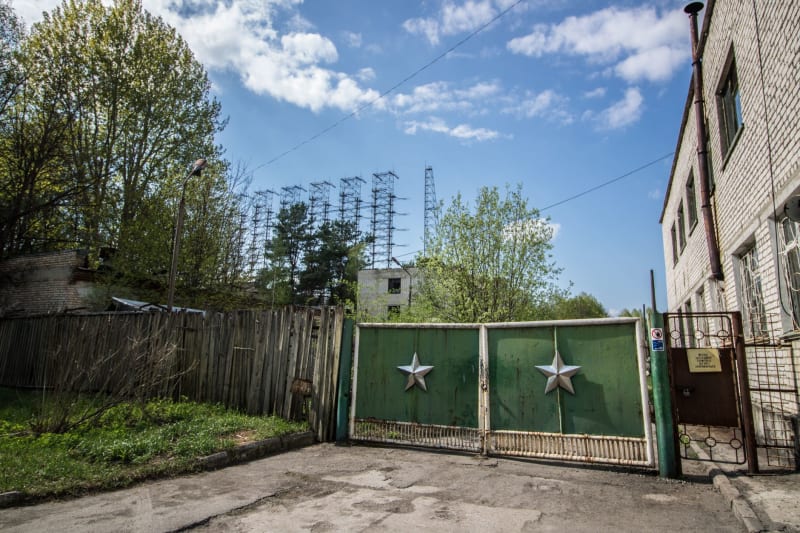 ukraine
Chernobyl & Pripyat
The exclusion zone around the 1986 nuclear disaster, where a Soviet city frozen mid-evacuation and a forest slowly reclaiming everything pose the most uncomfortable questions travel can ask.
Explore