Mukachevo
"The winemaker poured us a glass from an unlabeled bottle and said, this one has no name yet, tell me what you think."
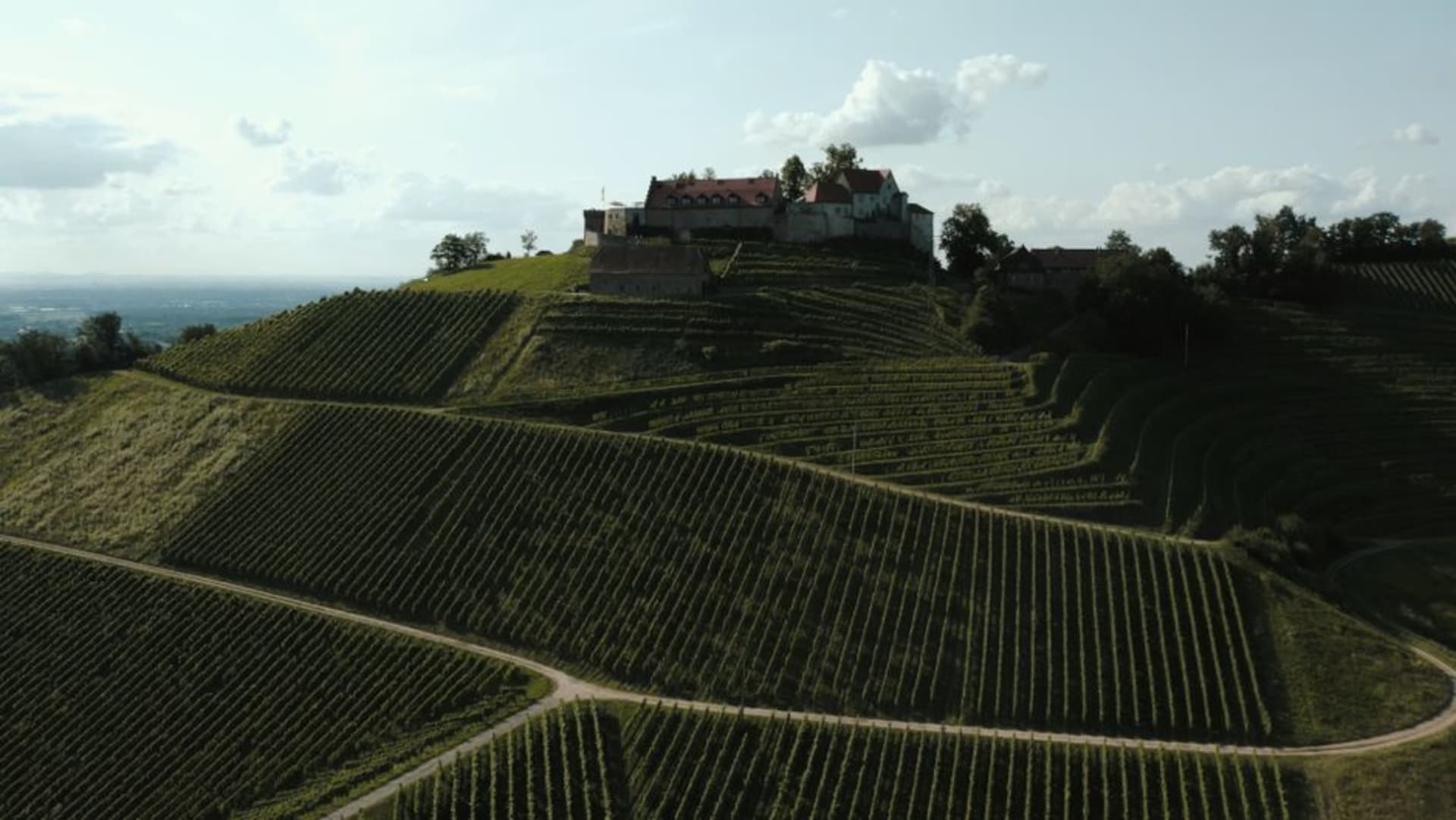
A quiet Transcarpathian town crowned by Palanok Castle, where Lia and I wandered vineyard roads and drank young wine straight from a plastic bottle.

Mukachevo felt different from anywhere else we visited on that Ukraine trip, and it took me a day to understand why: it’s Transcarpathia, on the far side of the mountains, historically shaped by Hungarian, Slovak, and Rusyn influence as much as Ukrainian, and the accents, the food, even the wine culture reflect that mix. Lia and I arrived by minibus from Uzhhorod, tired and a little carsick from the mountain roads, and the first thing we saw as we came into town was Palanok Castle sitting up on its solitary hill like something out of a Central European fairy tale, entirely disconnected from the flat vineyard land around it.
We climbed up to the castle on our second morning. It’s an oval fortress, built up in stages over centuries, and unlike some restored European castles that feel sterile, this one still has rough edges — uneven stone floors, cool damp rooms that clearly haven’t been renovated past recognition. From the ramparts you can see the whole valley: red-roofed houses, church spires, and then vineyards rolling out toward the Hungarian border in neat green rows. It’s not a dramatic mountain view like Chornohora, but there’s something satisfying about a landscape that’s obviously been cultivated by hand for generations.

The real discovery of Mukachevo, though, was wine, which surprised me because I hadn’t associated Ukraine with wine culture at all before that trip. We rented bikes and rode out through the villages around town, past small family plots, and eventually a woman waved us over from her gate and, through a mix of gestures and my terrible attempt at Ukrainian, invited us in to taste. Her cellar was cool and smelled like fermenting fruit, and she poured us glass after glass of homemade wines with no labels, some sweet, some sharp enough to make Lia wince and then ask for more.

We left with two unmarked bottles wrapped in a plastic bag and a slightly better understanding of why people describe Transcarpathia as its own country within a country. Mukachevo doesn’t try hard to impress you — the town center is pleasant but modest, a handful of churches, a main square with a fountain — but the combination of castle, vineyards, and that kind of unplanned hospitality made it one of the warmest stops of the whole trip.
When to go: September and early October, during grape harvest, when the vineyards are active and local families are most likely to invite you in to taste that year’s wine.
Keep exploring
More from Ukraine
 ukraine
 Odesa
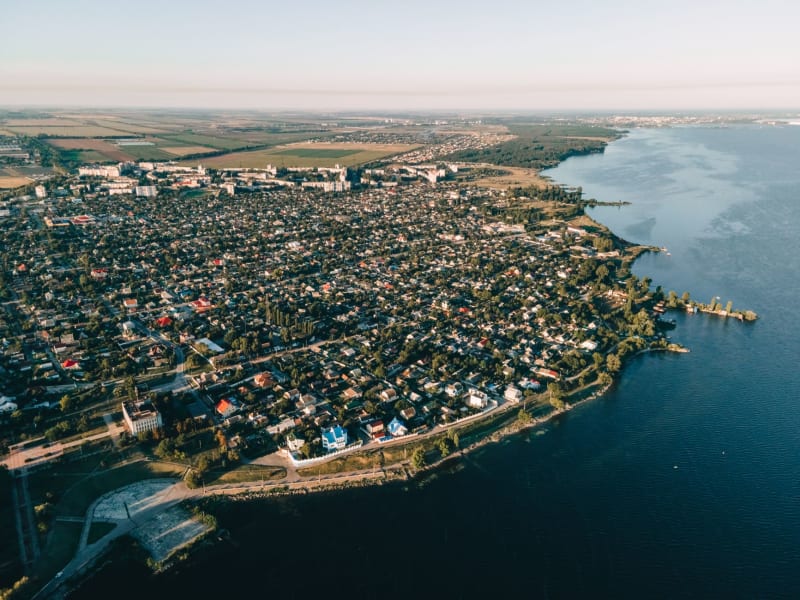
A Black Sea city of grand staircases, peeling stucco, and a cosmopolitan swagger that smugglers and writers have always found irresistible.
Explore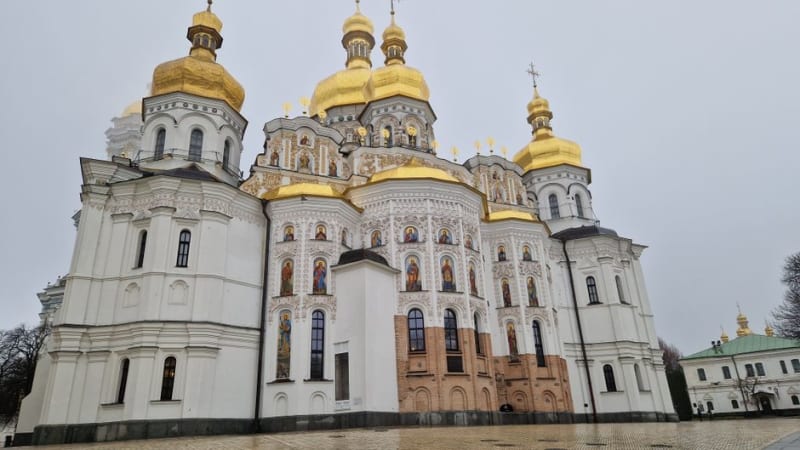 ukraine
 Pochayiv
A small pilgrimage town built entirely around the golden-domed Pochayiv Lavra, where I stood among chanting pilgrims and felt genuinely out of place, in a good way.
Explore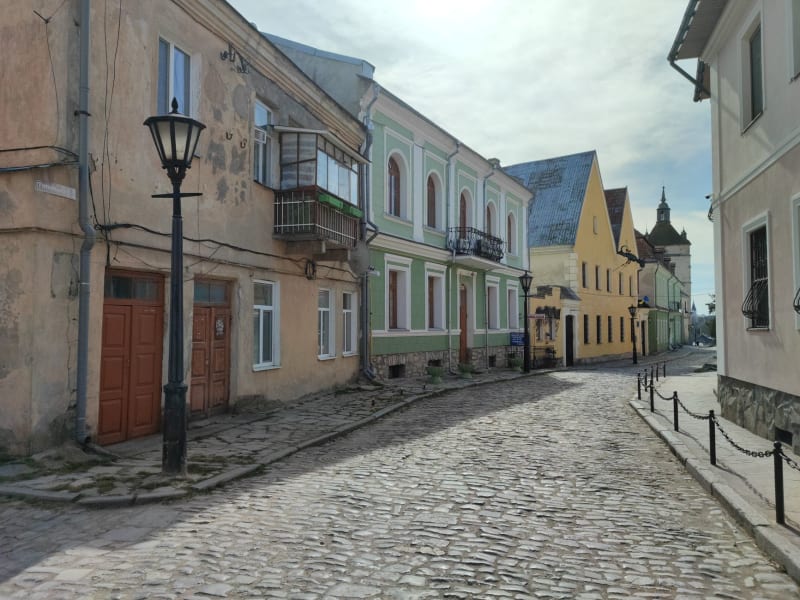 ukraine
 Poltava
A graceful city on the central Ukrainian steppe where a pivotal 1709 battle still shapes the landscape, and the tradition of Ukrainian folk craft survives in its most living form.
Explore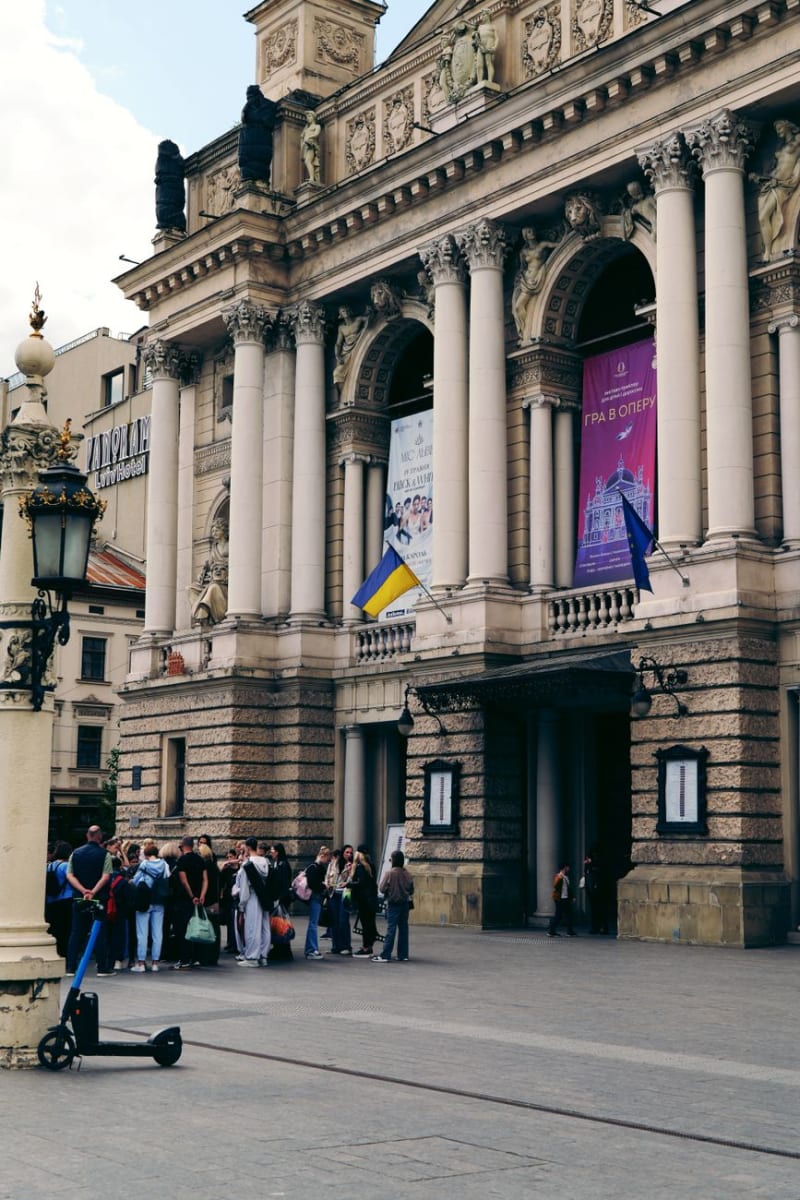 ukraine
 Uman
A provincial town in central Ukraine that hides one of Europe's strangest and most beautiful landscape gardens, built by a count for the woman he loved.
Explore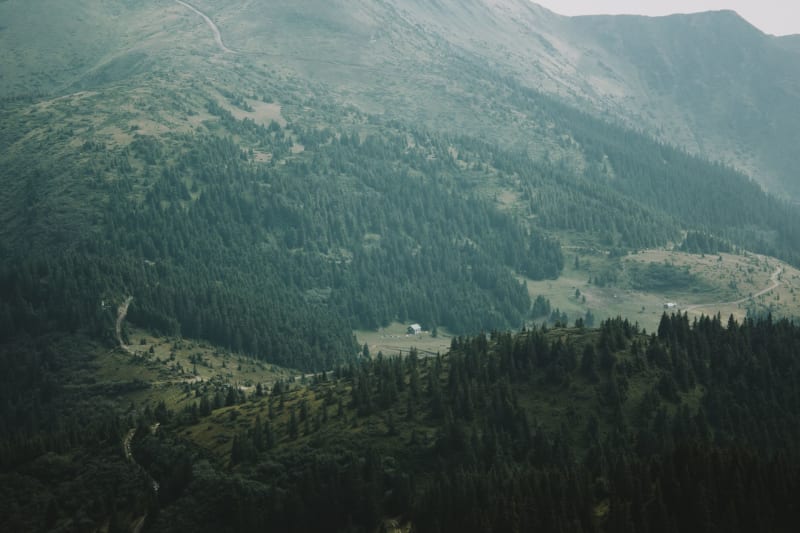 ukraine
 Zakarpattia
Ukraine's westernmost region, a wine-growing Transcarpathian valley where Hungarian, Slovak, Romanian, and Rusyn cultures have been negotiating the same landscape for centuries.
Explore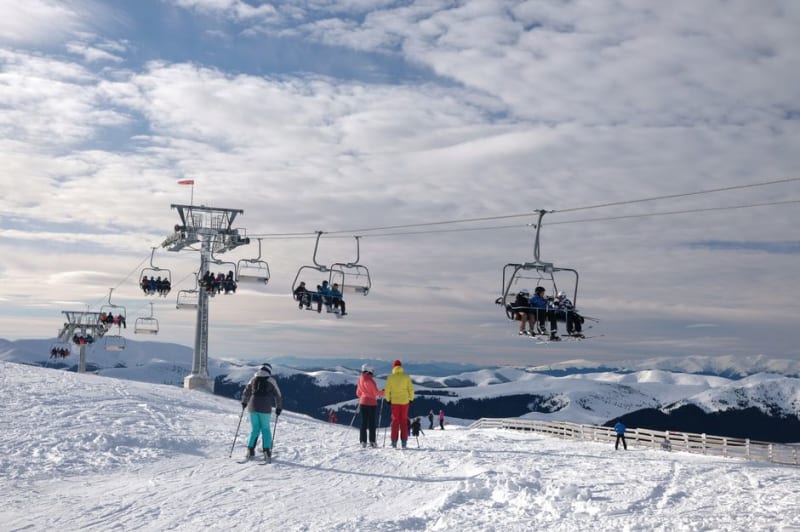 ukraine
 Bukovel
Ukraine's biggest ski resort, tucked into forested Carpathian slopes, where I learned that Eastern European ski culture runs on cheap mulled wine and long lift lines.
Explore