Europe
Sardinia
"Sardinia refuses to be Italian in the way you expect it to be."
An island where the water runs clearer than anywhere you have seen, the bread is baked in shapes that exist nowhere else on earth, and the interior feels like it has been quietly ignoring the coast for centuries.

I landed in Cagliari on a Tuesday in late May, and the first thing that struck me was not the sea — though the sea was already visible from the descent, that unreal mineral blue — but the smell. Wild myrtle and sun-baked rosemary rising off the scrubland, sharp and almost medicinal. It was a smell that said: you are not in mainland Italy. You are somewhere older than that, and stranger.
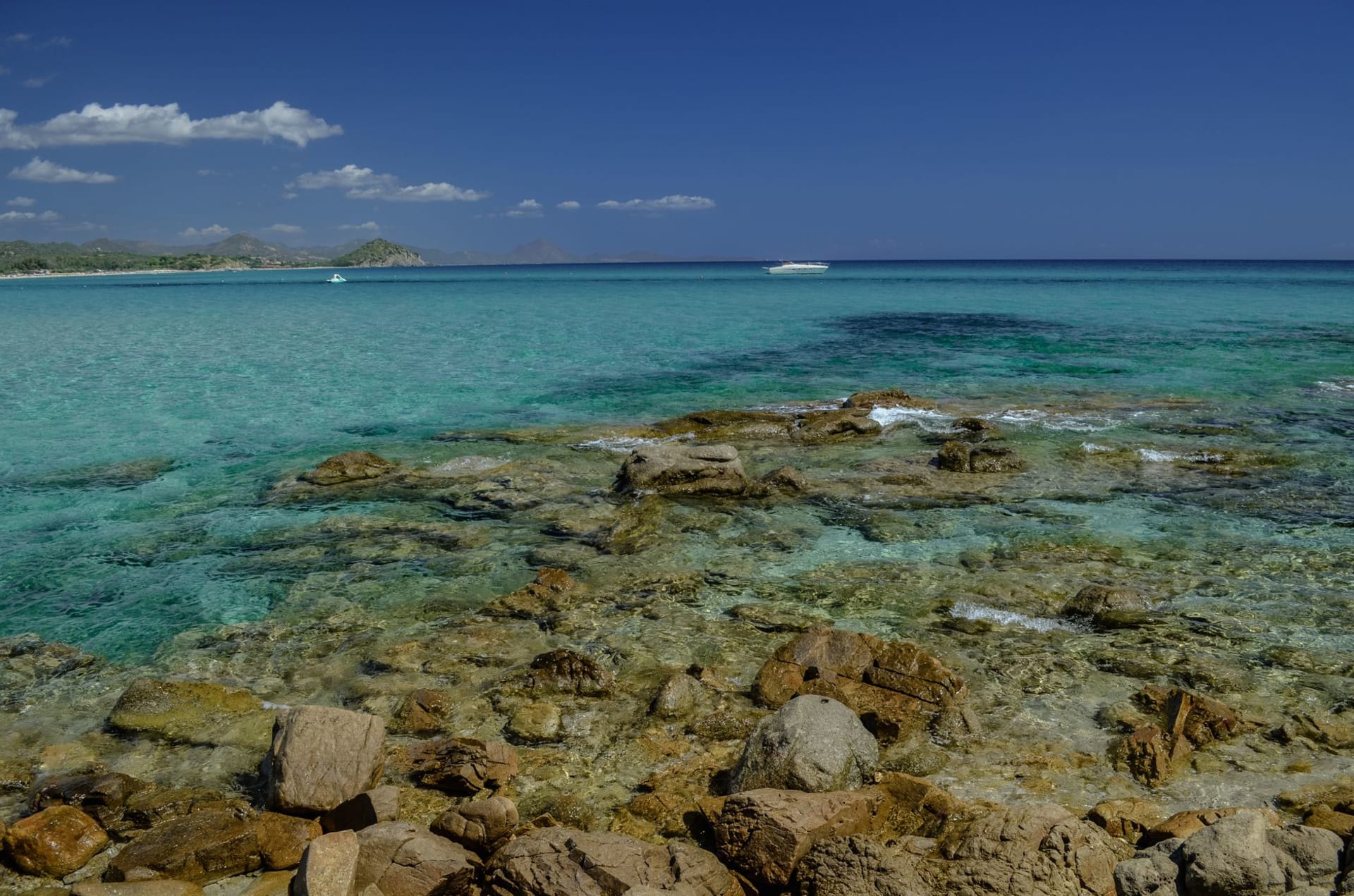
Sardinia resists easy categorization. The beaches around the Costa Smeralda are genuinely among the most beautiful I have encountered, full stop — I say this as someone who has stood in front of Mexico’s Caribbean coast and Bali’s southern bays and thought I had seen the outer limit of what water could look like. At Cala Goloritzé, reached by an hour’s hike down a limestone path, the rock formations alone would justify the trip. But the obsession with the coast leaves the interior almost entirely to the Sards themselves, and the interior is where the island makes its stranger claims on you. Stone nuraghi — Bronze Age towers scattered across the landscape with no clear parallel anywhere else in the Mediterranean — appear suddenly in fields between the hills. In Orgosolo, political murals cover every wall in a town that once had the highest rate of kidnappings in Europe and now survives on cheese and tourism. The Barbagia region in autumn, during the carne de logu festivals, is the kind of spectacle that feels genuinely unrepeatable. Roasted pig, local cannonau wine, lanterns and music in village squares that the tourist infrastructure has simply not yet found.
The food refuses the template you bring from Rome or Bologna. Culurgiones are pasta parcels pinched into an intricate braid, stuffed with potato and pecorino and mint, dressed simply with tomato and basil. Pane carasau, the paper-thin flatbread, shows up at every table and is nothing like anything else called bread in Italy. The bottarga — salted, pressed mullet roe grated over pasta or eaten in thin slices on bread with olive oil — has an intensity that rewires your understanding of what cured fish can do.
When to go: Late May to mid-June or September to early October. The sea is warm, the roads are passable, and the beaches are not yet overtaken. July and August concentrate every European family and chartered yacht owner in the same ten kilometers of coastline. The island in those months is a different animal entirely — louder, more expensive, and somehow less itself.
What most guides get wrong: They treat Sardinia as a luxury beach destination with archaeological footnotes. The nuraghi get a single paragraph before the guide redirects you toward superyacht marinas. In reality, the island’s depth is inland and in the villages, in a culture that maintained its own language and its own rhythms long after Rome and Genoa and Savoy each tried to absorb it. Go to the coast, yes — it is extraordinary. But rent a car and drive into the Gennargentu mountains, stop in a village bar where the television is showing cycling and the men are playing scopa, and you will find the Sardinia that actually exists beneath the brochure.
Explore
Places in Sardinia
 sardinia
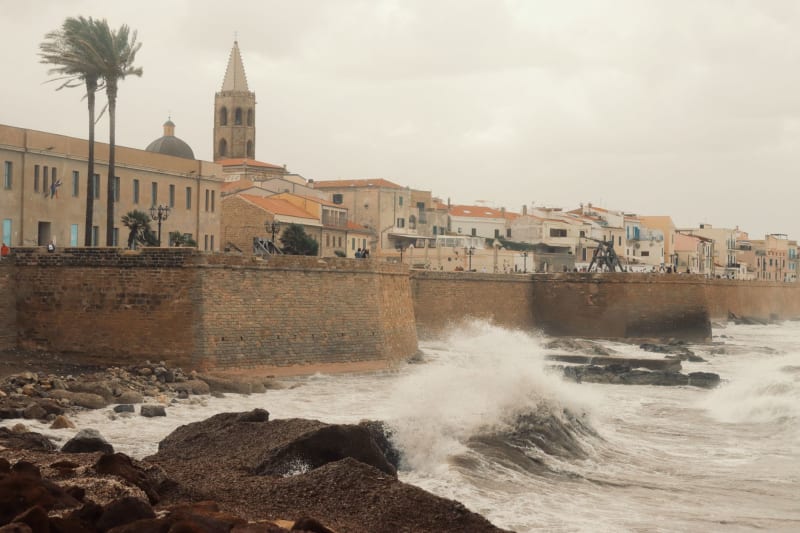
 Alghero
A Catalan-speaking walled port on Sardinia's northwest coast where the menus read like Spanish and the ramparts glow amber above one of the clearest seas in the Mediterranean.
Explore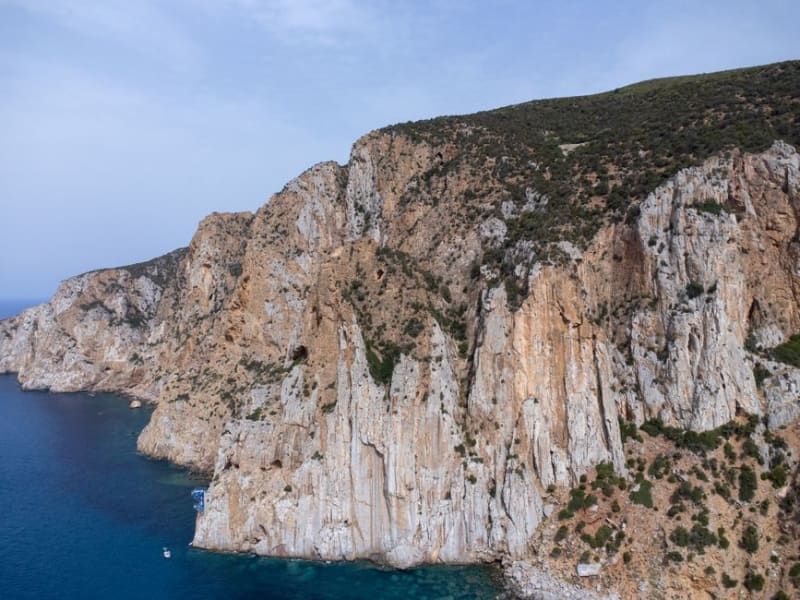 sardinia
 Asinara
A former prison island off Sardinia's northwest tip, now a national park roamed by ghostly white donkeys and abandoned cellblocks slowly returning to nature.
Explore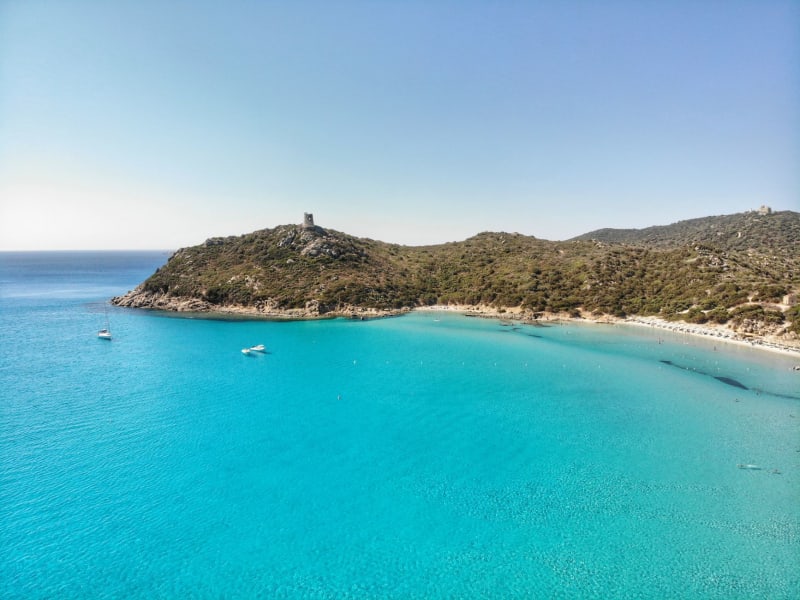 sardinia
 Barbagia
The rugged interior heartland where Sardinian identity was forged in granite and kept alive through centuries of magnificent, deliberate isolation.
Explore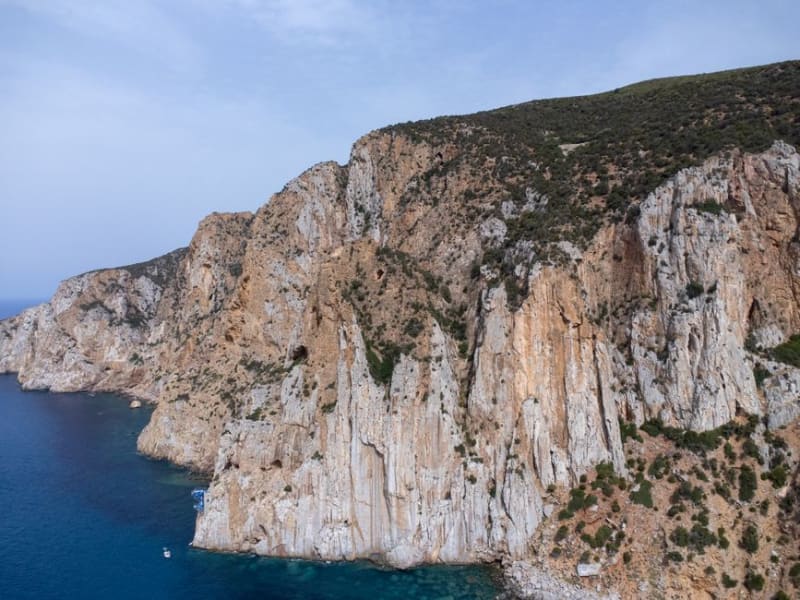 sardinia
 Baunei
A clifftop town perched above the Golfo di Orosei, gateway to the Golgo plateau's sinkholes and the legendary Selvaggio Blu trek along Sardinia's wildest coastline.
Explore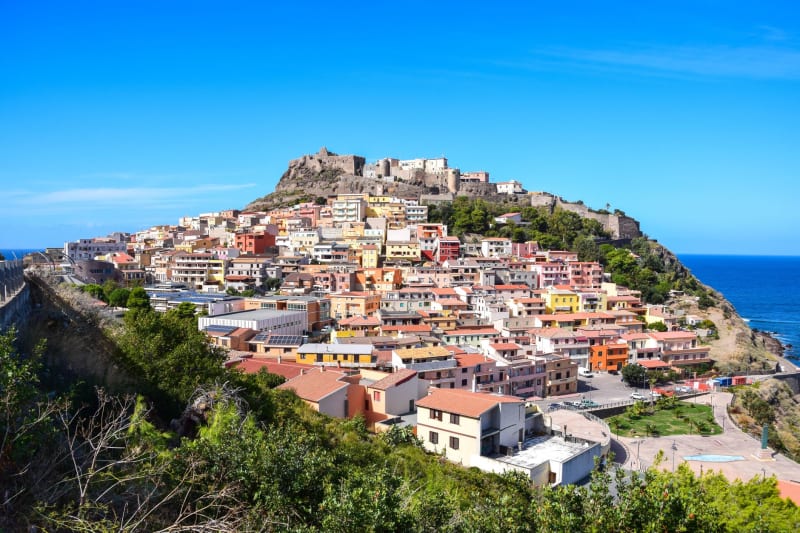 sardinia
 Bosa
A medieval town of faded pastels climbing a riverside hill in western Sardinia, where ancient tanneries line the Temo and the local malvasia wine tastes like nothing you've had before.
Explore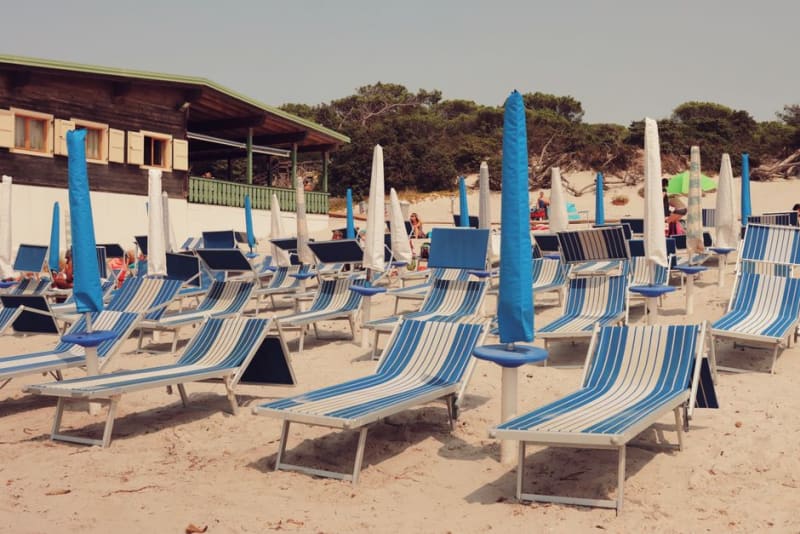 sardinia
 Budoni
An unpretentious east-coast beach town where the sand is soft and the crowd is mostly Sardinian, a low-key alternative to the polish just up the coast.
Explore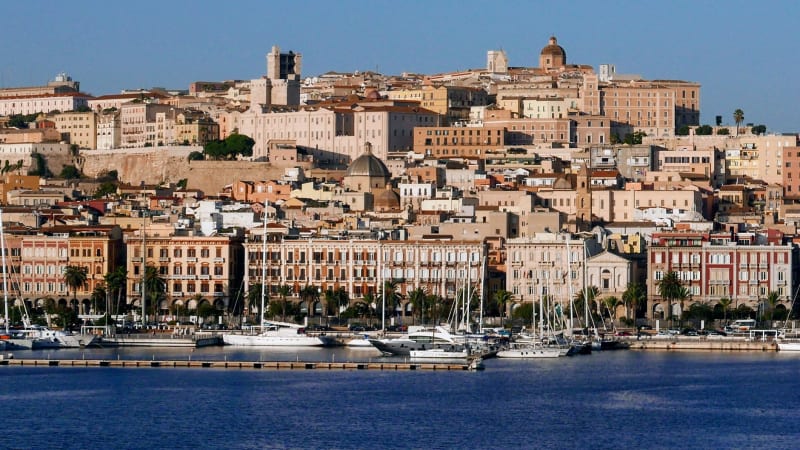 sardinia
 Cagliari
A capital city of flamingo lagoons and fortress hills that seems genuinely uninterested in impressing you — and impresses you anyway.
Explore sardinia
 Cala Goloritzé
A beach at the bottom of a limestone cliff you can only reach by hiking down or arriving by boat — and it earns every step.
Explore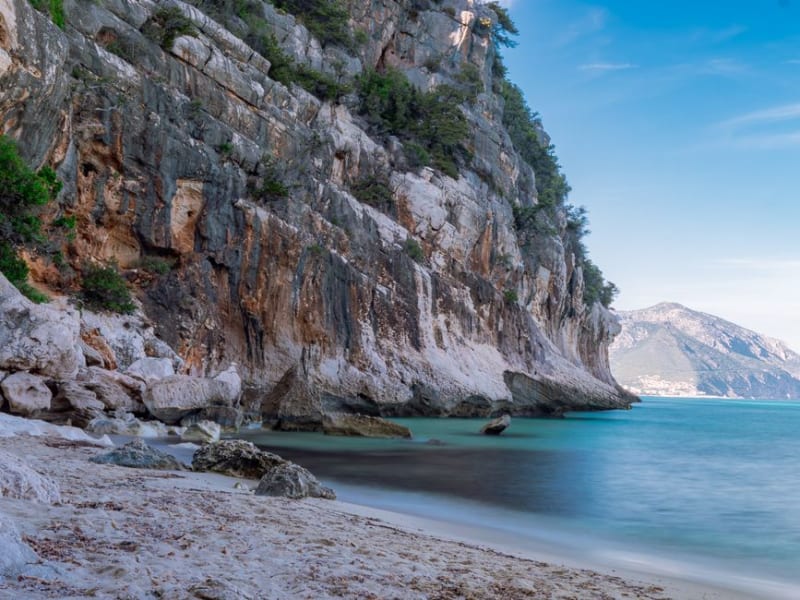 sardinia
 Cala Gonone
A former fishing hamlet turned boat-town gateway to the Gulf of Orosei's hidden coves, where the harbor empties out every morning like a small, cheerful exodus.
Explore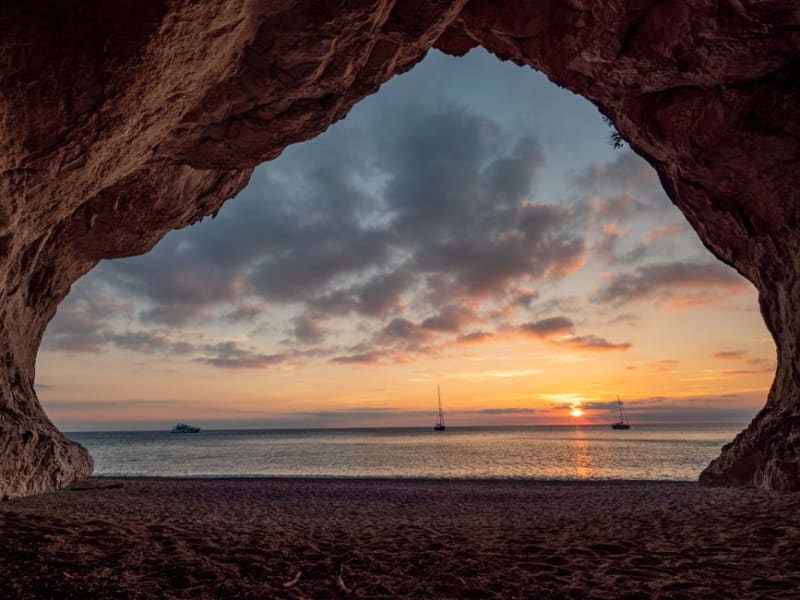 sardinia
 Cala Luna
A crescent of white sand and turquoise water accessible only by boat or a long cliffside hike, backed by a cave system that once sheltered monk seals and now shelters swimmers from the midday sun.
Explore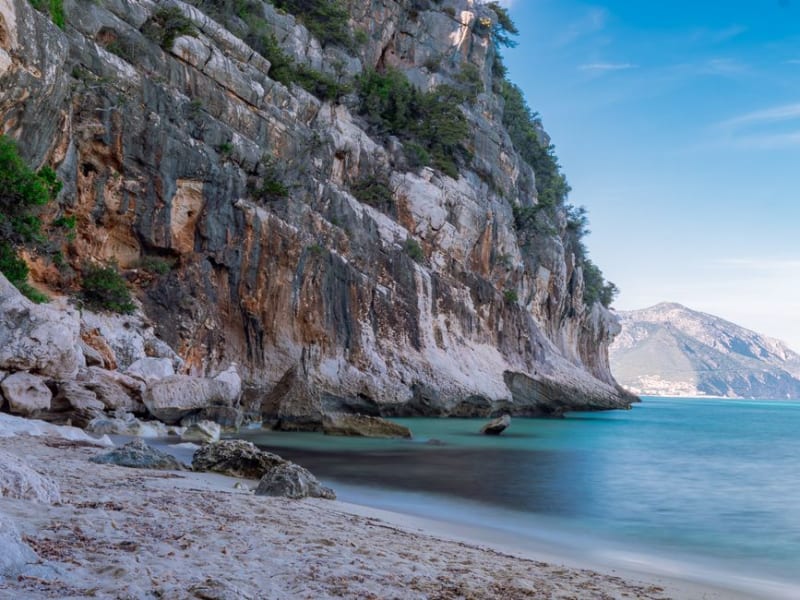 sardinia
 Cala Mariolu
A pebble beach on the Gulf of Orosei famous for stones so small and rounded they look like scattered pearls, set against water that shifts through colors that don't seem geologically reasonable.
Explore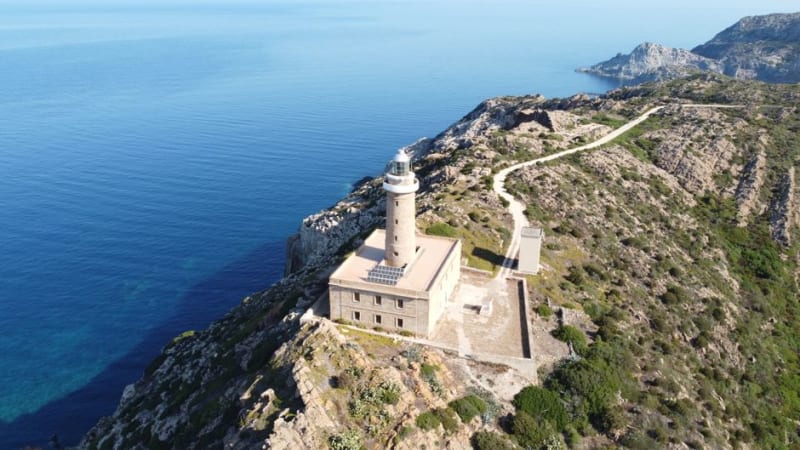 sardinia
 Carloforte
A Ligurian-speaking fishing town on San Pietro Island where Genoese settlers who'd first colonized Tunisia brought couscous into Sardinian cooking and never quite let go of either homeland.
Explore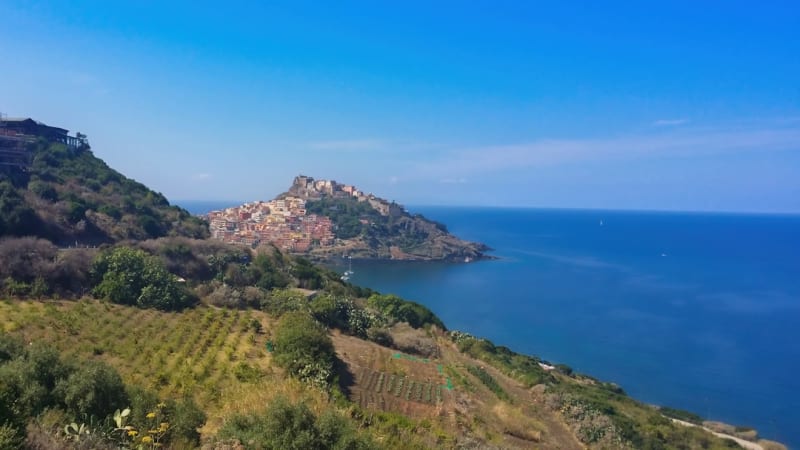 sardinia
 Castelsardo
A fortified hilltop town on Sardinia's north coast where a Doria castle crowns a cluster of pastel houses and the women in the doorways still weave baskets from dwarf palm the way their grandmothers did.
Explore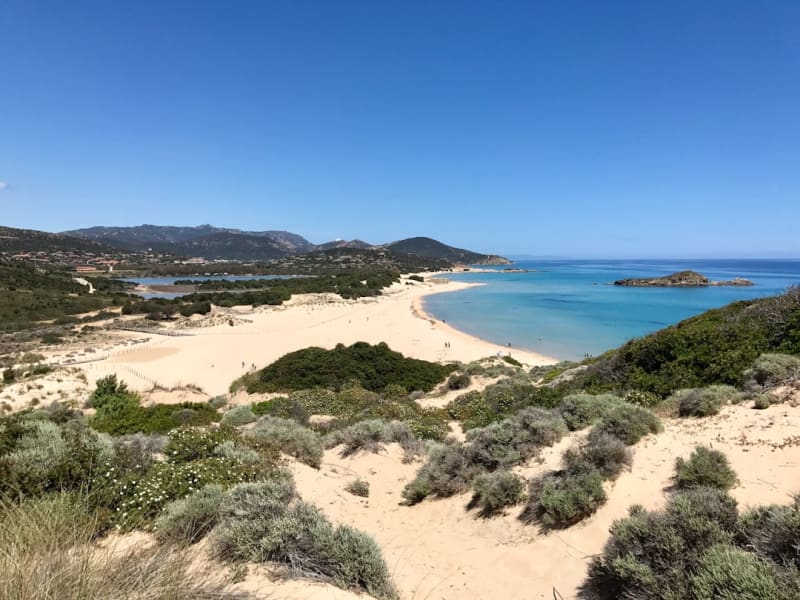 sardinia
 Chia
A stretch of dune-backed beaches on Sardinia's southwest coast where a Spanish watchtower guards sand so fine the wind builds it into small moving hills.
Explore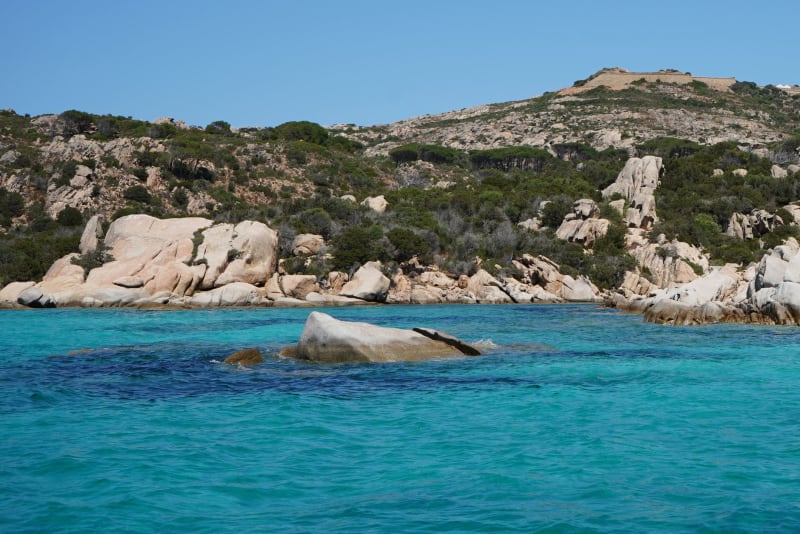 sardinia
 Costa Smeralda
Forty kilometers of granite coastline where the water turns colors that seem engineered rather than natural, if you can get past the yachts.
Explore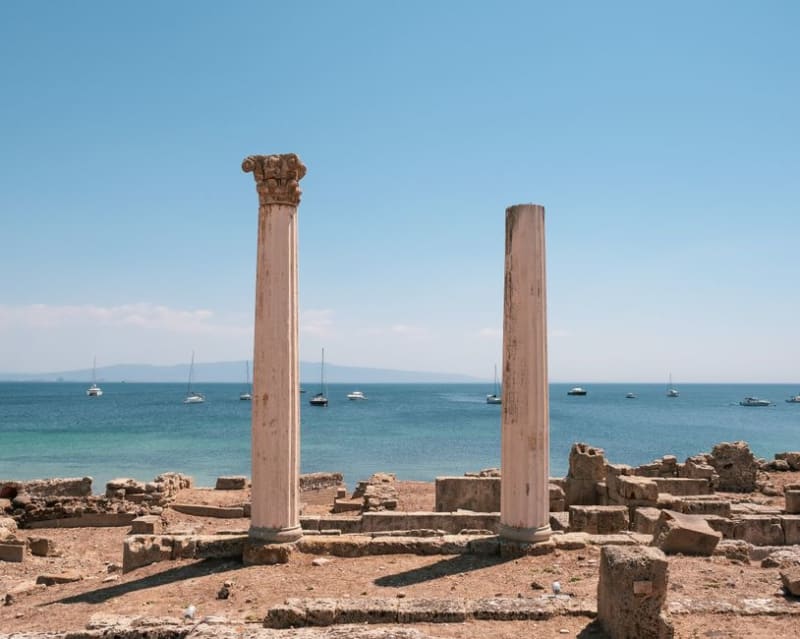 sardinia
 Fordongianus
A small inland town built around Roman thermal baths where hot spring water still pours into the river at 54 degrees, exactly where it has for two thousand years.
Explore