
A Catalan-speaking walled port on Sardinia's northwest coast where the menus read like Spanish and the ramparts glow amber above one of the clearest seas in the Mediterranean.

Alghero throws you. You arrive expecting Sardinia’s usual hermetic logic — rugged, ancient, turned inward — and instead find a walled medieval city where shop signs are written in a language that sits somewhere between Spanish and a dialect you almost recognize. L’Alguer, the locals call it. The Aragonese settled here in the 14th century, brought their own people over, and simply never left. The Catalan they speak today is the last living trace of an empire that long since dissolved, preserved here the way amber preserves flies: perfectly, accidentally, in gorgeous suspension.
The Bastioni at Dusk
The sea-facing ramparts that ring the old town are Alghero’s finest feature and everyone here knows it. Every evening the whole city seems to migrate to the bastioni to walk, slow and unhurried, while the sun drops toward the Ligurian horizon. I joined them one October evening with a paper cone of bottarga-laced fritters from a stand near Torre di San Giovanni. The light went gold, then copper, then something I couldn’t name. Below, the water was so transparent I could see the sandy bottom from twelve meters up. Two old men played cards at a folding table wedged between the wall and a potted oleander. Nobody was in a hurry. It felt like a city that had figured something out.
The Table Deserves Attention
Alghero’s kitchen takes its Catalan inheritance seriously. Aragosta algherese — local lobster cooked slowly with tomato and onion — is the dish the town has organized itself around, and it earns the reputation. I ate mine at a zinc-topped table in a narrow street off the cathedral square, with no tablecloth and no ceremony, mopping the sauce with pane carasau until the plate shone. The fish market on Via Sassari opens before six; I showed up one morning out of stubbornness and watched men in waders argue over sea urchins with the focused intensity of a legal dispute. The urchins I ate later that day, raw, off the half-shell, with nothing but lemon and sea air.
Neptune’s Grotto and the Coast North
Six kilometers west along the cliff road, 654 steps cut into the rock descend to Grotta di Nettuno — a sea cave of cathedral scale with a saltwater pool that glows aquamarine when the light comes through the cave mouth at midday. Boats also make the run from the port if your knees have opinions about stairs. Further north, the peninsula at Stintino narrows to La Pelosa beach, which shows up on every superlatives list and mostly deserves to. Shallow turquoise water over white sand, a small Aragonese tower standing in the surf. I went on a Thursday in early October. Thirty people, give or take. In August, I’m told, it looks like a football stadium.
When to go: May through June gives warm weather without the summer crush. September and October are the sweet spot — the sea holds its warmth, the light is better, and you can get a table at a good restaurant without a reservation from a previous life. Avoid the last two weeks of August entirely, especially near La Pelosa.
Keep exploring
More from Sardinia
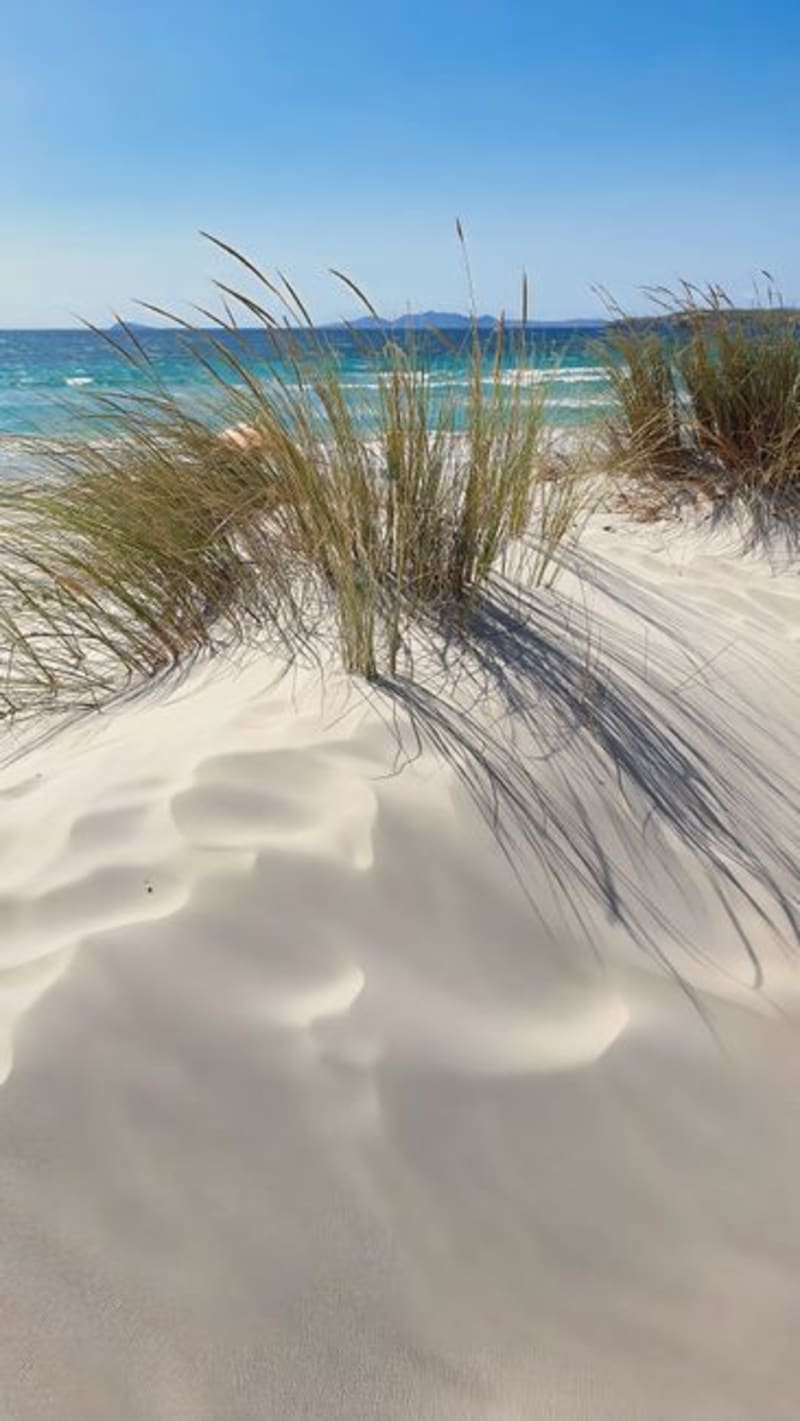 sardinia
 Asinara
A former prison island off Sardinia's northwest tip, now a national park roamed by ghostly white donkeys and abandoned cellblocks slowly returning to nature.
Explore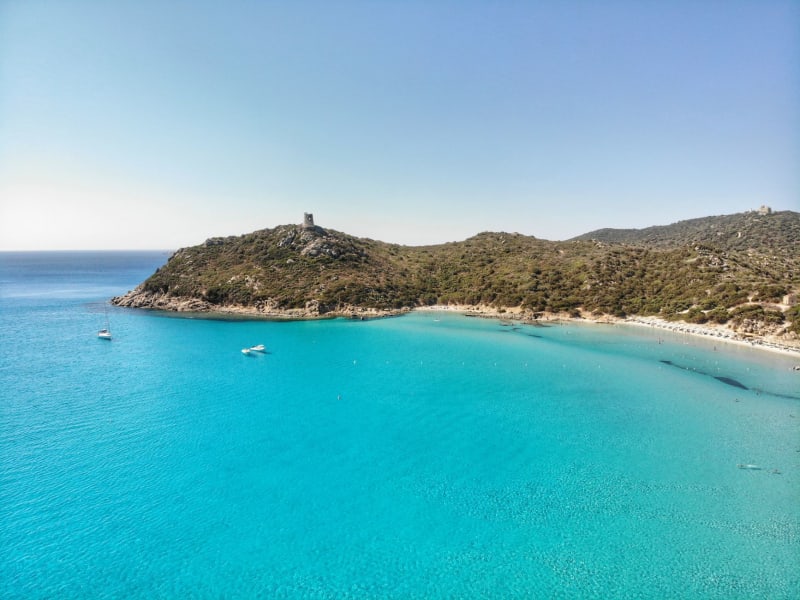 sardinia
 Barbagia
The rugged interior heartland where Sardinian identity was forged in granite and kept alive through centuries of magnificent, deliberate isolation.
Explore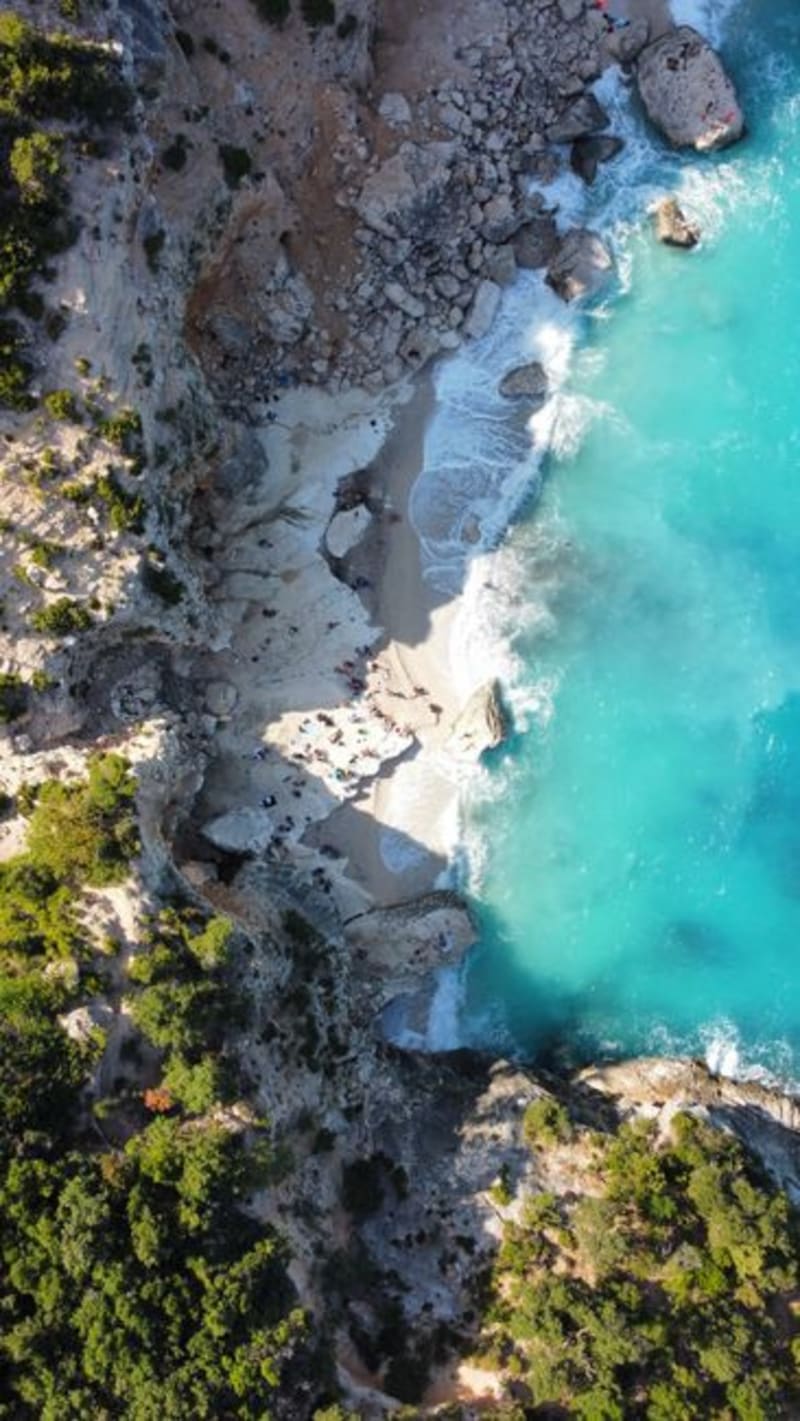 sardinia
 Baunei
A clifftop town perched above the Golfo di Orosei, gateway to the Golgo plateau's sinkholes and the legendary Selvaggio Blu trek along Sardinia's wildest coastline.
Explore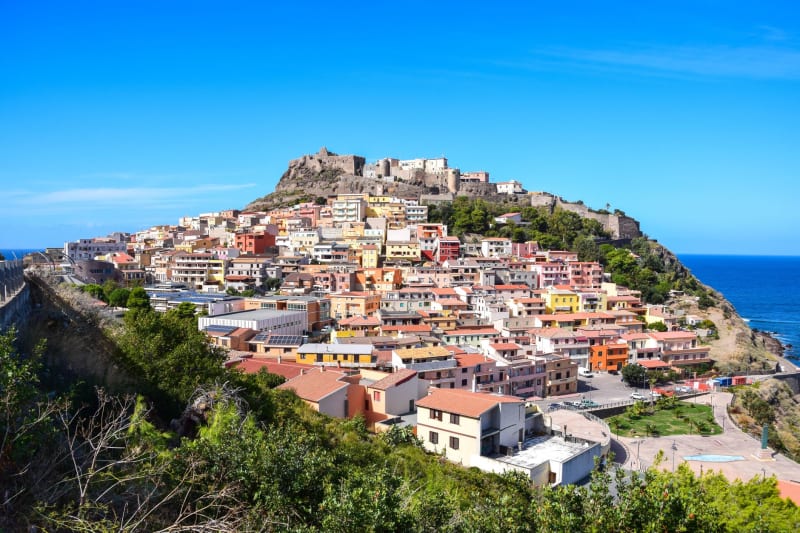 sardinia
 Bosa
A medieval town of faded pastels climbing a riverside hill in western Sardinia, where ancient tanneries line the Temo and the local malvasia wine tastes like nothing you've had before.
Explore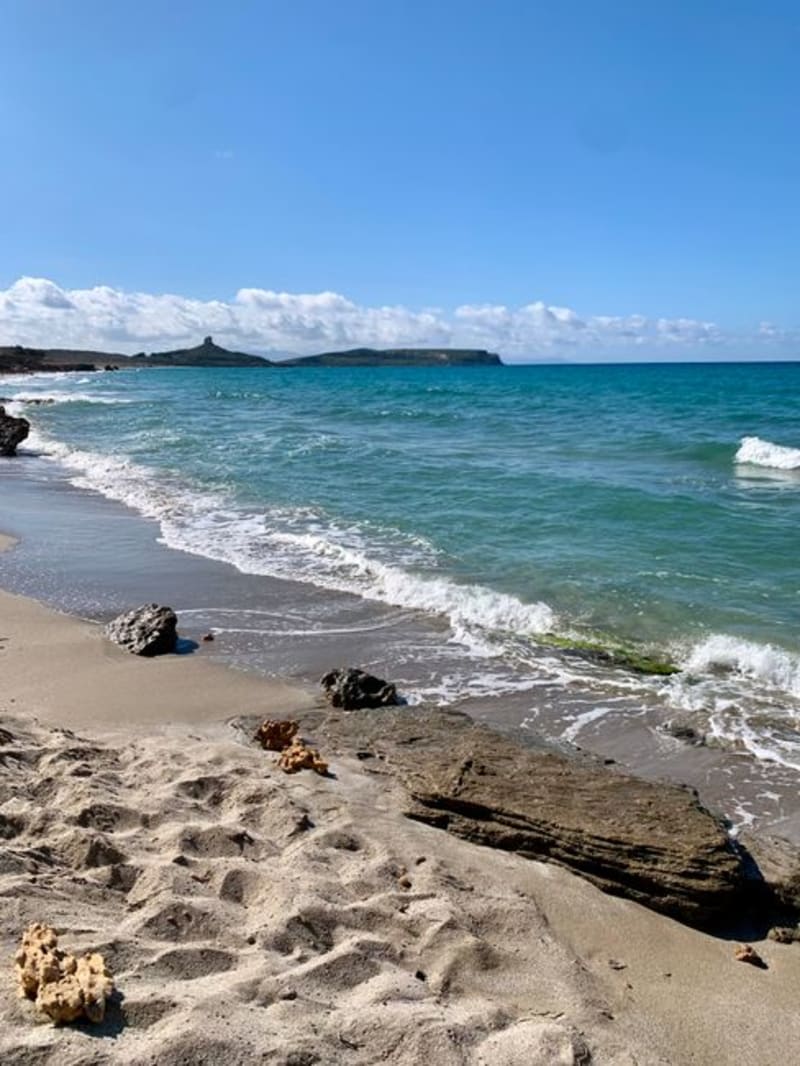 sardinia
 Budoni
An unpretentious east-coast beach town where the sand is soft and the crowd is mostly Sardinian, a low-key alternative to the polish just up the coast.
Explore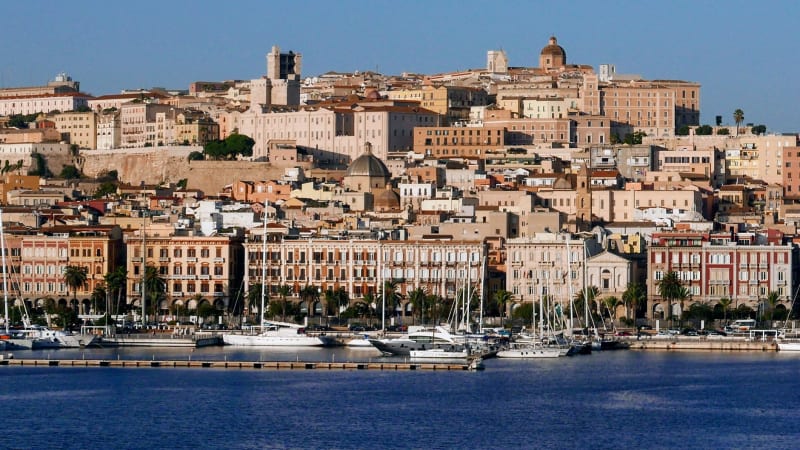 sardinia
 Cagliari
A capital city of flamingo lagoons and fortress hills that seems genuinely uninterested in impressing you — and impresses you anyway.
Explore