
Cala Gonone
"By nine the harbor was nearly empty of boats and full of the people who'd missed the first departure."
A former fishing hamlet turned boat-town gateway to the Gulf of Orosei's hidden coves, where the harbor empties out every morning like a small, cheerful exodus.

Cala Gonone sits wedged between the sea and a wall of limestone mountains that cut it off almost entirely from the rest of Sardinia until a road tunnel was blasted through in the 1950s — before that, the settlement was reachable mainly by boat or mule track, a genuine end-of-the-line fishing hamlet. The tunnel changed everything, and today the town runs almost entirely on its role as gateway to the Gulf of Orosei’s famous coves, but it’s kept a low, practical character that I found more likable than its considerable fame might suggest.
The Morning Exodus
I woke early on my second day specifically to watch the harbor’s morning ritual: a fleet of small boats loading up with towels, coolers, and sunscreen-slicked passengers, departing in a loose, staggered procession toward Cala Luna, Cala Sisine, and Cala Mariolu further south. By nine, the water was dotted with departing wakes and the harborfront cafés had emptied out considerably, the day’s business already underway further down the coast.
Grotta del Bue Marino
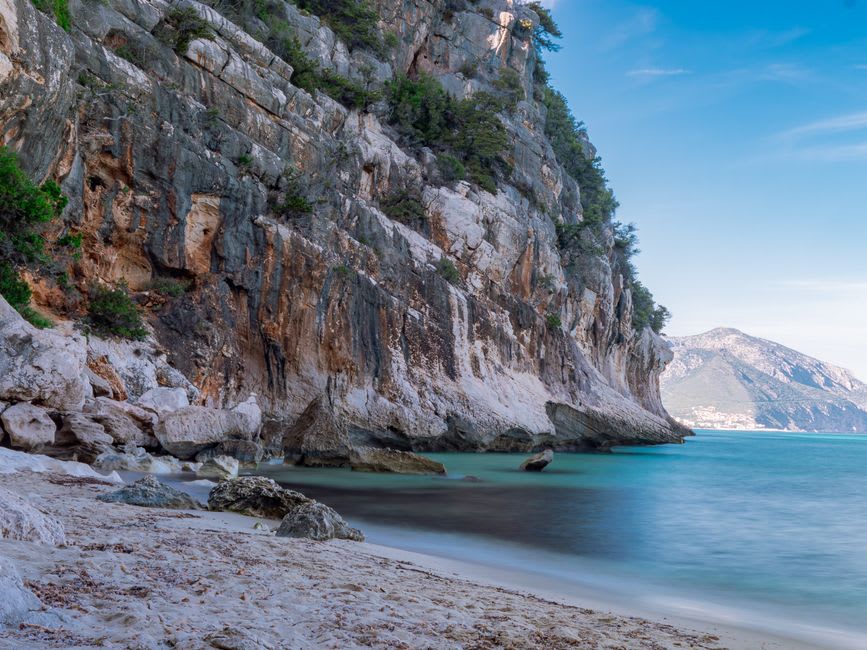
The town’s other major draw sits just south along the coast: the Grotta del Bue Marino, a vast sea cave system named for the monk seals — bue marino, “sea ox” — that once bred here and are now locally extinct, their absence marked with a certain wistfulness by the boat guides who still tell their story. I took the guided walk through the accessible chambers, past stalactites and an underground lake, the boat waiting at the cave mouth the whole time like a patient chaperone, and came out slightly disoriented by the sudden glare after twenty minutes of cool dark.
Staying Behind, on Purpose
I deliberately skipped a boat excursion one day just to have the town largely to myself, and found Cala Gonone’s own small beach, right in the harbor’s lee, entirely pleasant on its own modest terms — not competing with the famous coves, just a decent stretch of sand where local families set up for the whole day without any interest in the boats leaving without them. I ate lunch at a harborside place that evening, grilled cernia (grouper) simply done, and watched the last boats return as the light went orange over the cliffs.

When to go: May, June, and September give calm seas for the boat excursions and a manageable harbor. Book the first departure of the day if you want any real solitude at the coves beyond.
Keep exploring
More from Sardinia
 sardinia
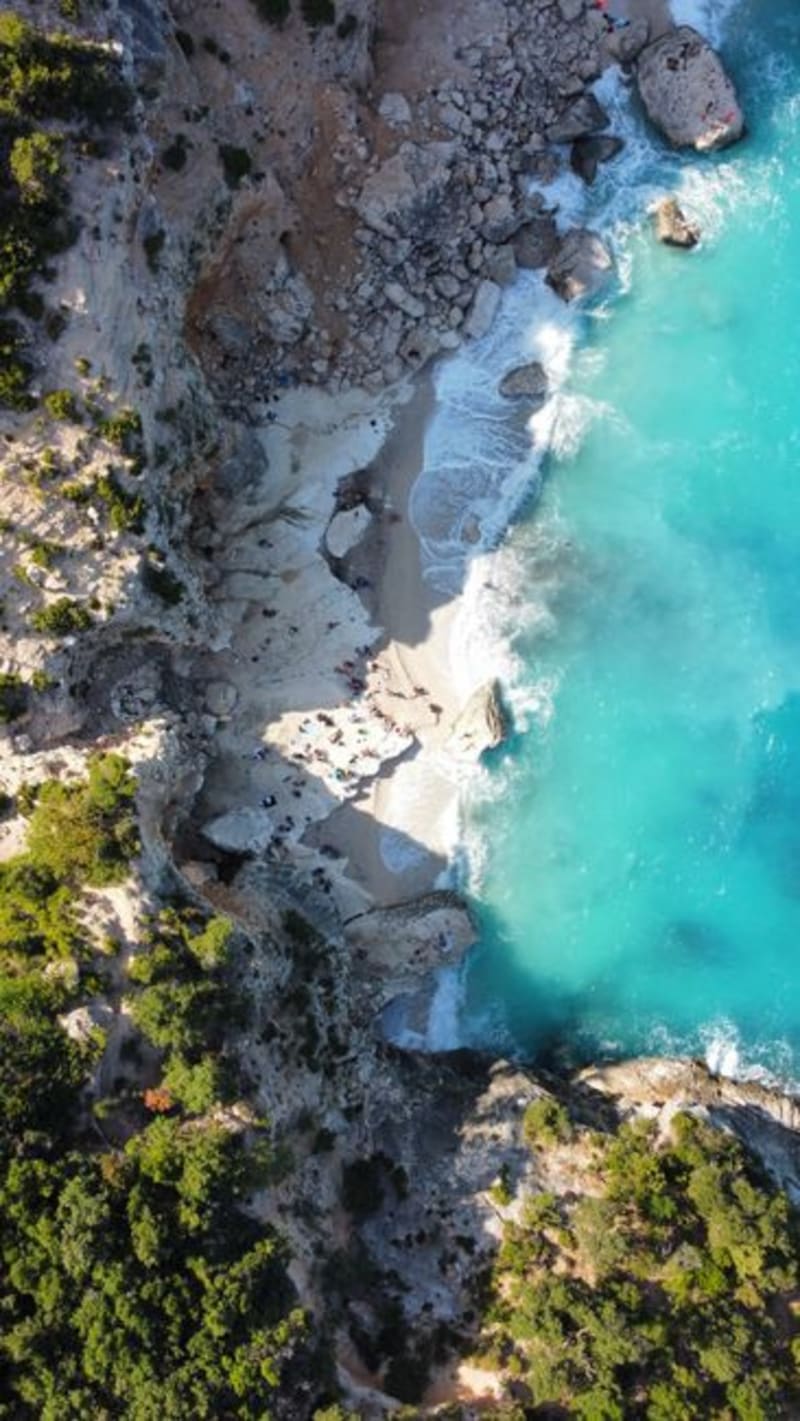
Cala Luna
A crescent of white sand and turquoise water accessible only by boat or a long cliffside hike, backed by a cave system that once sheltered monk seals and now shelters swimmers from the midday sun.
Explore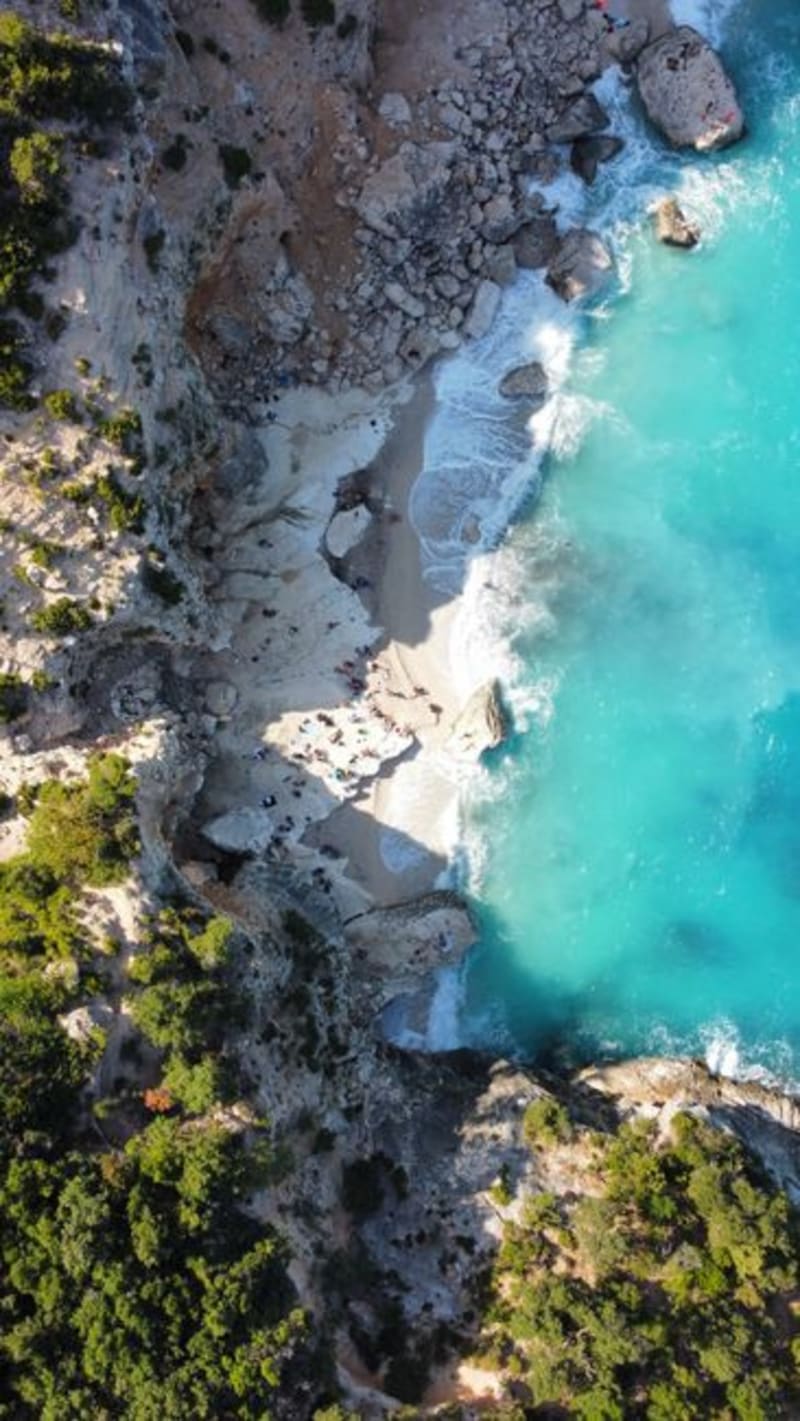 sardinia
Cala Mariolu
A pebble beach on the Gulf of Orosei famous for stones so small and rounded they look like scattered pearls, set against water that shifts through colors that don't seem geologically reasonable.
Explore sardinia
Carloforte
A Ligurian-speaking fishing town on San Pietro Island where Genoese settlers who'd first colonized Tunisia brought couscous into Sardinian cooking and never quite let go of either homeland.
Explore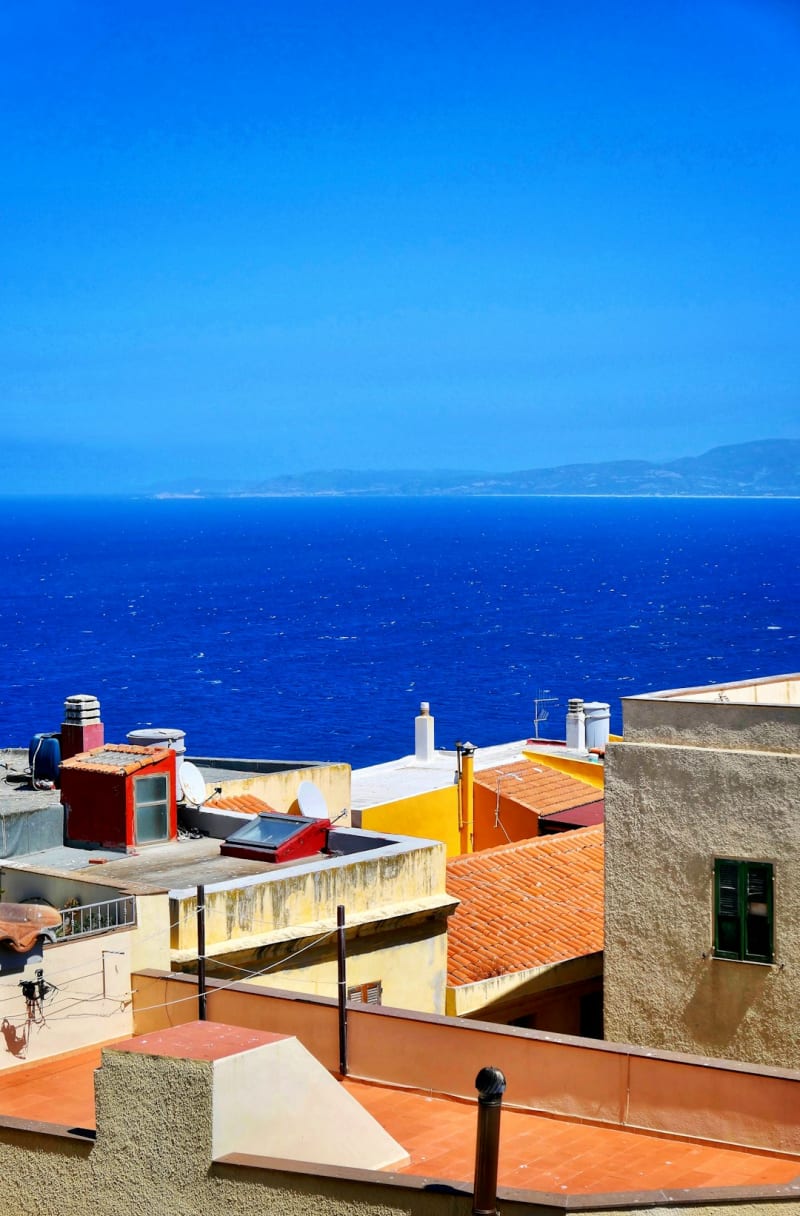 sardinia
Castelsardo
A fortified hilltop town on Sardinia's north coast where a Doria castle crowns a cluster of pastel houses and the women in the doorways still weave baskets from dwarf palm the way their grandmothers did.
Explore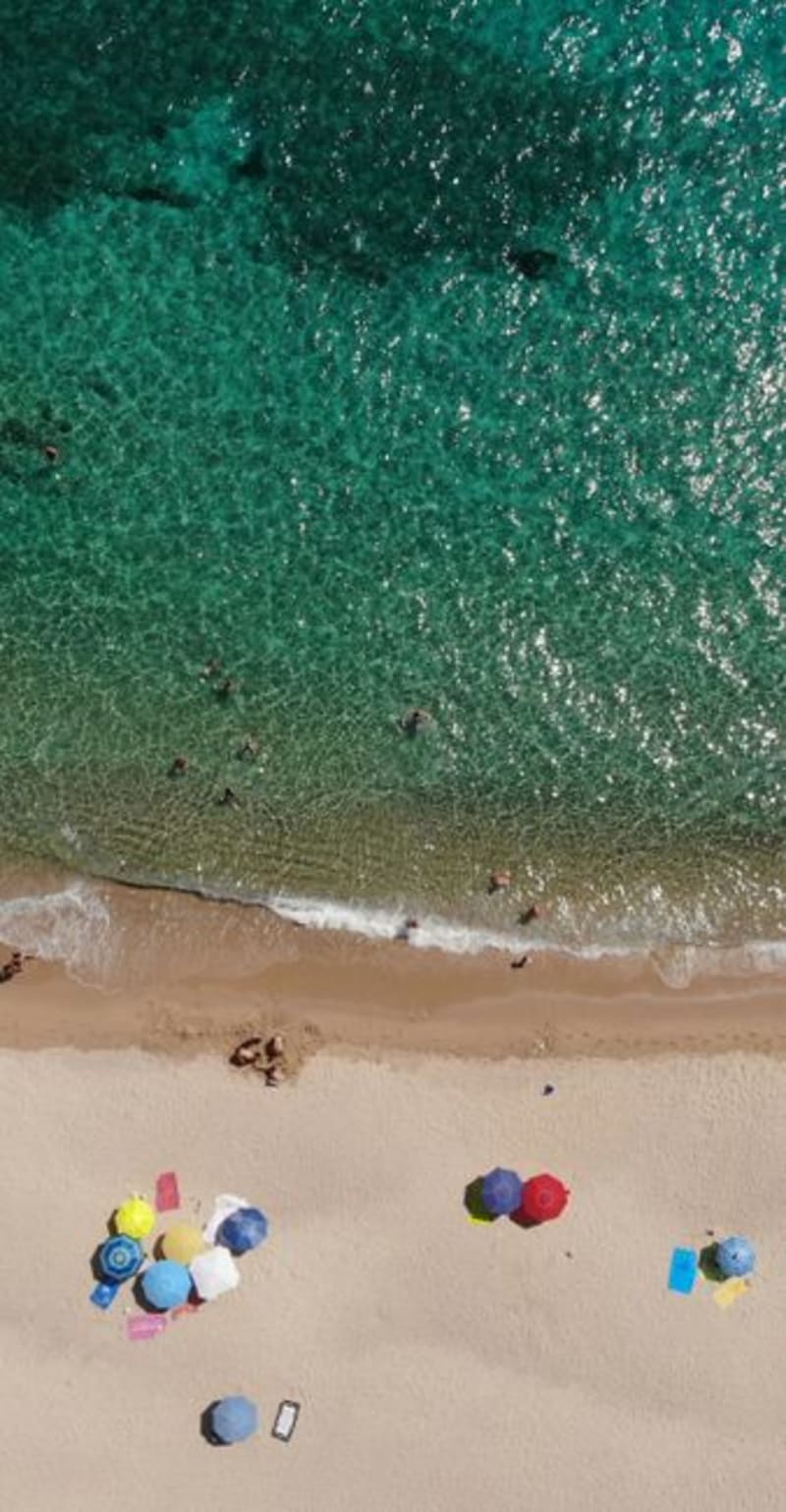 sardinia
Chia
A stretch of dune-backed beaches on Sardinia's southwest coast where a Spanish watchtower guards sand so fine the wind builds it into small moving hills.
Explore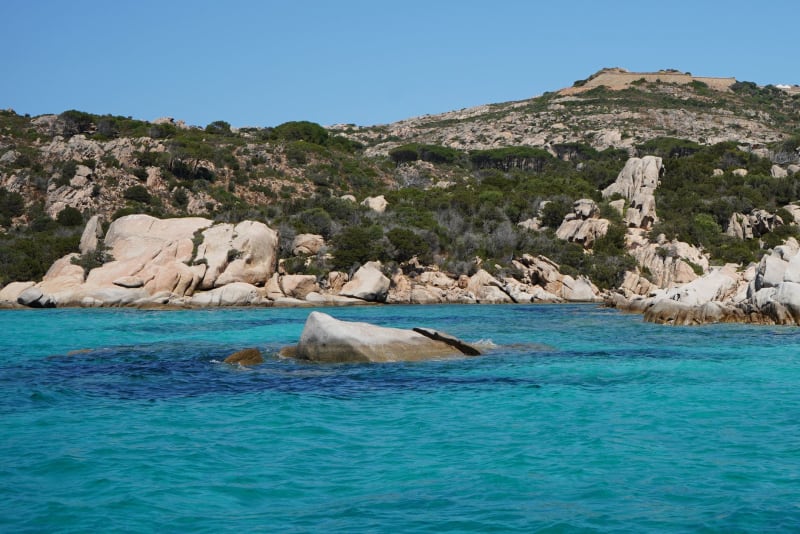 sardinia
Costa Smeralda
Forty kilometers of granite coastline where the water turns colors that seem engineered rather than natural, if you can get past the yachts.
Explore