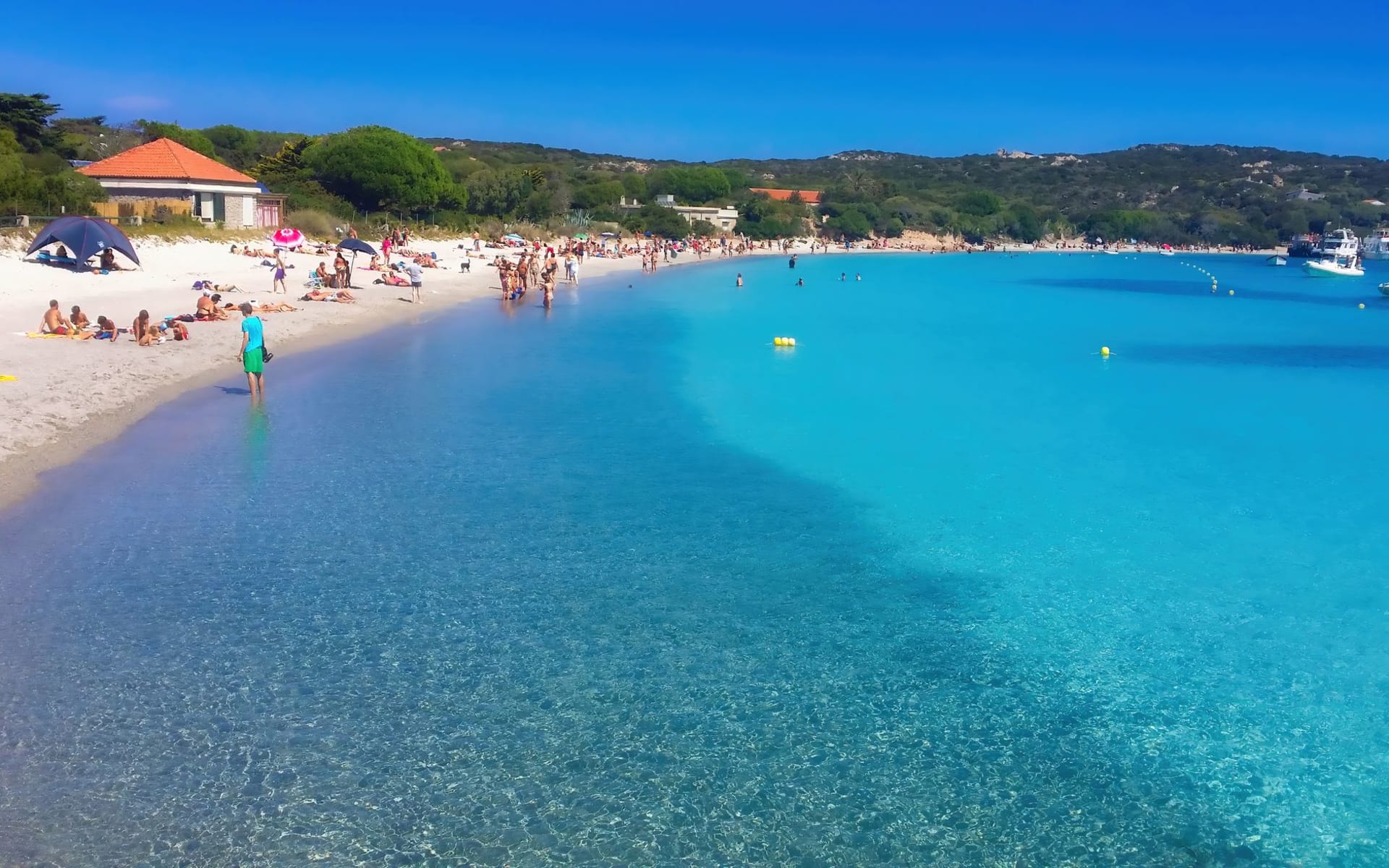
A pink granite archipelago off Sardinia's northeastern tip where fourteen islands of sculpted rock and improbable water sit inside a national park that Garibaldi once called home.

You take the ferry from Palau — fifteen minutes across the Strait of Bonifacio, the gap of water between Sardinia and Corsica that narrows here to eleven kilometers of whitecapped channel. La Maddalena town greets you on the other side with a scruffy harbor, a good bar, and a network of roads leading to the smaller islands of the archipelago that will consume whatever time you have and leave you wanting more. The national park that covers the seven main islands and their surrounding sea was established in 1994 and has, largely, worked: the water inside it is among the cleanest in the Mediterranean, the pink granite coastline is mostly intact, and the boats that crowd the most famous coves by midday in August have at least to anchor outside them and lower dinghies, which prevents the worst.
The Granite Landscape
The geology here is the first thing. Sardinia’s northeastern corner and southern Corsica share a vast mass of pink and grey granite that the sea has spent millennia eroding into forms that look less like natural formations and more like things someone arranged. Rounded boulders the size of houses balance on smaller boulders. Smooth rock shelves drop straight into ten meters of water. Coves form in the angles between rock faces, sheltered from wind, their sand white and fine and pushed there over centuries by the current. I spent a morning on Spargi island working my way around its granite coast by kayak, pulling into coves that had no names on my map, swimming in water so transparent I had to look twice to confirm I was actually in it.
Caprera and Garibaldi
A causeway connects La Maddalena island to Caprera, where Giuseppe Garibaldi — the figure who did more than anyone to make Italy a country — retired in 1857 and spent the years between campaigns farming, writing letters, and presumably thinking about the next campaign. His house, the Compendio Garibaldino, is preserved exactly as he left it: the small iron bed, the poncho from South America, the rifle above the door, the garden he planted. Garibaldi was buried in the garden in 1882 and is still there. I found it unexpectedly moving — not the patriotic version, but the human one. The scale of the rooms, the modesty of the furniture, the view of the sea through the window. Whatever he was in the history books, here he was just a man who liked the sea.
The Water
The Strait of Bonifacio is one of the windiest passages in the Mediterranean, and it feeds the waters of the archipelago with a constant slow circulation that keeps them clear and cold and alive. Posidonia seagrass meadows cover the sandy bottoms and support fish populations that most of the Tyrrhenian Sea has given up on. I snorkeled off the rocks at Cala Coticcio on Caprera — a cove the Sardinians call la Tahiti, which is hyperbole that’s also nearly accurate — and counted octopus, sea bream, a moray eel, and a sea turtle that tolerated my presence for about thirty seconds before deciding it had somewhere to be. Lia stayed in until her lips turned blue and then stayed in a while longer.
La Maddalena Town
The town itself rewards an evening. The waterfront lungomare runs past moored fishing boats and the odd military vessel — the archipelago hosted a US Navy submarine base until 2008, which left behind some strange architecture and a community still working out what it is without that defining presence. There are good places to eat frittura di paranza (the mixed fried small fish that the islands do well), and the market near the ferry terminal sells honey and capers and the dried herbs that grow wild on the granite hillsides and smell, when you open the bag, like the whole interior of Sardinia compressed into a small paper packet.
When to go: May and June for the best combination of good weather, operational boat services to the smaller islands, and manageable visitor numbers. The park gets genuinely overcrowded in July and August — the coves are beautiful but the anchorages look like a floating city. September is excellent and often underrated: the water is at its warmest, the crowds have thinned, and the light on those pink granite boulders in the afternoon is the kind of thing you find yourself trying to describe to people who weren’t there.
Keep exploring
More from Sardinia
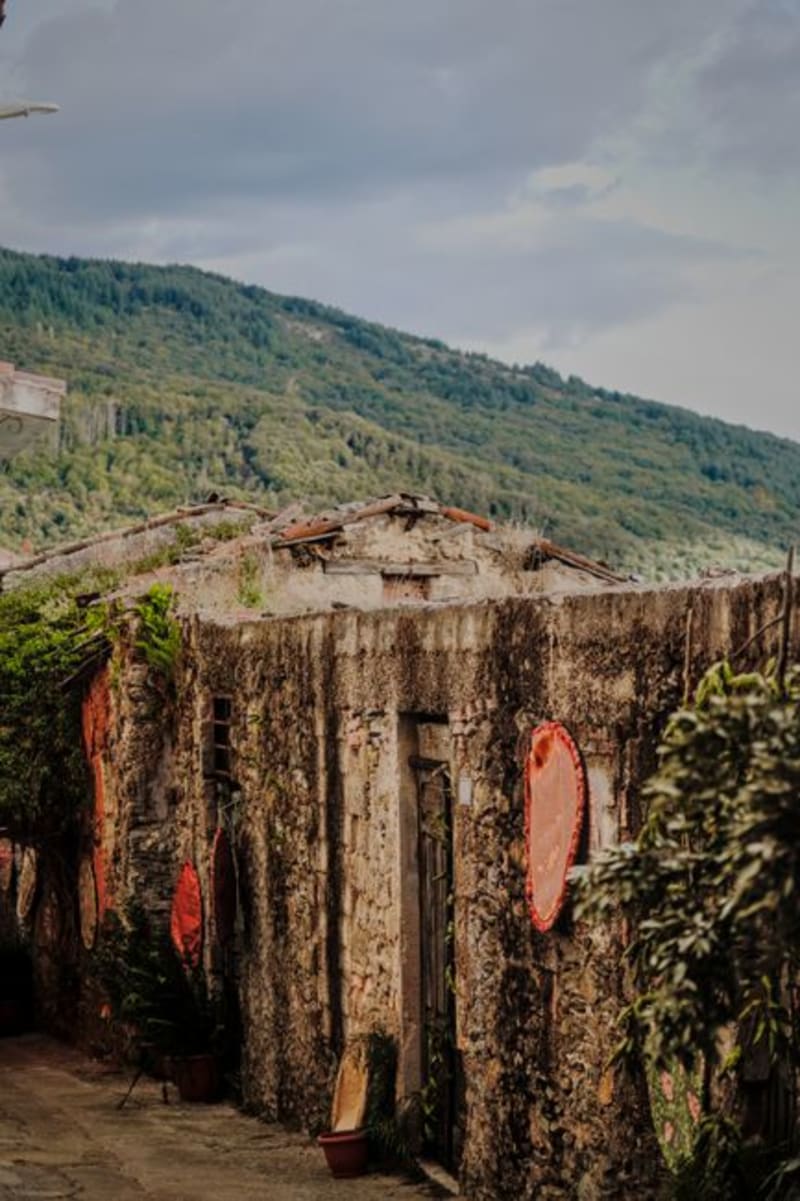 sardinia
Mamoiada
A Barbagia village whose entire identity centers on the Mamuthones, dark wooden masks and heavy cowbells worn in a carnival ritual whose origins nobody can fully explain.
Explore sardinia
Nora
A Phoenician-Roman city slowly being reclaimed by the sea near Pula, where mosaic floors run right up to the waterline and a Roman theater still faces the water it was built to overlook.
Explore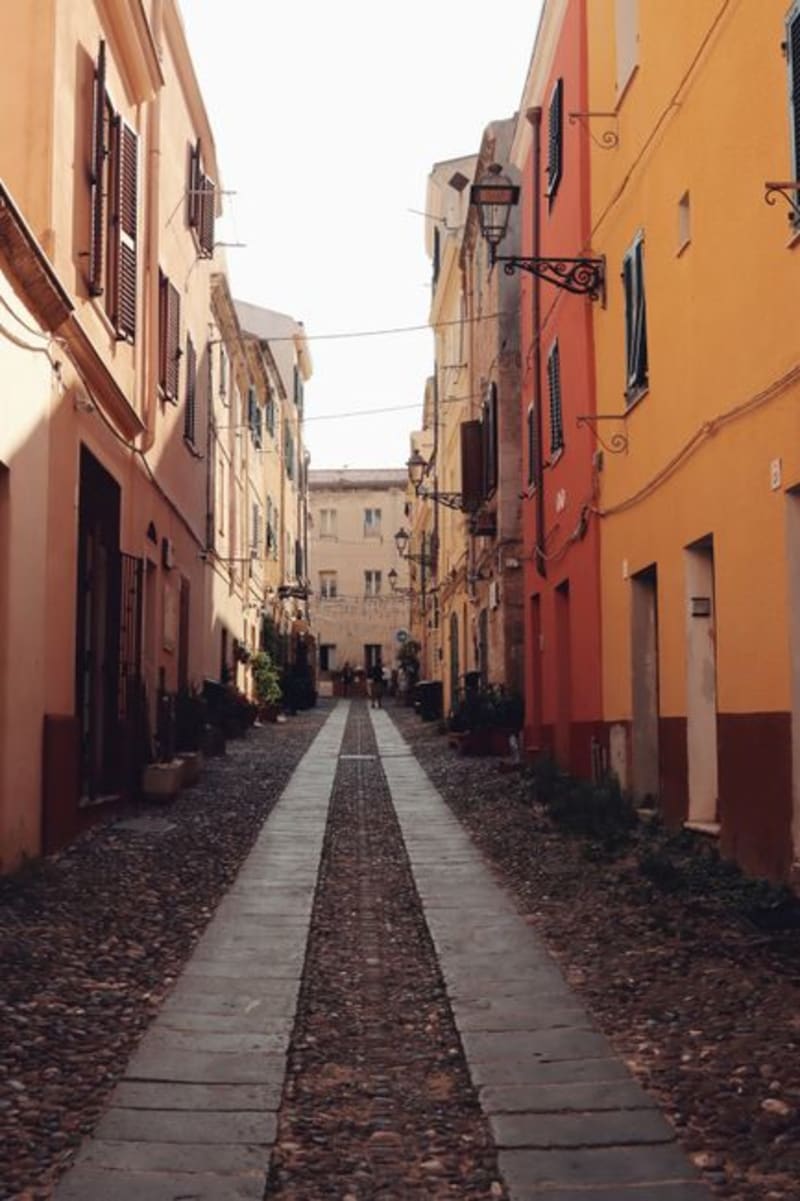 sardinia
Nuoro
A mountain town beneath Monte Ortobene that produced more of Sardinia's great writers than any other, and still feels more concerned with literature than with tourists.
Explore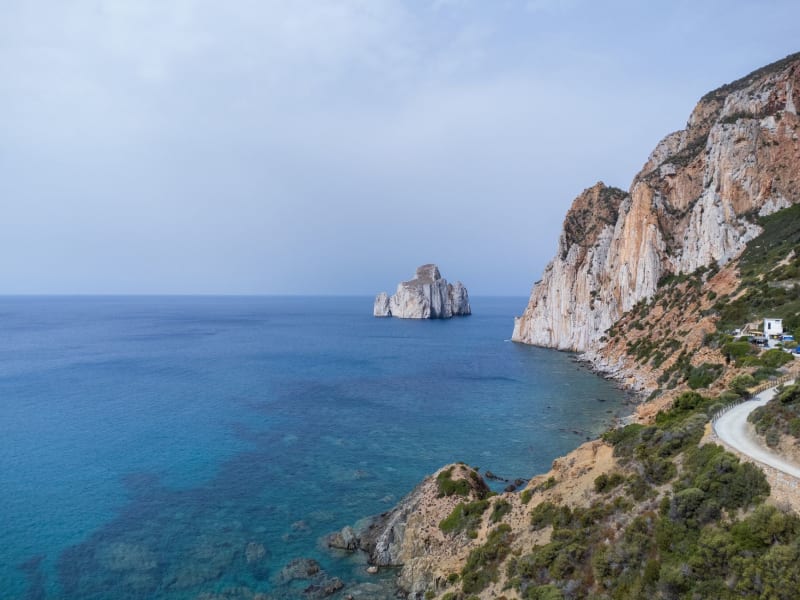 sardinia
Ogliastra
Sardinia's most dramatic eastern coast, where the Gennargentu mountains drop straight into the Tyrrhenian and limestone cliffs hide coves reachable only by boat or the kind of trail that tests your commitment.
Explore sardinia
Olbia
Sardinia's main port city, dismissed by most as a place to fly through on the way to the coast, but holding two thousand years of layered history in a compact, unpretentious center.
Explore sardinia
Orgosolo
A Barbagia mountain village where every wall is a political mural and the air carries woodsmoke and the smell of aging pecorino.
Explore