
Palau
"The rock genuinely looks like a bear. I spent longer confirming this than I'd like to admit."
A working ferry port on Sardinia's northeast coast that doubles as the easiest gateway to the La Maddalena archipelago, with a granite bear keeping watch over the strait.

Palau exists, in the practical sense, to get people onto boats — it’s the main departure point for the ferries and pleasure craft that run out to La Maddalena and Caprera, and most visitors treat it as a place to pass through rather than stay. I think that’s a mistake, or at least an incomplete read of the town, because Palau on its own terms — a low harbor grid backed by pink granite hills, with the Costa Smeralda’s polish notably absent — has a working-port character that I found more relaxing than most of its glossier neighbors.
Roccia dell’Orso
The town’s genuine landmark sits on a hilltop above the port: a granite boulder, sculpted by millennia of wind erosion, that from the right angle resolves unmistakably into the shape of a bear rearing on its hind legs. The Roccia dell’Orso has apparently been used as a navigational landmark since antiquity — Roman sailors reportedly referenced it — and climbing up to it in the late morning gave me a full panorama of the strait, La Maddalena’s islands scattered across turquoise water, and Corsica’s outline further north. I circled the rock formation twice, partly for the view and partly out of genuine disbelief at how precisely nature had carved something so specific.
Port Life, Unhurried
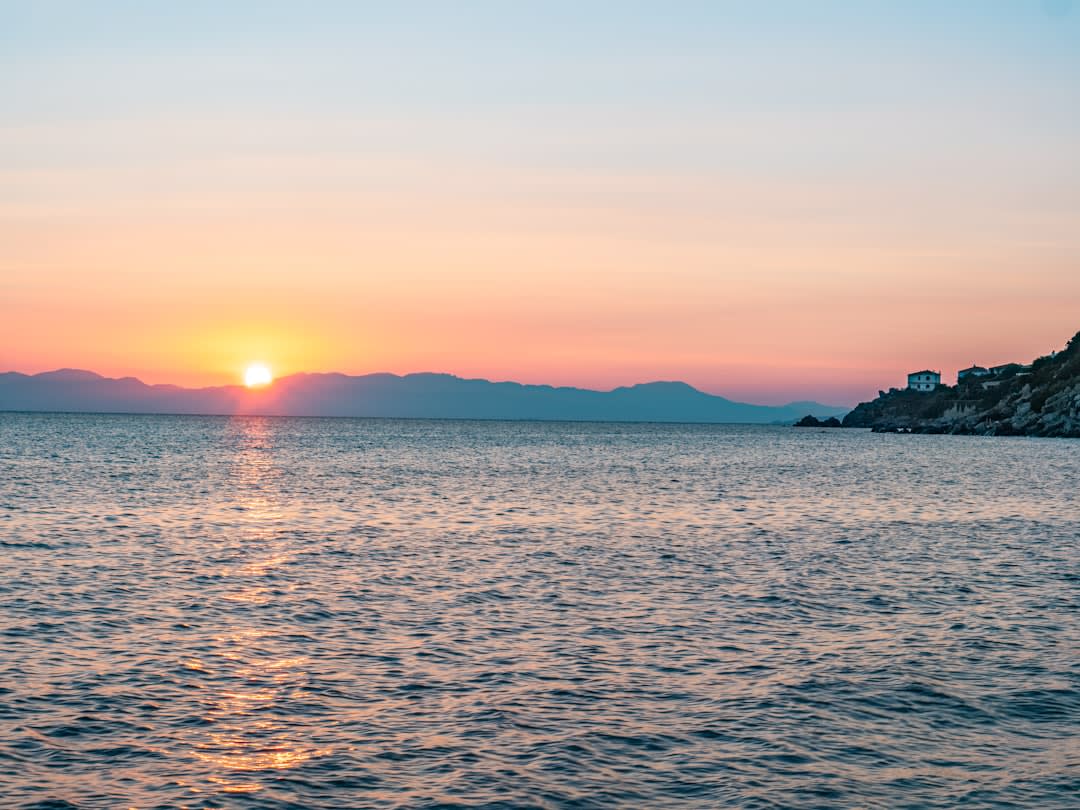
Down at sea level, Palau’s harborfront does its own quiet version of the evening passeggiata — fishermen mending nets beside the ferry terminal, families eating gelato on benches facing the water, the modest procession of yachts and sailboats coming and going toward the archipelago. I ate a plate of spaghetti ai ricci — sea urchin pasta, a specialty up and down this coast — at a small trattoria a block back from the water, cheaper and less fussy than anything I’d found in Porto Cervo twenty minutes south, and arguably better.
The Ferry Out
Come morning, I took the short ferry crossing to La Maddalena, watching Palau’s granite hills recede while the archipelago’s islands sharpened into view ahead — a crossing so brief it barely counts as a journey, more like walking through a very wet doorway between two different versions of this coast. Whatever else Palau is, it earns its keep as a threshold, and thresholds, I’ve come to think, deserve more attention than they usually get.

When to go: May through June and September give easy ferry access to the islands without August’s booked-out crossings. Climb Roccia dell’Orso in the late afternoon, when the low light picks out the granite’s texture best.
Keep exploring
More from Sardinia
 sardinia
Sant'Antioco
An island connected to Sardinia by a Roman-era causeway, where a Phoenician necropolis sits beneath the town and one of the last people alive still weaves sea silk by hand.
Explore sardinia
Santa Teresa Gallura
Sardinia's northernmost town, where granite cliffs shaped like folded dough drop into water so clear you can see Corsica on the horizon and the seafloor at the same glance.
Explore sardinia
Sassari
Sardinia's second city and its intellectual counterweight to Cagliari, a dense university town of baroque churches and covered markets that most coastal visitors never bother to see.
Explore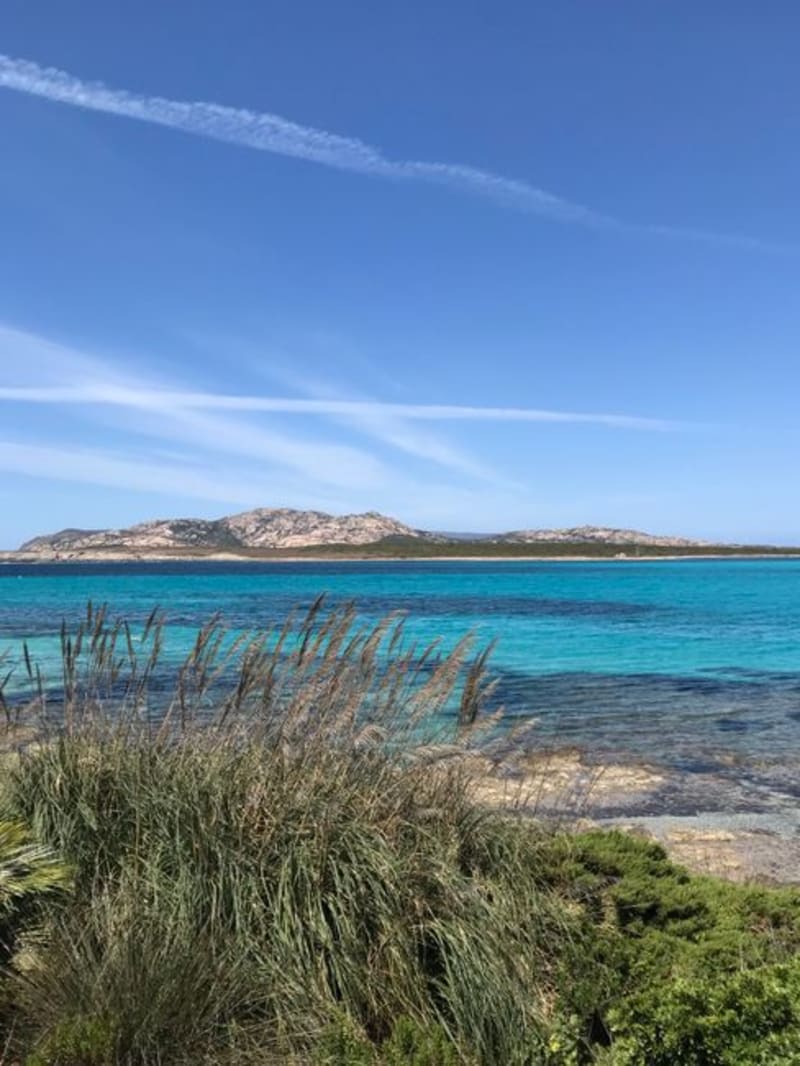 sardinia
Stintino
A fishing village founded in 1885 by families evicted from Asinara island, now famous for the pink-white sand and Caribbean-blue water of the Spiaggia della Pelosa just up the coast.
Explore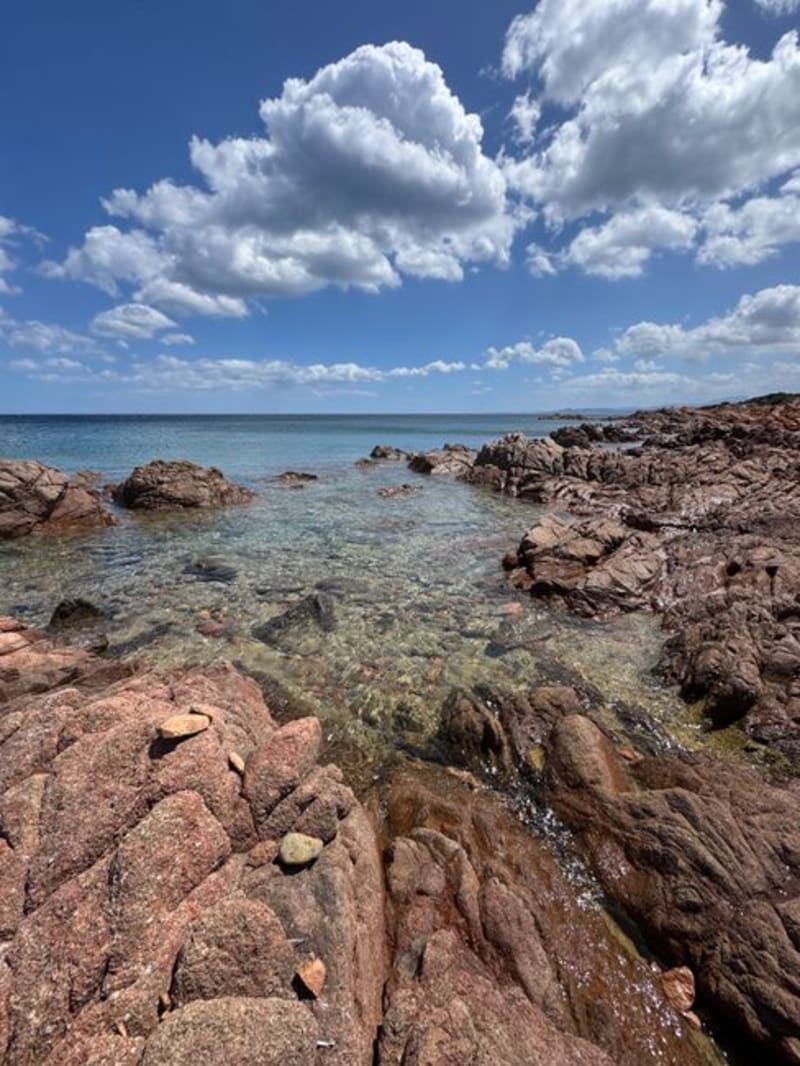 sardinia
Su Gologone
A karst spring near Oliena where blue-green water pours out of the mountain at a steady, ancient rhythm, beside a restaurant that has spent decades perfecting the Barbagia's mountain cooking.
Explore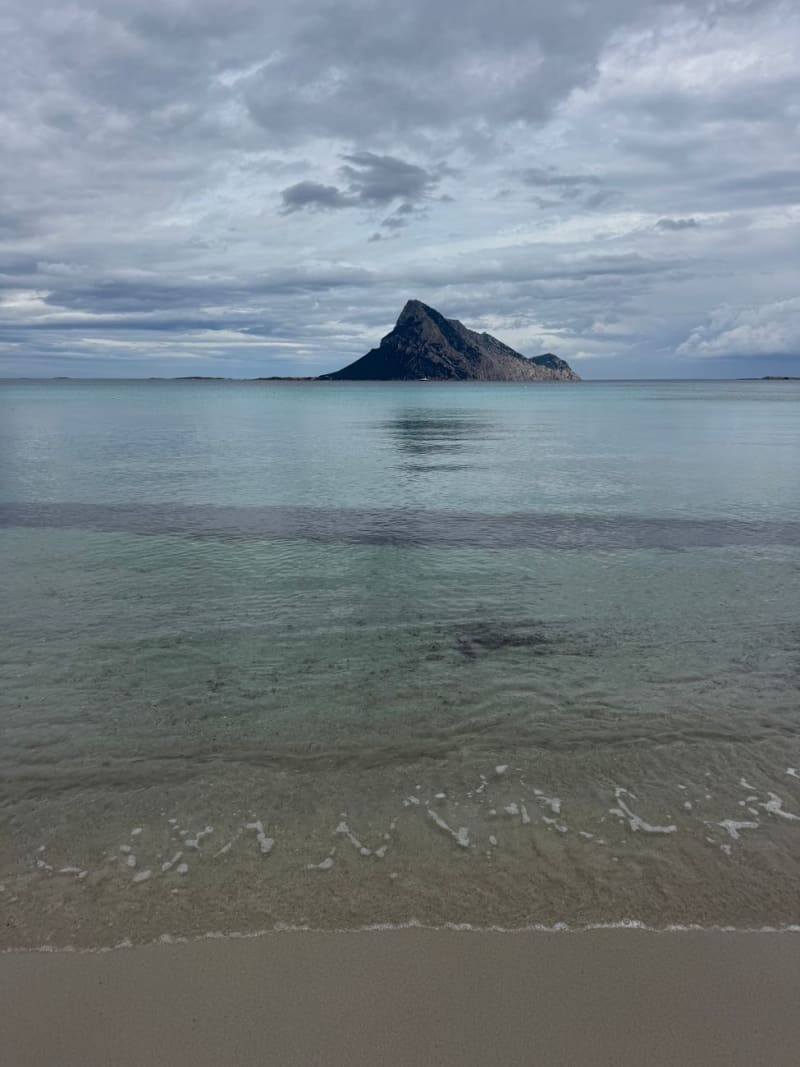 sardinia
Su Nuraxi di Barumini
A 3,600-year-old Bronze Age tower fortress in Sardinia's interior — the island's strangest, oldest, and most overlooked monument.
Explore