Europe
Romania
"Transylvania is real, and that's the most unsettling thing about it."
Fortified Saxon villages, wolf-haunted Carpathian forests, and medieval towns that feel like they were sealed in amber and only just reopened.
I arrived in Cluj-Napoca on a night train from Budapest and stepped onto the platform into air that smelled of pine resin and cold stone. It was October. The Carpathians were somewhere in the dark beyond the city’s edge. I had been warned by everyone — friends, guidebooks, random strangers — that Romania was rough, chaotic, hard to navigate. None of it was true. What I found instead was a country that has been so thoroughly undersold that every good thing hits you like a small correction to a long-running lie.
Transylvania is the region everyone thinks they know. They picture fog, vampire castles, and theatrical excess. What they get, if they actually go, is something far more interesting: a cultural palimpsest layered with Romanian, Hungarian, and Saxon German history, where fortified churches in tiny villages were built by medieval Transylvanian Saxons who are now mostly gone, leaving behind an architectural inheritance that UNESCO scrambled to protect. I spent three days driving the back roads between Sighișoara — the only inhabited medieval citadel in Europe, and genuinely extraordinary — and Viscri, a village so preserved that the cobblestones feel like they were laid last Tuesday. The painted interiors of those Saxon churches, the geese on the roads, the lack of any tourist infrastructure beyond a few guesthouses run by women who serve homemade plum brandy before breakfast — it was one of the most disorienting and satisfying stretches of travel I have done in Europe.
The Carpathians themselves deserve more attention than the castles. The hiking is excellent, the bears are real and plentiful, and the shepherding culture in the highlands — tuică at altitude, sheep cheese wrapped in bark — belongs to a world that most of Western Europe buried in the 1970s. Bucharest, meanwhile, is a city that has not yet decided what it wants to be, which makes it endlessly interesting: communist-era boulevards that dwarf the Champs-Élysées, a warehouse arts scene that reminds me of Berlin fifteen years ago, and an old quarter that hums with bars and restaurants serving one of the most underrated cuisines in Europe.
When to go: May to June for hiking and village travel before summer crowds. September and October are ideal — the forests turn gold and copper, the temperatures drop to something bearable, and Transylvania takes on the atmosphere that every horror film has been trying to approximate since Nosferatu.
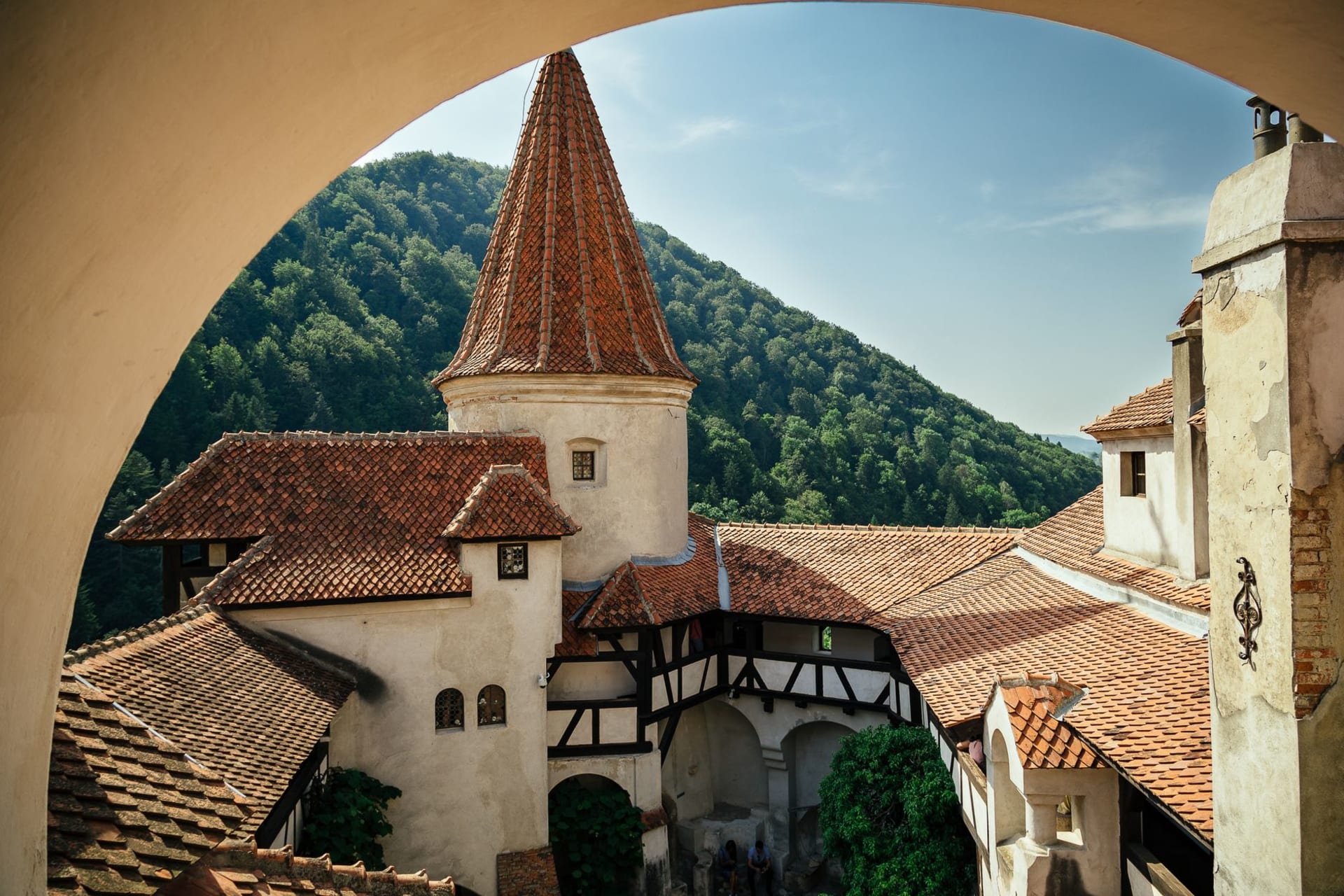
What most guides get wrong: They route everyone through Bran Castle because of the Dracula association, when in reality it is a modestly interesting fortress with an overwhelming gift shop. Vlad the Impaler barely slept there. The real draws are Sighișoara, Sibiu, and the fortified villages that no one has heard of. Skip the branded vampire trail. Hire a car, get off the main roads, and let Romania be the complicated, beautiful, slightly bewildering country it actually is.
Explore
Places in Romania
 romania
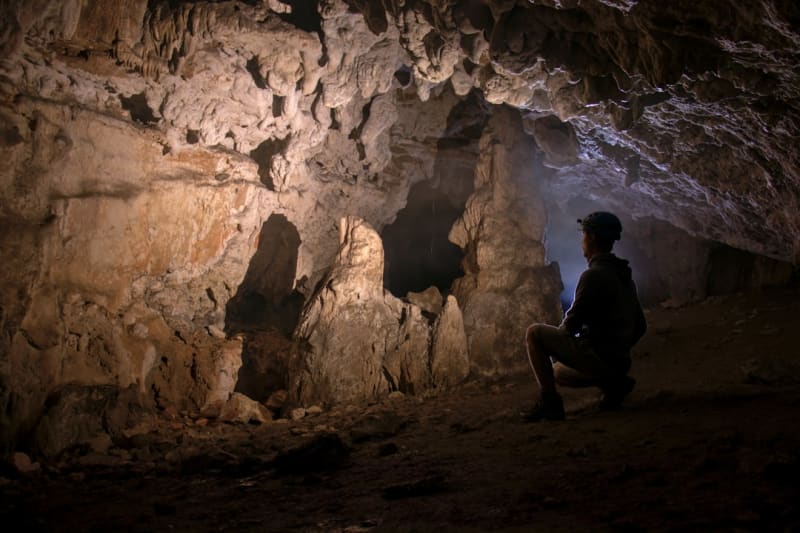
 Apuseni Mountains
Western Romania's karst plateau hides ice caves, limestone gorges, and villages that have organized themselves around the mountain rather than despite it.
Explore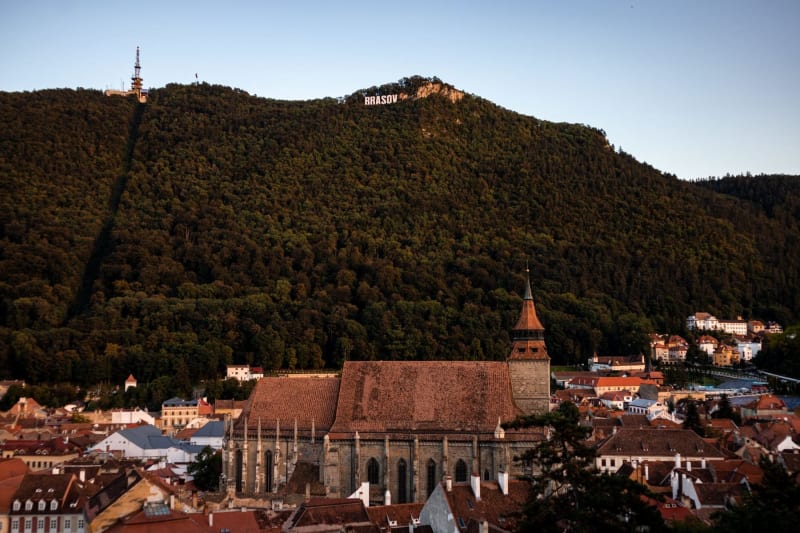 romania
 Brasov
A Gothic Saxon city at the foot of the Carpathians where medieval walls, a Black Church, and Hollywood-worthy mountain scenery converge.
Explore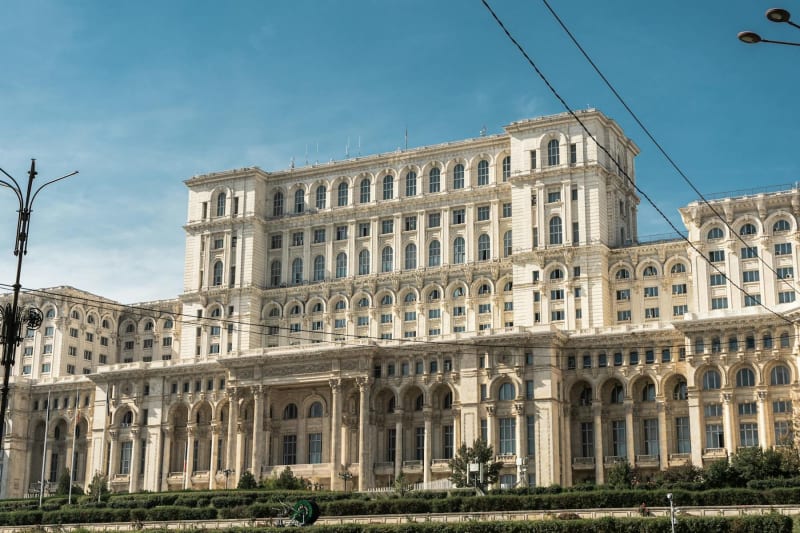 romania
 Bucharest
A city of radical contrasts — Belle Époque mansions crumble beside Ceausescu's megalomaniac Palace of Parliament in a capital still becoming itself.
Explore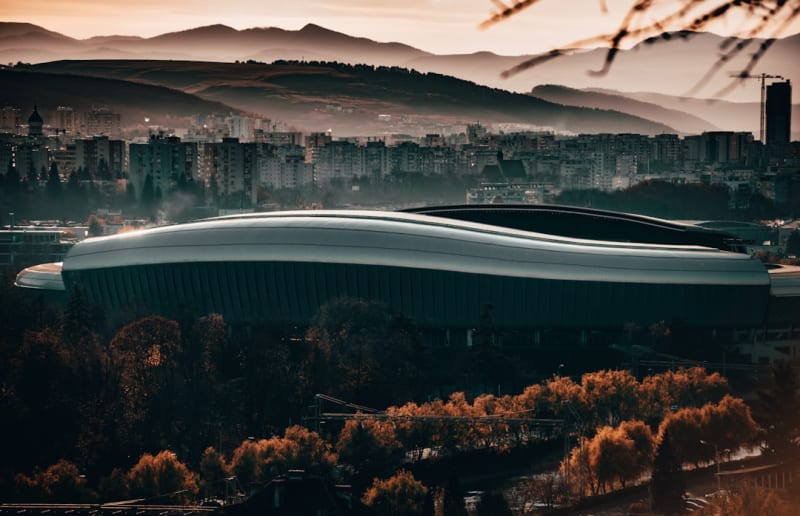 romania
 Cluj-Napoca
Transylvania's student capital hums with a bilingual energy that makes it feel like two cities occupying the same cobblestone grid.
Explore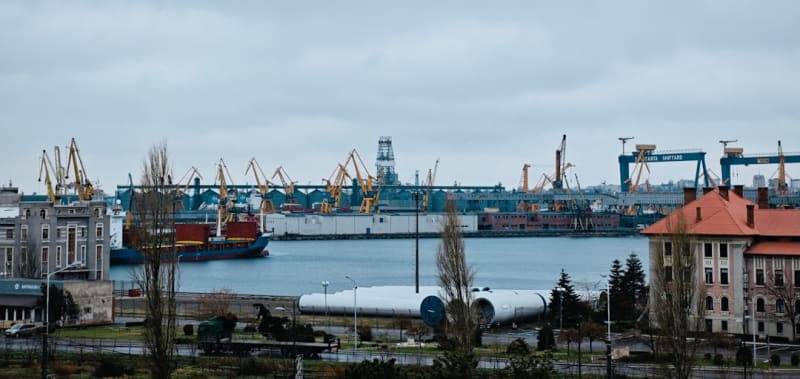 romania
 Constanța
Romania's oldest city has been a port for two and a half millennia, and you can feel the accumulated weight of that in every crumbling layer of its old town.
Explore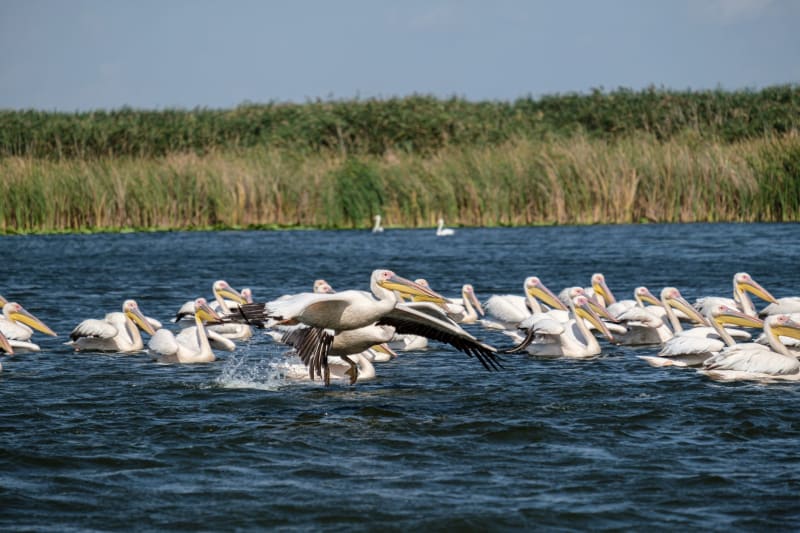 romania
 Danube Delta
Where Europe's greatest river meets the Black Sea in a labyrinth of channels, floating reed islands, and the continent's richest birdlife.
Explore romania
 Maramures
Romania's far north is a place where wooden churches rise above fog-filled valleys and the twentieth century arrived late and left early.
Explore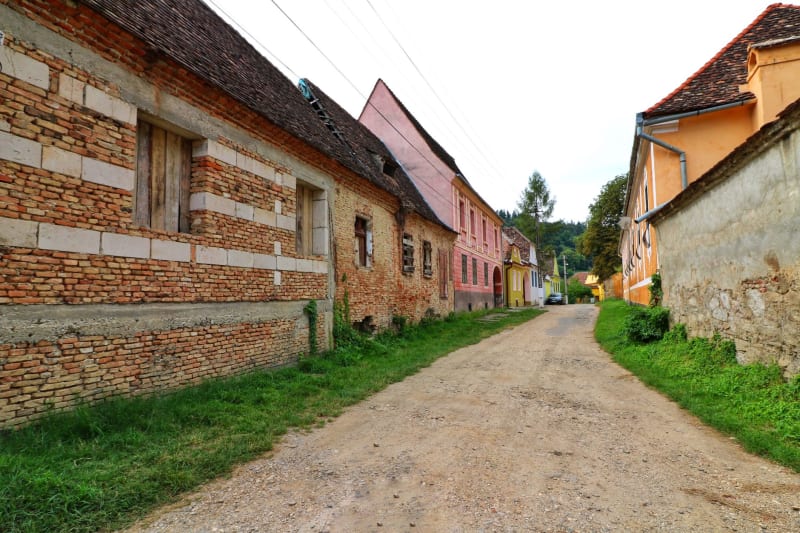 romania
 Sibiu
A Saxon town in Transylvania whose pastel rooftops have eyes, where seven centuries of German Transylvania survive in cobbled squares and arched passages.
Explore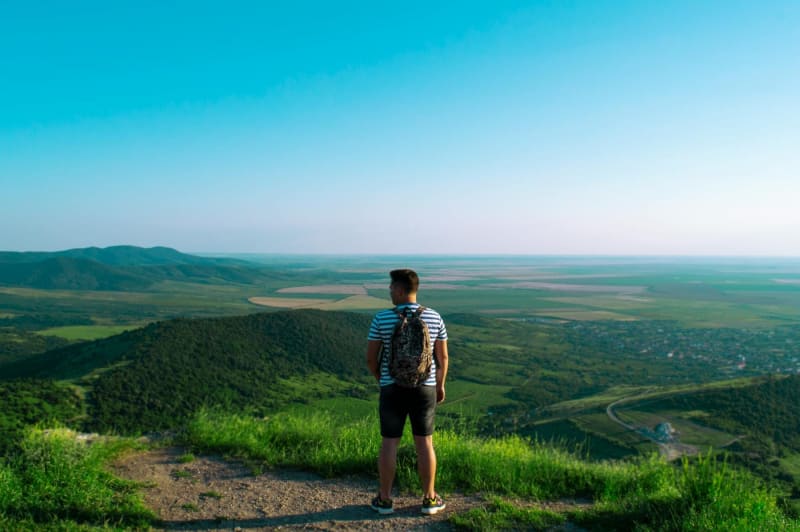 romania
 Sighisoara
Vlad the Impaler's birthplace is also one of Europe's best-preserved medieval citadels, its clock tower watching over a town frozen in amber.
Explore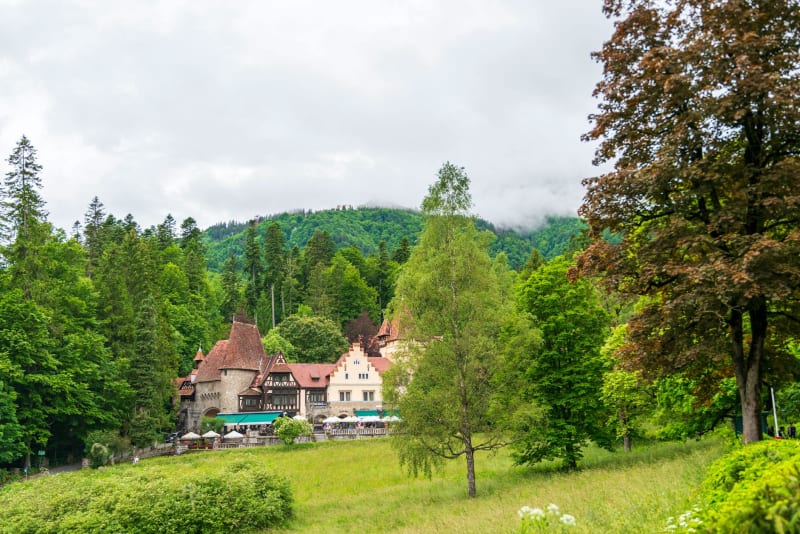 romania
 Sinaia
A royal mountain resort in the Prahova Valley, home to the extraordinary Peles Castle — perhaps the most fairy-tale royal residence in Europe.
Explore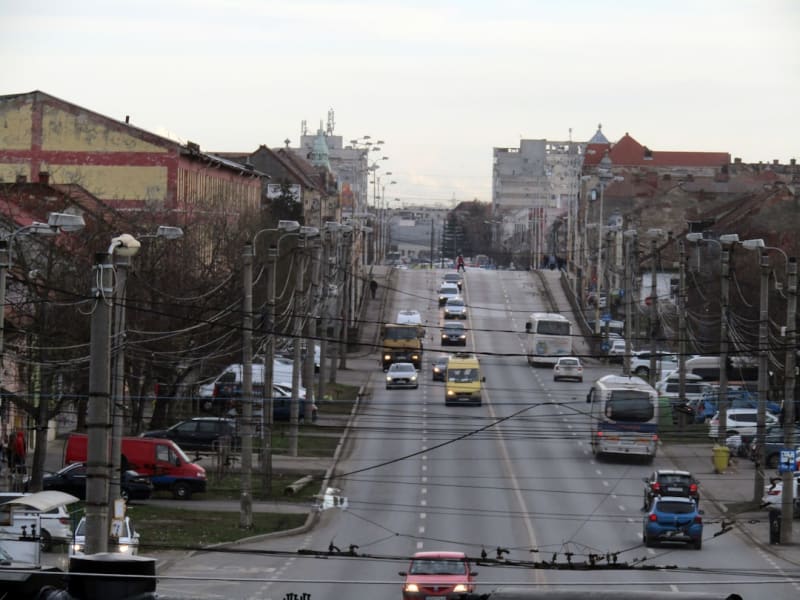 romania
 Timișoara
The city where Romania's 1989 revolution began wears its history without drama — it is too busy being cosmopolitan to dwell on it.
Explore