Apuseni Mountains
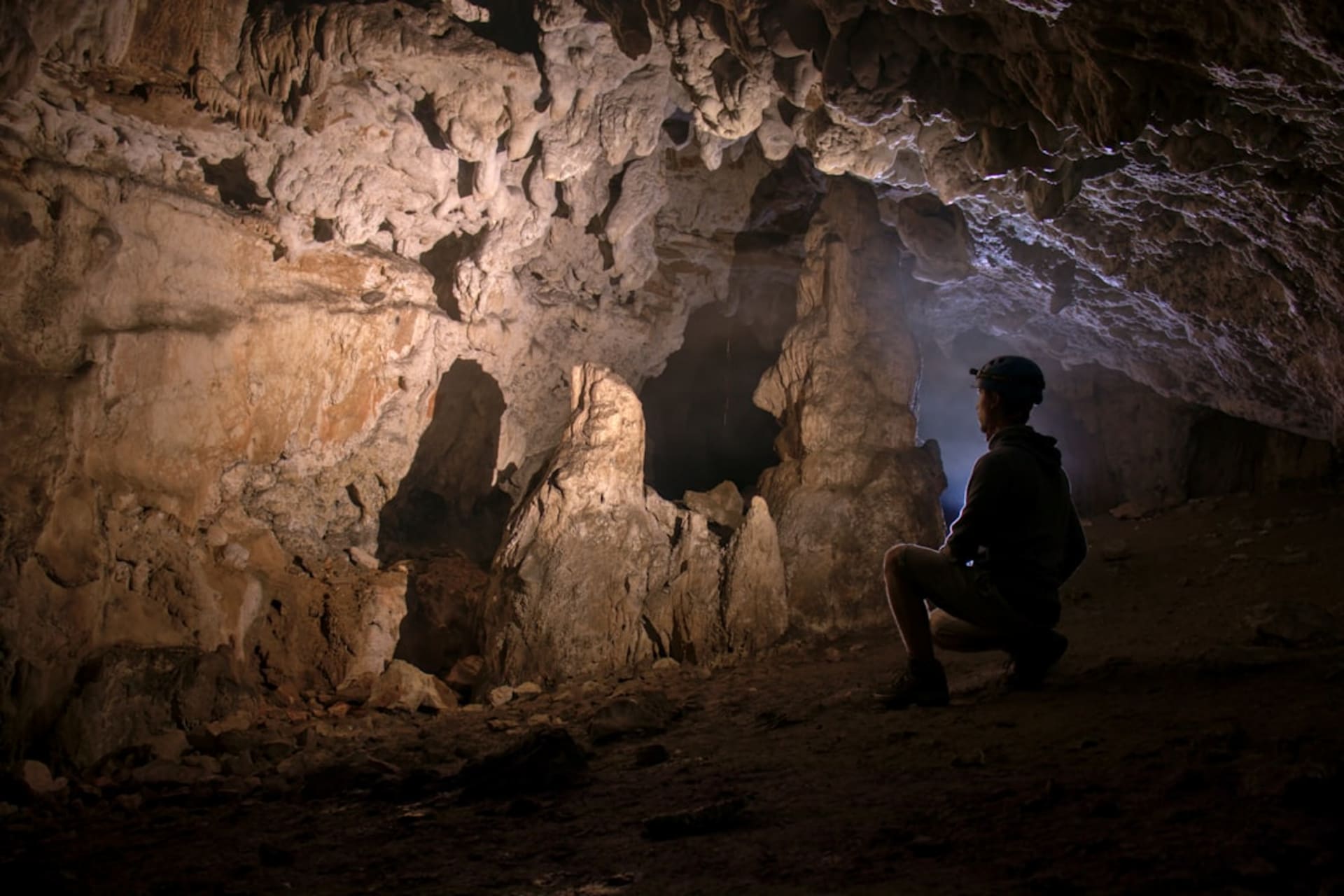
"Underground, it was summer in reverse — cold air rising from ice that had been forming for ten thousand years."
The Apuseni are the poor relation of Romanian mountain ranges, eclipsed by the higher Carpathians and left off most itineraries. This is approximately correct in terms of altitude — the highest point is just over 1,800 meters — and completely wrong in terms of what the mountains actually offer. What the Apuseni have that the Carpathians largely don’t is karst: a limestone plateau riddled with caves, sinkholes, gorges, and underground rivers that make the landscape feel structurally unreliable in an interesting way.
The Scărișoara Ice Cave
The cave at Scărișoara holds one of the largest underground ice blocks in Europe. You approach through beech forest on a path that turns cold before you’ve even reached the entrance — the cave exhales frigid air year-round, the product of its geometry, which traps cold and releases it slowly across all seasons. I wore a jacket in July.
Inside, a wooden walkway descends into a space where the ice floor is up to twenty-five meters thick. The formations aren’t dramatic stalactites — they’re columns and ridges and smooth-floored chambers that look like the inside of something geological and slow. Carbon dating of organic matter frozen into the ice puts its origins around ten thousand years ago, which is the kind of number that stops working as language and starts working as vertigo.
The cave gets busy in summer. Go early, before the tour groups arrive, and the descent has a quality of genuine discovery.
The Gorges: Cheile Turzii and Cheile Ordâncușei
Two gorges anchor the accessible end of Apuseni hiking. Cheile Turzii, closest to Cluj, is the more developed — a marked trail runs through a narrow limestone canyon above a stream, switchbacking between cliff faces that climbers cover with brightly colored ropes on weekends. The walk takes two to three hours and rewards you with a cold swim in a pool at the gorge’s far end if you’re willing.
Cheile Ordâncușei, further west and less visited, is longer and quieter. The canyon walls close to a width where you can touch both sides in places, and the river has carved shapes in the limestone that look intentional — arches, bowls, slots. I went on a Tuesday and saw four other people in three hours of walking.
The Moți Villages
The plateau above the caves is inhabited by the Moți — mountain people who developed a distinct culture of self-sufficiency across centuries of relative isolation. Their villages scatter across the high land in a way that prioritizes access to pasture over access to roads. Some are still reached by tracks that become impassable in wet weather.
I drove to Albac on a morning after rain, the road glistening, the fields steaming. A woman was driving geese out of a yard with a stick. The village store had a handwritten sign on the door. I bought bread and a jar of something labeled in handwriting and drove back toward the main road eating the bread and trying to identify the jam (bilberry, eventually, by color and taste). It wasn’t a significant experience in any way I could explain to someone, but it felt like exactly what the Apuseni are for.
Practical Notes on the Region
The Apuseni are best explored by car. The main caves and gorges have small parking areas, but connections between them require either driving or a multi-day hiking circuit. Gărda de Sus and Albac are the best bases — small, functional, with guesthouses that feed you dinner at a common table and wake you early with the sound of agricultural activity.
Some roads on the plateau appear on maps and are not, in any conventional sense, roads. A local driving a Dacia Logan took mine as a personal challenge. A rental car with good clearance is advisable.
When to go: May through October for accessible roads and trails. The ice cave is open year-round but the access path can be icy in winter, which adds difficulty. June and September are ideal — wildflowers in June, autumn color starting in late September, and in both months the plateau is clear of the summer family crowds that fill the main cave trail in August. Spring snowmelt (March–April) makes some plateau tracks impassable but the gorge trails are walkable and completely empty.