Beja
"Beja sits in the middle of the plain and dares the heat to do its worst. Most days, the heat wins."
The quietly defiant southern capital where a Moorish tower still watches the plain and a nun's forbidden love letters made Portugal's literary history.

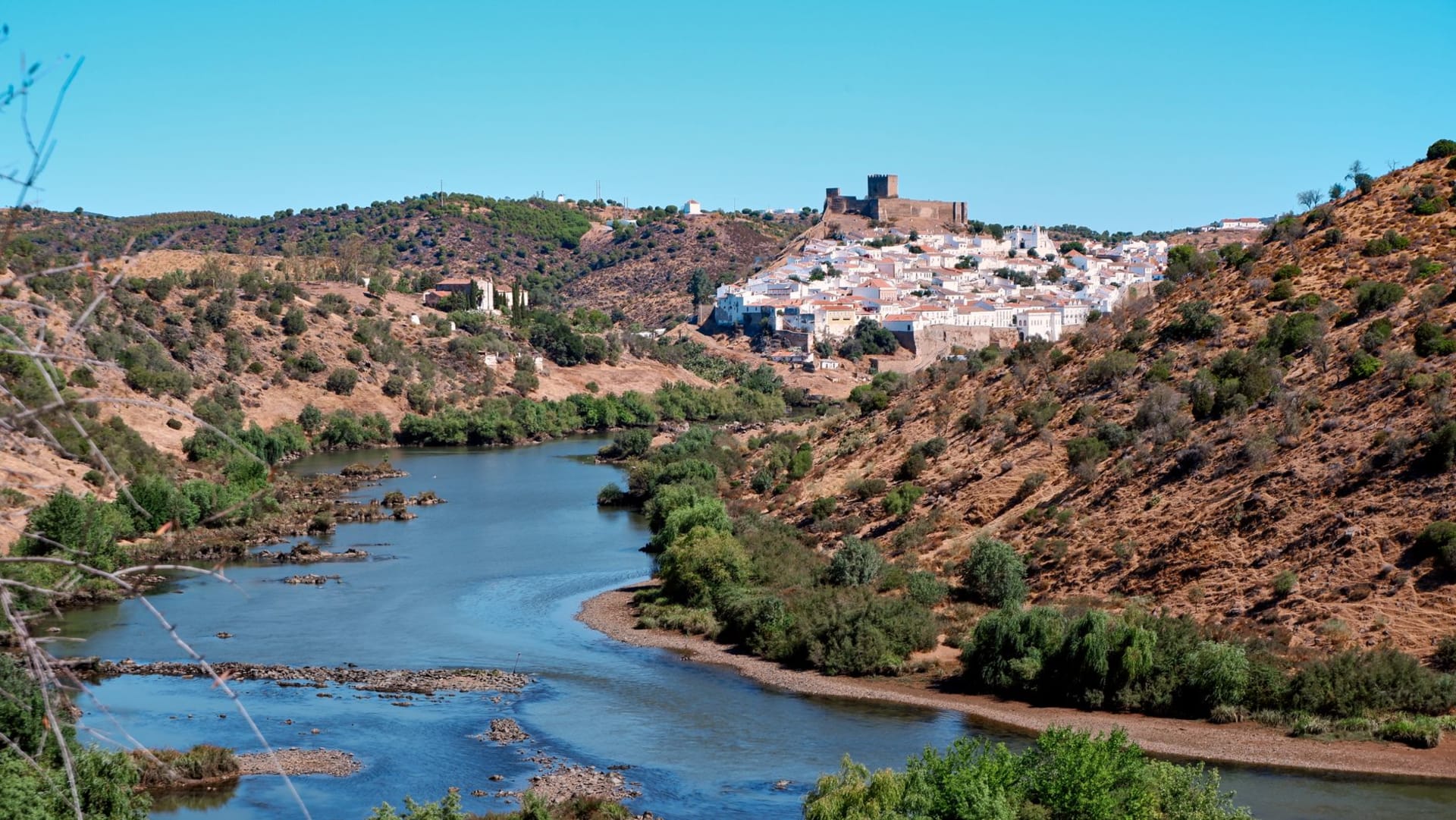
Beja announces itself from twenty kilometers away — the Torre de Menagem, a square Moorish keep rising from the center of the city like a raised finger, visible across the flat plain in every direction. I drove toward it on a June morning that was already thirty-five degrees at ten o’clock, the road straight and the landscape scorched to a uniform yellow-brown. When I arrived, the old city was in a state of concentrated midmorning silence, the kind that southern towns develop as a defense mechanism against the heat: shuttered windows, empty streets, the occasional dog under a parked car, a café with one table occupied by a man staring at a small coffee as if it owed him something.
The Torre de Menagem dates from the late thirteenth century and is the tallest medieval tower in Portugal. You can climb it for a small fee, and the view from the top — the immensity of the plain spreading in every direction, a slight shimmer of heat haze making the horizon soft — is one of the region’s great perspectives. The Moorish castle that once surrounded it has been largely absorbed by the city, its walls becoming building walls, its gates becoming street corners, the way these things happen in cities that have been continuously inhabited. Beja was Pax Julia to the Romans, Beja to the Visigoths, Bāja to the Moors, and Beja again since the Reconquista — a city that has simply continued, collecting names like a palimpsest.

The Convento da Conceição, now the regional museum, is where the more romantic version of Beja’s history lives. In the seventeenth century, a nun here named Mariana Alcoforado allegedly wrote a series of passionate love letters to a French officer who had abandoned her. The letters were published in Paris in 1669 as Lettres portugaises and became a European literary sensation — an early prototype of the confessional female voice, almost certainly too well-written to be entirely authentic, but then authenticity has always been beside the point with great love letters. Whether Mariana actually wrote them or a French author invented her, the convent holds her memory, and her window — a Gothic arch overlooking an orange-tree courtyard — remains one of the more affecting small monuments to longing that I have encountered.

Beja eats in the Alentejo tradition but with a density appropriate to a working city rather than a tourist stop. The açorda de bacalhau — a thick bread soup with salt cod, garlic, coriander, and poached egg — is local restaurant staple, the kind of dish that requires nothing else, a meal that is essentially stale bread convinced of its own importance and correct to be. I ate it at a long marble counter with office workers on their lunch break, all of us briefly united by a common appreciation of something warm and filling and unapologetically starchy.
When to go: September through October, when the harvest is in and the temperature drops to a bearable thirty degrees. March is also good, when the wildflowers are on the surrounding plain and the light has a clarity it loses in summer.
Keep exploring
More from Alentejo
 alentejo
Comporta
A former rice-farming village where thatched fishermen's huts meet pine dunes and a wide Atlantic beach, quietly beloved by architects and dolphins alike.
Explore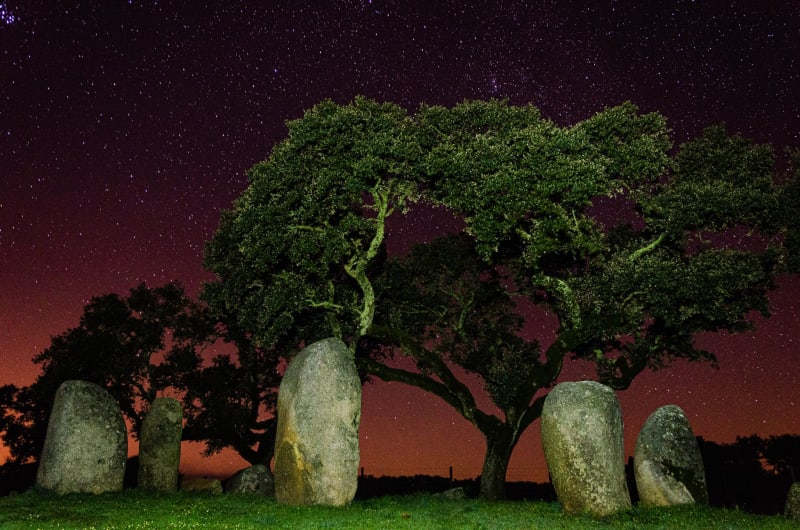 alentejo
Cromeleque dos Almendres
A Neolithic stone circle older than Stonehenge, standing in an olive grove with no fence, no ticket booth, and nobody else around.
Explore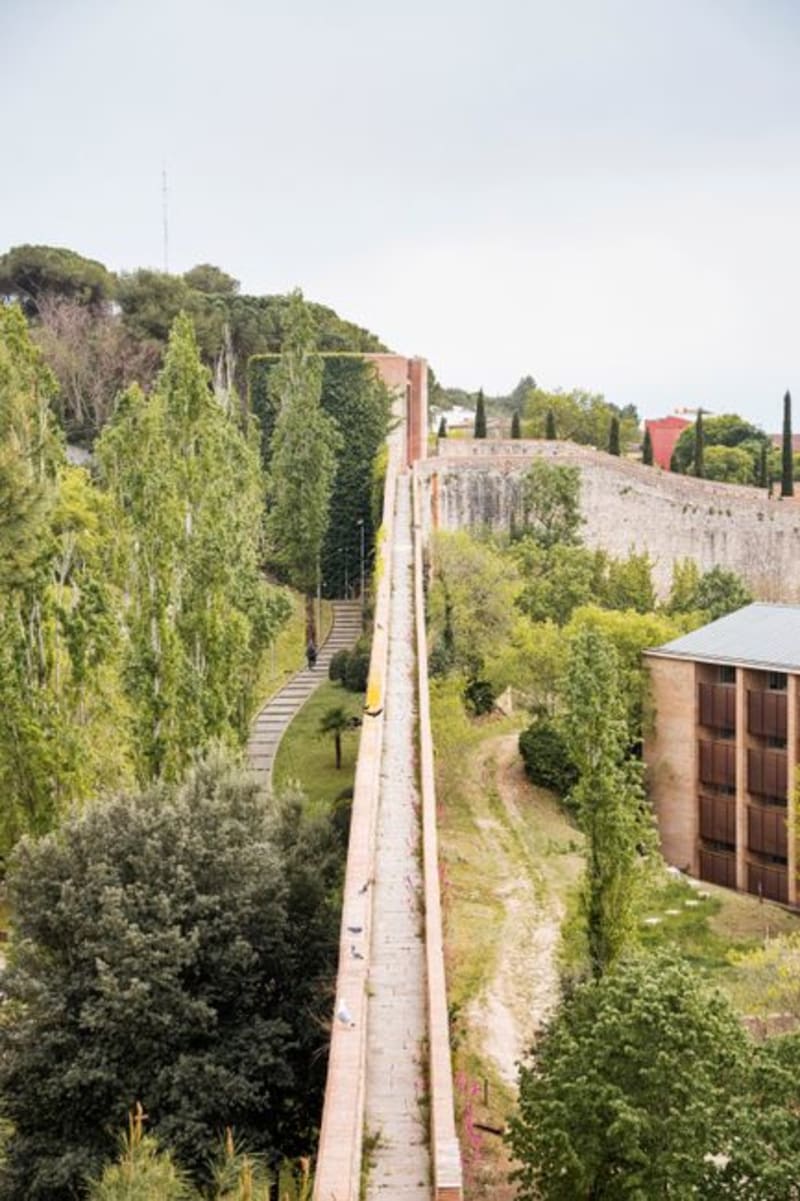 alentejo
Elvas
A fortress town of star-shaped walls and a soaring aqueduct, where Lia and I felt Portugal's border history underfoot at every turn.
Explore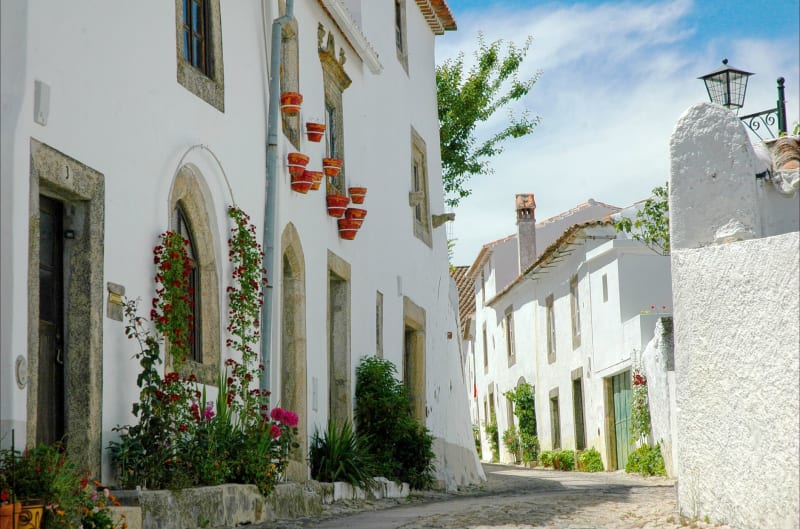 alentejo
Estremoz
A marble town so saturated with its own stone that the streets, the castle, and the pottery all seem carved from the same pale earth.
Explore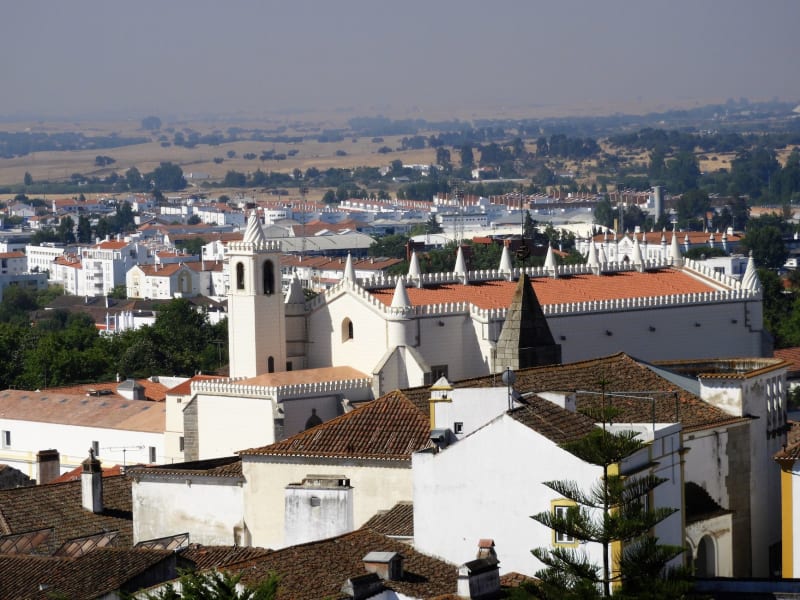 alentejo
Évora
A UNESCO-walled city where a Roman temple stands mid-town and five thousand monks pressed their bones into a chapel's walls.
Explore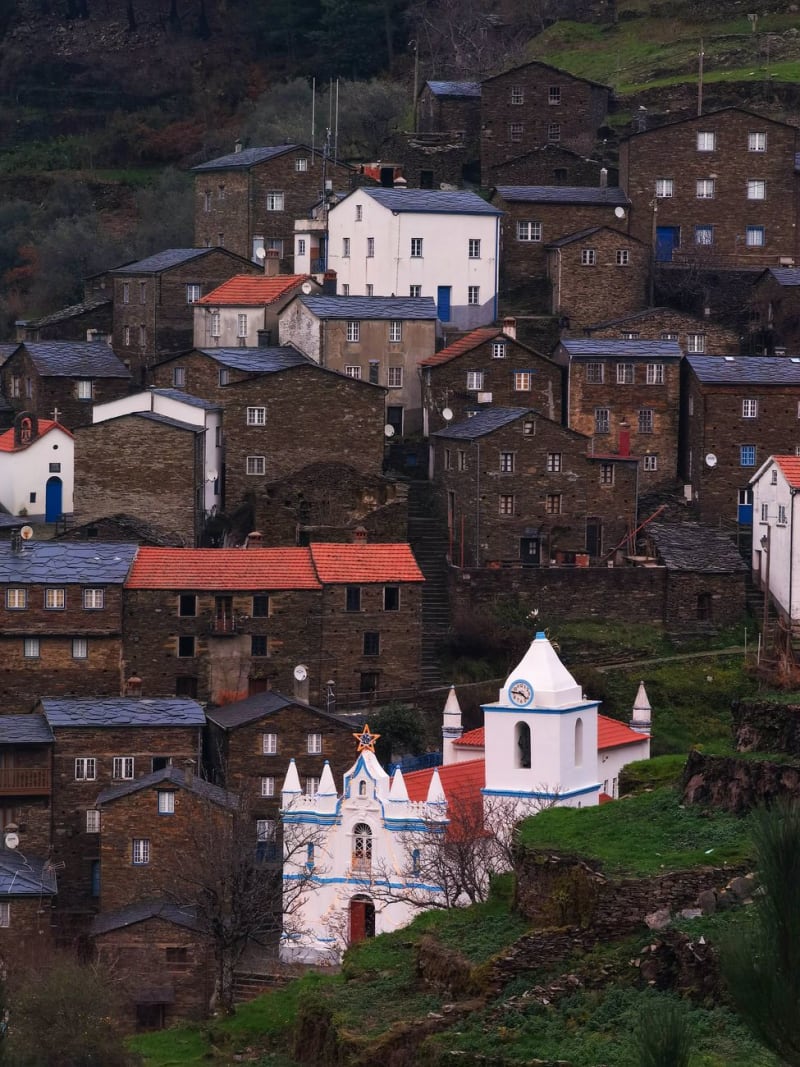 alentejo
Marvão
A walled eagle's-nest village clinging to a granite crag in the Serra de São Mamede, where the whole of two countries seems to unroll beneath your feet.
Explore