Pinal de Amoles
"The road into Pinal de Amoles from the canyon side is the kind of drive that makes you question your tire maintenance habits and then rewards you with a cheese taco that justifies everything."
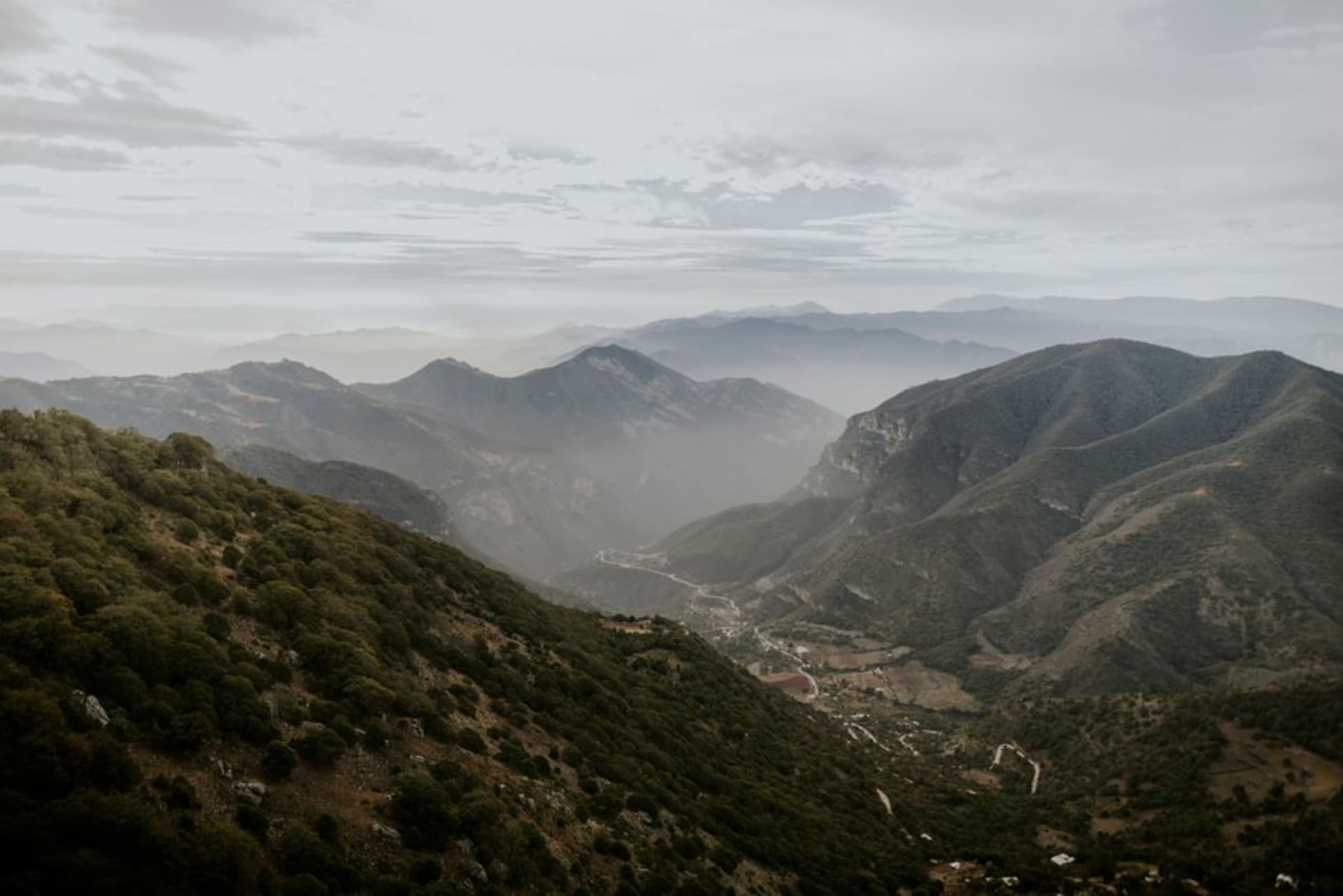
Pinal de Amoles sits at 2,400 meters on the edge of the Sierra Gorda, where the road from the canyon delivers you — slightly shaken — into a village that produces cheeses and mezcals found nowhere else. The barranca drops away dramatically on the south side of the main street, and the surrounding biosphere reserve presses in from every other direction.

I came up from Jalpan de Serra on a Tuesday, which meant the road was mostly mine. The switchbacks along the canyon wall are the kind that require you to commit — there is no nervous half-speed that works — and then you crest into Pinal de Amoles and the village is just there, arranged along a ridge with the barranca still visible behind you like something you barely escaped. I parked on the main street, Calle Hidalgo, and stood at the edge for a moment longer than was probably dignified.
The Barranca and the Biosphere
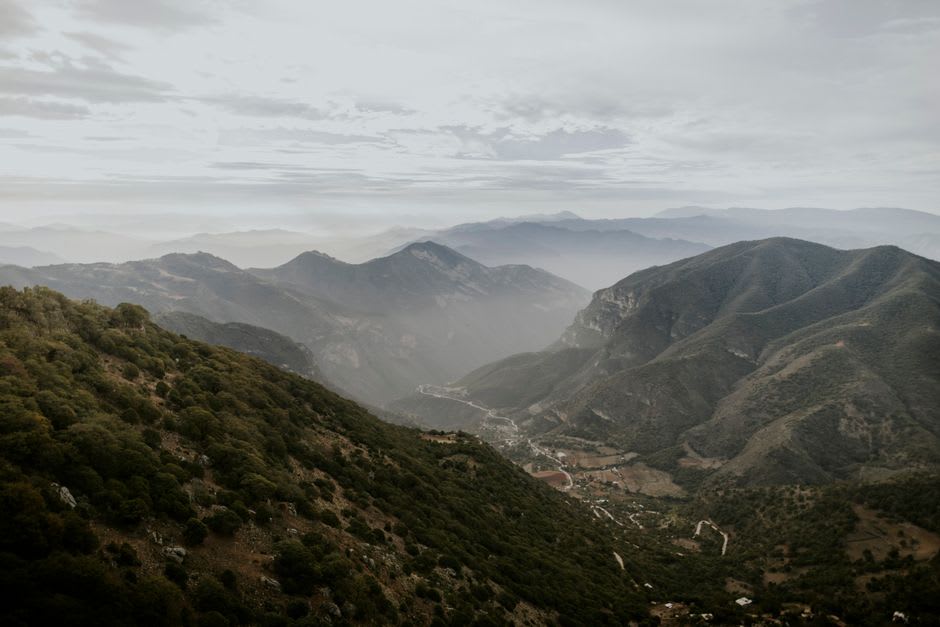
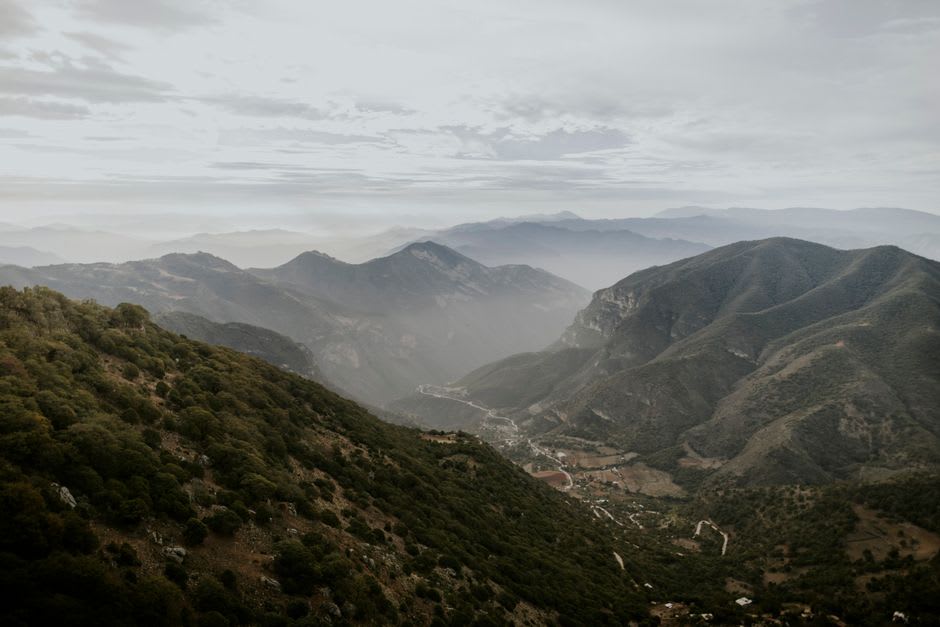
The thing nobody really communicates about Pinal de Amoles is that the view is not a viewpoint — it is the street. You eat lunch with the canyon behind you. You walk to the market with it in your peripheral vision. The Barranca de Tolimán drops several hundred meters from the village’s southern edge, and on clear mornings before the cloud layer builds, the depth of it is genuinely vertiginous. The Sierra Gorda Biosphere Reserve wraps the town on every other side, and a short walk on any of the dirt tracks heading north or east puts you into primary oak and pine forest within twenty minutes. I spent an afternoon on the track toward Agua Zarca without seeing another person, just the sound of the forest adjusting to the altitude.
The Cheese and the Mezcal
This is the reason I came back a second time. The ranchos surrounding Pinal de Amoles produce a fresh cheese — locally called queso de rancho — that has a slightly sour, almost yogurt-forward quality I have not found replicated anywhere in the valley towns below. A woman near the covered market section of the plaza sells it wrapped in cloth on Wednesday and Saturday mornings; I bought too much and ate it over two days with nothing more than chile de árbol and tortillas from the comal at the back of the same building. The mezcal situation is similarly local: several families in the ejido distill in small batches from agave cupreata, and the bottles circulate through the tiendas without labels. You ask, someone calls someone, a bottle appears.
The Village Itself
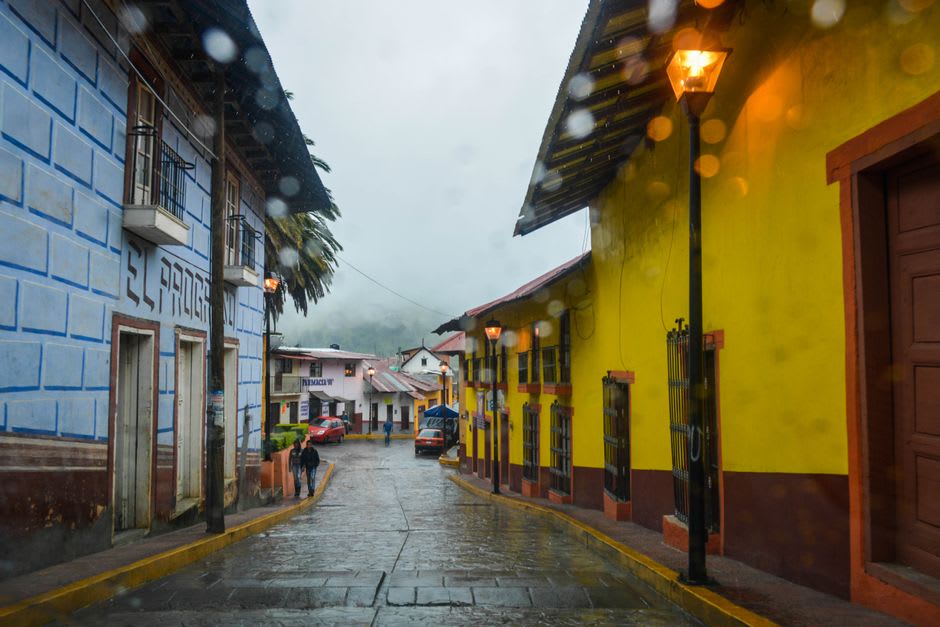
Pinal de Amoles is not set up for tourism in any obvious way, which is most of its appeal. There is a church, a plaza, a hardware store that doubles as a lunch counter where the menudo on Sunday mornings is serious. The Hotel Posada del Parque on Calle Constitución has clean rooms and very cold nights even in May, and the family running it will tell you which rancho road is passable if you want to go looking for the mezcaleros.
Getting There
From Querétaro city, take MEX-120 east toward Jalpan de Serra — about three hours — then follow the Sierra Gorda route south and up into the mountains toward Pinal de Amoles, roughly another hour of canyon road. A car with reasonable clearance is necessary. There is no direct bus service; shared taxis from Jalpan run irregularly and require asking at the main bus terminal.
Keep exploring
More of Querétaro
Keep exploring
More from Querétaro
 mexico
 Arroyo Seco
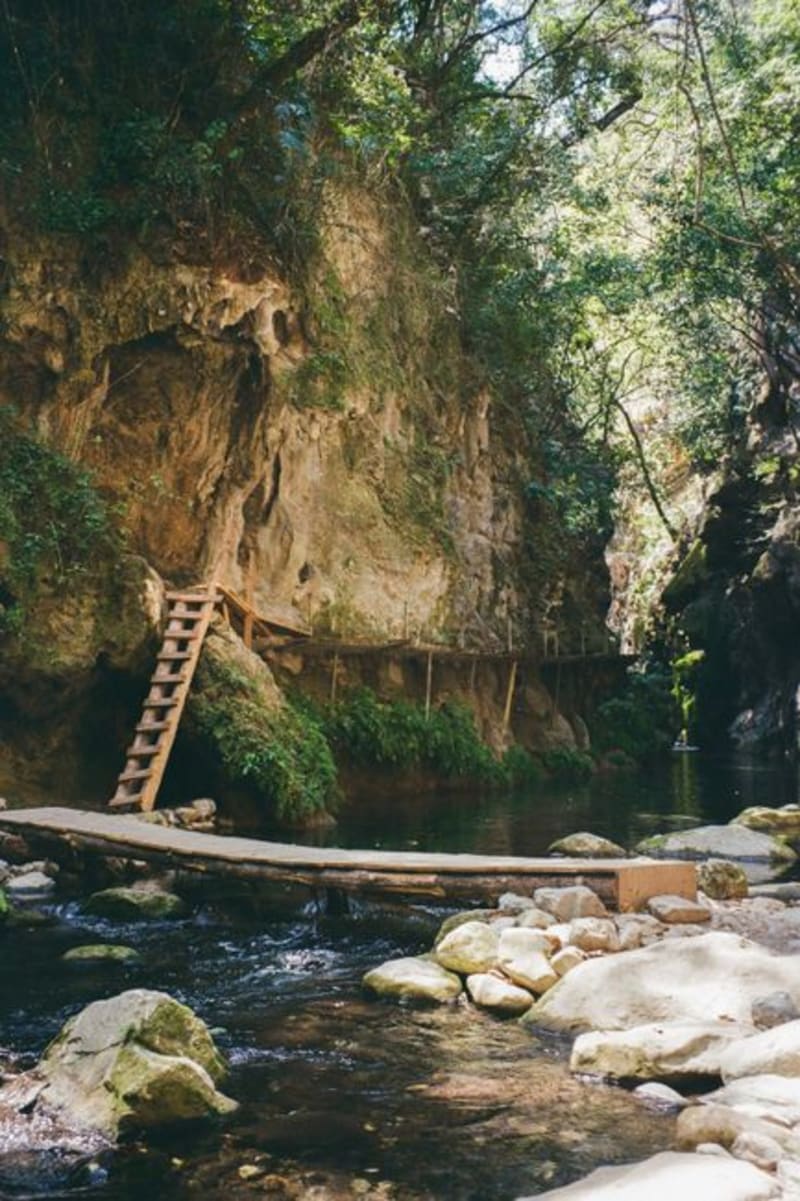
A municipality tucked into the northern Sierra Gorda biosphere where the Cañón del Infiernillo opens onto river water of an improbable blue-green, framed by canyon walls dense with subtropical growth. Almost no one makes it here, which given what waits at the bottom is one of Mexico's more persistent travel mysteries.
Explore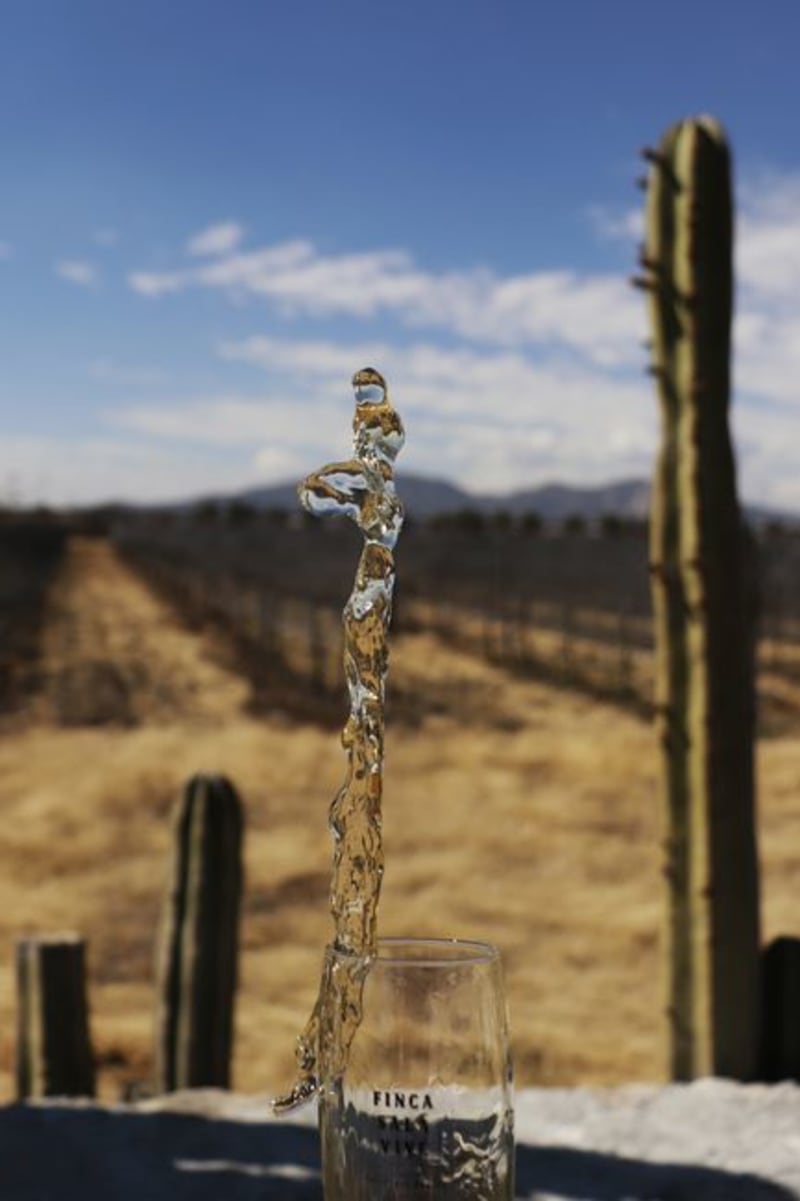 mexico
 Vizarrón de Montes
A marble-quarrying town perched at the edge of one of central Mexico's most dramatic canyons, where the plateau abruptly ends and a world of pale limestone, organ cactus forests, and slow-shifting afternoon light begins. Almost nobody comes here specifically. Almost nobody who does regrets it.
Explore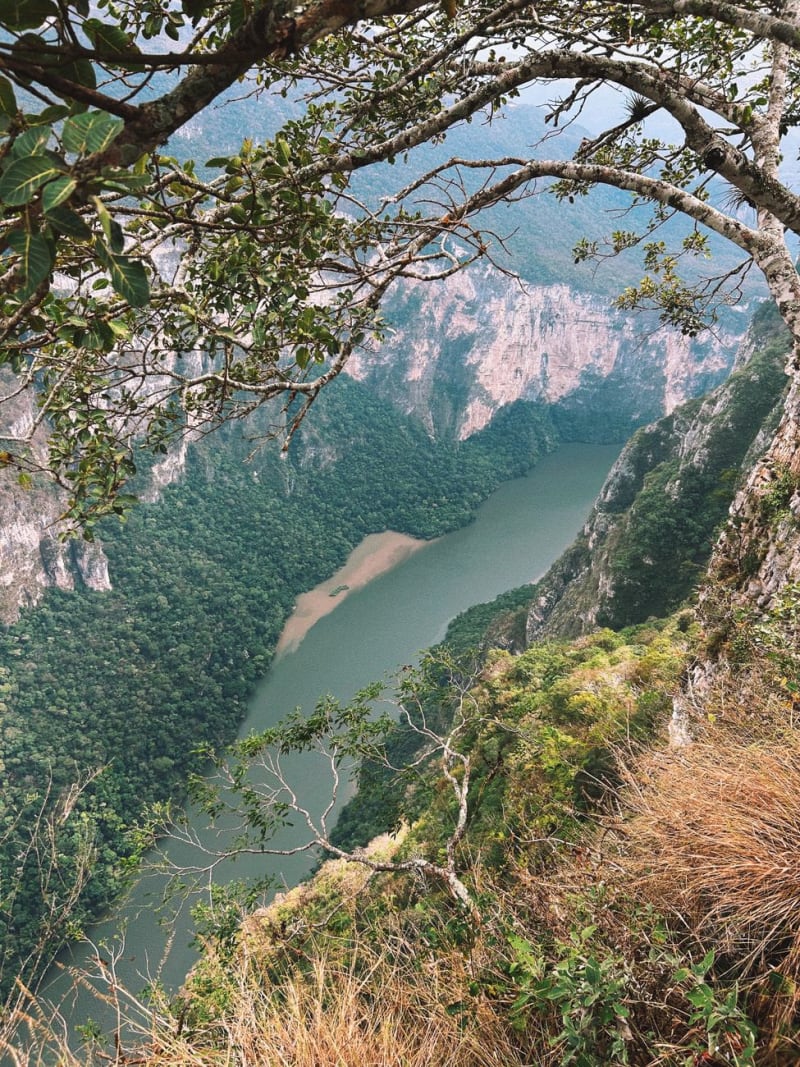 mexico
 Jalpan de Serra
A mission town tucked deep in the Sierra Gorda mountains of Querétaro, where Junípero Serra built one of his most ornate baroque churches before heading to California. The surrounding biosphere reserve is among the most biodiverse in Mexico — cloud forest, semi-arid scrubland, and tropical canyon all within a few kilometers of each other.
Explore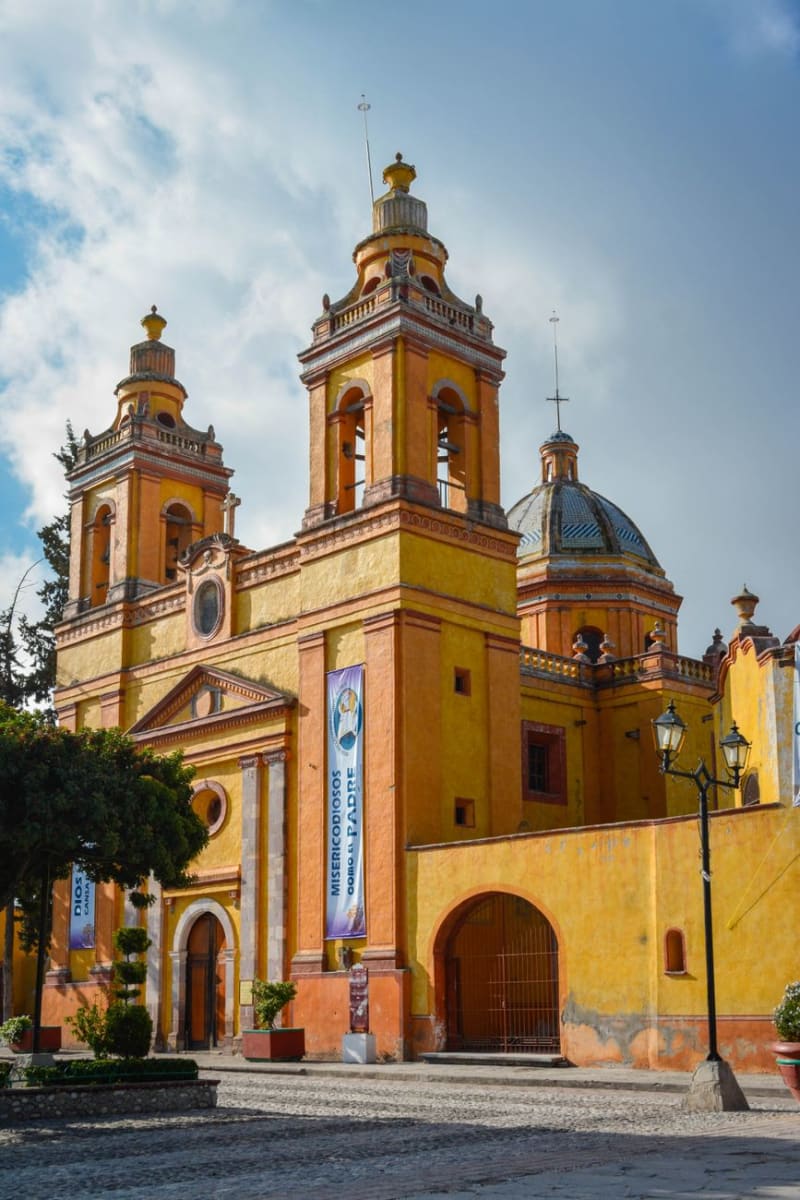 mexico
 Cadereyta de Montes
Cadereyta de Montes is a small colonial town in the eastern foothills of Querétaro that most people pass through on the way to the Sierra Gorda and never stop in, which is a mistake, because the cactus botanical garden here has 2,000 species of succulent plants from across North America and I spent two unplanned hours there and left with a small Mammillaria wrapped in newspaper. The baroque parish church is excellent.
Explore mexico
 Landa de Matamoros
Deep in the Sierra Gorda biosphere, Landa de Matamoros is a Pueblo Mágico most travelers skip on their way to the UNESCO Franciscan missions — which is exactly why staying here makes more sense than leaving.
Explore mexico
 Peña de Bernal
The third-largest monolith on Earth rising from a colonial village in the Querétaro highlands — a 433-meter rock that the Chichimec people considered sacred, surrounded by a Pueblo Mágico of queso de tuna cactus candy and artisanal textiles.
Explore