Landa de Matamoros
"The Sierra Gorda is Querétaro's secret. Landa is where that secret actually lives."
Deep in the Sierra Gorda biosphere, Landa de Matamoros is a Pueblo Mágico most travelers skip on their way to the UNESCO Franciscan missions — which is exactly why staying here makes more sense than leaving.

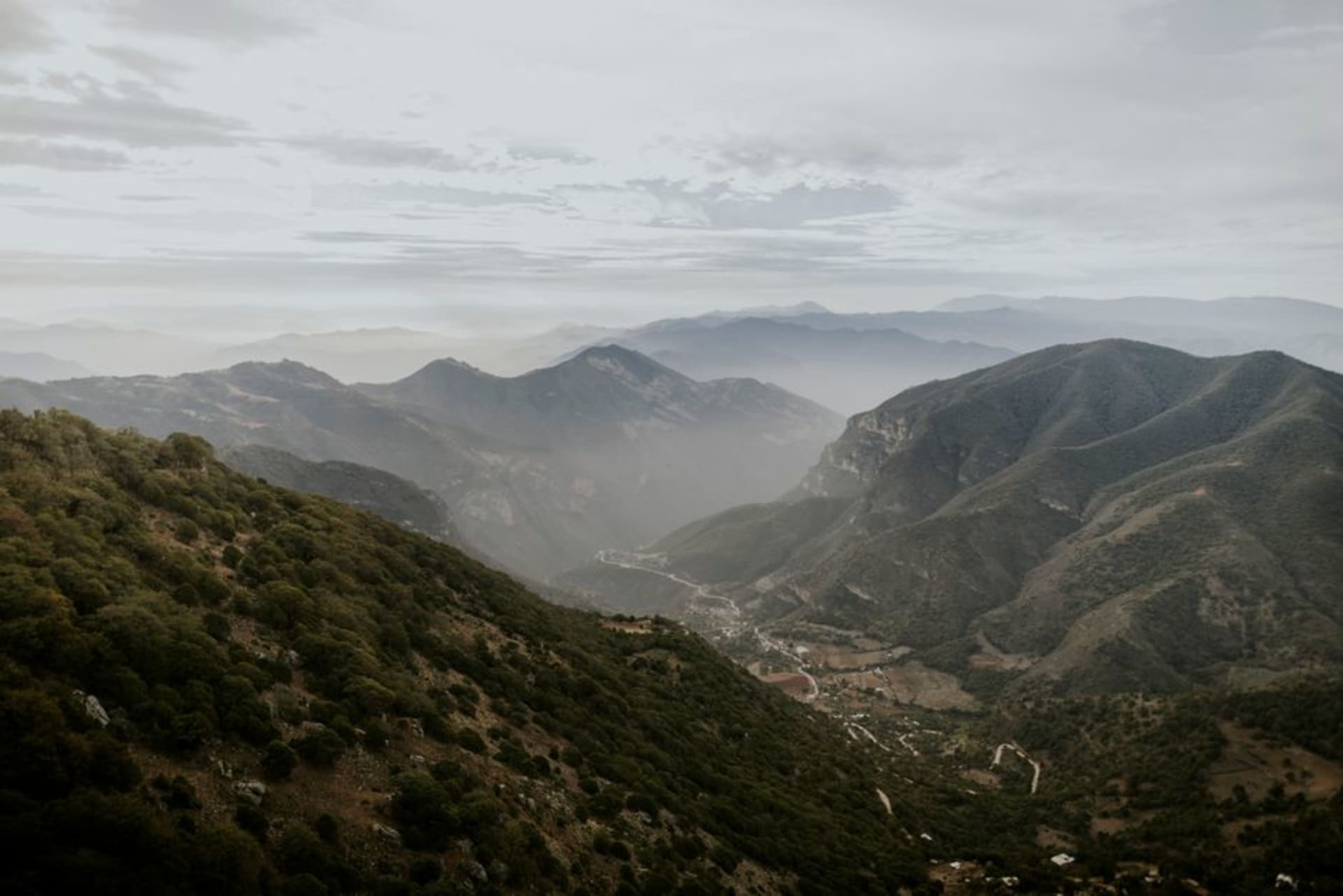
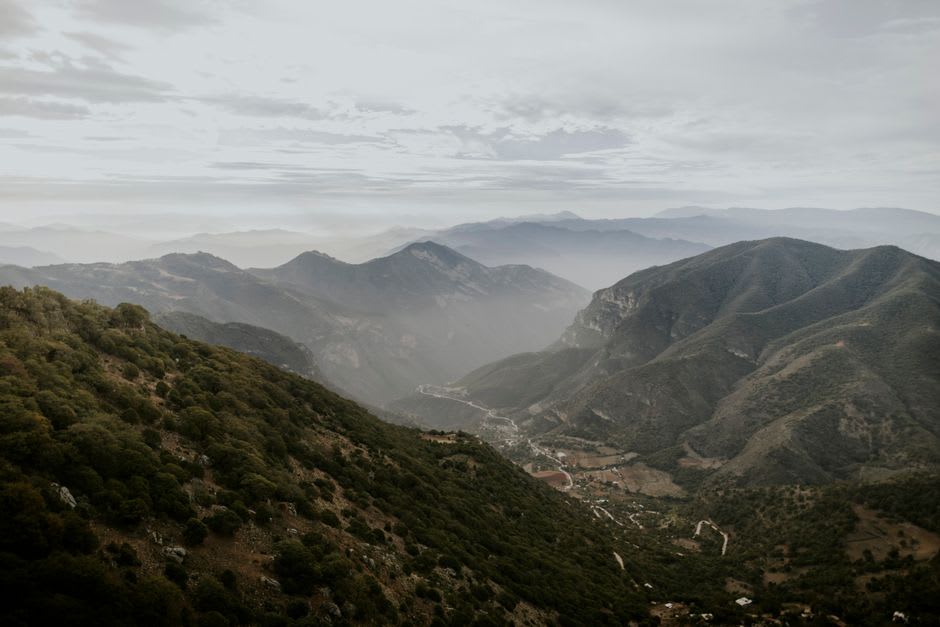
The drive into Landa de Matamoros takes longer than any map suggests it should. The Sierra Gorda is not subtle — the mountains are obvious, enormous, folded in sedimentary layers that look almost deliberate — but the roads through them wind with a particular patience that recalibrates your sense of time. I arrived in late afternoon when the light had gone amber and the town’s main plaza held maybe six people and one sleeping dog. I had planned to push through toward Jalpan. That was a miscalculation.
The Mission and What Surrounds It
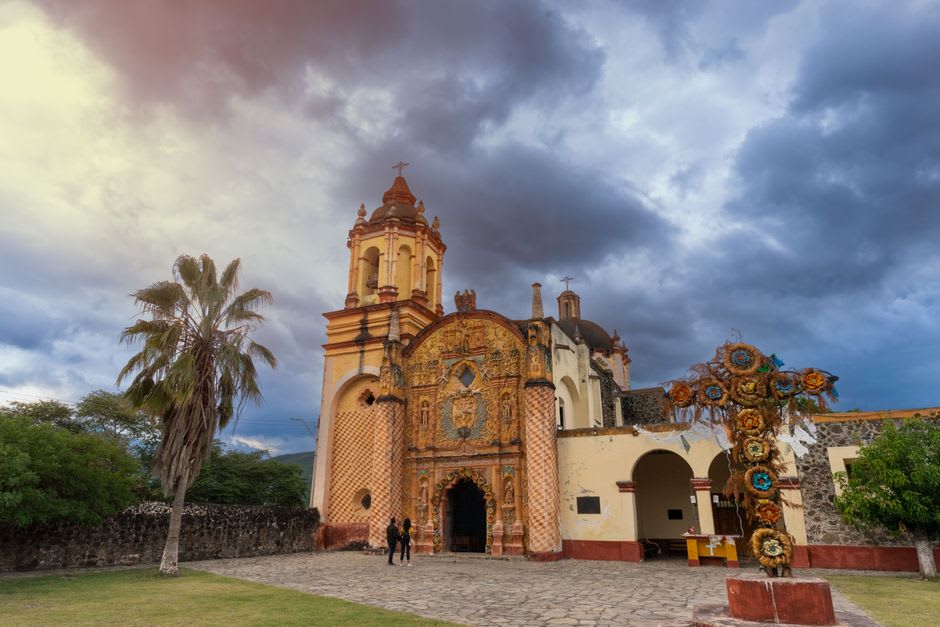
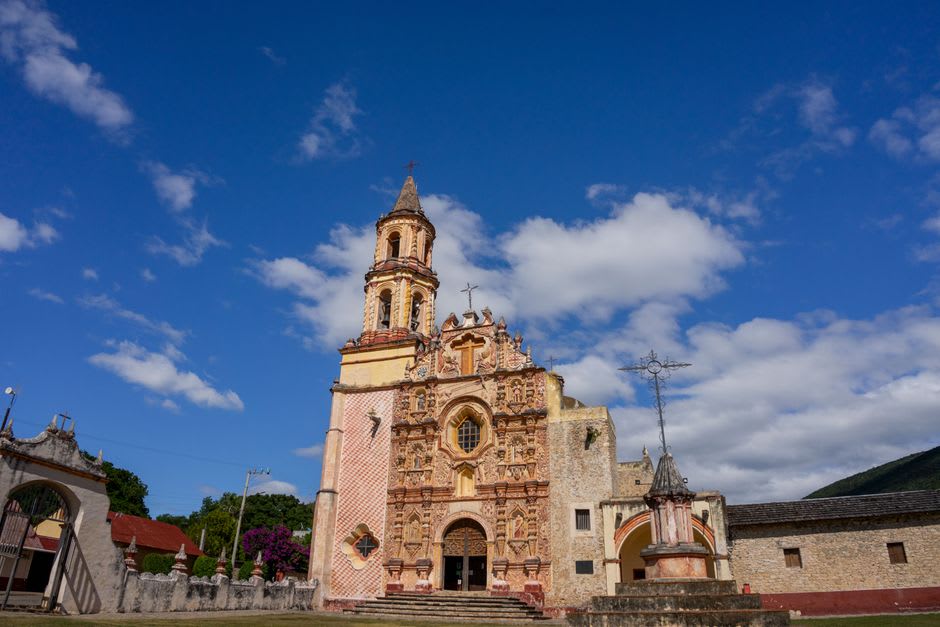
Landa’s centerpiece is the Misión de Santa María del Agua de Landa, one of five 18th-century Franciscan missions in the Sierra Gorda that together hold UNESCO World Heritage status. The facade is extraordinary — polychrome baroque, dense with indigenous iconography worked into Christian forms, the kind of syncretic architecture that rewards standing still and looking for twenty minutes longer than feels socially comfortable. The missions were built between 1740 and 1760 under the direction of Junípero Serra, who later went on to found missions in California, a fact that tends to complicate things depending on where you stand.
What the UNESCO plaque doesn’t prepare you for is the landscape directly behind the church. The karst mountains of the Sierra Gorda rise from the back edge of town — limestone formations eroding into vertical ridges, the forest genuinely thick, the río that runs through the canyon below audible from the plaza on quiet mornings. Landa is not a museum piece. It is a working town at the edge of something that has no interest in being managed.
What the Kitchen Knows
The food in Landa is not trying to impress anyone, which is the best thing I can say about it. I ate most of my meals at a family comedor on the street running north from the plaza — I never caught the name, only the pink door and the chalk menu board — where the daily guiso alternated between chile colorado con cerdo and a pinto bean soup dense enough to warrant a fork. Gorditas stuffed with frijoles negros and queso seco appeared at breakfast, and I made a habit of the atole de guayaba that materialized around seven in the morning from a window I couldn’t see into.
The town’s small market runs on Sundays and trades in the piloncillo, dried anchos, and seasonal fruit the Sierra Gorda produces in quantities that seem disproportionate to how few people live here. If you’re staying more than a night — and you should be — go on Sunday morning and buy more piloncillo than you think you need. You’ll use it.
The Real Reason to Stay
The missions get the attention, but the Sierra Gorda around Landa is what justifies an actual itinerary. The Cañón del Río Moctezuma cuts through the landscape to the east, and the road to Concá — another mission town, smaller and stranger — follows the river through scenery that occasionally makes you pull over with no particular plan. Serious hikers come for the trails inside the Sierra Gorda Biosphere Reserve; I am not a serious hiker, so I walked the canyon path for two hours and turned around when the trail started requiring decisions I wasn’t dressed for.
What I would actually tell someone: arrive with nothing fixed for the second day. The quality of light on the mission facade at seven in the morning is not something you’ll replicate by being somewhere else.
Getting There
Landa de Matamoros sits roughly 180 kilometers northeast of Querétaro city. The most reliable approach is through Jalpan de Serra — buses run from Querétaro’s Central de Autobuses Norte to Jalpan (around 3.5 hours), from where combis connect onward to Landa. If you are driving, the MEX-120 through the Sierra Gorda is the correct route and one of the better drives in central Mexico. Plan for mountain road time, not map time.
Keep exploring
More of Querétaro
Keep exploring
More from Querétaro
 mexico
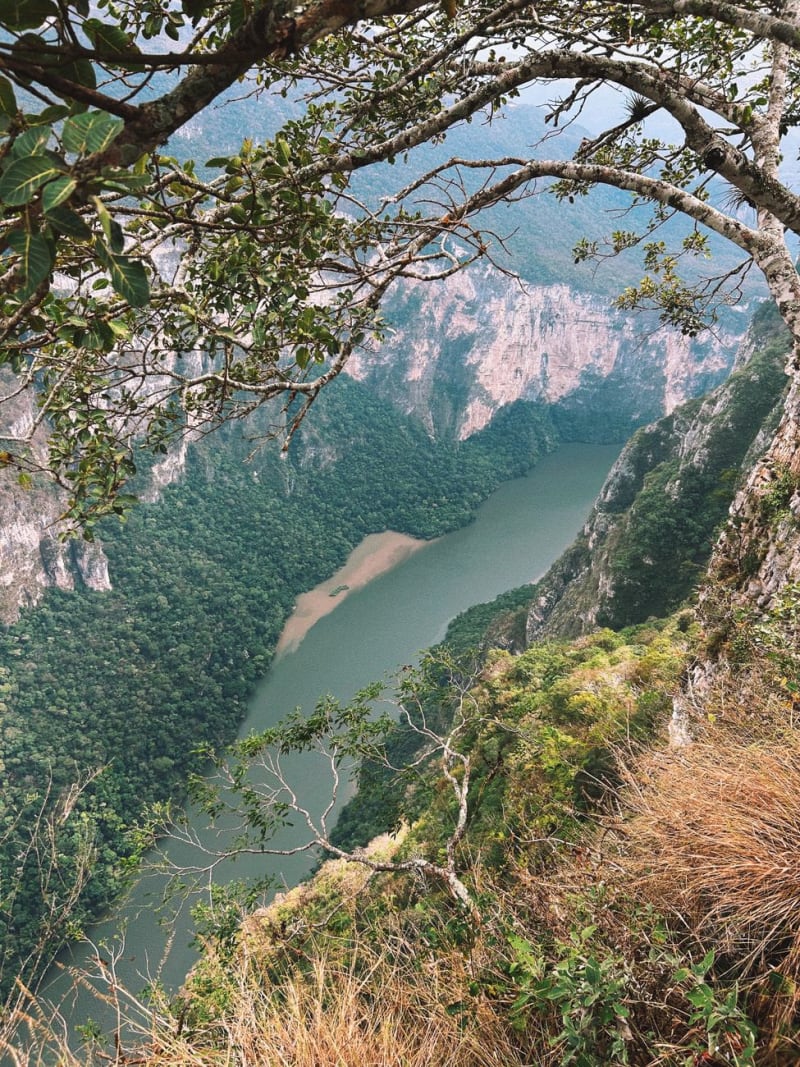
 Jalpan de Serra
A mission town tucked deep in the Sierra Gorda mountains of Querétaro, where Junípero Serra built one of his most ornate baroque churches before heading to California. The surrounding biosphere reserve is among the most biodiverse in Mexico — cloud forest, semi-arid scrubland, and tropical canyon all within a few kilometers of each other.
Explore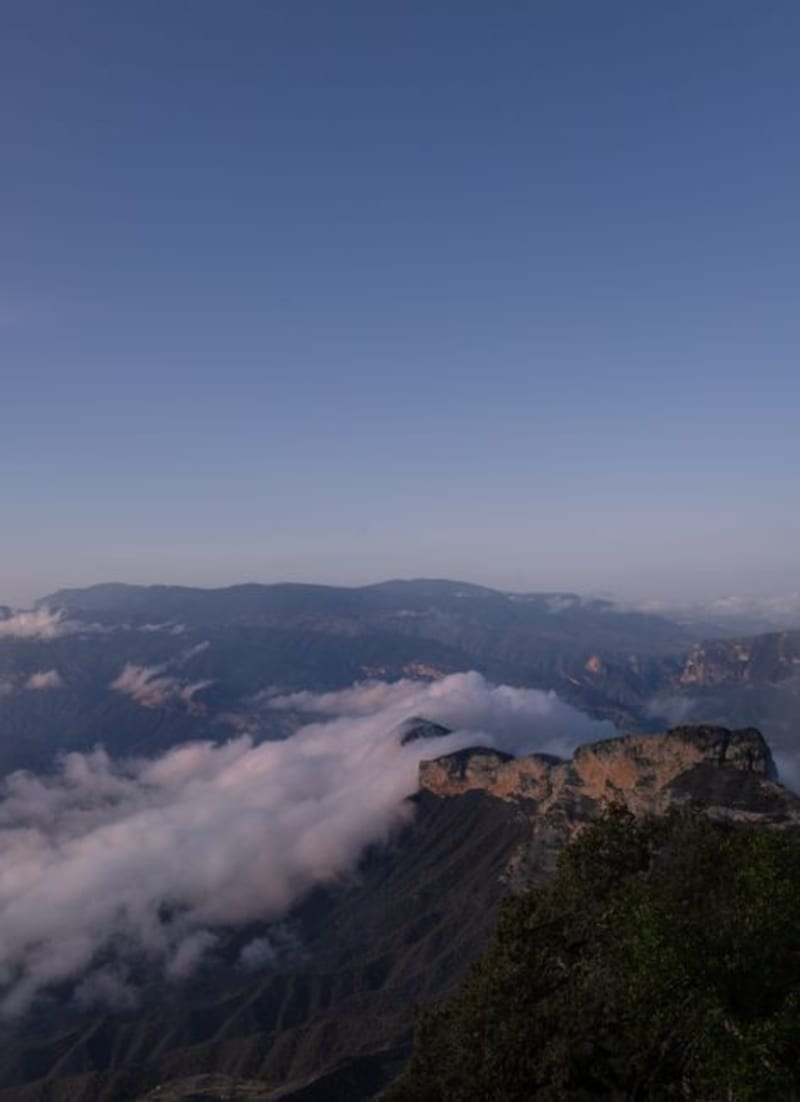 mexico
 Pinal de Amoles
Pinal de Amoles sits at 2,400 meters on the edge of the Sierra Gorda, where the road from the canyon delivers you — slightly shaken — into a village that produces cheeses and mezcals found nowhere else. The barranca drops away dramatically on the south side of the main street, and the surrounding biosphere reserve presses in from every other direction.
Explore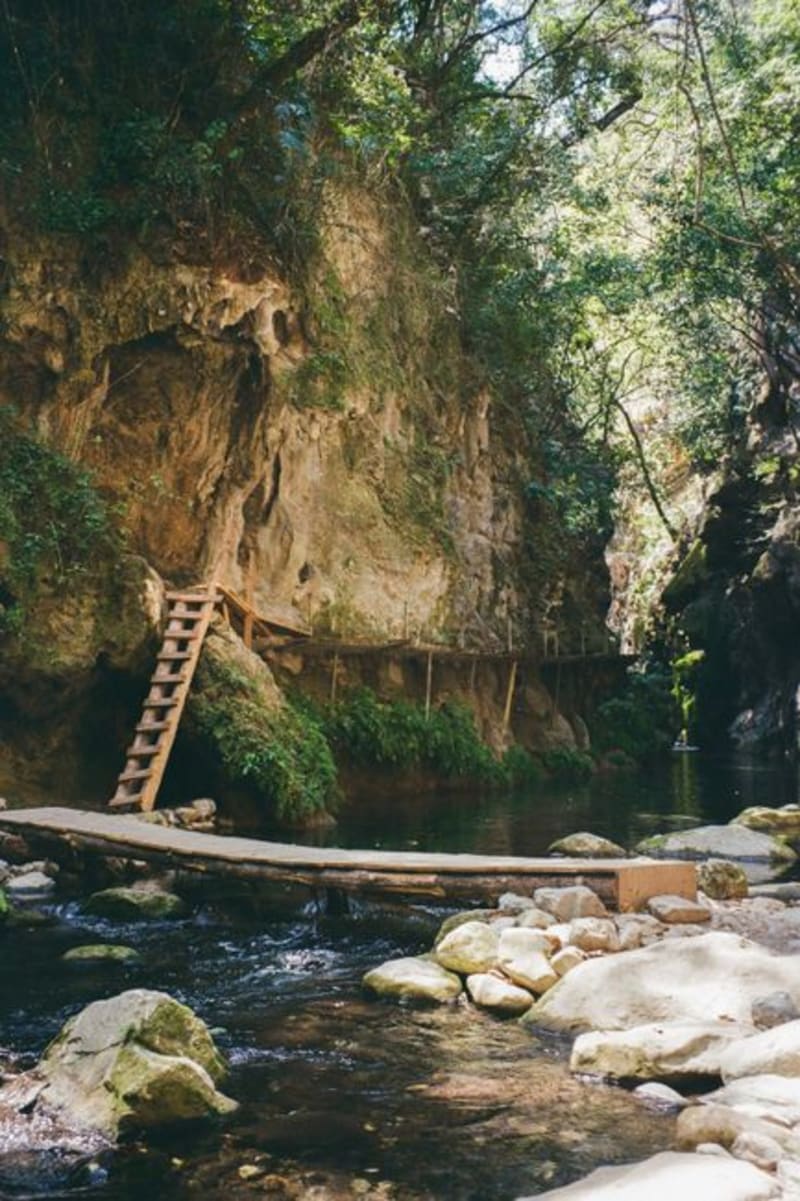 mexico
 Arroyo Seco
A municipality tucked into the northern Sierra Gorda biosphere where the Cañón del Infiernillo opens onto river water of an improbable blue-green, framed by canyon walls dense with subtropical growth. Almost no one makes it here, which given what waits at the bottom is one of Mexico's more persistent travel mysteries.
Explore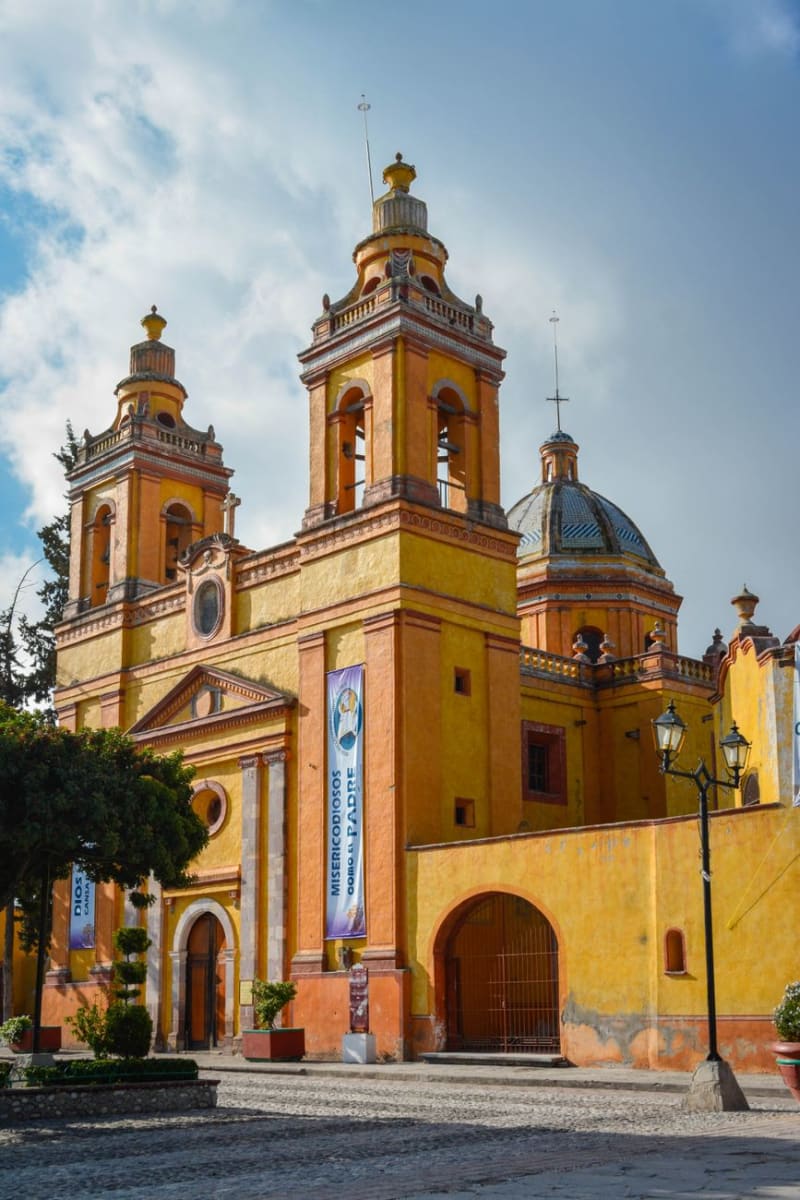 mexico
 Cadereyta de Montes
Cadereyta de Montes is a small colonial town in the eastern foothills of Querétaro that most people pass through on the way to the Sierra Gorda and never stop in, which is a mistake, because the cactus botanical garden here has 2,000 species of succulent plants from across North America and I spent two unplanned hours there and left with a small Mammillaria wrapped in newspaper. The baroque parish church is excellent.
Explore mexico
 Vizarrón de Montes
A marble-quarrying town perched at the edge of one of central Mexico's most dramatic canyons, where the plateau abruptly ends and a world of pale limestone, organ cactus forests, and slow-shifting afternoon light begins. Almost nobody comes here specifically. Almost nobody who does regrets it.
Explore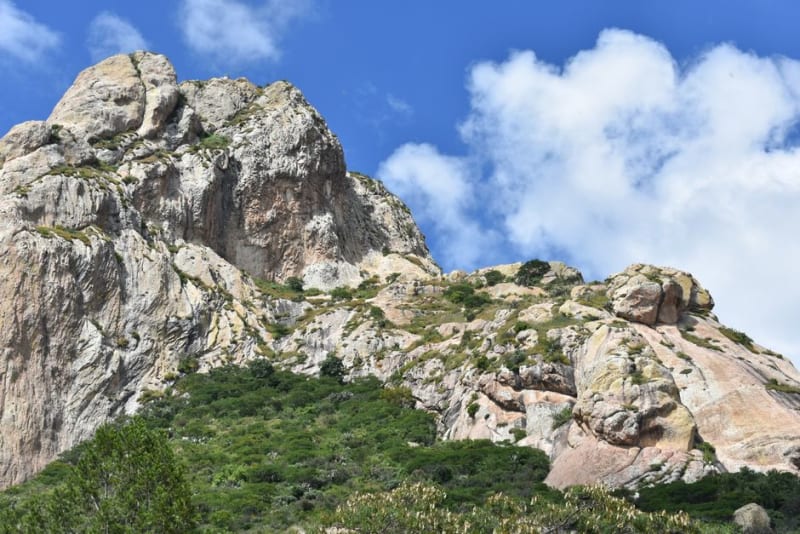 mexico
 Peña de Bernal
The third-largest monolith on Earth rising from a colonial village in the Querétaro highlands — a 433-meter rock that the Chichimec people considered sacred, surrounded by a Pueblo Mágico of queso de tuna cactus candy and artisanal textiles.
Explore