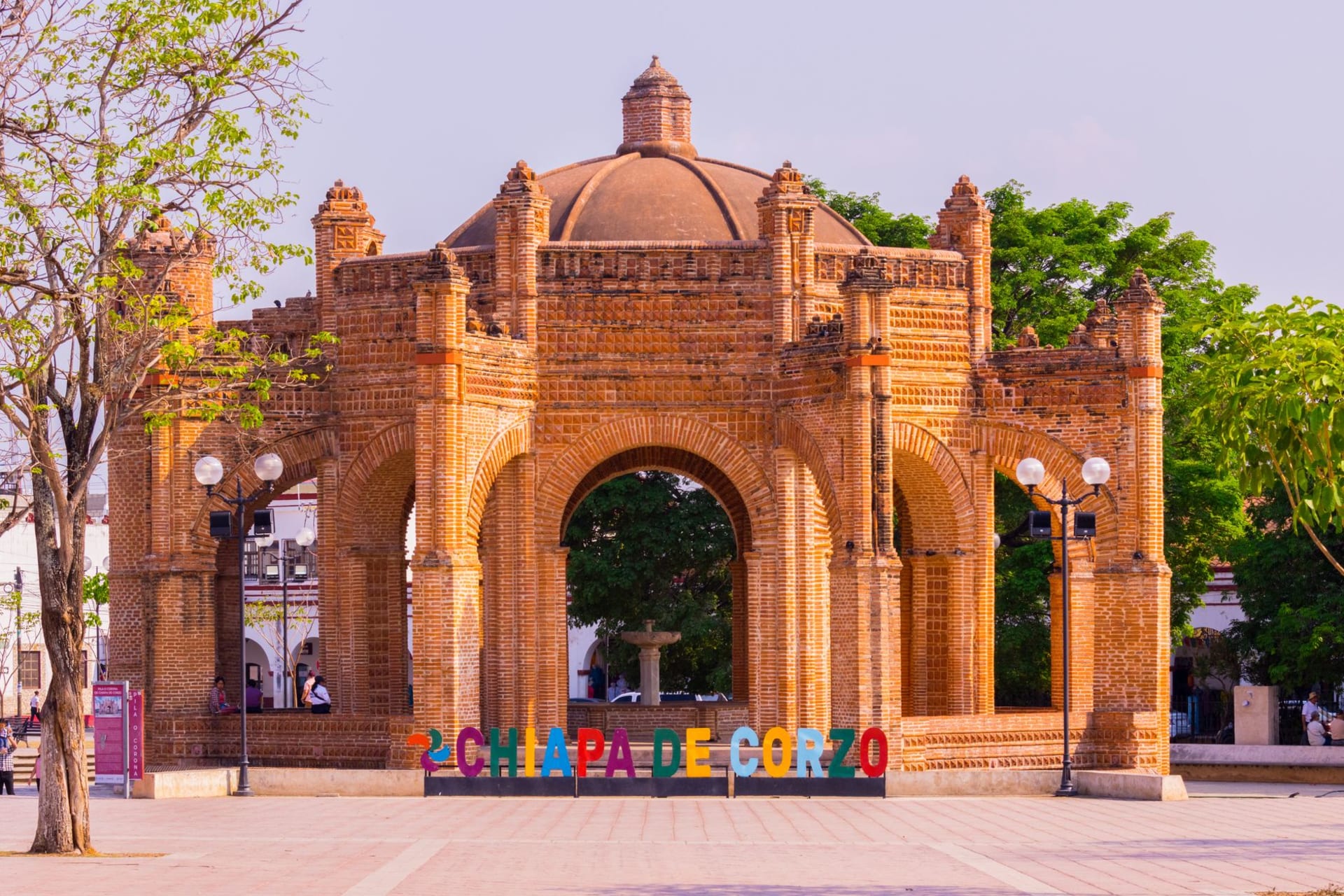
Jalpan de Serra
"Serra came here before California. The church he built looks like it was designed to impress someone who lived very far away."
A mission town tucked deep in the Sierra Gorda mountains of Querétaro, where Junípero Serra built one of his most ornate baroque churches before heading to California. The surrounding biosphere reserve is among the most biodiverse in Mexico — cloud forest, semi-arid scrubland, and tropical canyon all within a few kilometers of each other.

I drove the last two hours from Querétaro city in the dark, the road corkscrewing through dry hills that eventually went green, then very green. I arrived in Jalpan at around nine at night, parked on the square, and the mission church was just there — lit from below, absurdly grand for a town this size, its baroque facade crowded with saints and serpents and corn. I stood in front of it long enough that a man selling elotes from a cart asked if I was all right.
A Church Built to Astonish
The Misión Santiago de Jalpan went up between 1751 and 1758, designed by Fray Junípero Serra — the Franciscan who would later build the California mission chain — and the sheer ambition of it still does not quite make sense. You are in a mountain town of maybe fifteen thousand people, four hours from any major city, and in front of you is a facade so layered with ornament it reads almost like argument: here is the Church, here is its reach, and yes, it extends this far into the wilderness. UNESCO eventually agreed, designating all five Sierra Gorda missions a World Heritage Site. From the inside, the proportions are intimate — it is not a cathedral — but the craftsmanship is close and meticulous in a way that rewards slow looking. I went back three times over two days, always in different light.
The Biosphere Begins Outside Town
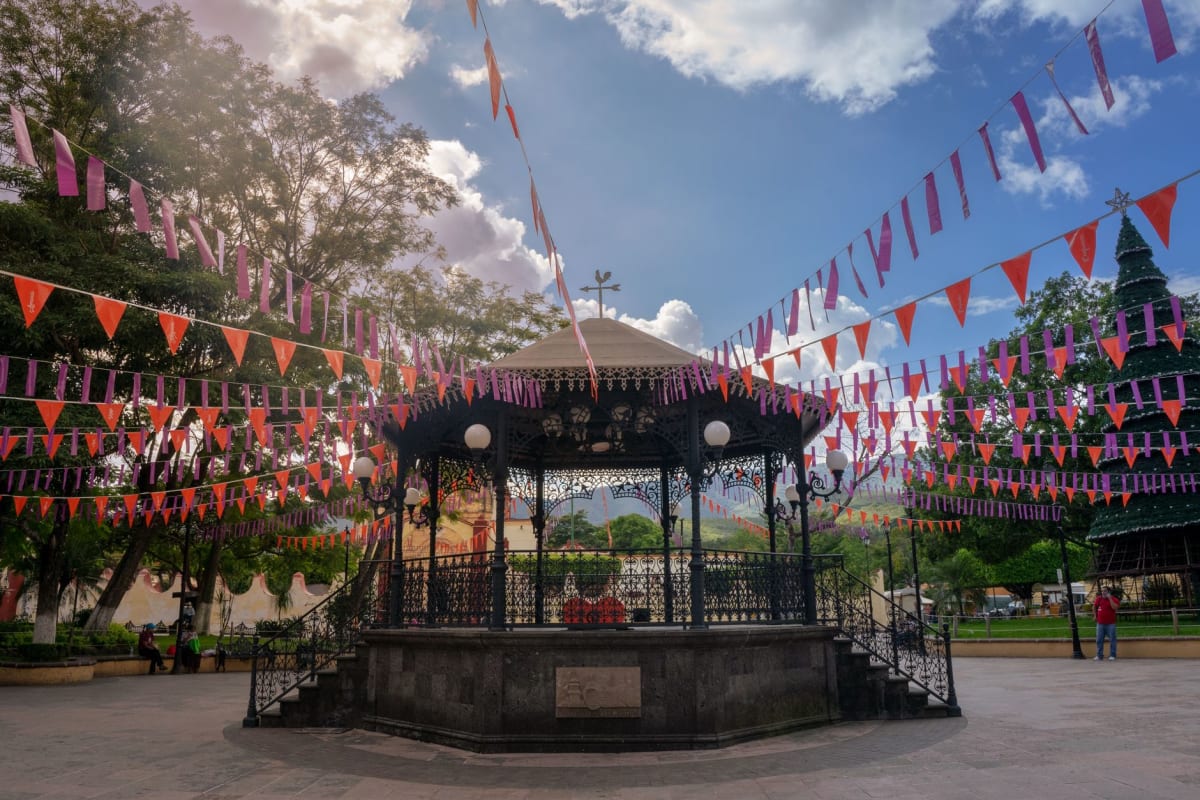
The Sierra Gorda Biosphere Reserve surrounds Jalpan on all sides and contains an almost implausible range of ecosystems — cloud forest, xeric scrub, tropical deciduous forest, subtropical canyon — stacked one against another depending on altitude and which way a slope faces. I spent one morning on the trail toward the Cascada El Chuvejé, which starts just outside town and drops through oak and pine before opening onto a waterfall cold enough to make my teeth ache. The reserve is home to ocelots, mountain lions, and more than three hundred bird species. I am a passable birder and I barely knew where to look first. The Grupo Ecológico Sierra Gorda, based here in Jalpan, runs conservation work throughout the reserve and offers guided walks — worth contacting ahead if you want to go deeper into the backcountry.
Eating on the Plaza
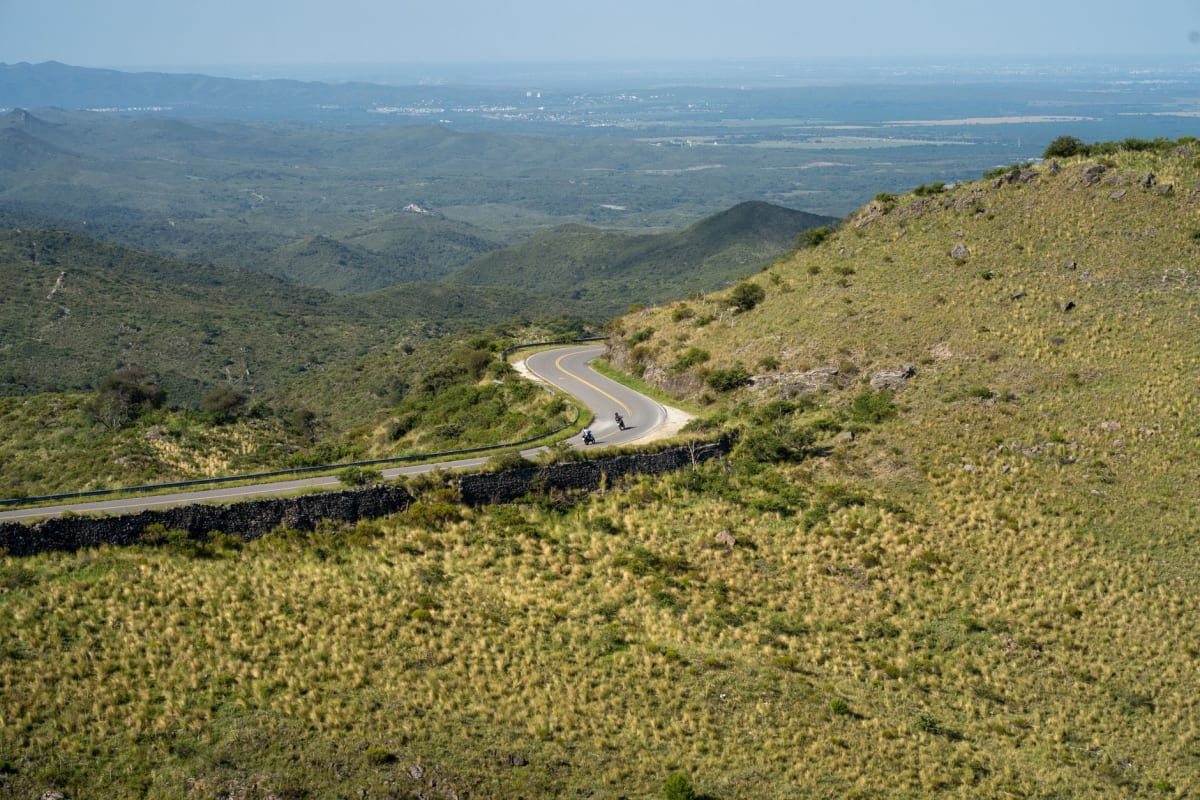
Jalpan eats well for its size. On the north side of the plaza, a spot called El Mesón de la Sierra serves enchiladas mineras in a mole that tastes like it was started the previous morning — dark, slightly bitter, with a warmth that builds slowly. The mercado municipal, two blocks east of the church, has a row of breakfast stalls open by seven; I had chilaquiles rojos with a fried egg and a large café de olla and paid sixty pesos. On weekend evenings the square fills and someone usually sets up a speaker. I ate tacos de guisado standing up and watched Jalpan be entirely itself, which is really all you can ask of a place.
Getting There
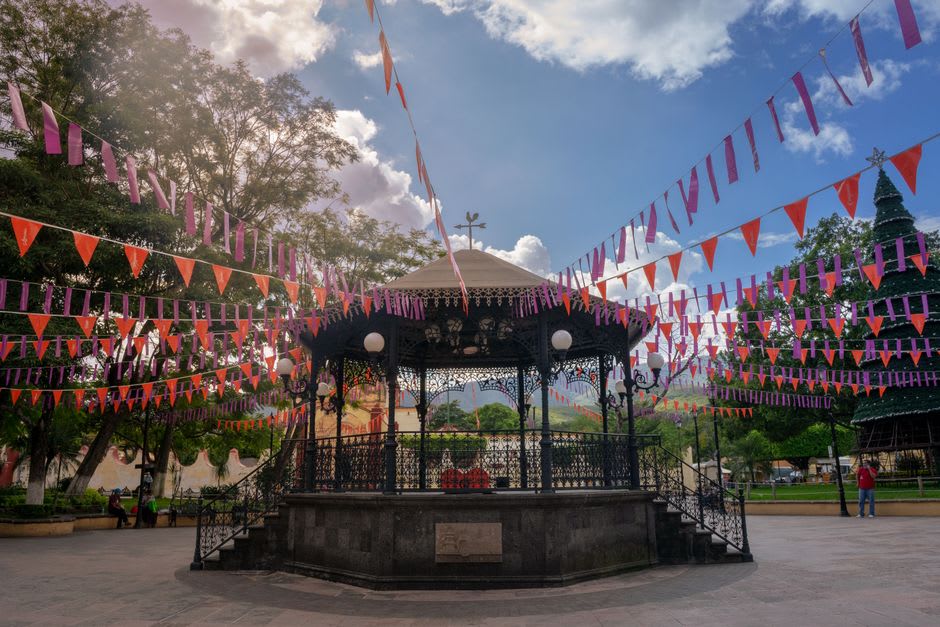
Jalpan is about four hours from Querétaro city by car via the 57 and then Federal Highway 120 — the mountain stretch takes longer than the map suggests. Direct buses run from Querétaro’s Terminal de Autobuses to Jalpan with Flecha Amarilla; the journey is around four to five hours depending on stops. There is no airport. Plan at least two nights.
Keep exploring
More of Querétaro
Keep exploring
More from Querétaro
 mexico
 Landa de Matamoros
Deep in the Sierra Gorda biosphere, Landa de Matamoros is a Pueblo Mágico most travelers skip on their way to the UNESCO Franciscan missions — which is exactly why staying here makes more sense than leaving.
Explore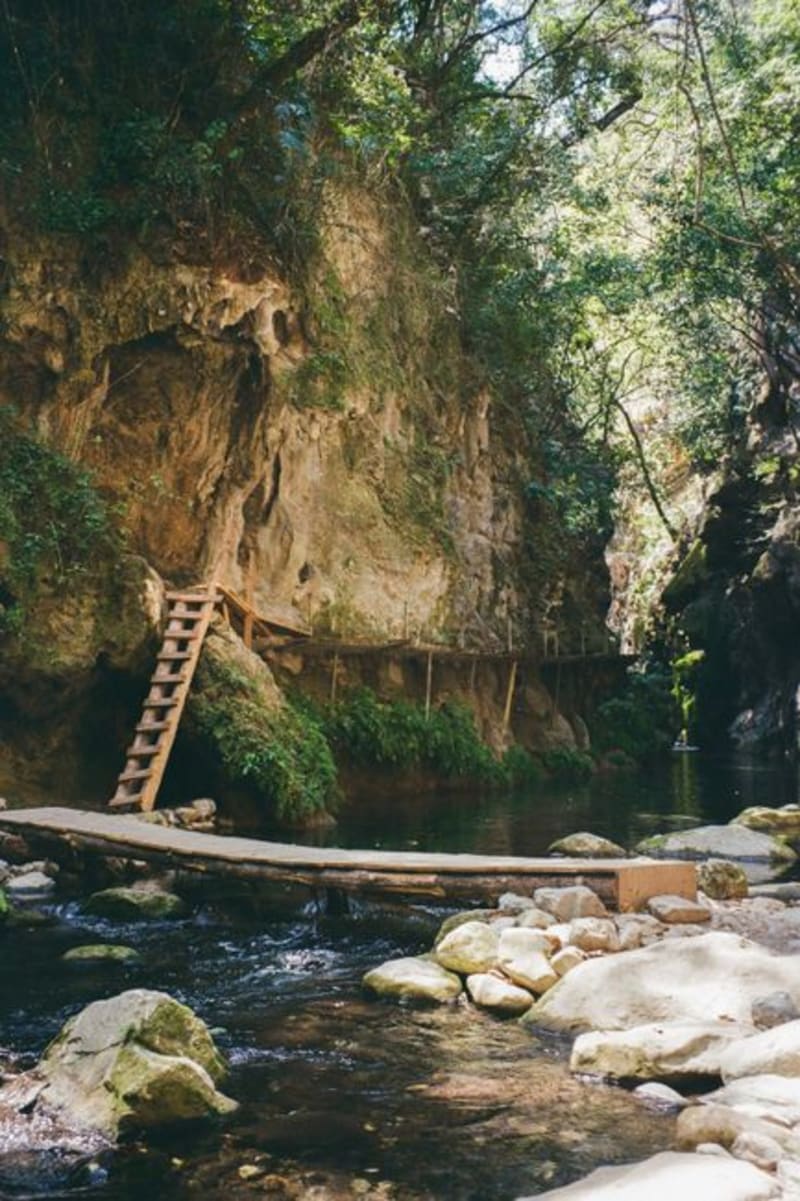 mexico
 Arroyo Seco
A municipality tucked into the northern Sierra Gorda biosphere where the Cañón del Infiernillo opens onto river water of an improbable blue-green, framed by canyon walls dense with subtropical growth. Almost no one makes it here, which given what waits at the bottom is one of Mexico's more persistent travel mysteries.
Explore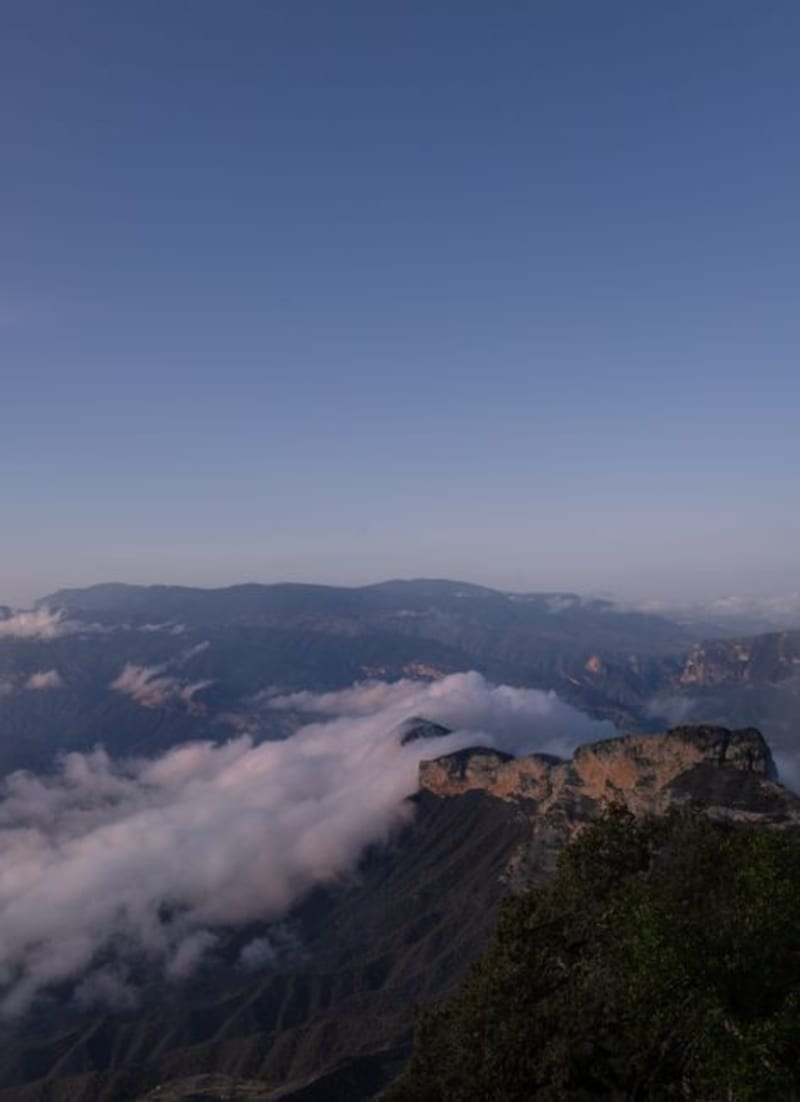 mexico
 Pinal de Amoles
Pinal de Amoles sits at 2,400 meters on the edge of the Sierra Gorda, where the road from the canyon delivers you — slightly shaken — into a village that produces cheeses and mezcals found nowhere else. The barranca drops away dramatically on the south side of the main street, and the surrounding biosphere reserve presses in from every other direction.
Explore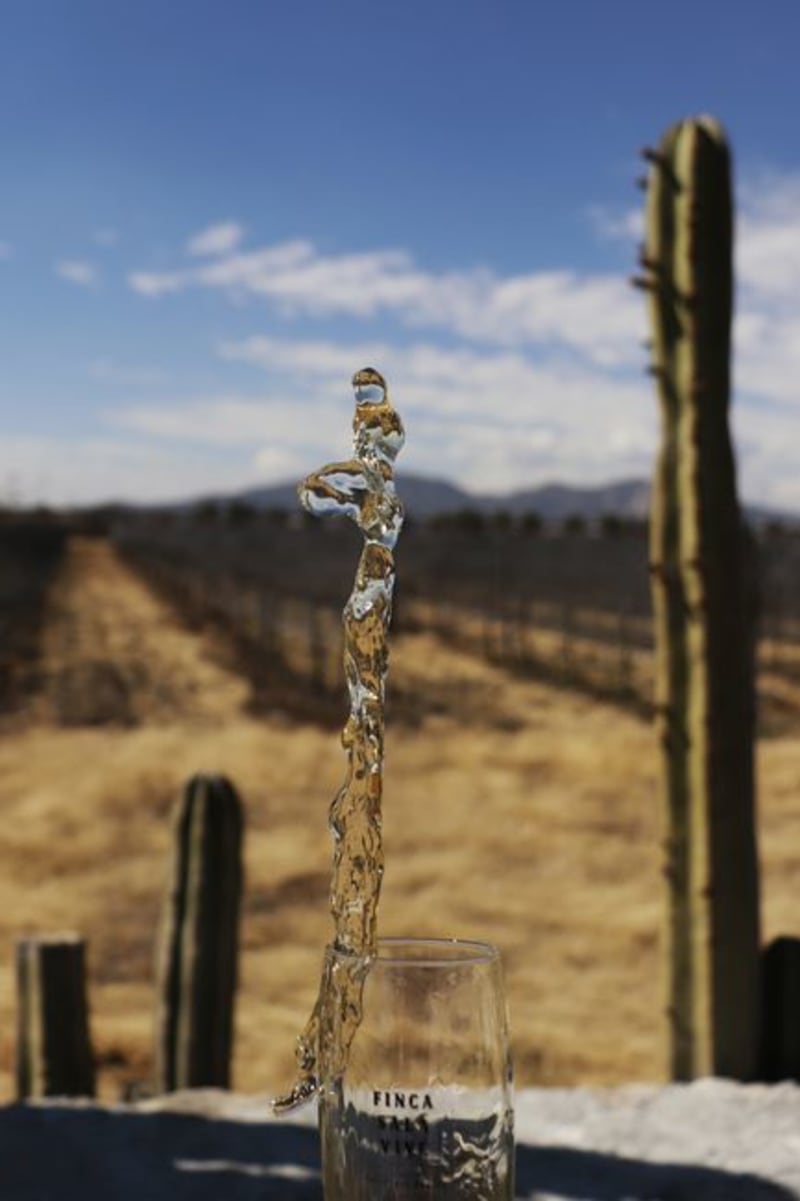 mexico
 Vizarrón de Montes
A marble-quarrying town perched at the edge of one of central Mexico's most dramatic canyons, where the plateau abruptly ends and a world of pale limestone, organ cactus forests, and slow-shifting afternoon light begins. Almost nobody comes here specifically. Almost nobody who does regrets it.
Explore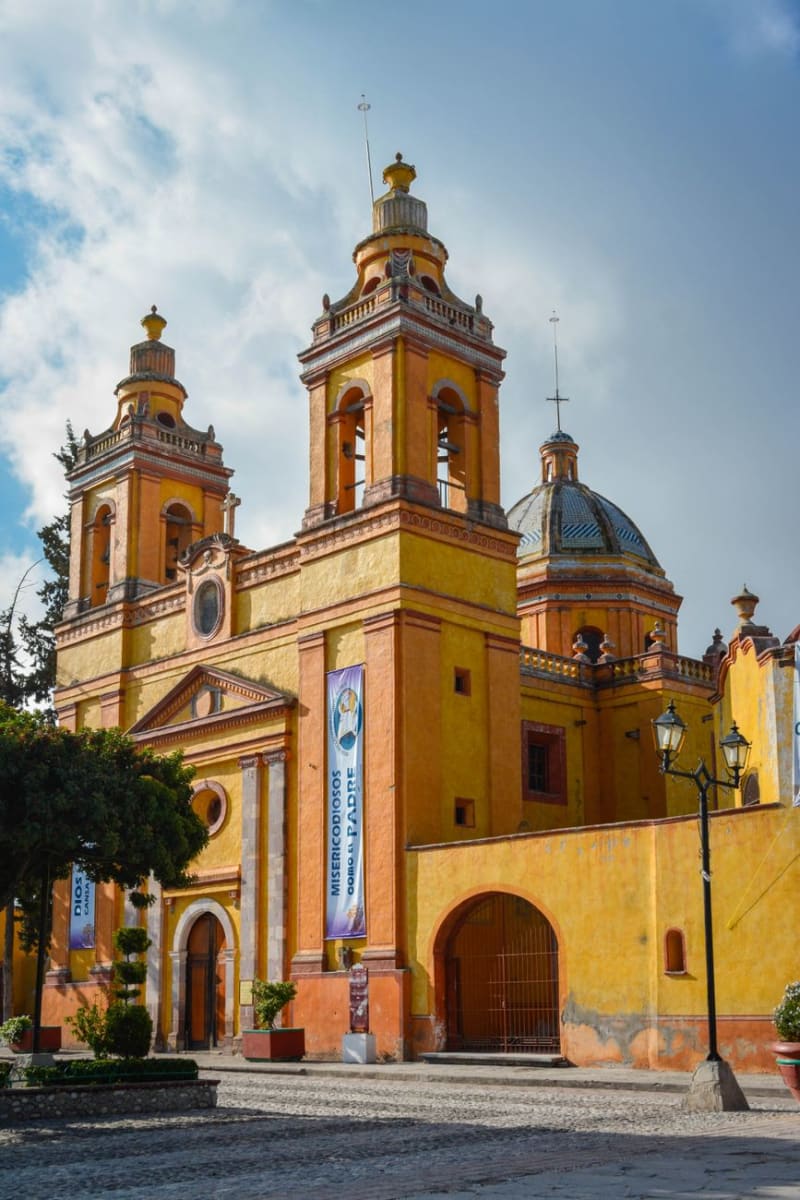 mexico
 Cadereyta de Montes
Cadereyta de Montes is a small colonial town in the eastern foothills of Querétaro that most people pass through on the way to the Sierra Gorda and never stop in, which is a mistake, because the cactus botanical garden here has 2,000 species of succulent plants from across North America and I spent two unplanned hours there and left with a small Mammillaria wrapped in newspaper. The baroque parish church is excellent.
Explore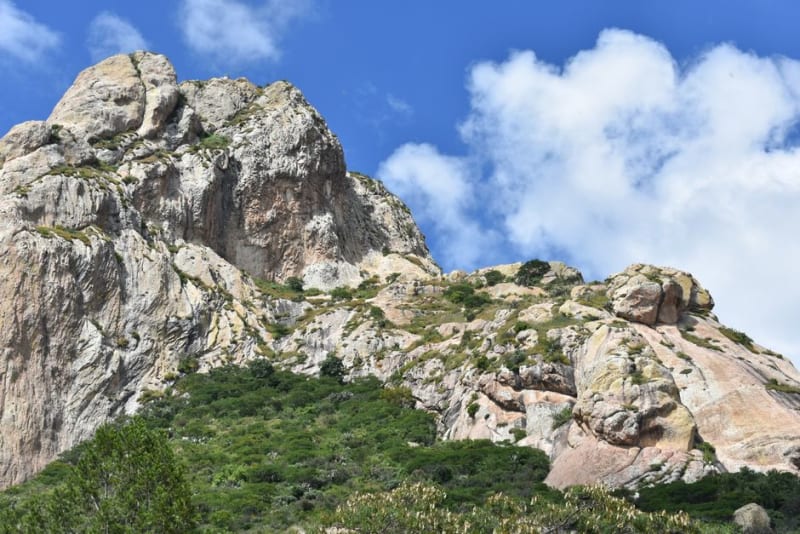 mexico
 Peña de Bernal
The third-largest monolith on Earth rising from a colonial village in the Querétaro highlands — a 433-meter rock that the Chichimec people considered sacred, surrounded by a Pueblo Mágico of queso de tuna cactus candy and artisanal textiles.
Explore