Vizarrón de Montes
"I stopped at the canyon rim to take a photo and ended up sitting there for two hours. The scale of it — that sudden drop into all that pale stone and green cactus — felt almost unreasonable for somewhere so easy to reach."
A marble-quarrying town perched at the edge of one of central Mexico's most dramatic canyons, where the plateau abruptly ends and a world of pale limestone, organ cactus forests, and slow-shifting afternoon light begins. Almost nobody comes here specifically. Almost nobody who does regrets it.

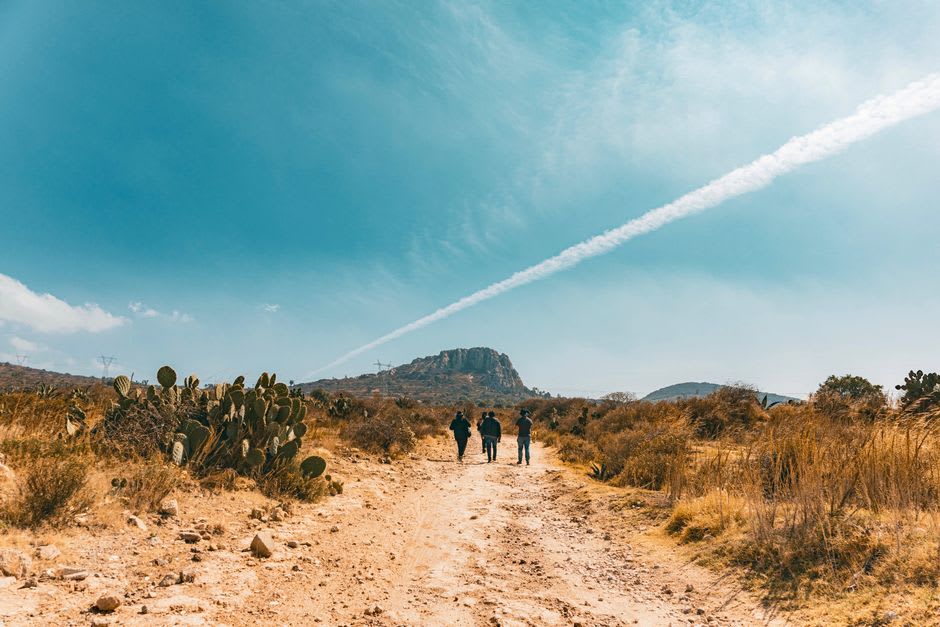
The road from Cadereyta de Montes climbs forty minutes through scrubland that gets drier and more theatrical by the kilometer — maguey, nopal, cardón cactus in arrangements that look almost deliberate. Then the town appears: low buildings, marble dust settled on the storefronts, a plaza where the church steps are local stone polished smooth by years of feet. And past the last rooftops, the plateau simply ends. I stopped to take a photograph and stayed for two hours. The canyon below had a scale that felt almost unreasonable for somewhere this close to a state capital.
The Cañón de Vizarrón
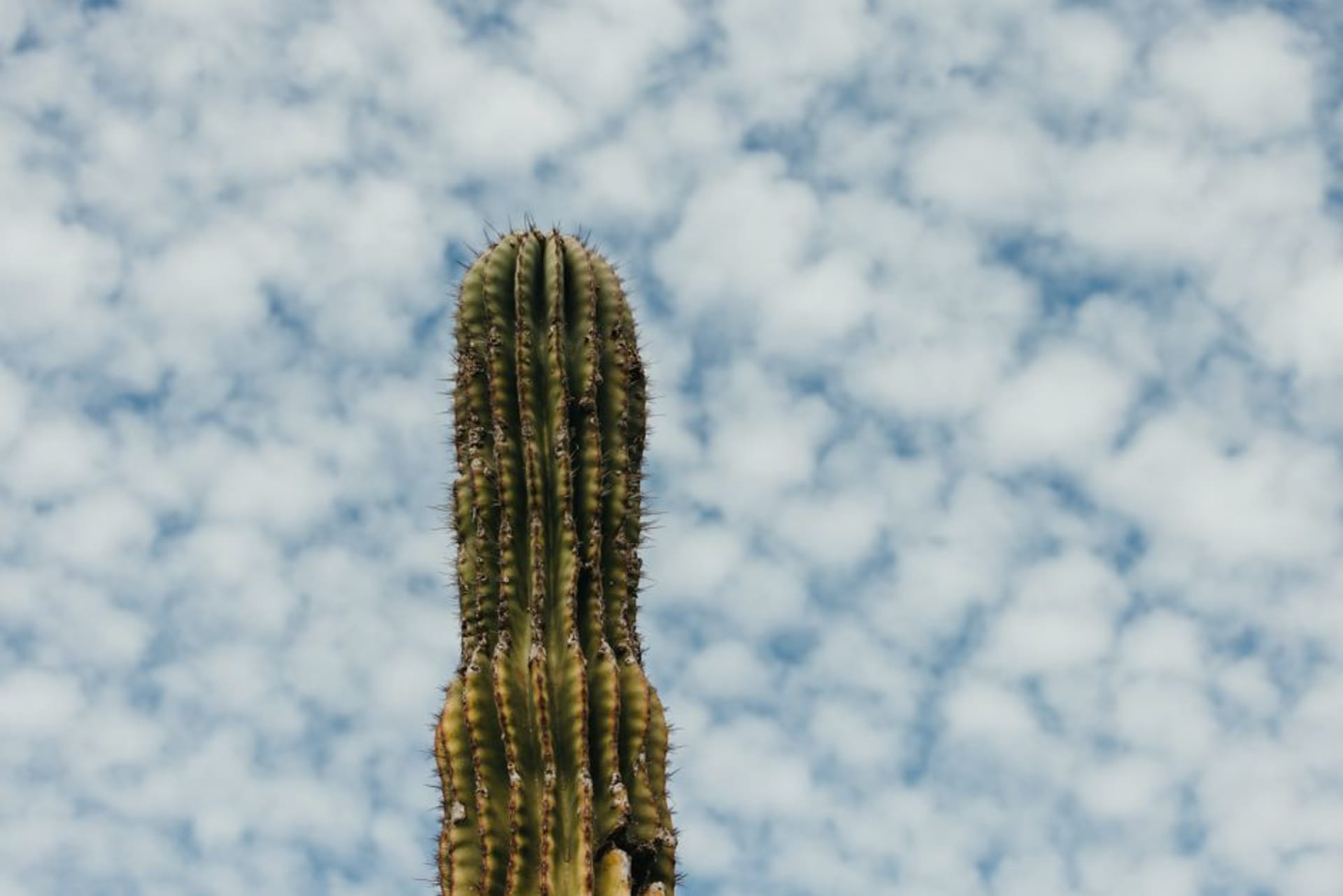
The canyon drops several hundred meters depending on where you’re standing — I didn’t have instruments, only a growing sense that the far wall was very far and the floor even further below it. The stone is pale, almost white in midday, then cream in the morning, then a slow progression through ochre and copper as the afternoon advances. Organ cactus — the tall columnar kind that forms actual forests — covers both walls and the canyon floor so densely that the scale becomes deceptive. You don’t understand the depth until you spot a road on the opposite wall and realize those vehicles are the size of beetles.
There’s no formal mirador, which is either a problem or an advantage depending on your tolerance for crowds. The canyon rim is accessible, unrestricted, and largely empty on weekdays. I walked a kilometer in each direction from the main viewing area and passed nobody. A small interpretive sign near the town edge explains the geology in Spanish dense enough to suggest it was written by someone who cared more about accuracy than readers.
Marble Town
Vizarrón’s working identity is marble. The quarries are visible from the approach road — raw cuts in the hillside, exposed white and grey stone waiting to be processed. In town, the workshops are easy to find: follow the sound of grinding equipment and the fine white dust that settles on everything within three blocks. Most of what’s produced here goes to construction elsewhere in Mexico — flooring, countertops, architectural elements. The artisanal side exists more modestly: small workshops sell finished pieces, decorative tiles to religious figures, a few storefronts near the plaza with displays that feel genuinely local rather than tourist-aimed.
The Saturday morning market runs along the street that descends from the plaza toward the canyon edge. Mostly food: gorditas stuffed with chicharrón prensado, fresh white cheese from somewhere in the sierra, tamales a vendor described as estilo serrano — lighter than city versions, more chile than meat, steamed in a way that keeps the masa from getting dense. I ate two and then walked to the canyon and sat with the light.

The Light and the Meal
The canyon is best in the two hours before sunset, when the stone goes warm and the shadows sharpen the vertical relief. Morning works too, but the orientation means the far wall catches direct light while the near side stays in shadow — different effect, not worse, just different. Midday is the one time to avoid it: flat, bleached-out, and the walk back from the rim in full sun is longer than it looks.
For lunch, the comedor on the south side of the plaza runs a caldo de res on weekends that is thick enough to be structural — served with a stack of tortillas and a bowl of chile de árbol salsa that had more heat than I expected from a mountain town. There is nowhere to stay overnight in Vizarrón itself, so you are making a day trip from Querétaro, from Cadereyta, or from wherever you have based yourself in this part of the state.
Getting There
Querétaro city is about 85 kilometers away — roughly an hour and a half by car via Federal Highway 120 through Cadereyta de Montes. Buses from Querétaro to Cadereyta run regularly throughout the day; from Cadereyta, combis continue to Vizarrón on a schedule loosely correlated to demand. The dry season, October through April, is the most reliable window. Come on a weekday if you want the rim to yourself.
Keep exploring
More of Querétaro
Keep exploring
More from Querétaro
 mexico
 Cadereyta de Montes
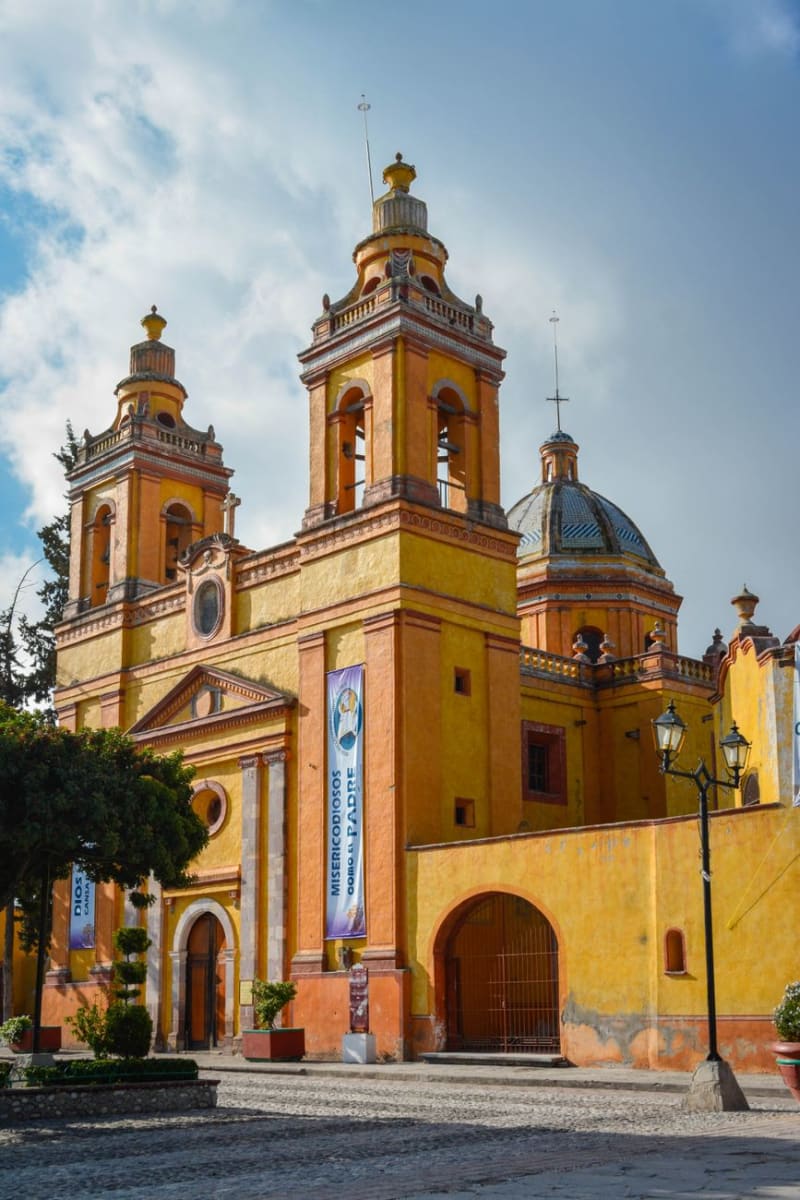
Cadereyta de Montes is a small colonial town in the eastern foothills of Querétaro that most people pass through on the way to the Sierra Gorda and never stop in, which is a mistake, because the cactus botanical garden here has 2,000 species of succulent plants from across North America and I spent two unplanned hours there and left with a small Mammillaria wrapped in newspaper. The baroque parish church is excellent.
Explore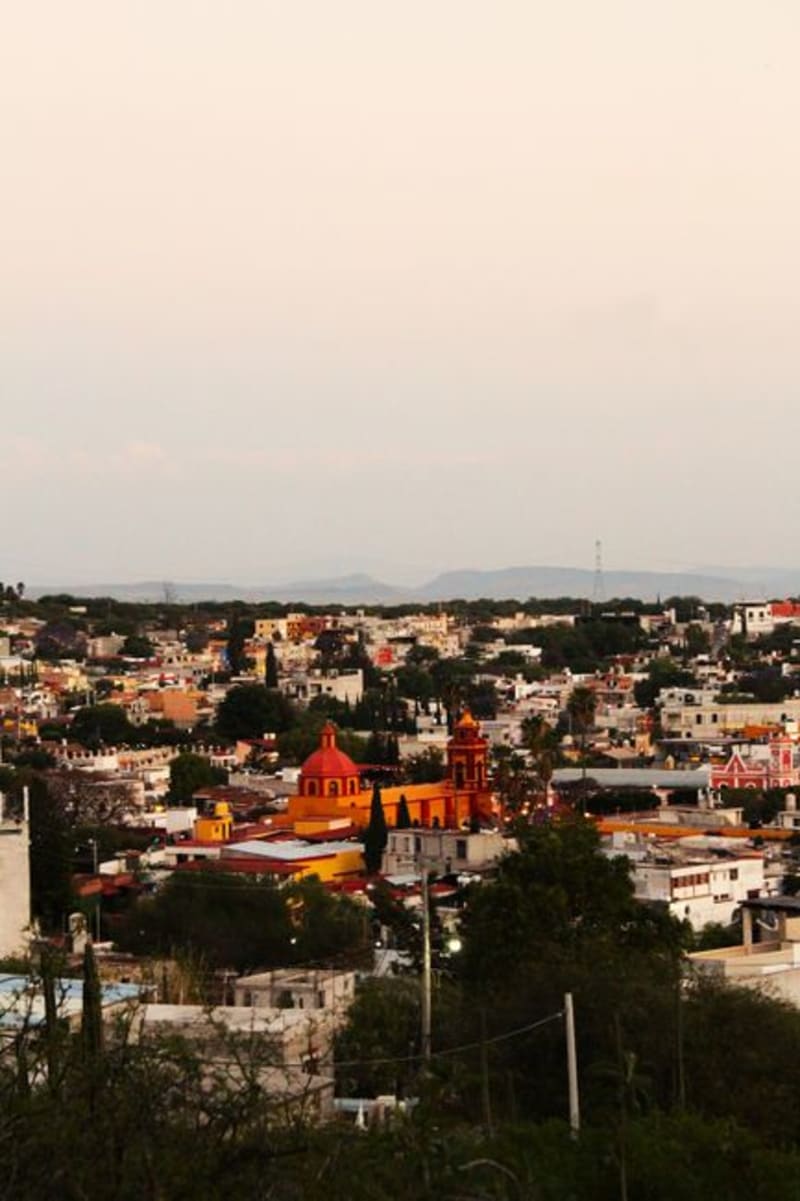 mexico
 Bernal
A pueblo mágico of cobbled streets huddled at the foot of one of the largest monoliths on earth, in the dry hills of Querétaro. A rock so big it edits the sky, a plate of gorditas de migajas cooked on a comal, and the particular hush that falls when the last day-tripper drives back to the city.
Explore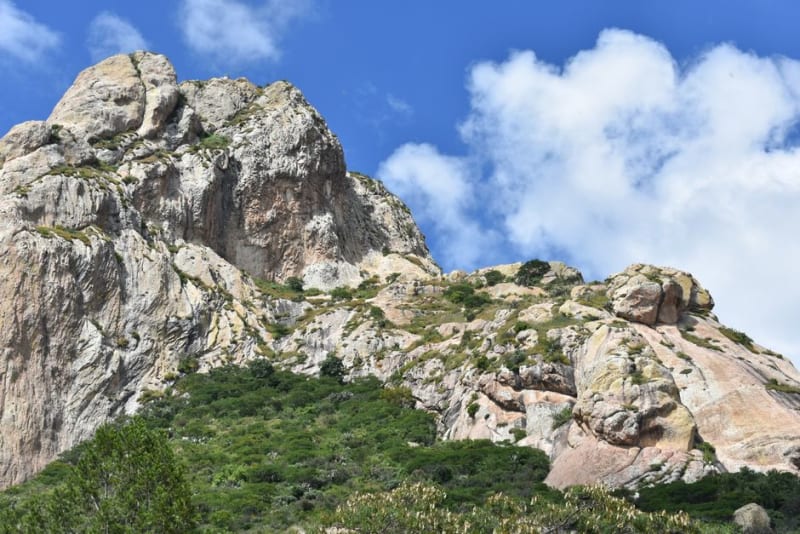 mexico
 Peña de Bernal
The third-largest monolith on Earth rising from a colonial village in the Querétaro highlands — a 433-meter rock that the Chichimec people considered sacred, surrounded by a Pueblo Mágico of queso de tuna cactus candy and artisanal textiles.
Explore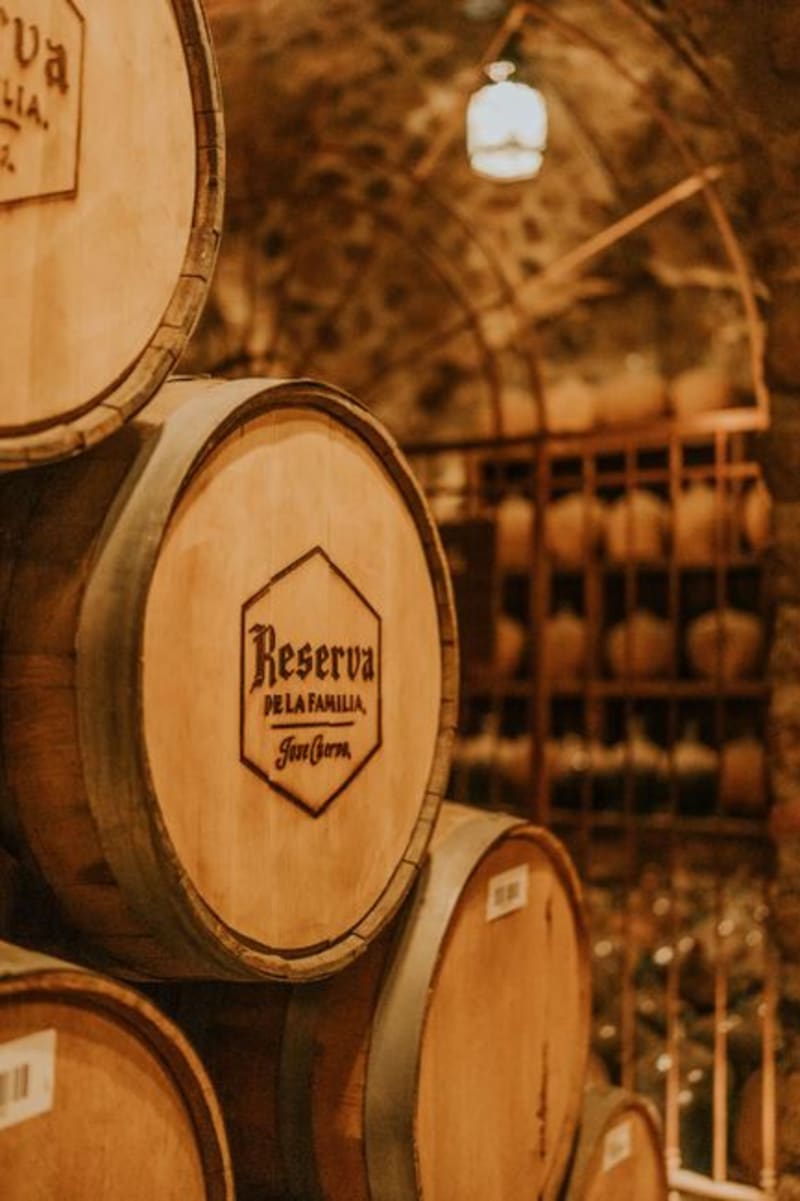 mexico
 Ezequiel Montes
Ezequiel Montes sits on a plateau at 1,800 meters in the Querétaro highlands, where sharp temperature swings between warm days and cold nights produce grapes nobody expected to thrive here until they did. The wine country around it — Cuna de Tierra, Freixenet México, and a handful of quieter producers — makes a serious case for Mexican viticulture without needing to shout about it.
Explore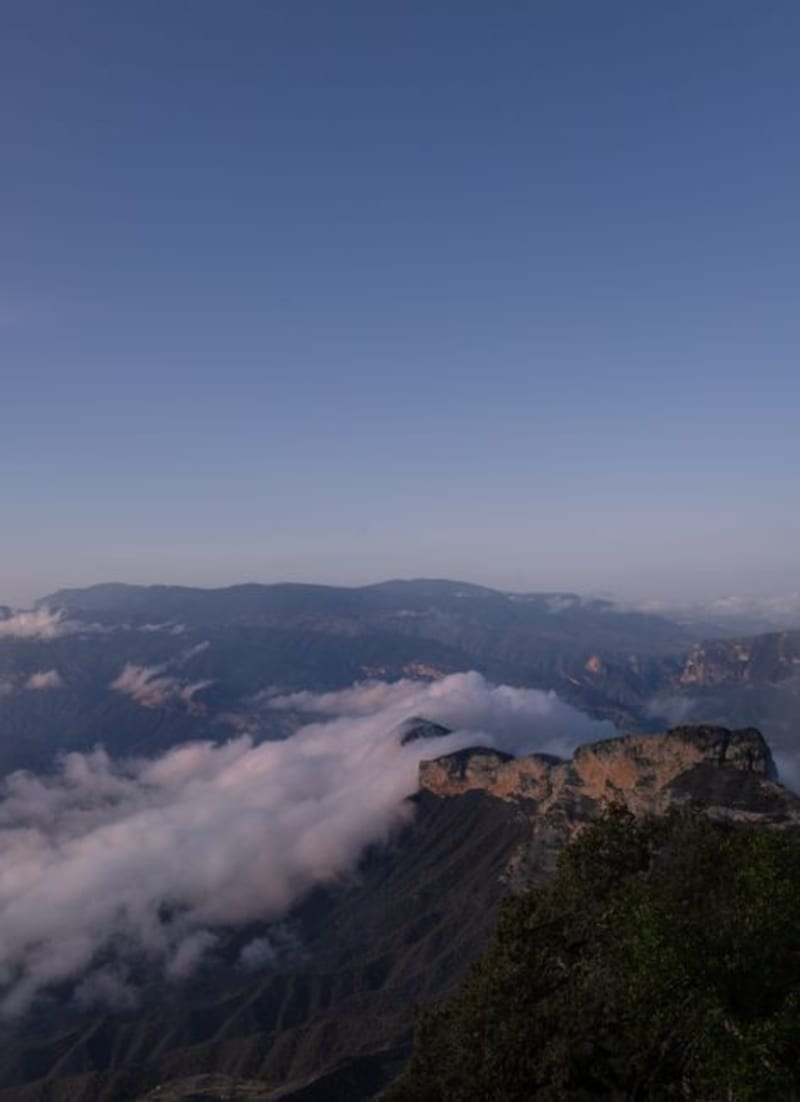 mexico
 Pinal de Amoles
Pinal de Amoles sits at 2,400 meters on the edge of the Sierra Gorda, where the road from the canyon delivers you — slightly shaken — into a village that produces cheeses and mezcals found nowhere else. The barranca drops away dramatically on the south side of the main street, and the surrounding biosphere reserve presses in from every other direction.
Explore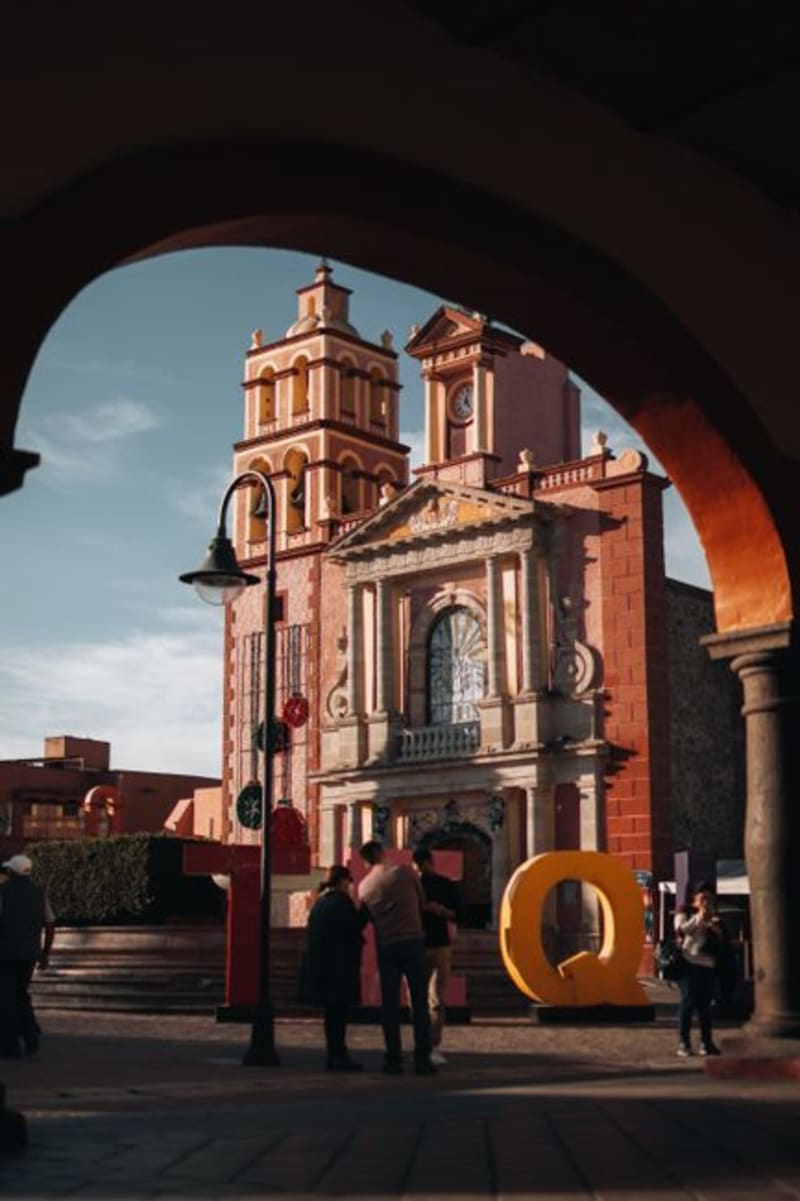 mexico
 Colón
A semi-arid municipality in central Querétaro spread beneath the Cerro El Zamorano, the state's highest peak. Ranch country and big dry skies, with a young vineyard scene taking root in the hills — quiet, spacious, and easy to breathe in.
Explore