Ixtlán del Río
"A circular pyramid in a field off the highway with almost no other visitors — that is a good morning."
A small Nayarit town on the Guadalajara-Tepic highway whose real reason to stop sits just outside the center: an archaeological zone built around a circular temple dedicated to Quetzalcóatl, one of the only round pre-Hispanic structures in western Mexico. Traffic roars past on the libre and almost nobody turns off.

I pulled off the highway on the way back from Tepic without much of a plan — I had seen a brown INAH sign at seventy kilometres per hour and decided on the spot. The zona arqueológica is less than two kilometres from the main road, behind a gate where an attendant sells you a forty-peso ticket without looking up from his thermos. I walked through and had the entire site to myself for the first forty minutes. The iguanas, for their part, were not impressed by either of us.
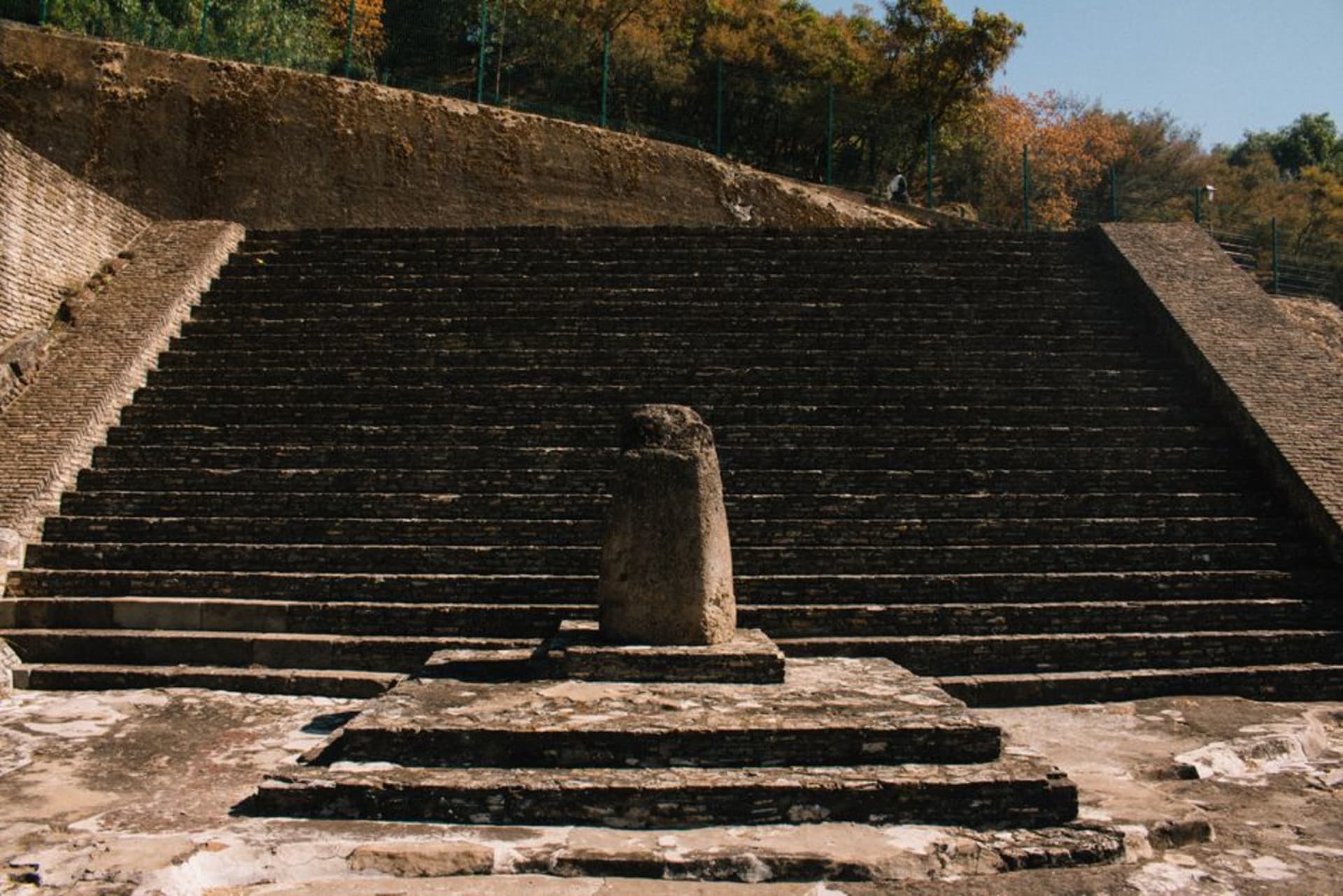
The Templo de Quetzalcóatl
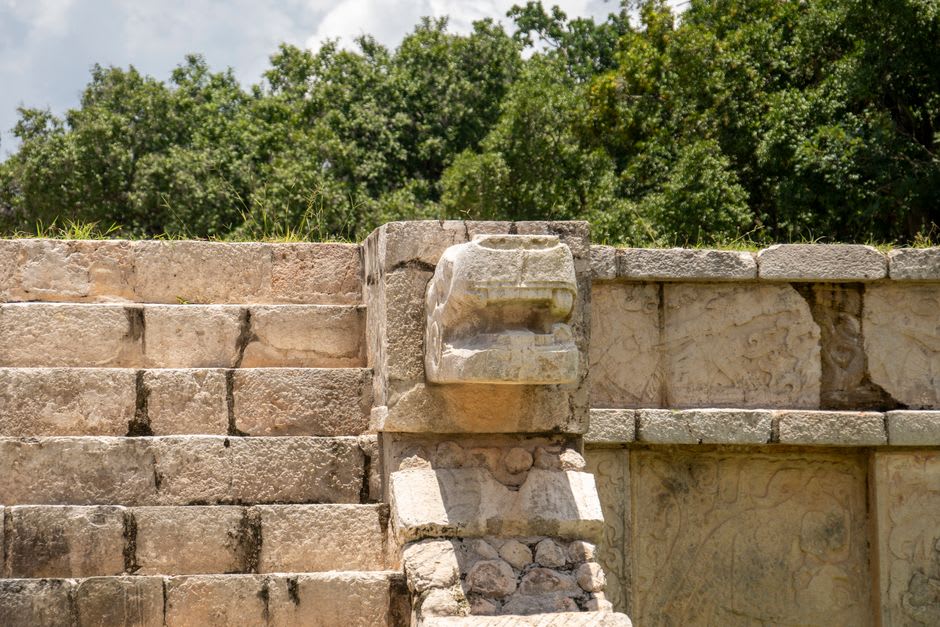
The thing nobody tells you about this place is how strange the geometry feels in person. Most Mesoamerican architecture is rectilinear — stepped platforms that march upward in clean right angles. The circular temple here breaks that rhythm entirely, and standing beside it you understand, viscerally, why the Aztec-period builders chose the round form for Ehecatl-Quetzalcóatl, the wind god: wind has no corners. The structure rises in concentric stone tiers, worn smooth in places, and the cruciform doorways cut through the walls align with cardinal directions. Researchers believe the complex dates to somewhere between 900 and 1200 CE, associated with the Aztatlán cultural tradition, though the site continued to be used well into the post-Classic period. There are also rectangular platforms scattered around the surrounding field, several altars, and a ball court — enough to occupy a slow morning without ever feeling rushed.
The Town Itself
Ixtlán del Río proper is a market town that functions on its own schedule regardless of whether anyone is visiting archaeological zones. The mercado municipal on Calle Hidalgo has a cluster of fondas in the back where you can get a bowl of pozole blanco or a plate of chilorio con frijoles for lunch — the kind of meal that costs sixty pesos and takes thirty minutes to arrive because the cook is handling five other tables. I ate there on my second visit, the one where I came specifically rather than by accident. The town has a handsome parish church, the Parroquia de Santiago Apóstol, with yellow-painted towers that photograph well in the late afternoon when the light drops low over the sierra. Nobody is performing the town for visitors. That suits me fine.
Timing and Pace
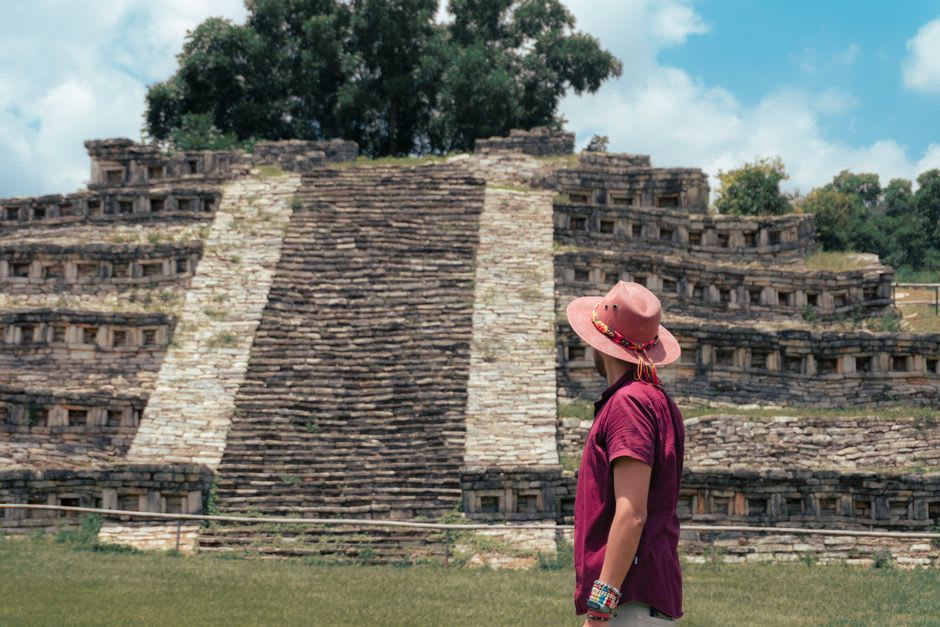
Go early. By ten in the morning the site can get warm, the grass loses its cool, and the occasional school group appears. I was there at eight on my second visit, the light still raking across the stone, and I counted eleven iguanas on the main structure alone. Bring water. The INAH site has no café, no gift shop, no infrastructure beyond the entry kiosk and some information placards in Spanish. That is, I would argue, exactly correct.
Getting There
Ixtlán del Río sits on Federal Highway 15, roughly 90 km north of Guadalajara and 60 km south of Tepic — a natural stop on that corridor if you are driving. From Guadalajara’s Central Camionera, second-class buses on the Tepic route stop in town. From there the zona arqueológica is a short taxi ride or a twenty-minute walk northwest of the plaza.
Keep exploring
More of Nayarit
Keep exploring
More from Nayarit
 mexico
Ixtlán del Río
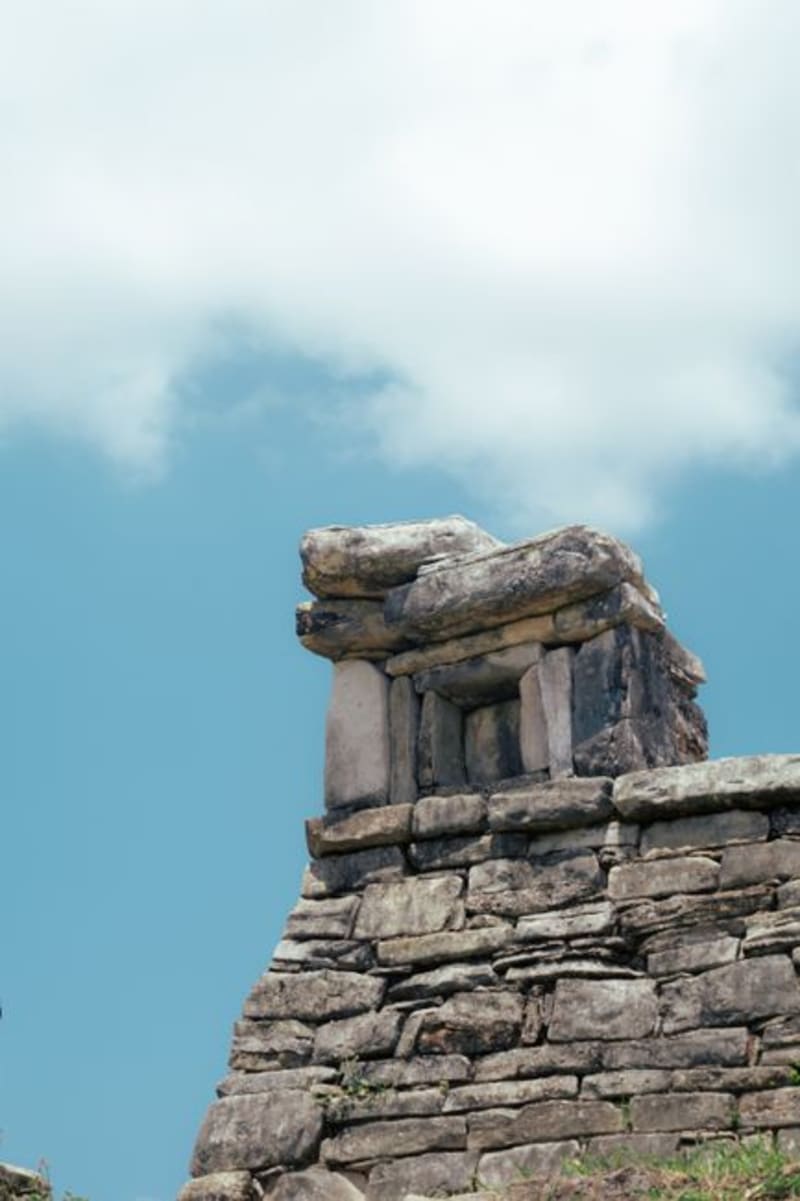
Ixtlán del Río is a highway town in Nayarit that most people pass without stopping — and those who stop usually come for El Cerrito, a pre-Columbian ceremonial site on the edge of town with a round temple unlike almost anything else in western Mexico. The Aztatlán culture built it between 900 and 1200 CE, and it still sits beside the asphalt, largely unmarked, usually empty.
Explore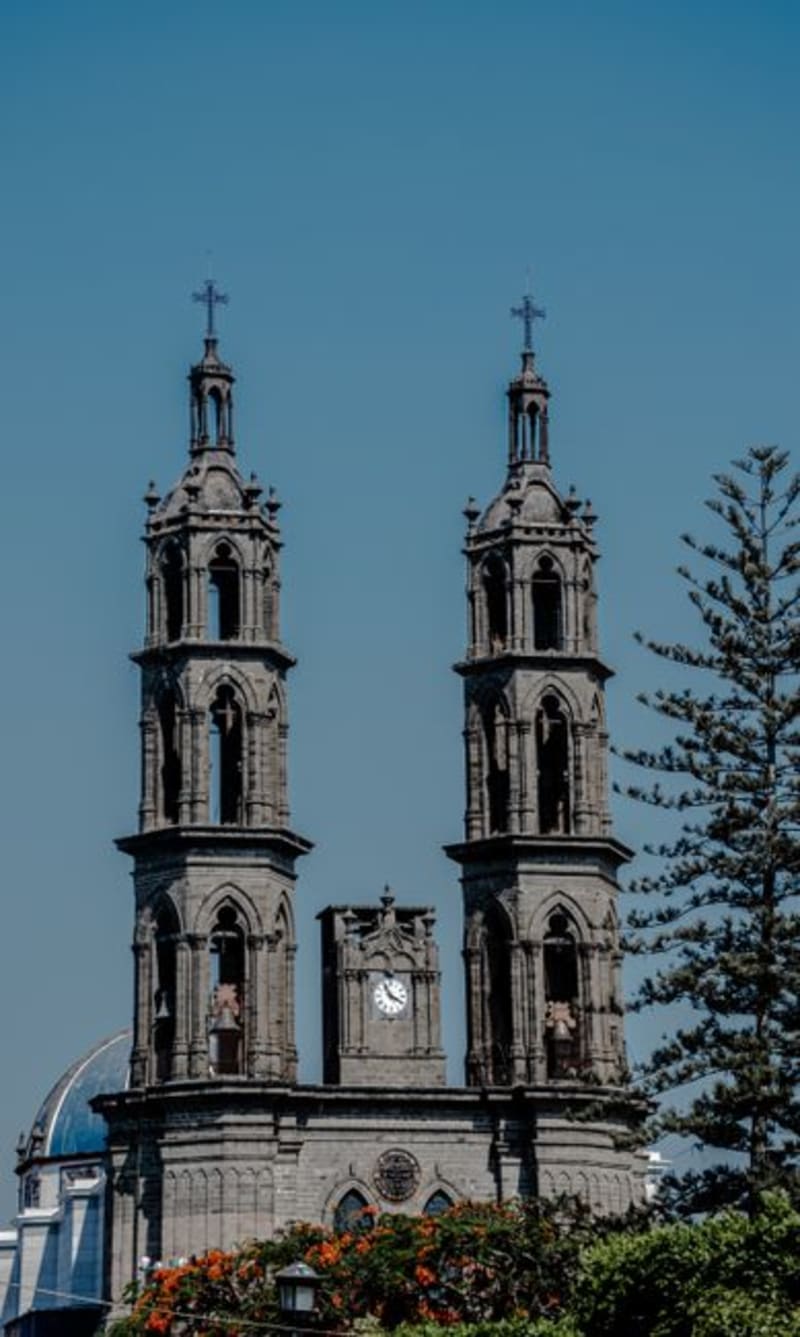 mexico
Jala
A quiet Pueblo Mágico at the foot of Ceboruco, an active volcano that last erupted in 1875 and still breathes sulphur through its crater vents. Jala is also home to the maíz jaleño, a heritage corn variety that grows to four meters tall — and a plaza where very little happens, which turns out to be precisely the point.
Explore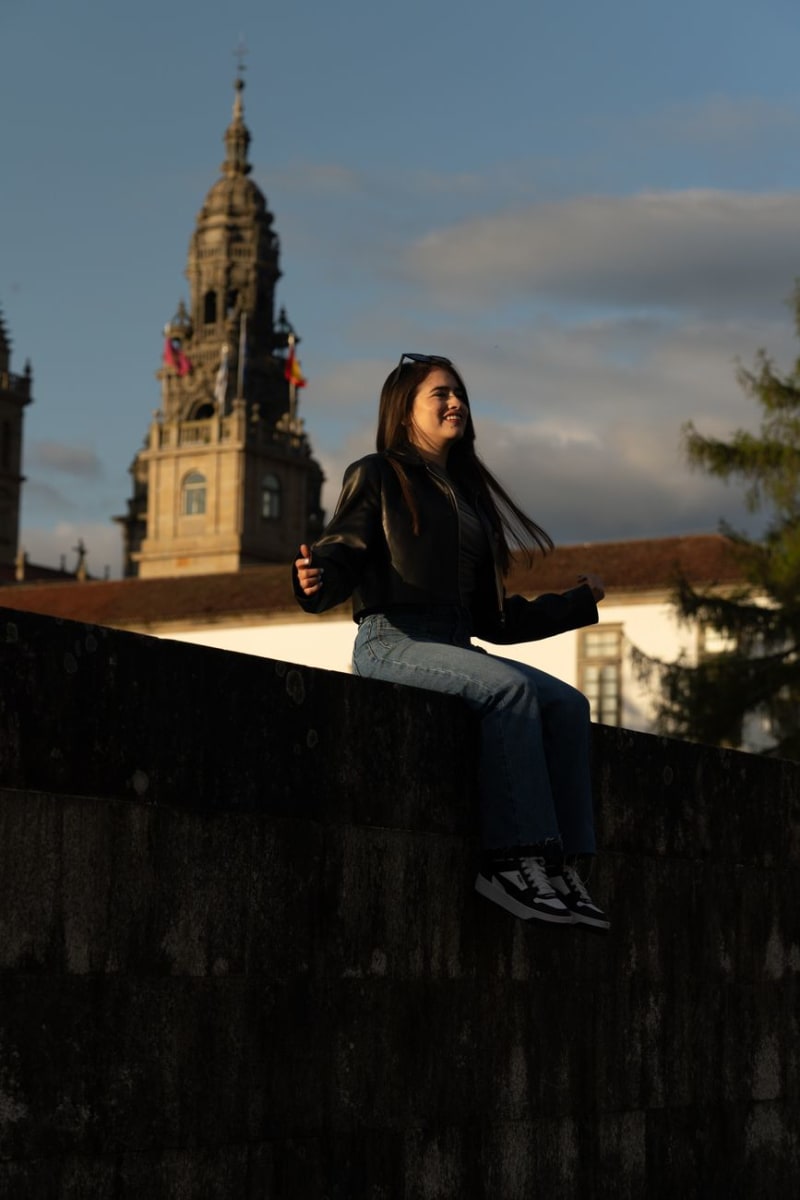 mexico
Compostela
Compostela is a colonial town on the main road from Tepic to the coast, in a valley surrounded by tobacco fields, and one of the oldest Spanish settlements on Mexico's western Pacific shore — Francisco Vásquez de Coronado governed from here before his 1540 expedition into what is now the American Southwest. I stopped for an hour on the way to Puerto Vallarta and ate a mango from a roadside stand and noticed something about the light in that valley that I haven't been able to fully explain since.
Explore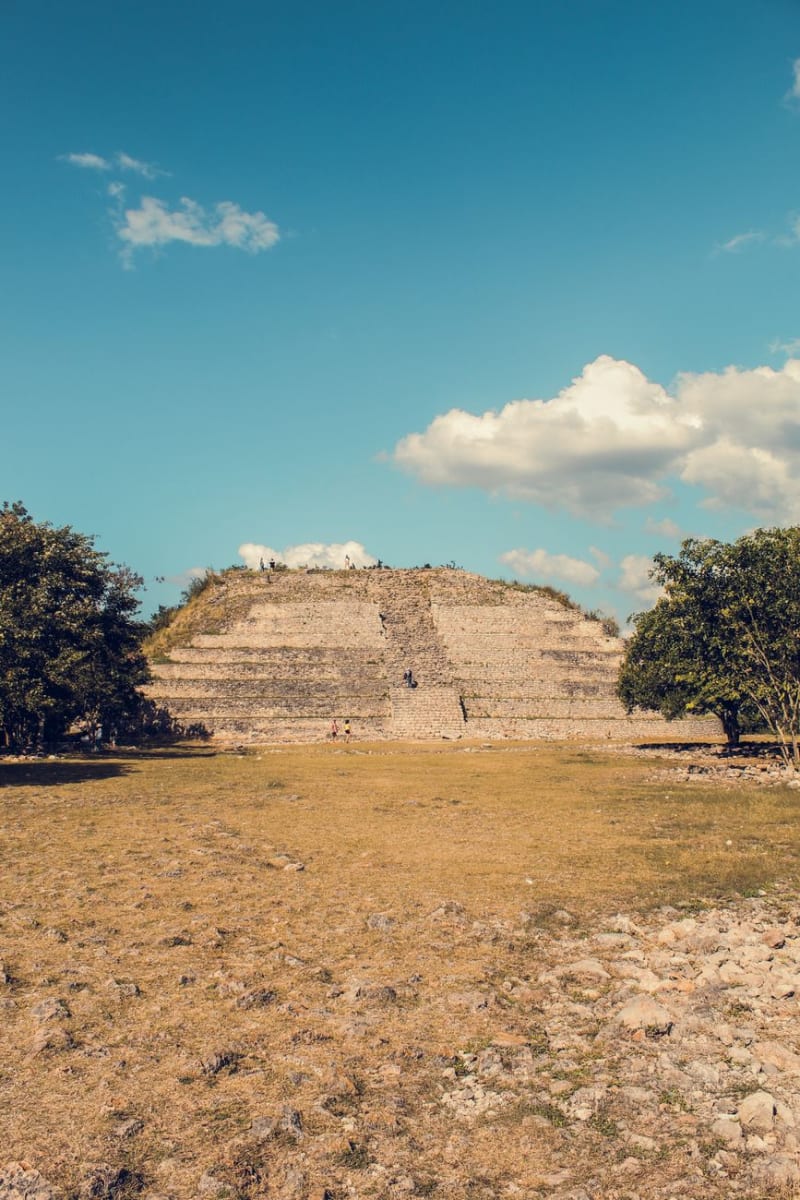 mexico
Tepic
Tepic is the capital of Nayarit state and, in my experience, has the best permanent Huichol artisan market in Mexico — not the beaded tourist skulls from Puerto Vallarta, but actual nierika yarn paintings and beaded objects made by Wixáritari artisans depicting cosmology I cannot claim to fully understand but find completely absorbing. The city is undervisited in a way I've stopped trying to explain to people and started just recommending directly.
Explore mexico
Bahía de Matanchén
Just south of San Blas, Bahía de Matanchén is a sweeping, jungle-backed arc of coast famous among surfers for producing one of the longest rideable waves in the world — several kilometers on a good swell — though the light that falls here at dusk, and the mariscos shacks along the shore road, are reason enough to come whether or not you own a board. A colony of magnificent frigate birds nests in the mangroves at the south end of the bay, which makes the last hour before sunset complicated in the best possible way.
Explore mexico
Chacala
A tiny bay village an hour north of Puerto Vallarta with no chain hotels, a beach that resisted the development that swallowed Sayulita, and a particular quality of quiet you notice immediately and only fully appreciate after a full day.
Explore