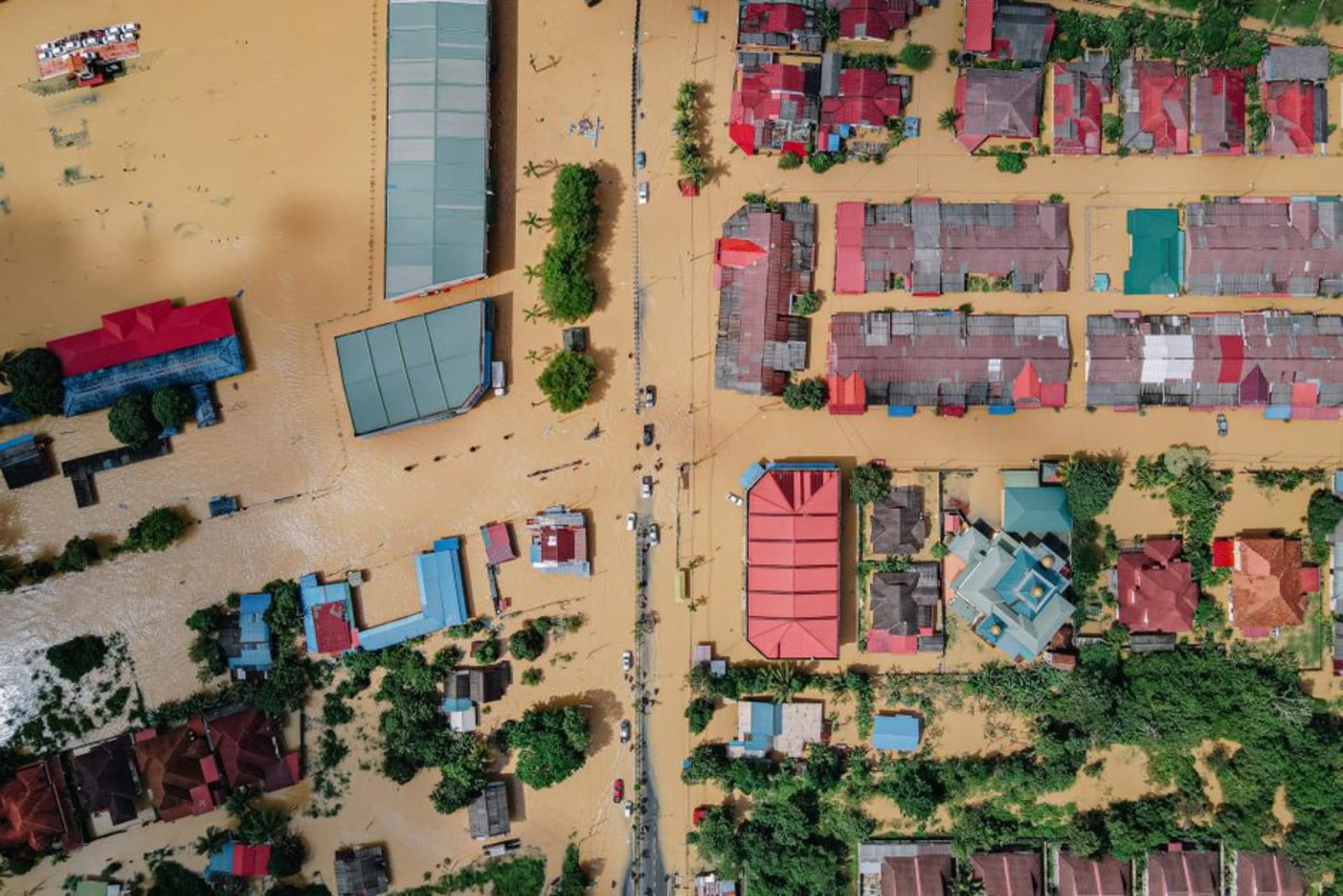
Mexcaltitán
"The boat drops you on an island that should not exist in the middle of a lagoon, and the whole place feels slightly mythological."
A tiny circular island adrift in the coastal lagoons of Nayarit, Mexcaltitán is reached by a short motorboat crossing and crossed on foot in twenty minutes. In rainy season, the streets flood to knee height and residents trade shoes for canoes. The shrimp pulled daily from the surrounding lagoon are among the best I have eaten in Mexico.

The lancha operator said the crossing takes five minutes. It took three. I stepped off onto the concrete dock of Mexcaltitán on a Tuesday afternoon in September, the lagoon the color of weak tea behind me, the island’s single ring road already visible from where I stood. No cars, no motorcycles, nobody trying to sell me anything. A dog crossed the street at a diagonal and disappeared between two walls painted the soft yellow that Nayarit seems to default to. I had the particular feeling of arriving somewhere that runs on its own logic, indifferent to whether I understood it or not.
Shrimp, Camarones, and the Lagoon Economy
The thing nobody tells you about Mexcaltitán is that the reason to come is the food, not the mythology. Every restaurant on the island — and there are perhaps eight — draws from the same source: the lagoon that encircles the place. The camarón aquí is pulled out at night and sold in the morning, and the caldo de camarón served at Mariscos El Tiburón on the main square by ten a.m. is unreasonably good for something that costs sixty pesos. It arrives in a clay bowl, deep orange, smoky from dried chiles, with three fat shrimp still in their shells floating on top. You eat it with a stack of tostadas and a wedge of limón and you order a second bowl before you finish the first. The camarones a la diabla at the same table, eaten just past noon when the square empties out and the heat flattens everything, are a close second. The lagoon is not decorative here — it is the engine of the place.
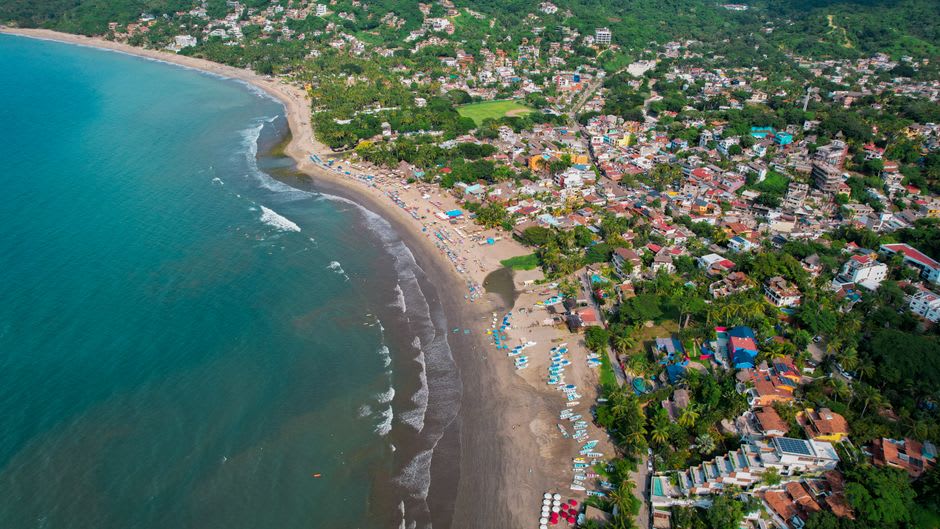
The Island in Flood Season
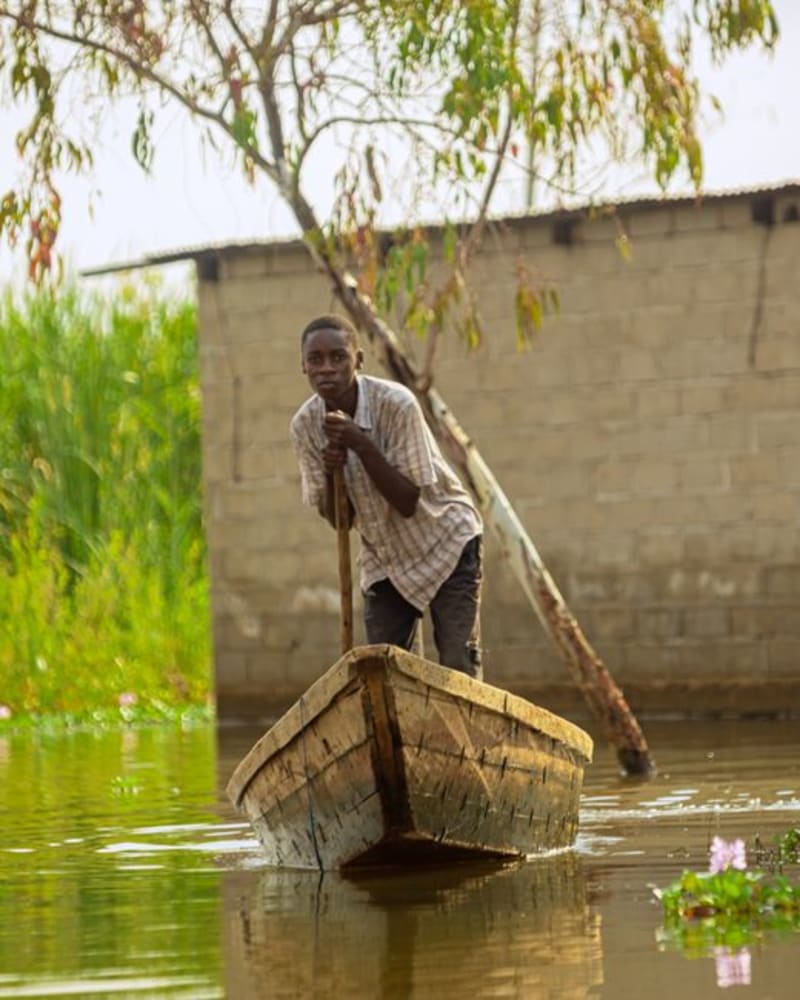
I arrived in September deliberately. The streets of Mexcaltitán flood every rainy season — roughly June through October — and the island transforms into something that earns, for once, the Venice comparison people cannot resist making. The water comes up slowly and then it is simply there, fifteen or twenty centimeters covering the cobblestones, and the residents adapt without drama. Children wade to school. An older man I watched from the doorway of a tienda paddled a wooden canoe past the church, unhurried, a bag of groceries balanced on his knees. The flooded calles have a strange calm to them — the usual sounds of a Mexican town, the ranchera from someone’s radio, the clatter of a kitchen, muffled and softened by the water’s presence. It is not romantic in the postcard sense. It is practical and a little surreal and very beautiful.
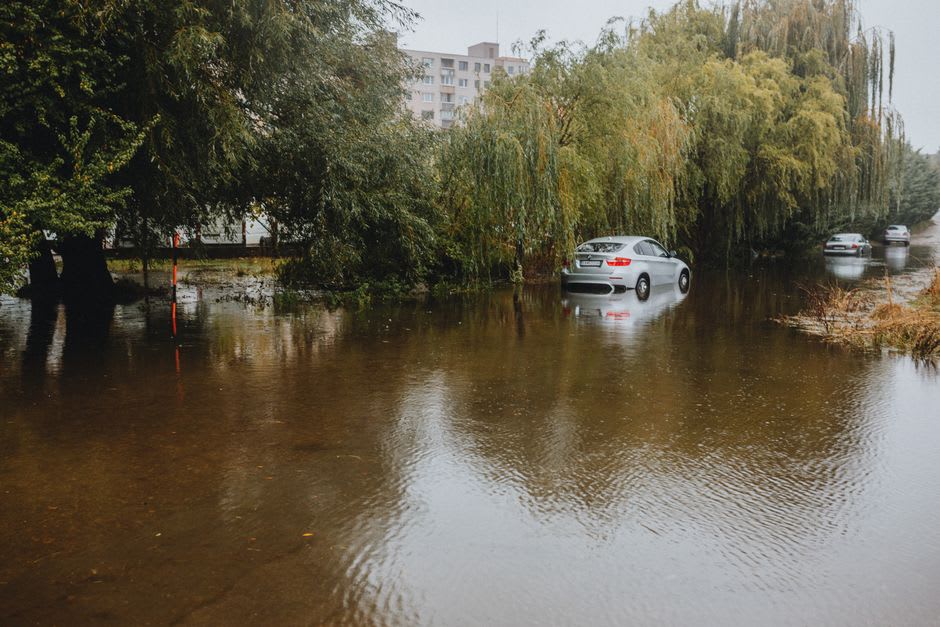
The Aztec Origin Story
The Museo del Origen occupies a small building near the central plaza and makes the case — contested by historians, beloved by locals — that Mexcaltitán was Aztlán, the mythological departure point of the Mexica people before their long migration south to found Tenochtitlán. The museum is modest: a few maps, ceramic replicas, explanatory panels in Spanish. What I found more interesting was a conversation with the curator, a man named Rodrigo who had studied the question for twenty years and held his conclusions lightly. He said something I keep thinking about: that whether it is true or not, the story gives the island a reason to persist.
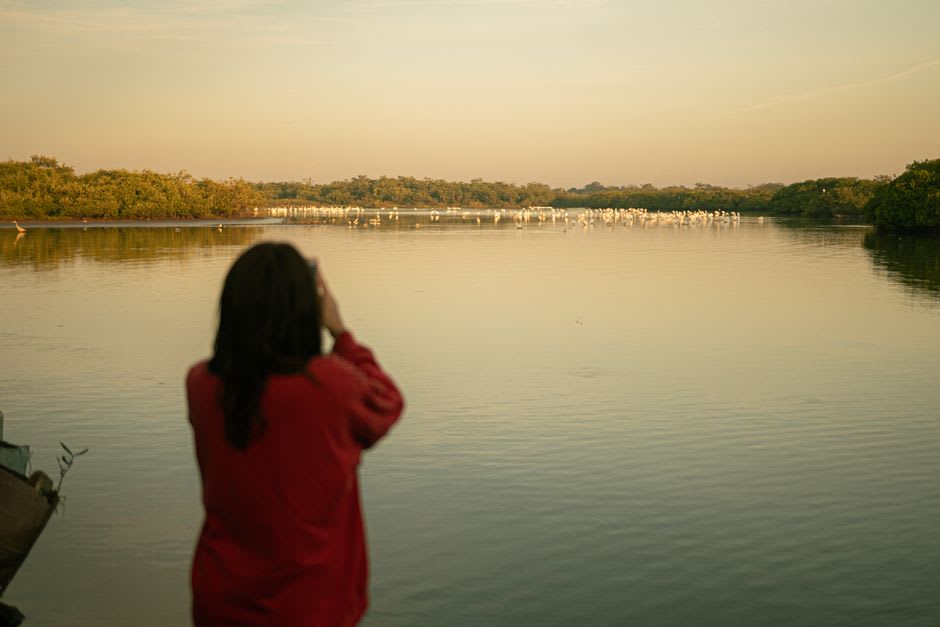
Getting There
From Santiago Ixcuintla, take a taxi or colectivo to the embarcadero at La Batanga — roughly forty minutes. Small lanchas make the three-minute crossing to the island throughout the day for around thirty pesos each way. Most visitors come as a day trip from San Blas or Tepic, but staying overnight at one of the island’s two small guesthouses changes the experience considerably.
Keep exploring
More of Nayarit
Keep exploring
More from Nayarit
 mexico
Mexcaltitán
A perfectly circular island-village rising from the coastal marshes of Nayarit, Mexcaltitán floods each summer until its cobblestone streets vanish beneath the lagoon and the fishermen trade their feet for dugout canoes. Some anthropologists believe this is Aztlan — the mythic origin point of the Aztec people — though the village seems indifferent to the claim, more concerned with the morning shrimp catch than ancient glory.
Explore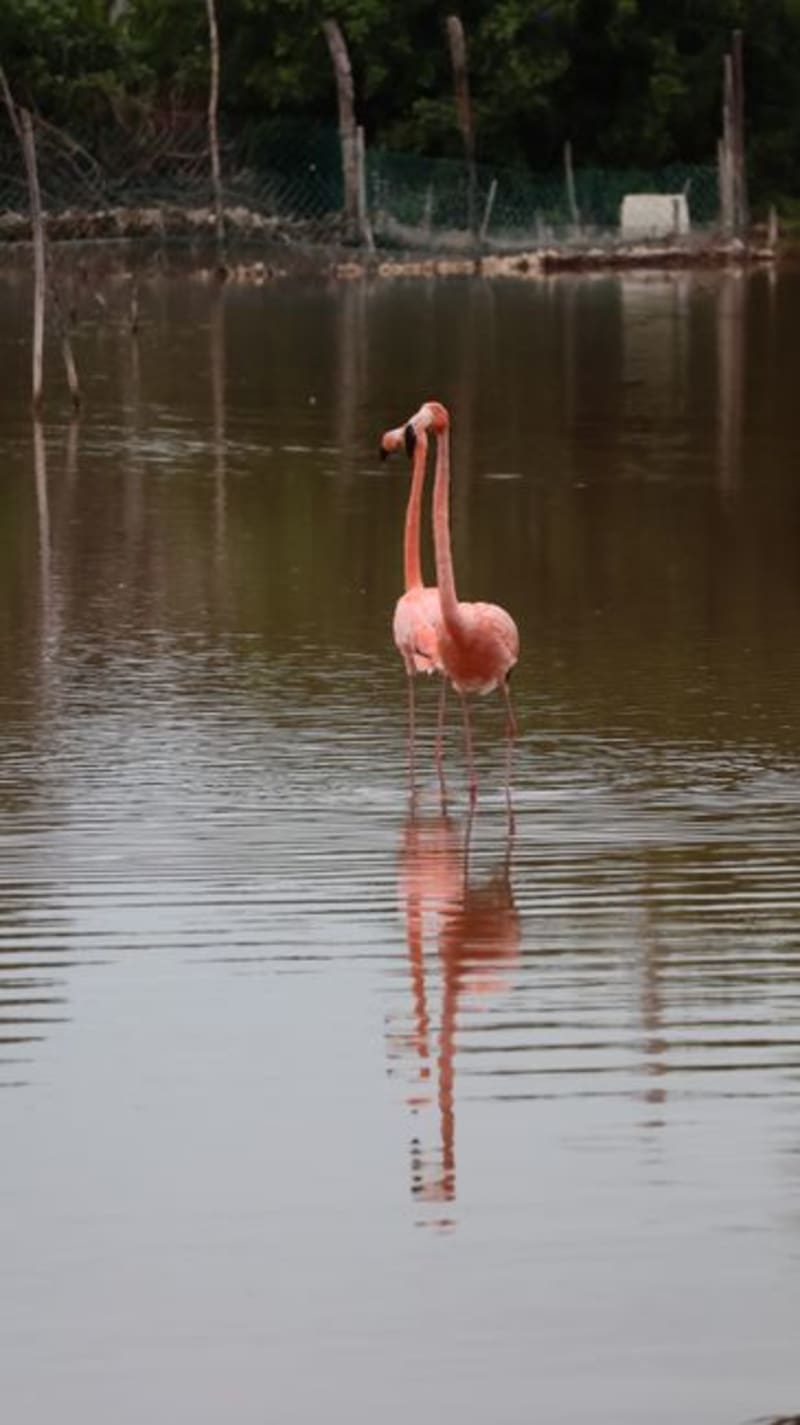 mexico
San Blas
A former Spanish colonial port in Nayarit that traded empire-era galleons for birding scopes and flat-bottomed boats. San Blas moves slowly, smells of mangrove mud and fried pescado, and rewards anyone patient enough to show up before the jejenes do.
Explore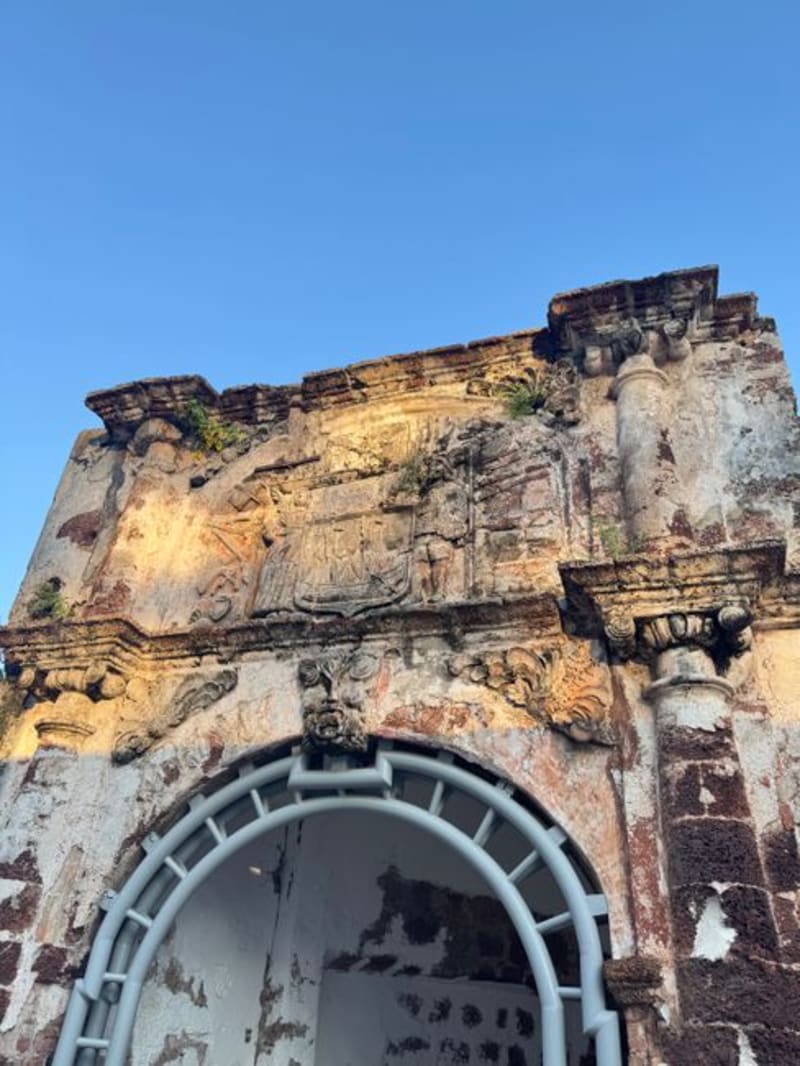 mexico
San Blas
Once one of the most important ports on the Pacific coast of New Spain, San Blas has spent the last two centuries quietly unraveling into jungle and estuary. It is a town where the ruins outlast the ambition that built them, and where the mangrove channels hold more life than most cities.
Explore mexico
Chacala
A tiny bay village an hour north of Puerto Vallarta with no chain hotels, a beach that resisted the development that swallowed Sayulita, and a particular quality of quiet you notice immediately and only fully appreciate after a full day.
Explore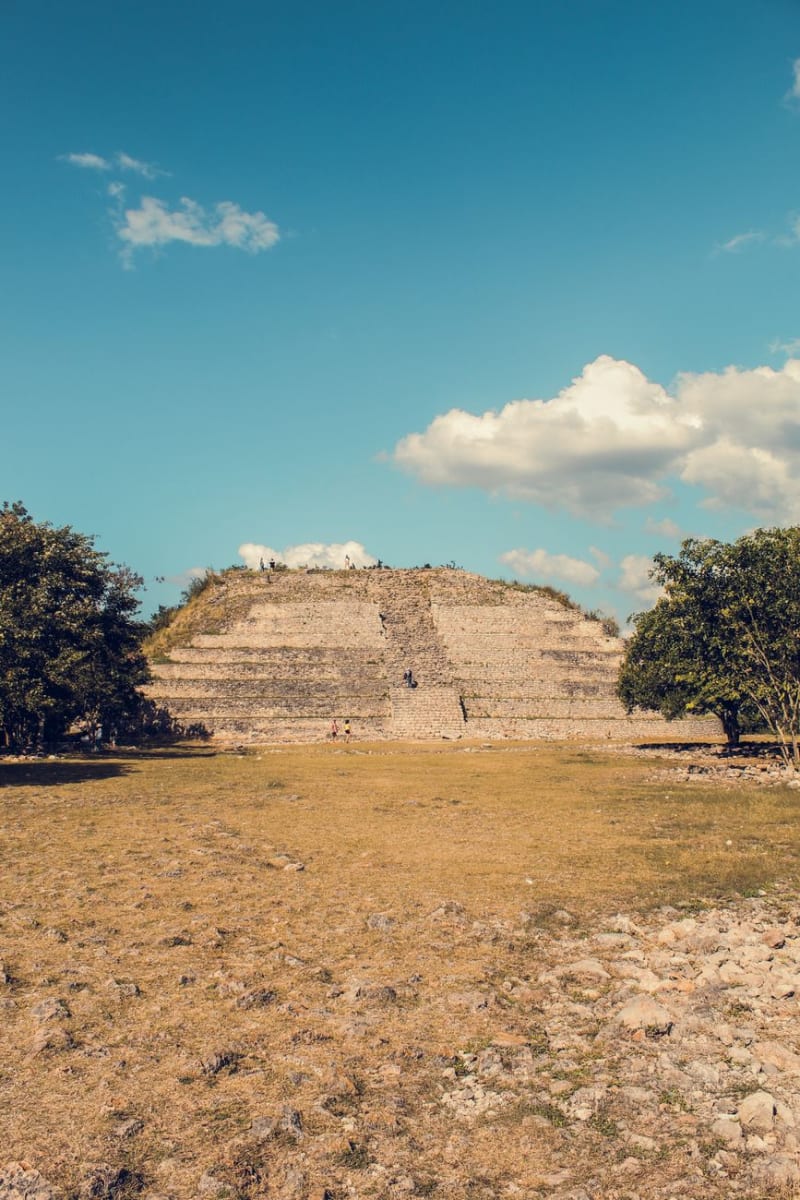 mexico
Tepic
Tepic is the capital of Nayarit state and, in my experience, has the best permanent Huichol artisan market in Mexico — not the beaded tourist skulls from Puerto Vallarta, but actual nierika yarn paintings and beaded objects made by Wixáritari artisans depicting cosmology I cannot claim to fully understand but find completely absorbing. The city is undervisited in a way I've stopped trying to explain to people and started just recommending directly.
Explore mexico
Bahía de Matanchén
Just south of San Blas, Bahía de Matanchén is a sweeping, jungle-backed arc of coast famous among surfers for producing one of the longest rideable waves in the world — several kilometers on a good swell — though the light that falls here at dusk, and the mariscos shacks along the shore road, are reason enough to come whether or not you own a board. A colony of magnificent frigate birds nests in the mangroves at the south end of the bay, which makes the last hour before sunset complicated in the best possible way.
Explore