Iztapalapa
"I watched the Via Crucis from a rooftop in Iztapalapa with a family who had been attending for four generations — this is Mexico City at its most unapologetically itself."
The most-populated borough in the Americas and almost entirely ignored by tourists, Iztapalapa rewards the curious with a pre-Hispanic hill at its center and the largest Passion Play on earth every Semana Santa. This is Mexico City without the performance of itself — dense, proud, and completely unbothered by your arrival.

I took Line 8 from the centro, got off at Cerro de la Estrella station, and walked out into a neighborhood that clearly had no interest in catering to me. That was the point. No craft mezcal bar, no boutique hostal, no chalk menu in English. Just a taquería called La Güera doing tripa from a cart outside the market on Avenida Rojo Gómez, and a hill of volcanic rock rising improbably above three million people who go about their lives entirely at its feet.
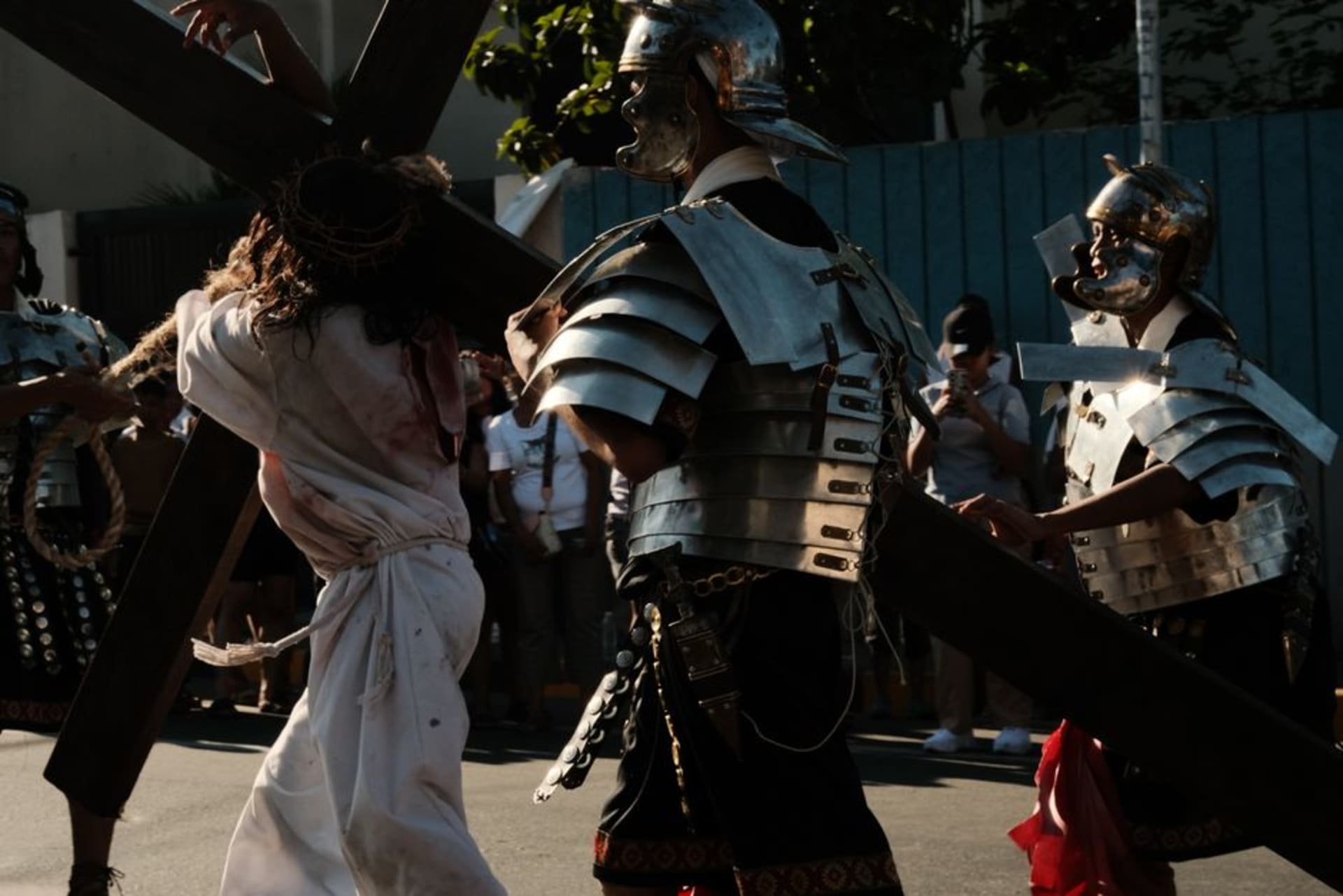
The Via Crucis of Iztapalapa
Every Semana Santa, Iztapalapa stages the largest Passion Play in the world. Two million people show up — not as tourists, but as witnesses. The actors are residents who have often waited years, sometimes decades, for their role. The man playing Christ has typically carried a physical cross in rehearsals for months. I watched from the roof terrace of a family on Calle Zaragoza, four generations packed onto plastic chairs with tamales from a pot that had been on since six in the morning. The crucifixion happens on Cerro de la Estrella itself, the hill visible from half the borough, and when the crowd below goes quiet you feel it more than hear it. Nothing about it is staged for outsiders. That is why it lands so hard.

Cerro de la Estrella and the New Fire
The hill existed long before the borough grew around it. Every 52 years, when the Aztec solar and ritual calendars aligned, priests climbed Cerro de la Estrella and extinguished every fire in the empire. If the new fire caught, the world continued. The small archaeological zone at the summit is genuinely good — carved stone, the remnants of a temple platform, a view that clarifies just how large this city actually is. The site rarely has more than a handful of visitors on any given weekday morning. I went up at nine, before the heat, and had the temple platform to myself for twenty minutes while a man selling aguas frescas waited patiently at the base.

Eating Around the Market
The Mercado de Iztapalapa on Avenida Izazaga is the kind of market where the produce section alone takes ten minutes to walk through. I ate barbacoa de borrego at a stand near the back entrance on a Sunday at eight in the morning, with consomé in a styrofoam cup and two tortillas that had just come off the comal. The woman serving me had been there since four. Later I found a stall doing tlayudas de frijoles, which you do not often see this far north, and ate standing at a counter shared with a man reading a newspaper who never acknowledged my existence. Correct behavior, honestly.

Getting There
Take Metro Line 8 (Garibaldi/Lagunilla direction reversed, or from the centro) to Cerro de la Estrella station. The hill and archaeological zone are a five-minute walk from the exit. For the market, Iztapalapa station on Line 8 drops you directly at the market perimeter. Budget two to three hours. The Via Crucis runs across all of Holy Week; the crucifixion itself falls on Good Friday afternoon.
Keep exploring
More of Mexico City
Keep exploring
More from Mexico City
 mexico
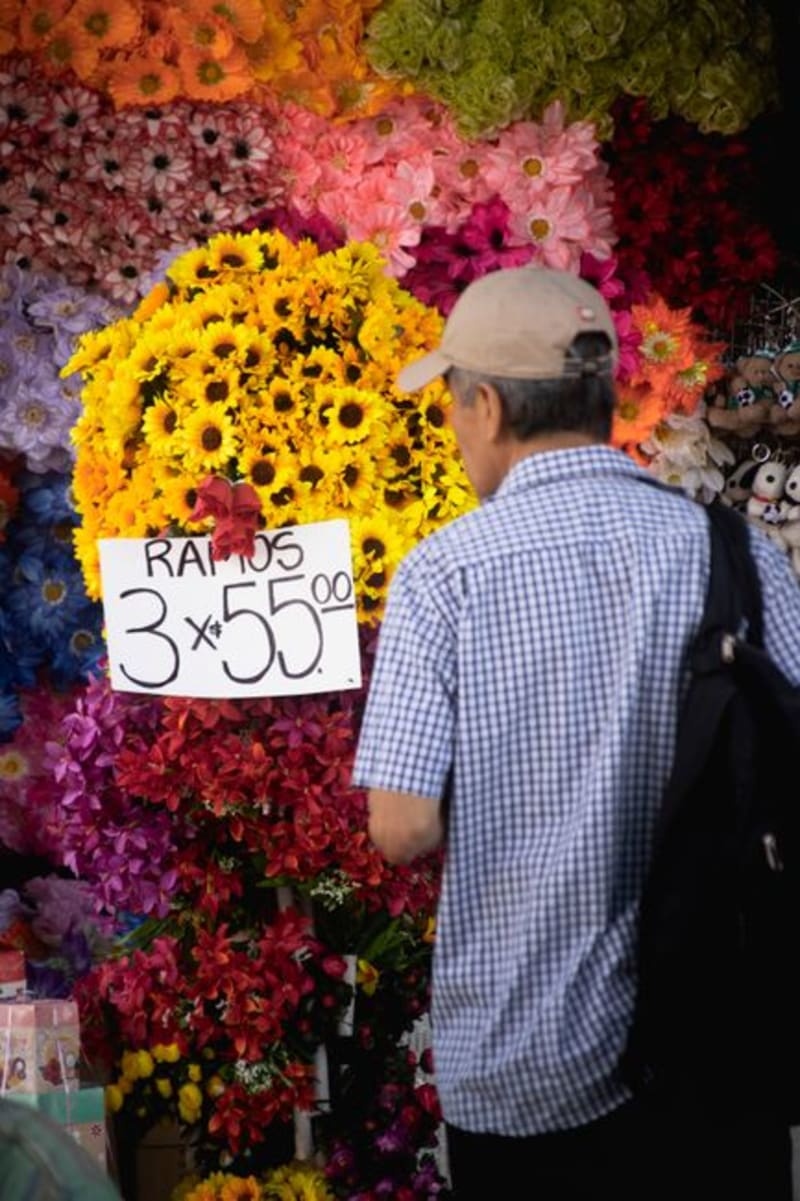
 Mercado Jamaica
Three hectares of cut flowers, dried herbs, and funeral wreaths stacked six meters high — Mercado Jamaica operates on a scale that makes every other market in Mexico City feel provincial. Vendors have been arriving since 3am for decades. Come at dawn, with low expectations for personal space and high ones for everything else.
Explore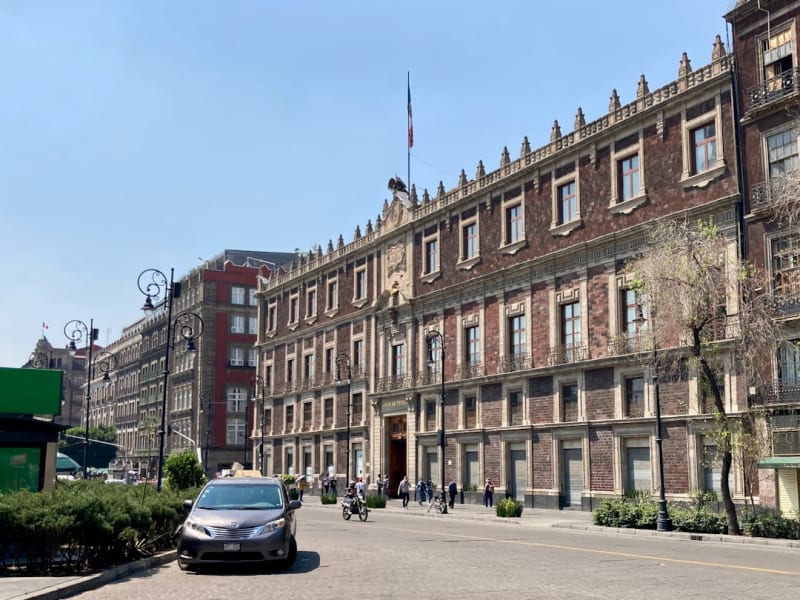 mexico
 Coyoacán
Mexico City's most beloved neighborhood — cobblestoned streets where Frida Kahlo was born and buried, León Trotsky spent his last years, and the best churros in the capital are served at midnight in the central plaza.
Explore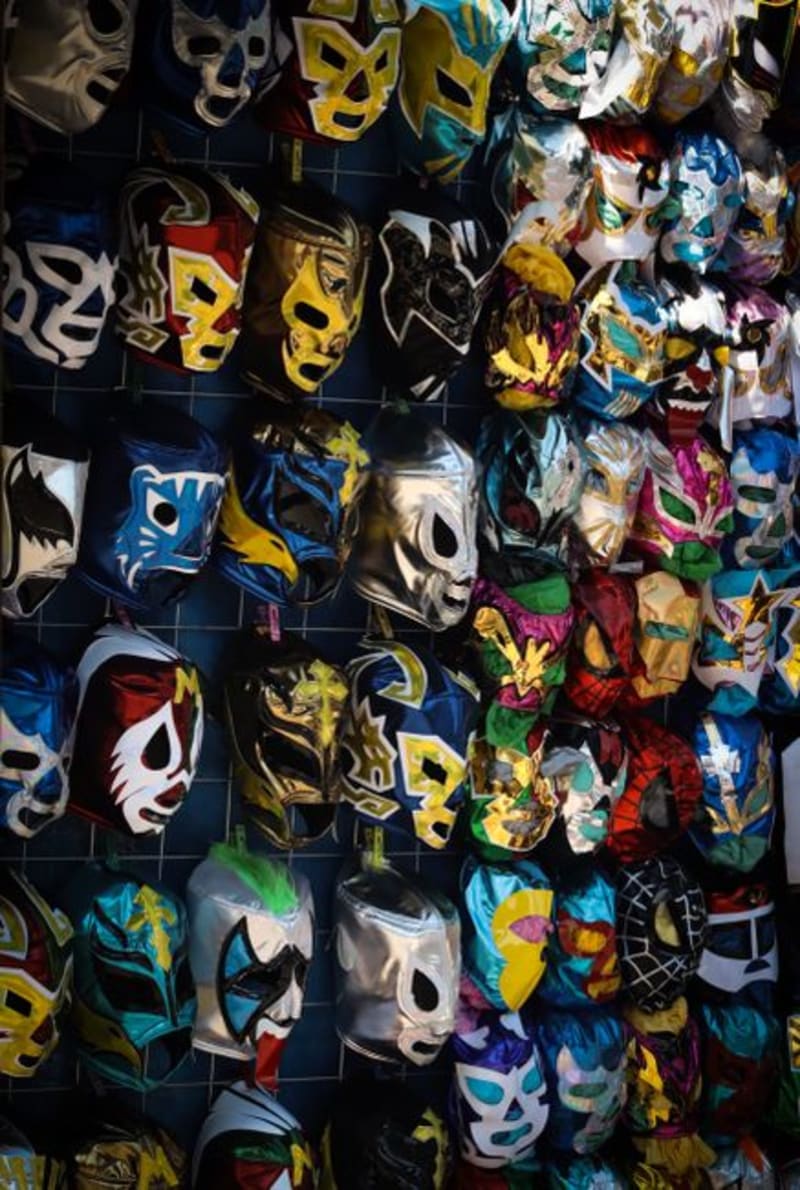 mexico
 Doctores
Doctores is a working-class barrio in the heart of Mexico City, named for the physicians who once populated its streets and now inseparable from the spectacle of lucha libre. Arena México anchors the neighborhood like a cathedral anchors a colonial square — everything orients around it, from the taco stands to the mask vendors to the rhythms of Tuesday and Friday nights.
Explore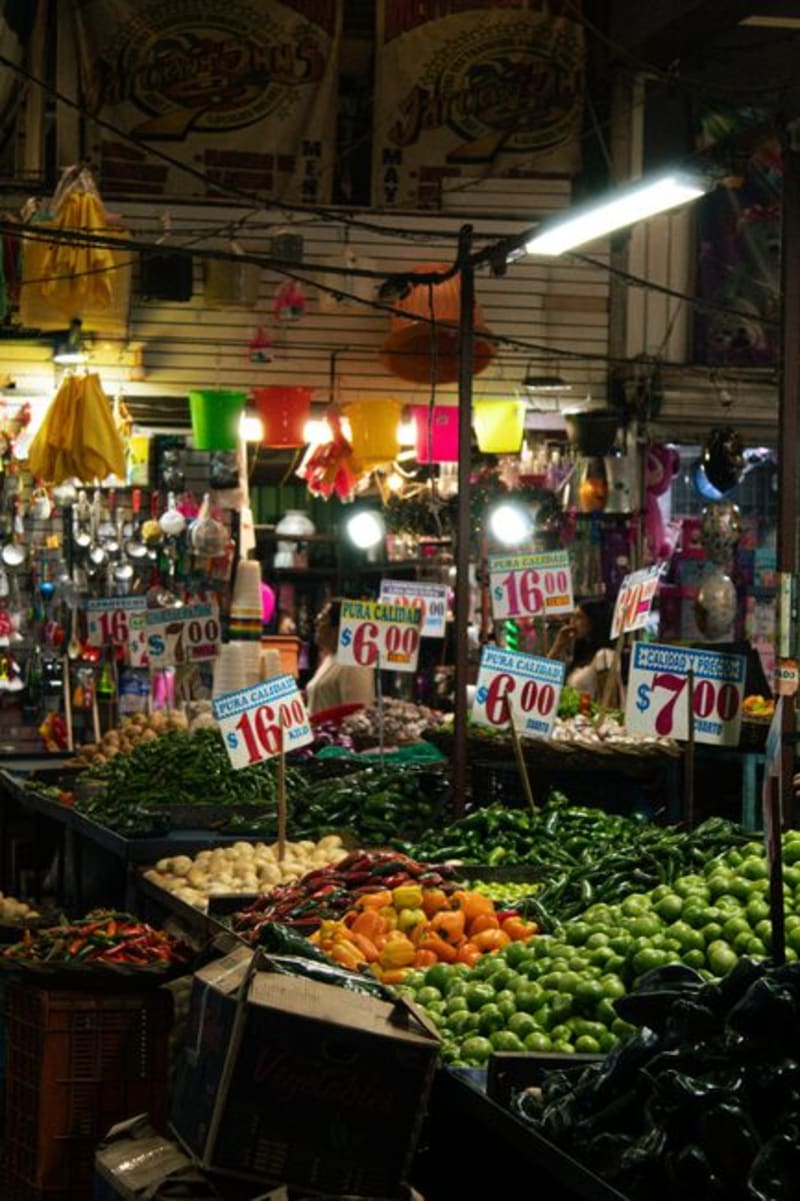 mexico
 Colonia del Valle
Colonia del Valle is what Roma and Condesa looked like before the boutique hotels moved in — wide residential streets, a serious mercado on Eugenio Sue, and torta shops with no signs and no tourists. It is where actual chilangos live, and on a Tuesday morning it shows.
Explore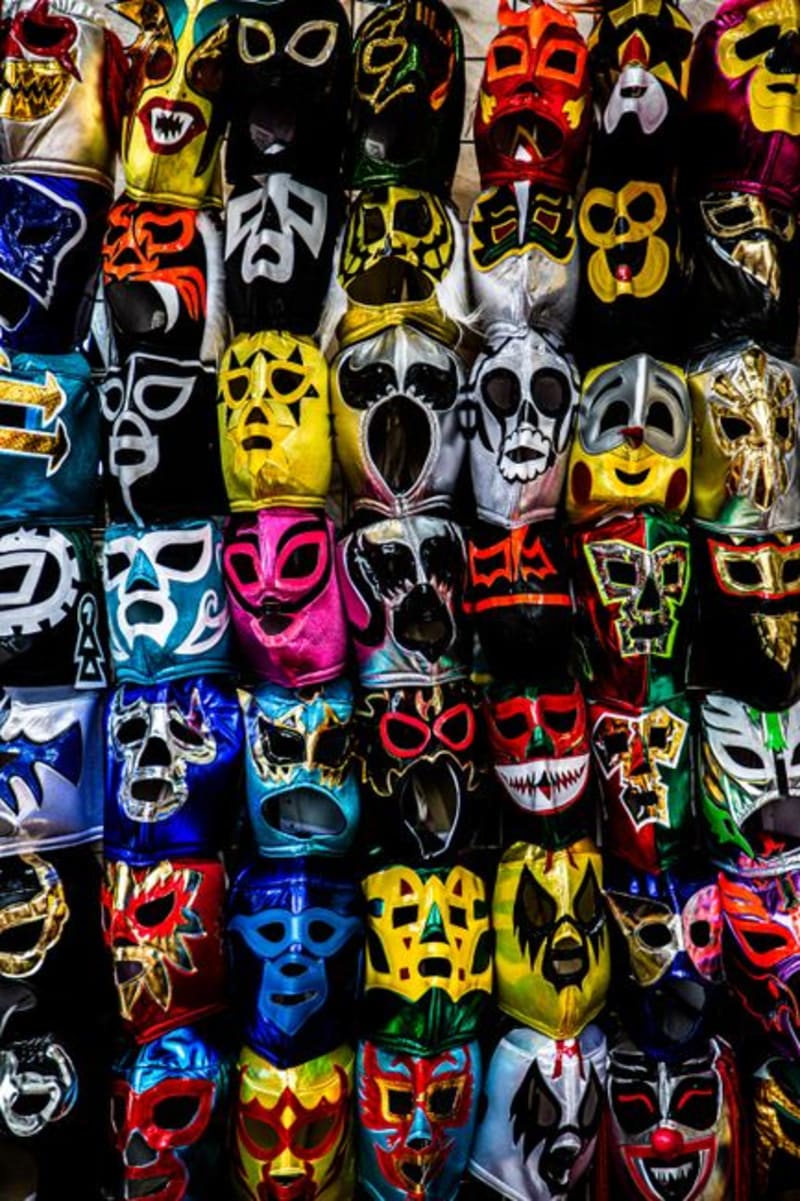 mexico
 Arena México
Every Tuesday and Friday night, the Doctores neighborhood transforms around lucha libre's holiest ground — a squat concrete building that looks like nothing from outside and everything from within. Arena México is where El Santo wrestled, where masks are theological objects, and where the crowd knows every move before it happens and screams for it anyway.
Explore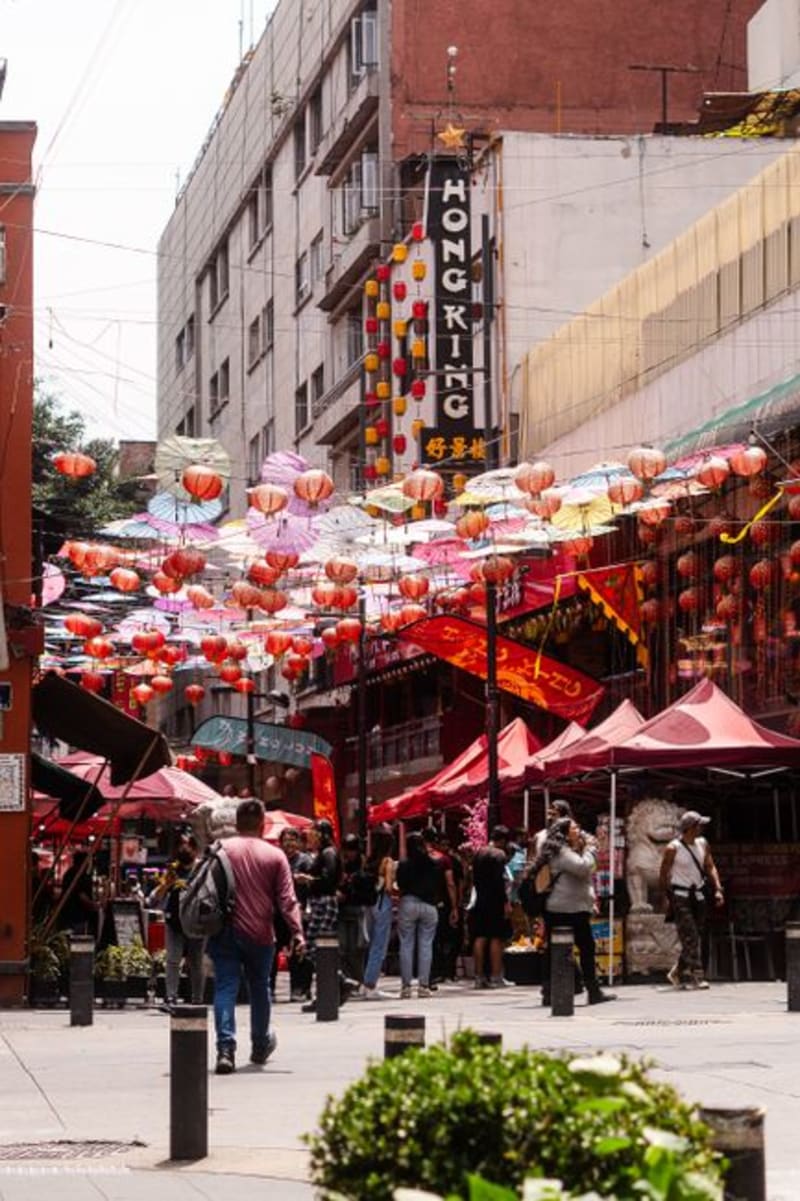 mexico
 Barrio Chino
One block on Calle Dolores in the Centro Histórico constitutes the whole of Mexico City's Chinatown — a fact that should disappoint but somehow doesn't. The restaurants here serve a hybrid cuisine that has been quietly evolving for a century, and the food world doesn't talk about it nearly enough.
Explore