Colonia del Valle
"The woman at the torta stand on Insurgentes told me she has never once seen a foreign tourist at her window — I took that as the highest possible recommendation."
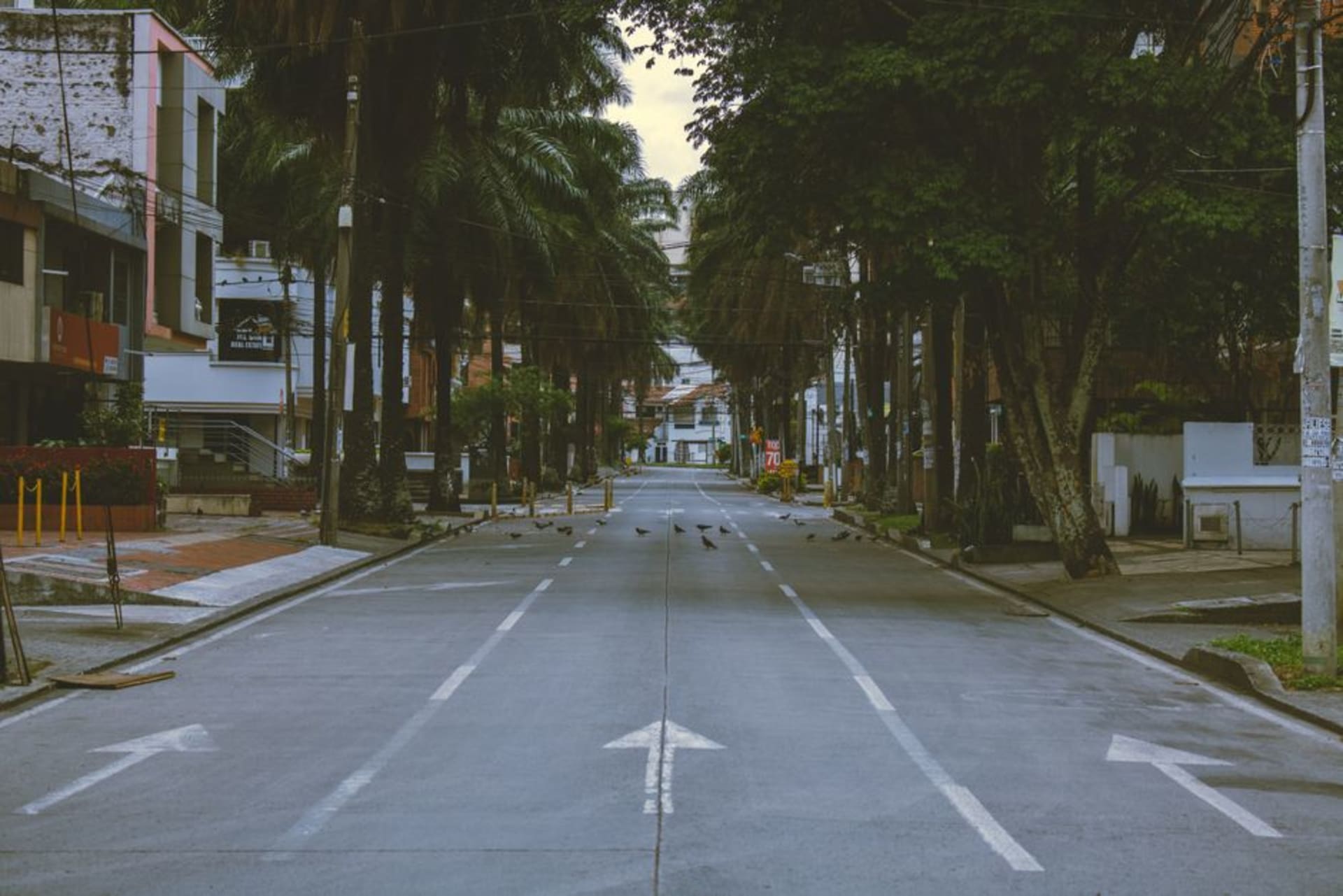
Colonia del Valle is what Roma and Condesa looked like before the boutique hotels moved in — wide residential streets, a serious mercado on Eugenio Sue, and torta shops with no signs and no tourists. It is where actual chilangos live, and on a Tuesday morning it shows.

I ended up in Colonia del Valle by accident, following a friend who had an appointment near Metro Eugenia and no interest in eating anywhere obvious. We walked three blocks south of the station and I have been coming back ever since. The neighborhood does not announce itself. There are no murals engineered for photographs, no café menus printed in English, no hostel common rooms spilling onto the sidewalk. What there is: wide, quiet streets, serious ficus trees, and the comfortable density of a place that has not yet decided it wants to be discovered.
The Mercado on Eugenio Sue
The Mercado Medellín gets the writeups, but the market on Eugenio Sue — formally Mercado de Medellín’s quieter cousin, tucked between Insurgentes and Avenida del Valle — operates on a different frequency entirely. I arrived on a Wednesday at half past nine, when the vegetable stalls were still being arranged and the juice women were filling their first blenders of the day. I ordered a torta de pierna from a woman who runs the same counter her mother ran before her; she pressed the telera herself, added avocado without being asked, and charged me forty-two pesos. There is a lonches stall near the back that does a sopa de lima on Thursdays and Fridays only. I have planned entire trips around this fact.

The Streets Themselves
The thing nobody tells you about Colonia del Valle is how well it walks. Insurgentes runs through the western edge and feels urban and fast, but one block east the scale drops entirely — Patricio Sanz, Amores, Adolfo Prieto — and the rhythm becomes almost provincial. On Sunday mornings the streets between Insurgentes and Parque Hundido fill with families doing exactly what families do when no one is watching them perform leisure: buying elotes from the corner cart, sitting on the benches outside the pharmacy, letting children run ahead on the sidewalk. I spent an afternoon doing nothing more than walking south from Etiopía toward the park, stopping once for a café de olla at a panadería on Xola that had four tables and no menu posted outside. It was the best afternoon I had spent in the city that month.

Where to Eat Without a Reservation
The torta stand the woman mentioned — on Insurgentes near Eje 7 — opens around noon and closes when the bread runs out, which is usually by two-thirty. She makes four things: pierna, milanesa, jamón, and chorizo. The chorizo is what you want. Two blocks west, a fondita with handwritten daily specials does a caldo de res on Mondays that is worth building your week around. Neither place has a name I have been able to verify. Both are full of people who work nearby and eat there every day. That is all the recommendation I need.

Getting There
Metro Line 3 (the yellow one) has two useful stops: Eugenia for the northern part of the colonia and Etiopía/Plaza de la Transparencia for the south. From Roma Sur it is a ten-minute walk east down Eje 7. Metrobús Line 1 on Insurgentes runs the full length of the western edge and drops you wherever you need to be.
Keep exploring
More of Mexico City
Keep exploring
More from Mexico City
 mexico
 Colonia Roma / La Condesa
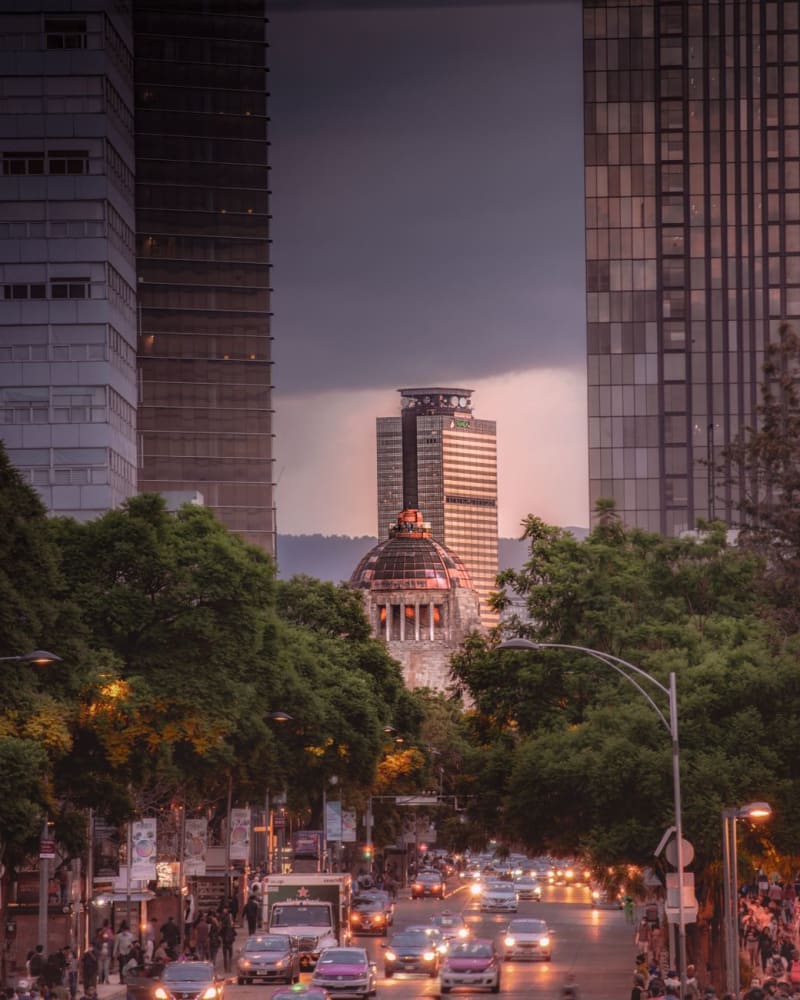
The arc of Roma Norte, Roma Sur, and La Condesa is where contemporary Mexico City culture is most legibly concentrated — Art Deco buildings from the 1920s expansion, park-centered urbanism, and a density of genuinely interesting restaurants on streets like Orizaba and Álvaro Obregón that I have found nowhere else in the Americas. I have walked these neighborhoods more than any other part of the city and still find something new on almost every visit.
Explore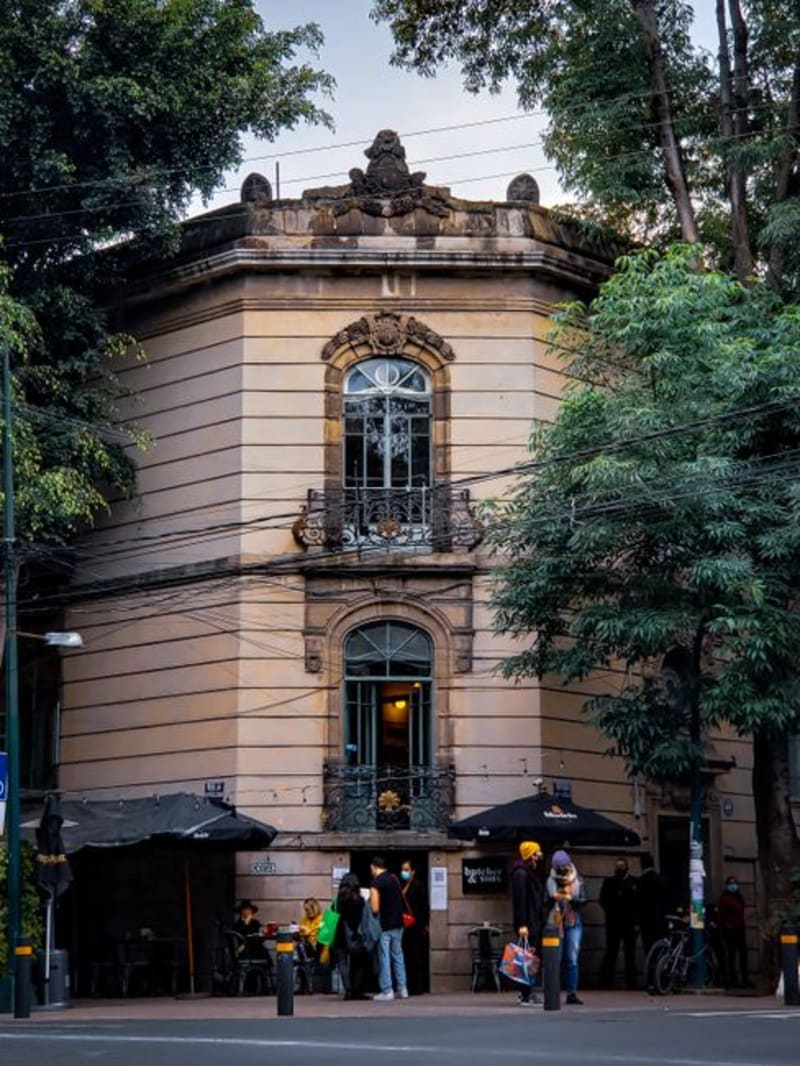 mexico
 Colonia Condesa
Art Deco apartment blocks curve around shaded oval parks, terrace cafés run weekend brunch well into the evening, and a food scene that has been among the best in Latin America long enough that the neighborhood has stopped needing to explain itself. This is the CDMX that Europeans imagine before they arrive — and that actually delivers.
Explore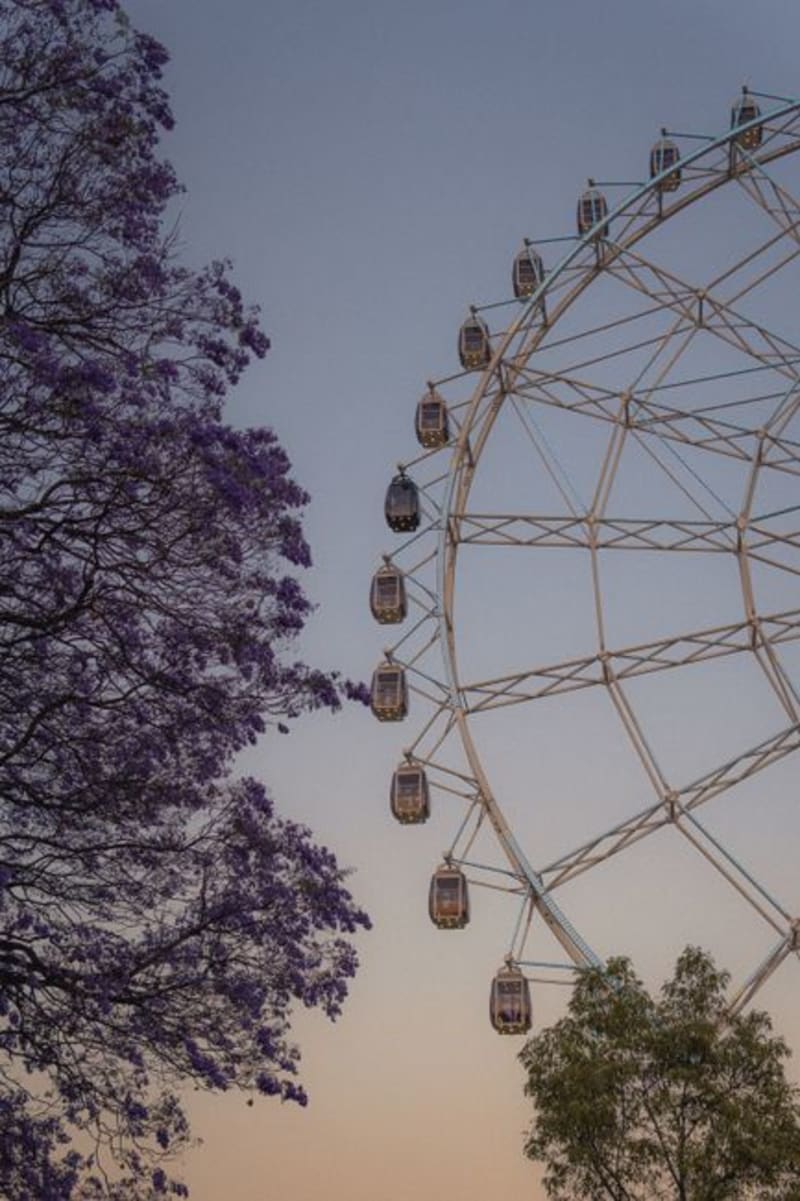 mexico
 Condesa
Condesa is the neighborhood I keep returning to when I need proof that urban life can be graceful — Art Deco buildings draped in jacaranda, Parque México looping with dogs and joggers, and terrace cafes where the waiter never brings the bill until you ask. It is one of the most livable squares of pavement in this country, and it knows it.
Explore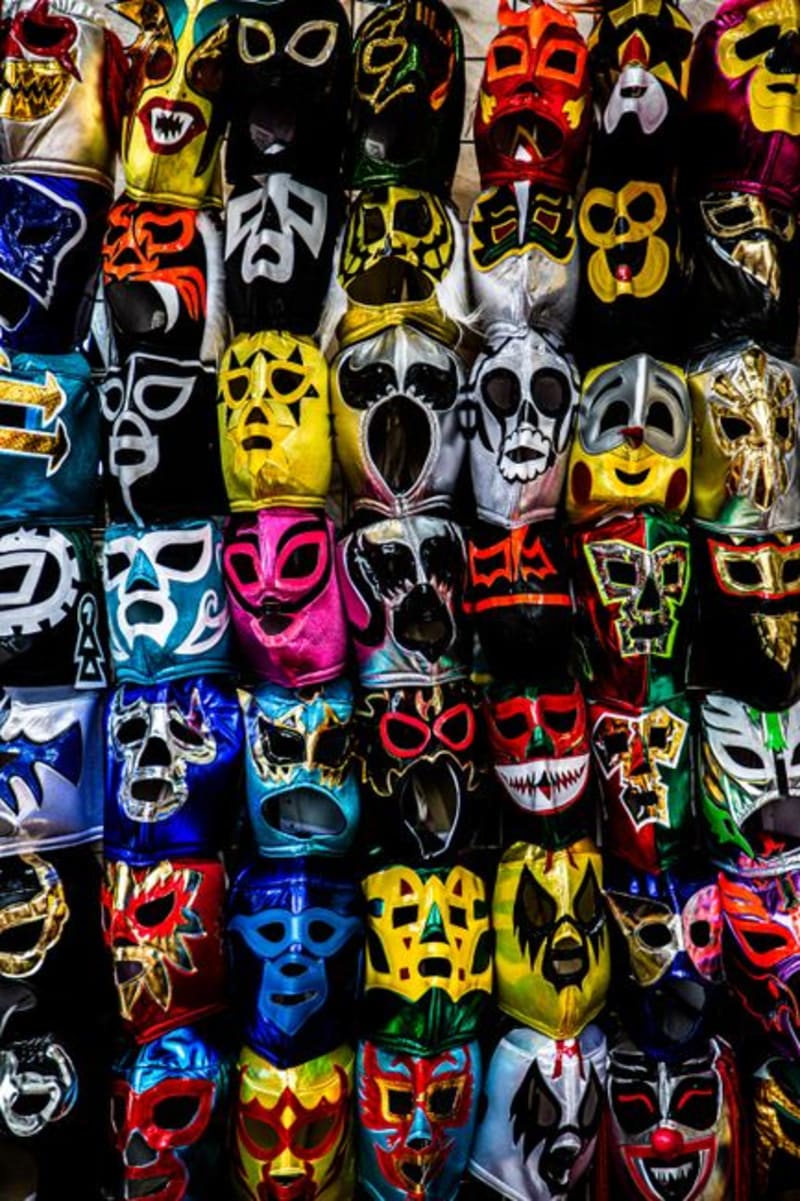 mexico
 Arena México
Every Tuesday and Friday night, the Doctores neighborhood transforms around lucha libre's holiest ground — a squat concrete building that looks like nothing from outside and everything from within. Arena México is where El Santo wrestled, where masks are theological objects, and where the crowd knows every move before it happens and screams for it anyway.
Explore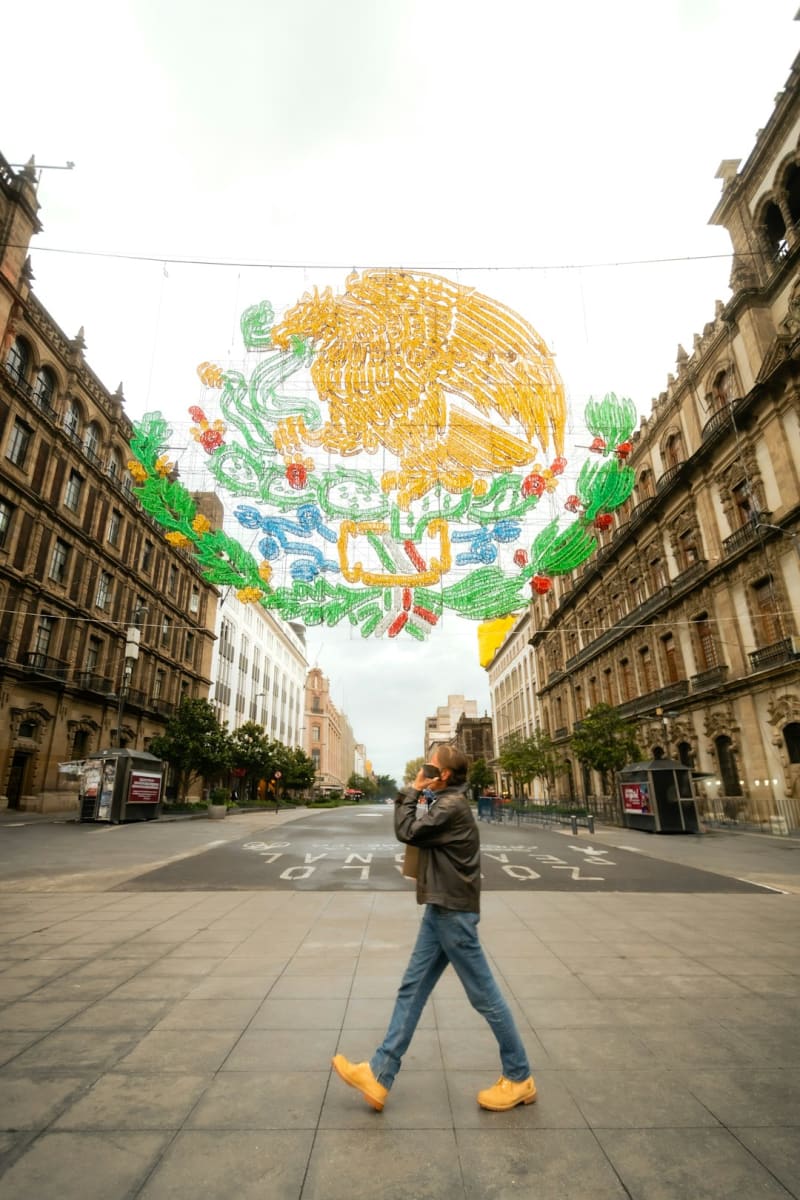 mexico
 Colonia Juárez
Colonia Juárez sits between the glamour of Condesa and the legend of the old Zona Rosa, a neighborhood that has survived every reinvention the city threw at it. The LGBTQ+ community that defined this place for decades is still here, and so are the restaurants on Génova and Londres where you eat dinner at midnight and stay until someone makes you leave.
Explore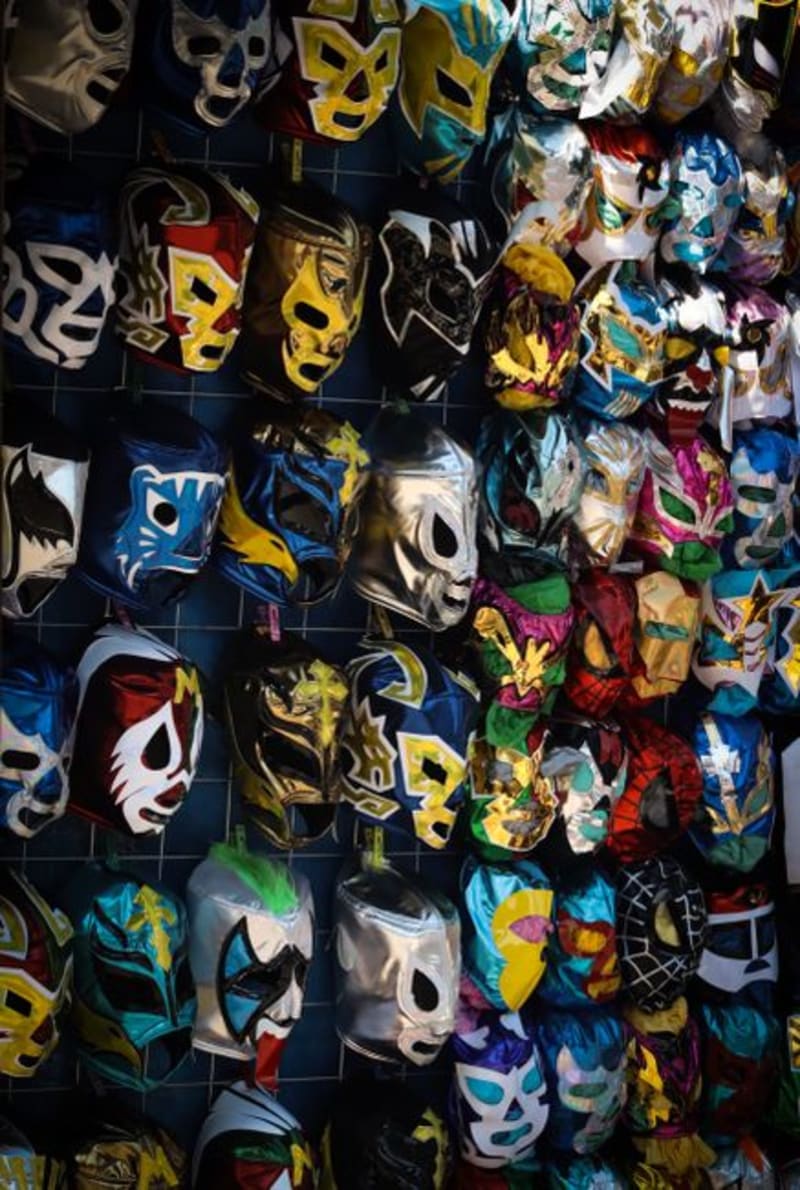 mexico
 Doctores
Doctores is a working-class barrio in the heart of Mexico City, named for the physicians who once populated its streets and now inseparable from the spectacle of lucha libre. Arena México anchors the neighborhood like a cathedral anchors a colonial square — everything orients around it, from the taco stands to the mask vendors to the rhythms of Tuesday and Friday nights.
Explore