Mercado Jamaica
"There are flower markets, and then there is Jamaica — the kind of place that makes you understand why Mexicans invented the art of the ofrenda."
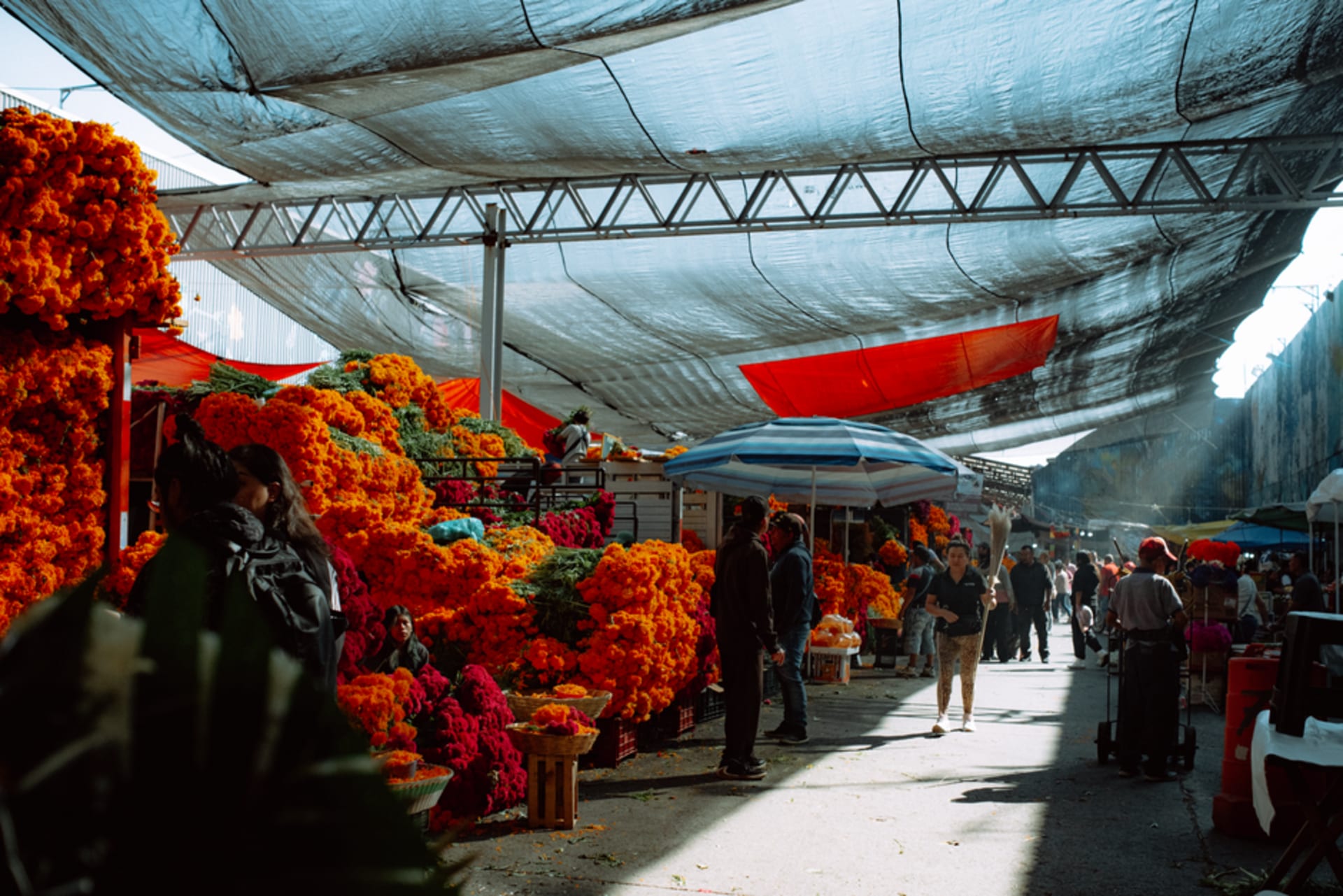
Three hectares of cut flowers, dried herbs, and funeral wreaths stacked six meters high — Mercado Jamaica operates on a scale that makes every other market in Mexico City feel provincial. Vendors have been arriving since 3am for decades. Come at dawn, with low expectations for personal space and high ones for everything else.

I arrived at Mercado Jamaica at half past five in the morning, which seemed early until I realized the vendors had been there since three. The man at the coffee stall near the main entrance — a folding table, a thermos, a stack of foam cups — handed me something scalding and dark without asking what I wanted, and I understood immediately that I was somewhere the regulars had already been awake for two hours. The market was not yet in full swing. Which is to say it was already incomprehensible. I had spent time in Tepito. Jamaica was something else entirely.
Before the City Wakes
The first thing that hits you is not the color. It’s the cold — refrigerated air from the walk-in storage units pushing through the aisles — and then the smell: roses, wet cardboard, something herbal underneath it all. Then finally the color, arriving all at once as your eyes adjust to the fluorescent light. Roses stacked floor to ceiling in buckets of murky water. Gladioli bundled by the dozen. Cempasúchil — the marigold that moves through every Mexican ceremony from birth to burial — piled into mounds that reach the roofline. The vendors work in what sounds like silence: cart wheels on concrete, the crack of stems being trimmed, the particular thud of a bundle dropped from shoulder height. Three hectares of this, in full operation before the rest of the city has considered waking up. They call Jamaica the largest flower market in Latin America. No one working here seems to have time to argue the point either way.

The Funerary Logic of the Place
What distinguishes Jamaica from a flower market — from the pleasant, curated sort you find in European cities — is that it refuses to separate the festive from the funerary. A quinceañera centerpiece sits three meters from a funeral wreath so large it must have taken most of a night to build. The herbs run along a separate section toward the back: hierbas medicinales in crinkled plastic bags, dried chiles, copal resin that smells like every church in Mexico simultaneously. The vendors here are supplying curanderos, home altars, neighborhood ceremonies. Jamaica is a logistics operation for the rituals Mexicans actually practice. I stood in the herb section for a long time, not buying anything, watching a woman in her sixties sort epazote with the speed of someone who had been doing it since before I was born.

How to Move Through It
Go at dawn — not because it’s romantic, but because that’s when the wholesale buyers are there and the scale of the operation is visible before retail foot traffic buries it. Bring cash in small bills; most stalls don’t take cards and no one has time for your phone screen. The coffee near the Guillermo Prieto entrance will keep you upright. Ask for wholesale bundles even if you only want a few stems — vendors will often split them. Give the herb section a full hour on its own. Leave before noon if you can; by then the heat and the crowds have changed the experience into something considerably less interesting.

Getting There
Jamaica metro station serves Lines 8 and 9, about a five-minute walk from the market entrance on Calle Guillermo Prieto. From the historic center it is twenty minutes by metro. There is no good reason to take a taxi unless you are leaving with enough flowers to justify the trunk space — in which case it becomes very much worth it.
Keep exploring
More of Mexico City
Keep exploring
More from Mexico City
 mexico
 Doctores
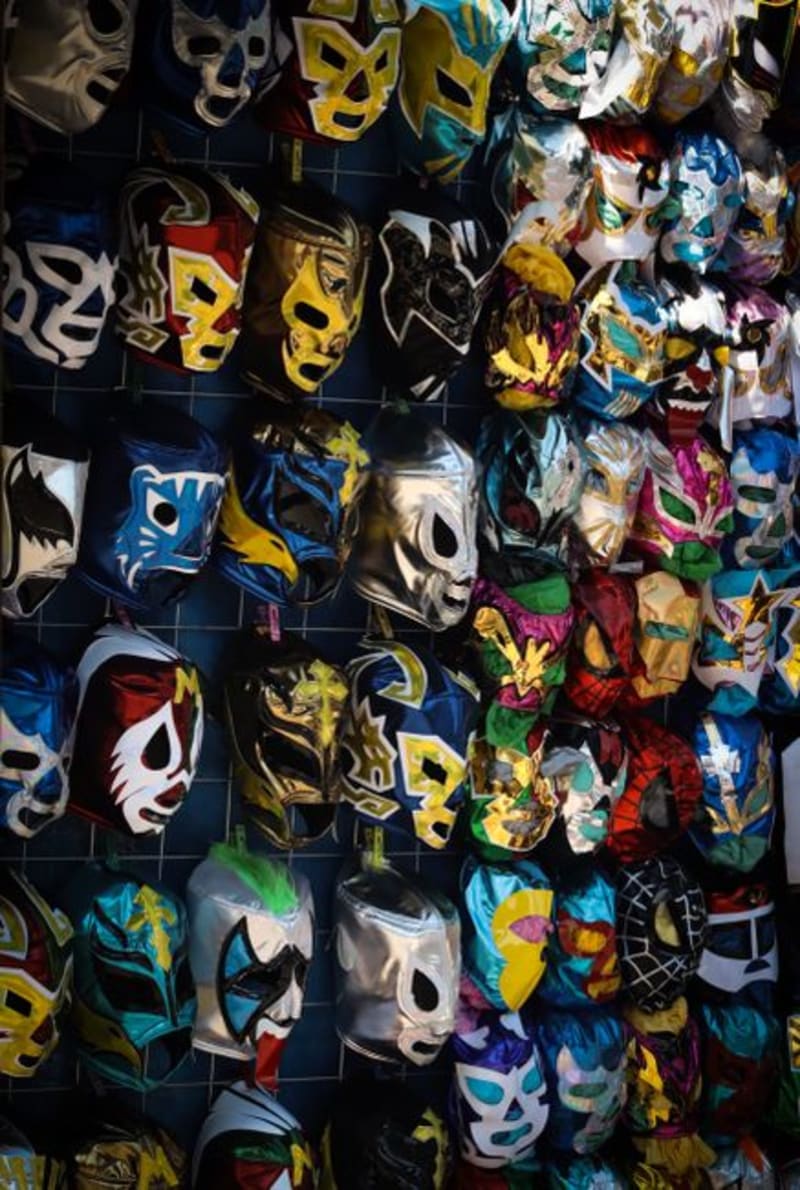
Doctores is a working-class barrio in the heart of Mexico City, named for the physicians who once populated its streets and now inseparable from the spectacle of lucha libre. Arena México anchors the neighborhood like a cathedral anchors a colonial square — everything orients around it, from the taco stands to the mask vendors to the rhythms of Tuesday and Friday nights.
Explore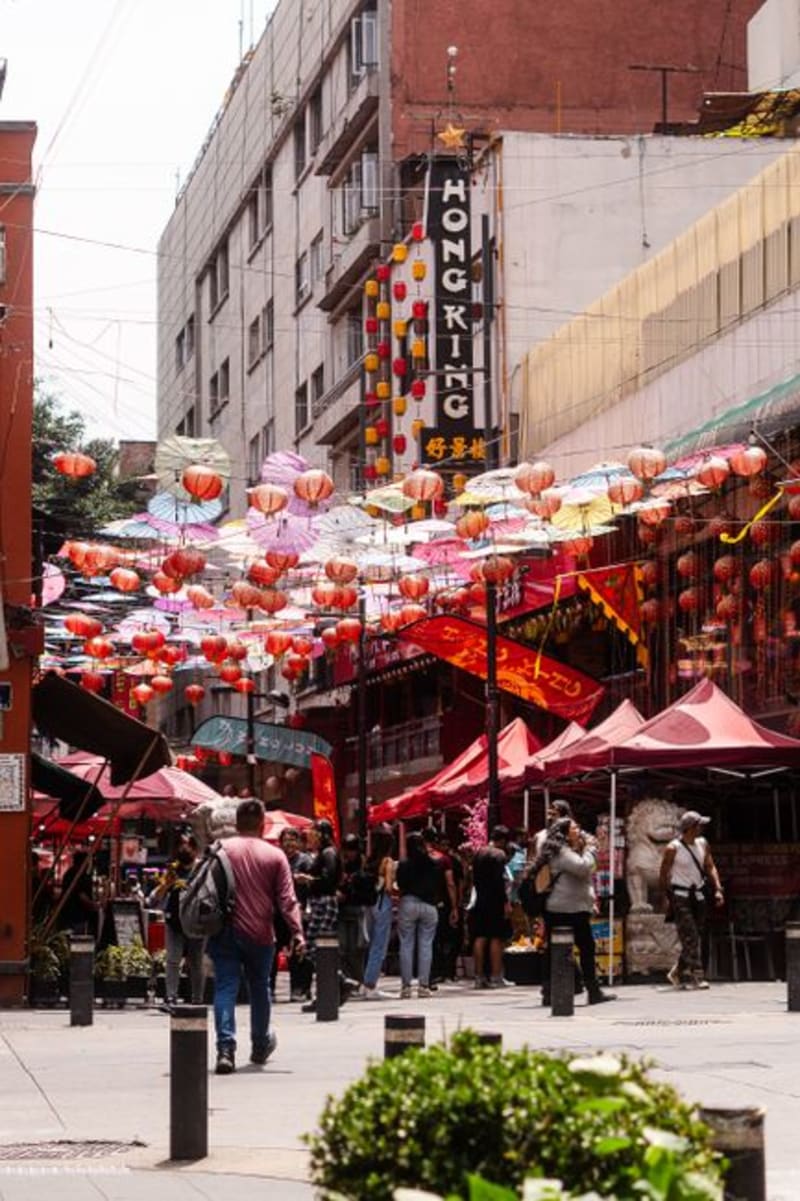 mexico
 Barrio Chino
One block on Calle Dolores in the Centro Histórico constitutes the whole of Mexico City's Chinatown — a fact that should disappoint but somehow doesn't. The restaurants here serve a hybrid cuisine that has been quietly evolving for a century, and the food world doesn't talk about it nearly enough.
Explore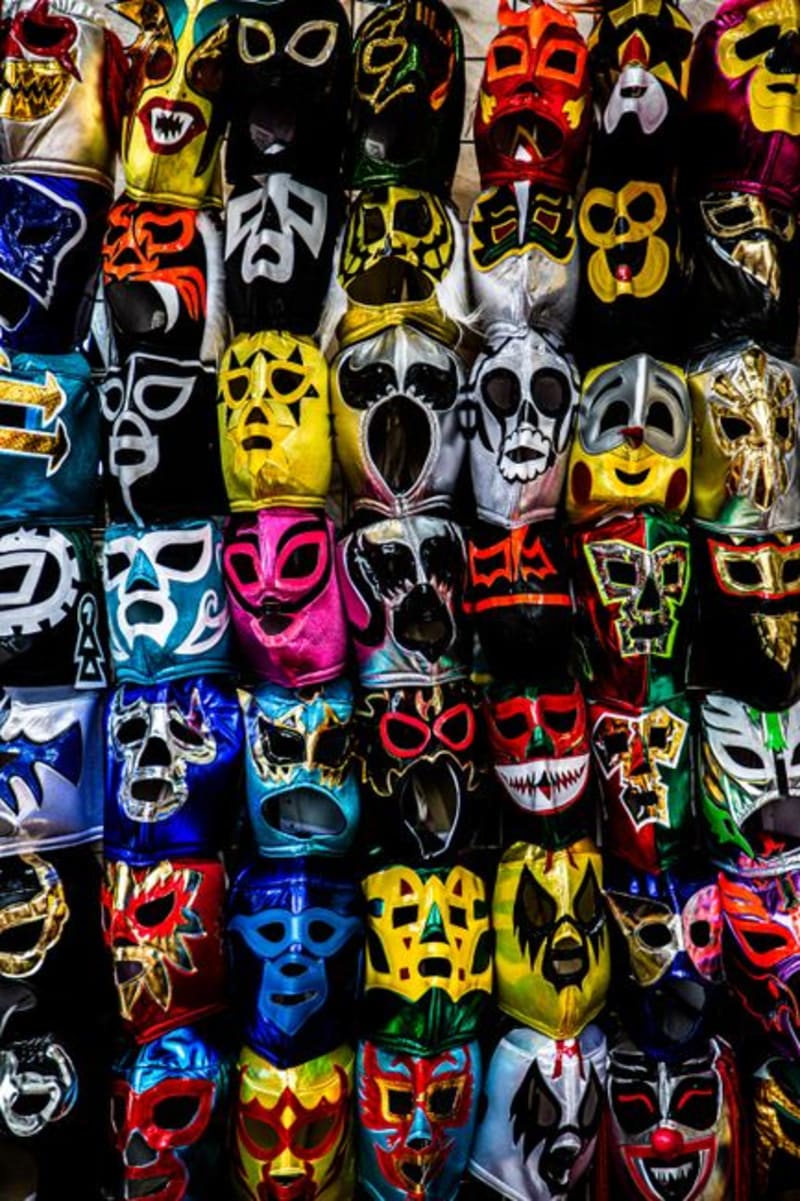 mexico
 Arena México
Every Tuesday and Friday night, the Doctores neighborhood transforms around lucha libre's holiest ground — a squat concrete building that looks like nothing from outside and everything from within. Arena México is where El Santo wrestled, where masks are theological objects, and where the crowd knows every move before it happens and screams for it anyway.
Explore mexico
 Tepito
Tepito is the barrio bravo of Mexico City — a dense, working-class district north of the historic center with a street market that sells everything, a boxing culture that has produced three world champions, and Santa Muerte devotion maintained with the genuine seriousness of a living religion. The reputation that keeps most chilangos away is not exactly wrong, but it is not the whole story. I went on a Tuesday morning with a friend who grew up there and ate the best carnitas tacos of my life at eight in the morning.
Explore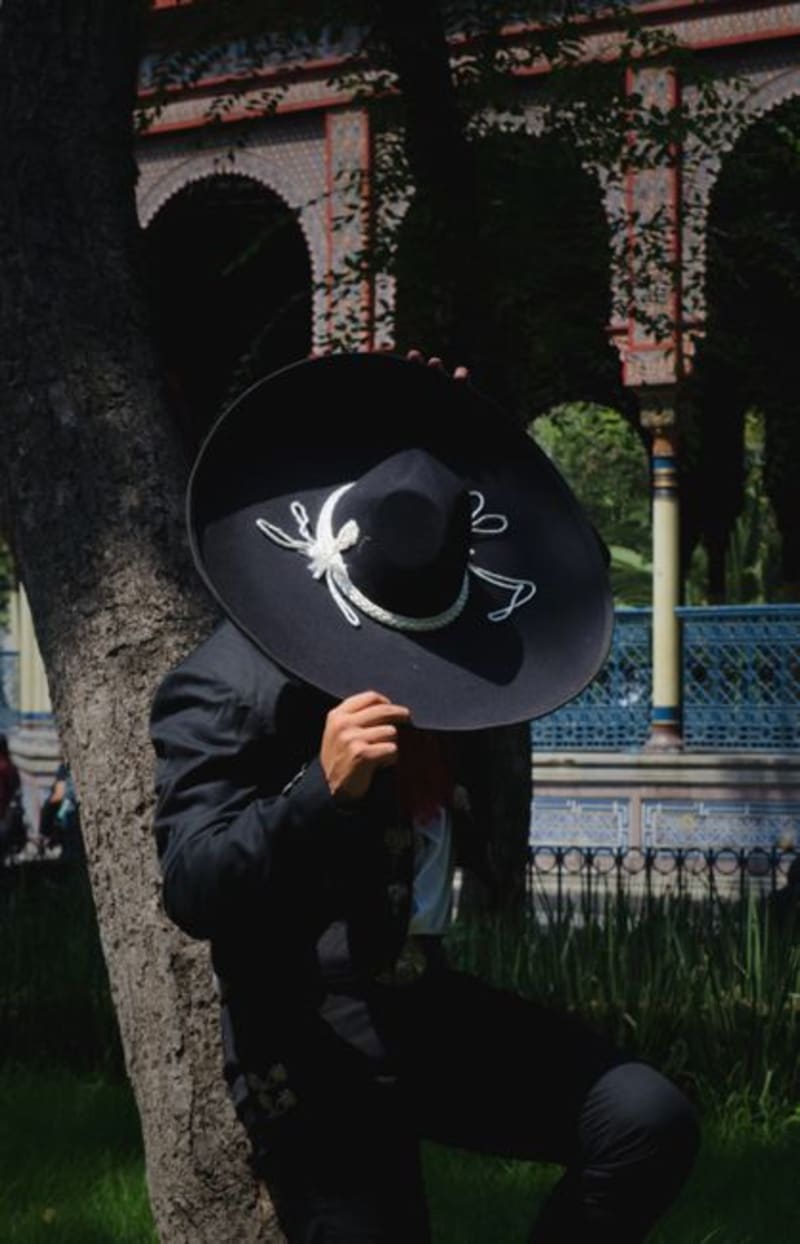 mexico
 Plaza Garibaldi
The beating, chaotic heart of Mexico's mariachi tradition — a plaza where hundreds of musicians in charro suits wait to be hired, the pulquerías have been pouring fermented maguey since the 1940s, and the music genuinely does not stop.
Explore mexico
 Colonia Juárez
Colonia Juárez sits between the glamour of Condesa and the legend of the old Zona Rosa, a neighborhood that has survived every reinvention the city threw at it. The LGBTQ+ community that defined this place for decades is still here, and so are the restaurants on Génova and Londres where you eat dinner at midnight and stay until someone makes you leave.
Explore