
Doctores
"Arena México on a Tuesday night is the closest thing I have found to a Mexican opera house — theatrical, passionate, and absolutely free of irony."
Doctores is a working-class barrio in the heart of Mexico City, named for the physicians who once populated its streets and now inseparable from the spectacle of lucha libre. Arena México anchors the neighborhood like a cathedral anchors a colonial square — everything orients around it, from the taco stands to the mask vendors to the rhythms of Tuesday and Friday nights.

I came to Doctores the first time by accident, following a friend who swore the carnitas near Eje 3 Sur were worth the metro ride from Roma. She was right about the carnitas. But what kept me coming back was stepping out of the metro at Doctores station into a neighborhood that felt genuinely unconcerned with being discovered — a barrio that had its own business to attend to, its own rhythms, its own loyalties, and no particular interest in explaining itself to a Frenchman with a notebook.
The Arena and the Ritual of Fight Night
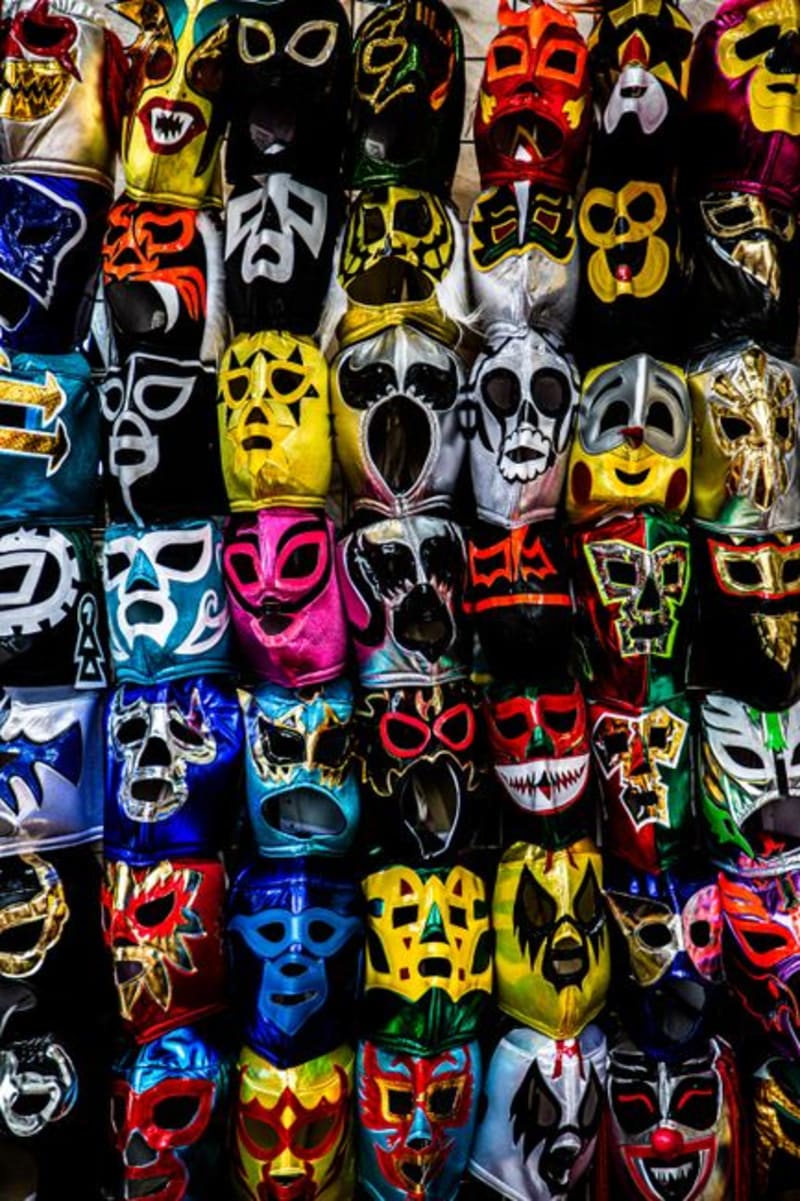
Arena México sits on Dr. Lavista like it has always been there and always will be. On Tuesday and Friday evenings, the surrounding blocks transform. Vendors set up folding tables selling championship belts in miniature, masks in every color imaginable — silver and gold, feathered, sequined — alongside programs, posters, and foam fingers. Families arrive early. Older men in guayaberas argue about technique. Children wear masks over their regular clothes as though that is simply how one dresses for the evening.
Inside, the card runs from low-stakes openers to the main event, and the crowd treats all of it with the same operatic investment. Rudos get booed with real feeling. Técnicos get cheered like returning saints. The flying moves — the topes, the moonsaults from the top rope to the floor — produce a collective intake of breath that I find myself joining every time, despite knowing perfectly well what is coming.

The Streets Between Bouts
What I like about Doctores outside fight nights is how thoroughly ordinary it is. The mercado on Dr. Andrade sells produce and cleaning supplies and copal in equal measure. The torta shops along Eje Central run until late. There is a pozolería on Dr. Lucio that I have never found closed, regardless of the hour, and the pozole rojo there is the kind that requires no embellishment beyond the side of tostadas they bring without being asked.
The neighborhood takes its name seriously in other ways too — the old Hospital Juárez is nearby, and the streets still carry the names of the profession: Dr. Navarro, Dr. Vértiz, Dr. Río de la Loza. It gives the colonia a quiet historical texture that sits underneath the lucha libre glamour without competing with it.

Tamales After Midnight
After the fights let out, the tamale vendors are waiting. Women with aluminum pots set up along the sidewalk selling tamales de rajas, de mole, de elote, wrapped in corn husks and handed over in a paper bag with a cup of atole or champurrado if the night has turned cold. I have had this exact sequence — fight, crowd, sidewalk, tamal — enough times now that it feels less like tourism and more like habit.

Getting There
Doctores is straightforward on the metro: Line 3 (green) to Doctores station puts you a few blocks from Arena México. From Roma Norte or Centro Histórico, it is ten minutes on the metro or a short Uber. Fight night tickets can be bought at the arena box office the day of the event — Tuesday and Friday are the regular cards, with bigger shows on Sunday.
Keep exploring
More of Mexico City
Keep exploring
More from Mexico City
 mexico
 Arena México
Every Tuesday and Friday night, the Doctores neighborhood transforms around lucha libre's holiest ground — a squat concrete building that looks like nothing from outside and everything from within. Arena México is where El Santo wrestled, where masks are theological objects, and where the crowd knows every move before it happens and screams for it anyway.
Explore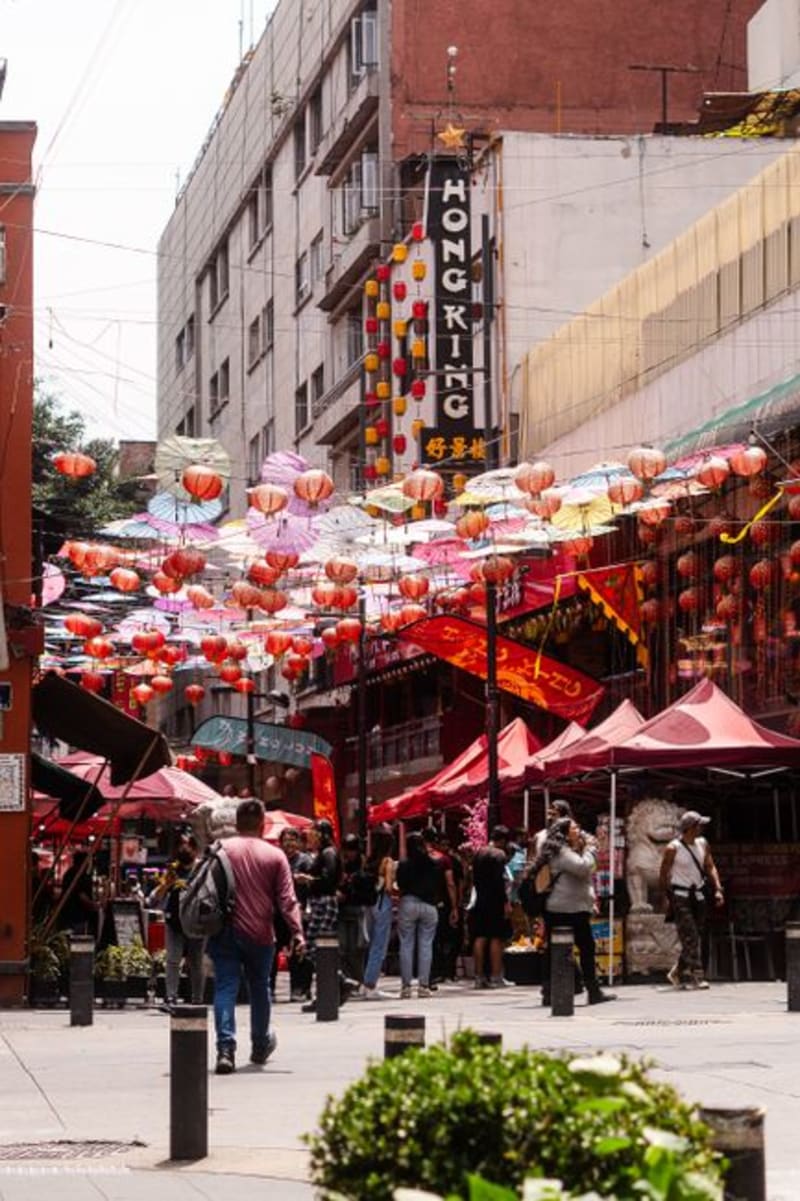 mexico
 Barrio Chino
One block on Calle Dolores in the Centro Histórico constitutes the whole of Mexico City's Chinatown — a fact that should disappoint but somehow doesn't. The restaurants here serve a hybrid cuisine that has been quietly evolving for a century, and the food world doesn't talk about it nearly enough.
Explore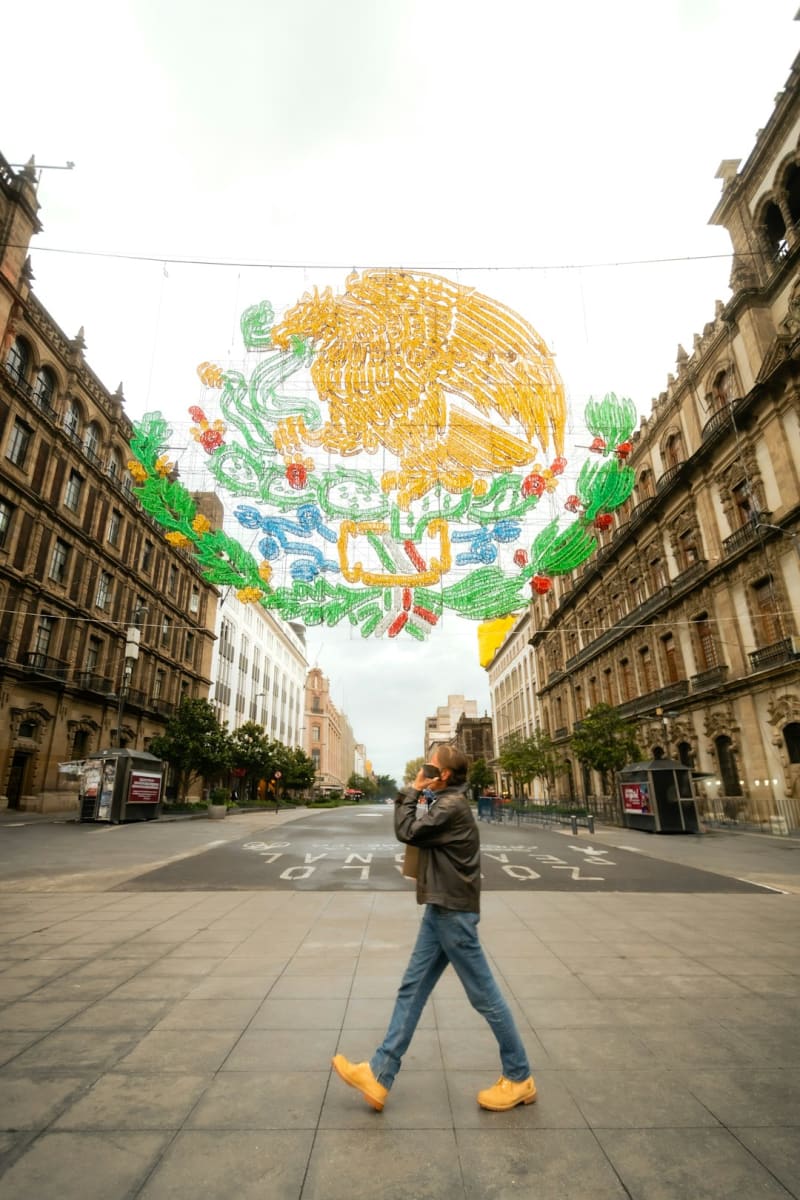 mexico
 Colonia Juárez
Colonia Juárez sits between the glamour of Condesa and the legend of the old Zona Rosa, a neighborhood that has survived every reinvention the city threw at it. The LGBTQ+ community that defined this place for decades is still here, and so are the restaurants on Génova and Londres where you eat dinner at midnight and stay until someone makes you leave.
Explore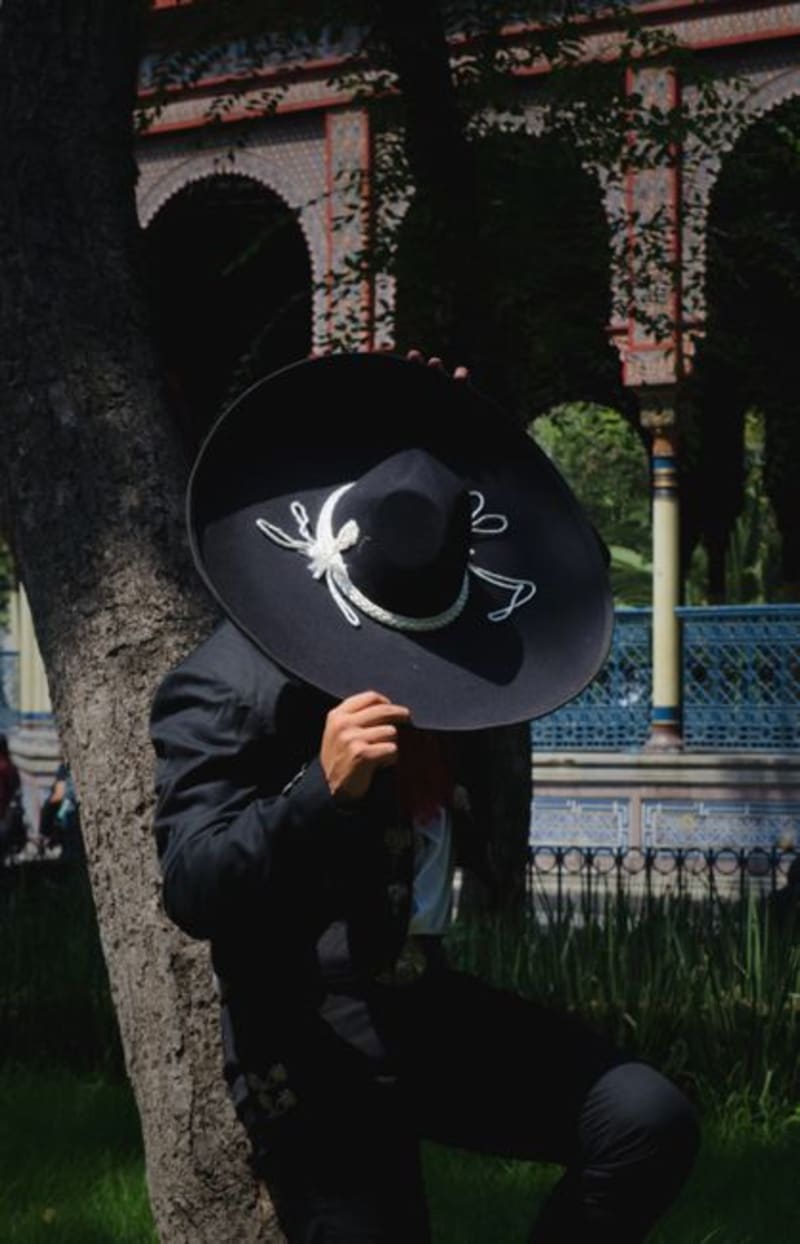 mexico
 Plaza Garibaldi
The beating, chaotic heart of Mexico's mariachi tradition — a plaza where hundreds of musicians in charro suits wait to be hired, the pulquerías have been pouring fermented maguey since the 1940s, and the music genuinely does not stop.
Explore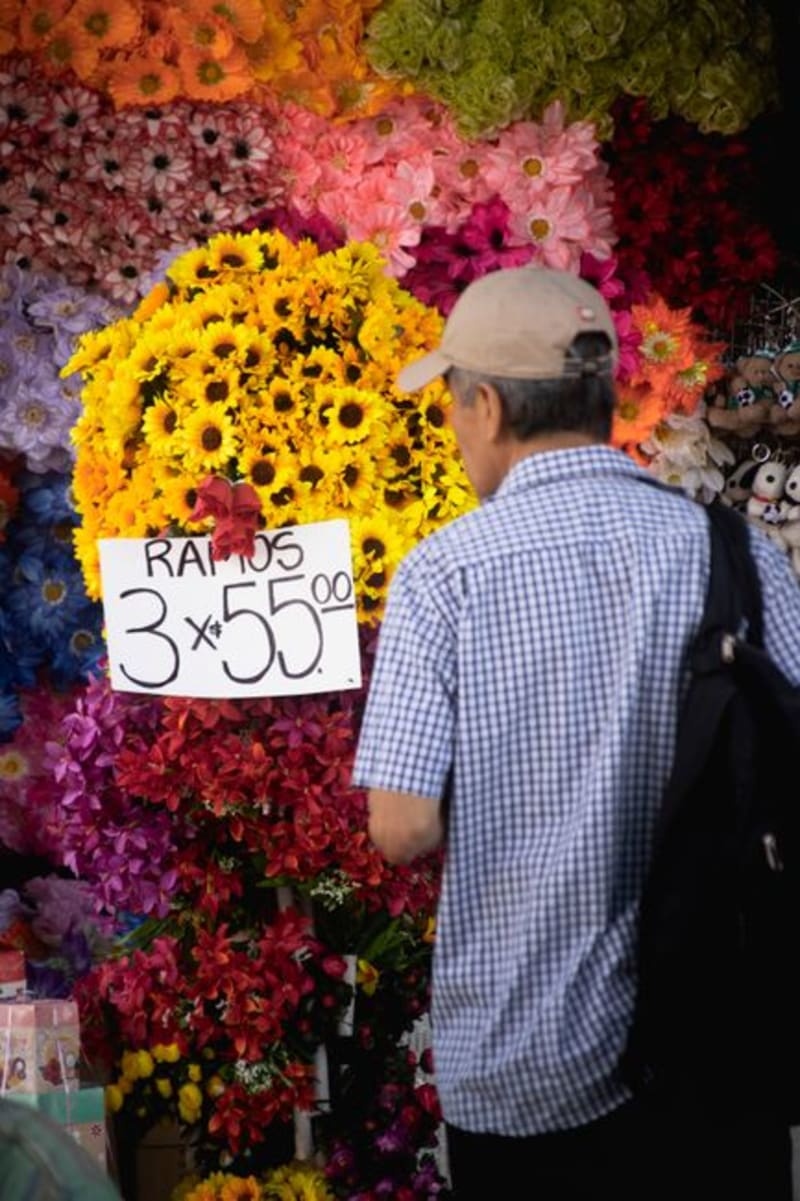 mexico
 Mercado Jamaica
Three hectares of cut flowers, dried herbs, and funeral wreaths stacked six meters high — Mercado Jamaica operates on a scale that makes every other market in Mexico City feel provincial. Vendors have been arriving since 3am for decades. Come at dawn, with low expectations for personal space and high ones for everything else.
Explore mexico
 Colonia Roma / La Condesa
The arc of Roma Norte, Roma Sur, and La Condesa is where contemporary Mexico City culture is most legibly concentrated — Art Deco buildings from the 1920s expansion, park-centered urbanism, and a density of genuinely interesting restaurants on streets like Orizaba and Álvaro Obregón that I have found nowhere else in the Americas. I have walked these neighborhoods more than any other part of the city and still find something new on almost every visit.
Explore