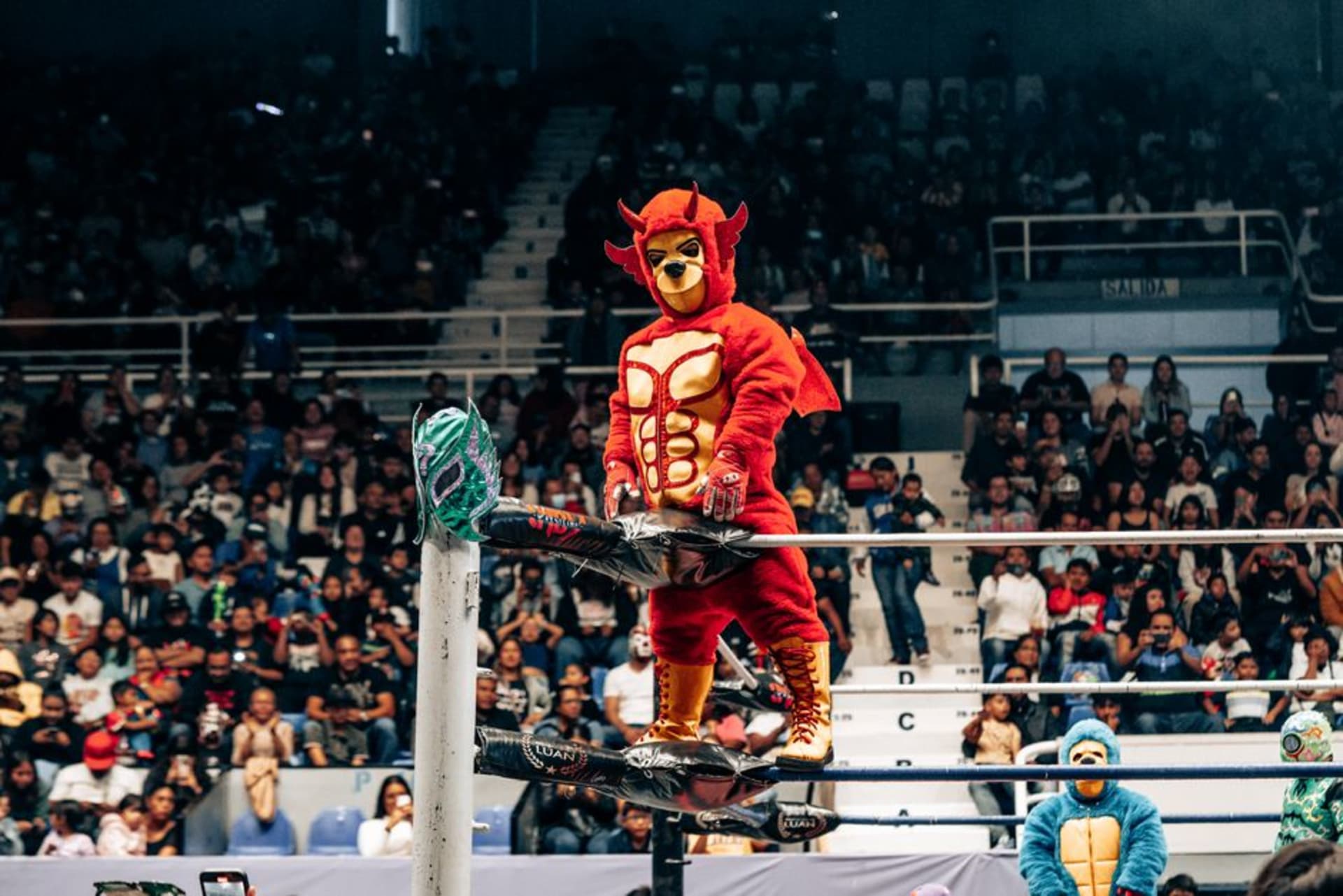
Arena México
"El Santo wrestled here. Decades later, the ropes still smell of sweat and mythology."
Every Tuesday and Friday night, the Doctores neighborhood transforms around lucha libre's holiest ground — a squat concrete building that looks like nothing from outside and everything from within. Arena México is where El Santo wrestled, where masks are theological objects, and where the crowd knows every move before it happens and screams for it anyway.

I went on a Tuesday. A friend in Colonia Narvarte had been saying it for months — “you have to see lucha libre at Arena México, not some tourist show, the real one” — and eventually I had no excuse left. The Metro let me out at Doctores at eight in the evening and the neighborhood was already changed. Vendors had arranged themselves along Doctor Lavista selling masks, foam fingers, and something fried I couldn’t identify but bought anyway. The arena itself is a squat concrete building that looks like nothing from outside and everything from within.
The Grammar of the Crowd
Lucha libre at Arena México is not a sport you watch so much as a ritual you participate in. CMLL has been running Tuesday and Friday night events here since the arena opened in 1956, and in that time the audience has developed its own grammar. The técnicos — the heroes — get polite applause when they land a clean tope suicida. The rudos — the villains — get everything else: cups, insults, chants that would be unprintable in most languages. I sat in the sección general, the cheaper bleachers toward the top, and within twenty minutes a woman next to me had explained who to boo, who to cheer, and why the referee deserved neither. The acrobatics are real. The feuds are scripted. The combination makes for something that has no clean comparison — part ballet, part soap opera, part genuine athleticism, performed under fluorescent light to a crowd that knows every move before it happens and screams for it anyway.

The Weight of the Masks
El Santo wrestled here. That is the sentence that sits with you when you walk into Arena México for the first time. The silver-masked legend performed inside these ropes for decades, and the arena carries that history the way old cathedrals carry theirs — not in grandeur exactly, but in accumulated attention. The masks are the theological objects of lucha libre: a wrestler unmasked in defeat loses something permanent, and at Arena México you feel the seriousness of that covenant even when the match itself is playing for laughs. Outside on the concourse between bouts, vendors sell elotes preparados and tacos de canasta from coolers, and families eat standing up against the painted concrete walls. I had a torta de pierna from a man who has apparently occupied the same post for fifteen years. I believe him completely.

How to Do It Right
Arrive thirty minutes before the first bell — not because the good seats fill early (the general section fills slowly and you will be fine), but because the pre-show crowd is its own entertainment. Buy your ticket at the taquilla on Doctor Lavista; resellers exist outside and are not worth it. The general section works if your budget is tight, but if you want to watch the footwork up close, the arena floor seats are not dramatically more expensive and the vantage point changes the experience entirely. Bring cash for the vendors. Bring patience for the pacing between bouts. Do not bring expectations of quiet.

Getting There
Take Metro Line 2 to Doctores station — the arena is a five-minute walk at Doctor Lavista 197, Colonia Doctores. Tuesday and Friday events typically begin at 7:30 PM. Tickets run roughly 120 to 600 pesos depending on section, purchased at the box office, which opens a few hours before showtime. The neighborhood is straightforward to navigate on foot.
Keep exploring
More of Mexico City
Keep exploring
More from Mexico City
 mexico
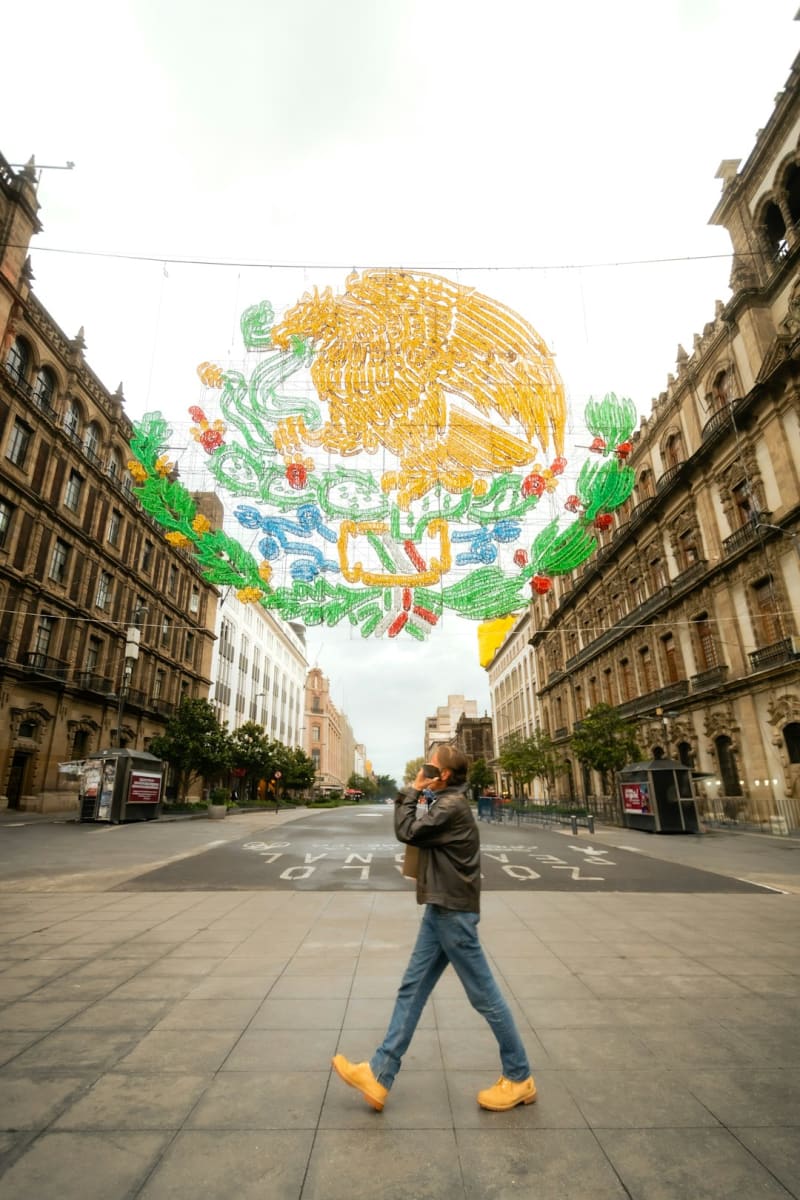
 Colonia Juárez
Colonia Juárez sits between the glamour of Condesa and the legend of the old Zona Rosa, a neighborhood that has survived every reinvention the city threw at it. The LGBTQ+ community that defined this place for decades is still here, and so are the restaurants on Génova and Londres where you eat dinner at midnight and stay until someone makes you leave.
Explore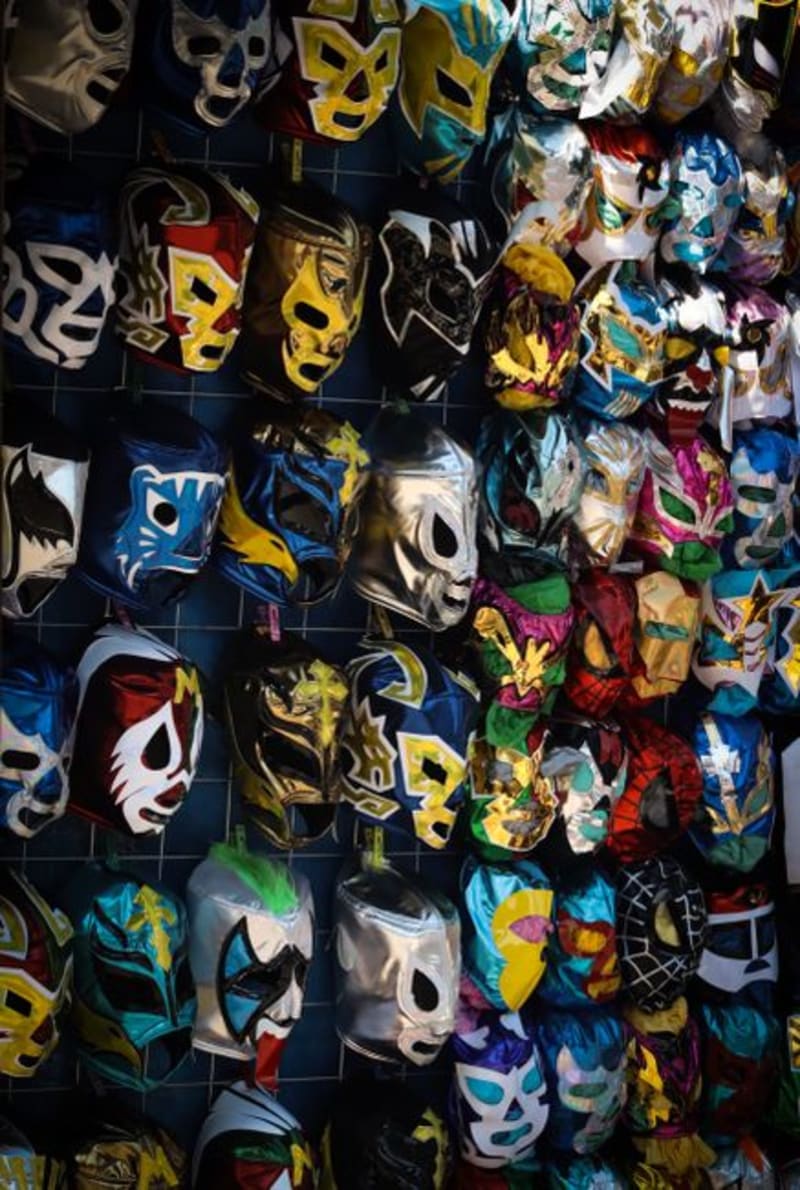 mexico
 Doctores
Doctores is a working-class barrio in the heart of Mexico City, named for the physicians who once populated its streets and now inseparable from the spectacle of lucha libre. Arena México anchors the neighborhood like a cathedral anchors a colonial square — everything orients around it, from the taco stands to the mask vendors to the rhythms of Tuesday and Friday nights.
Explore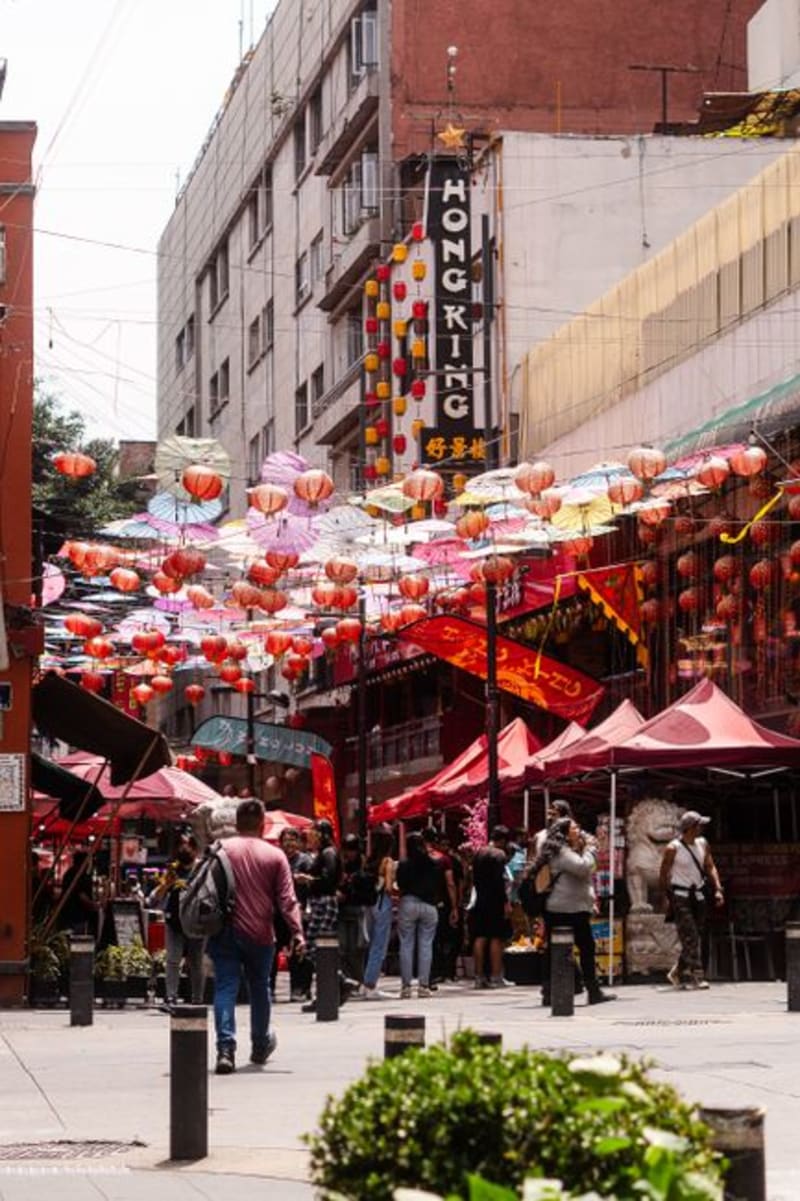 mexico
 Barrio Chino
One block on Calle Dolores in the Centro Histórico constitutes the whole of Mexico City's Chinatown — a fact that should disappoint but somehow doesn't. The restaurants here serve a hybrid cuisine that has been quietly evolving for a century, and the food world doesn't talk about it nearly enough.
Explore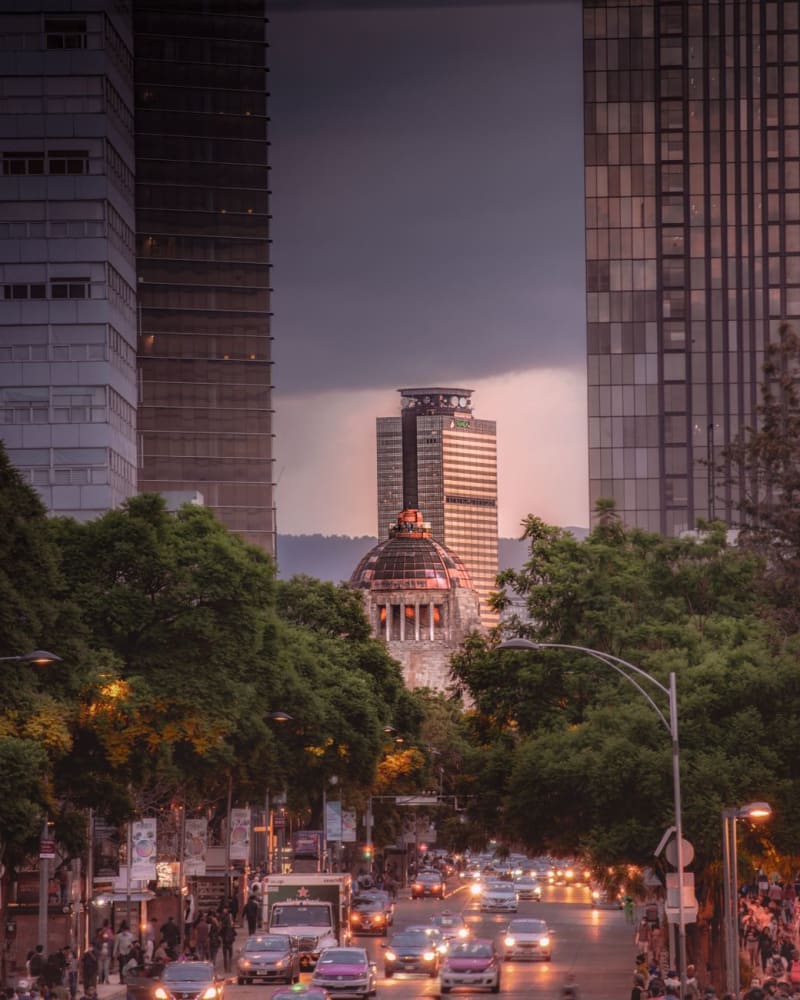 mexico
 Colonia Roma / La Condesa
The arc of Roma Norte, Roma Sur, and La Condesa is where contemporary Mexico City culture is most legibly concentrated — Art Deco buildings from the 1920s expansion, park-centered urbanism, and a density of genuinely interesting restaurants on streets like Orizaba and Álvaro Obregón that I have found nowhere else in the Americas. I have walked these neighborhoods more than any other part of the city and still find something new on almost every visit.
Explore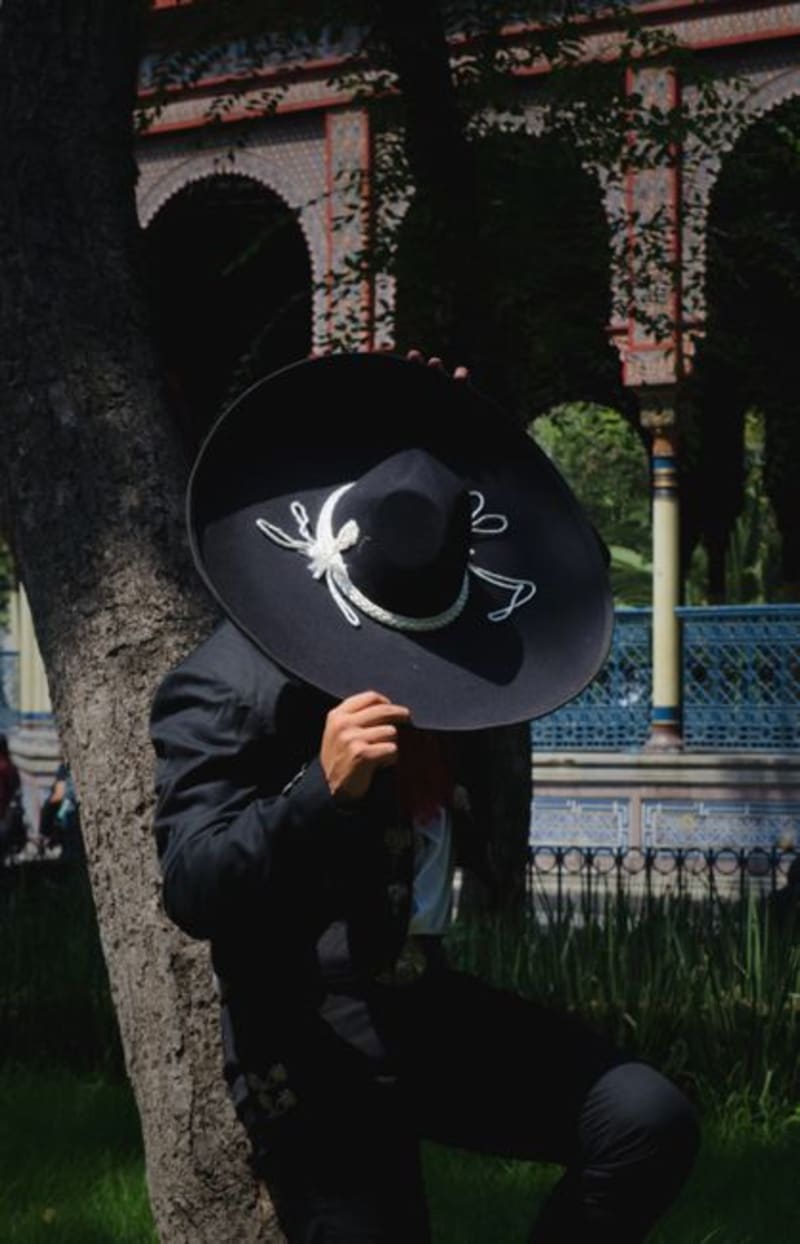 mexico
 Plaza Garibaldi
The beating, chaotic heart of Mexico's mariachi tradition — a plaza where hundreds of musicians in charro suits wait to be hired, the pulquerías have been pouring fermented maguey since the 1940s, and the music genuinely does not stop.
Explore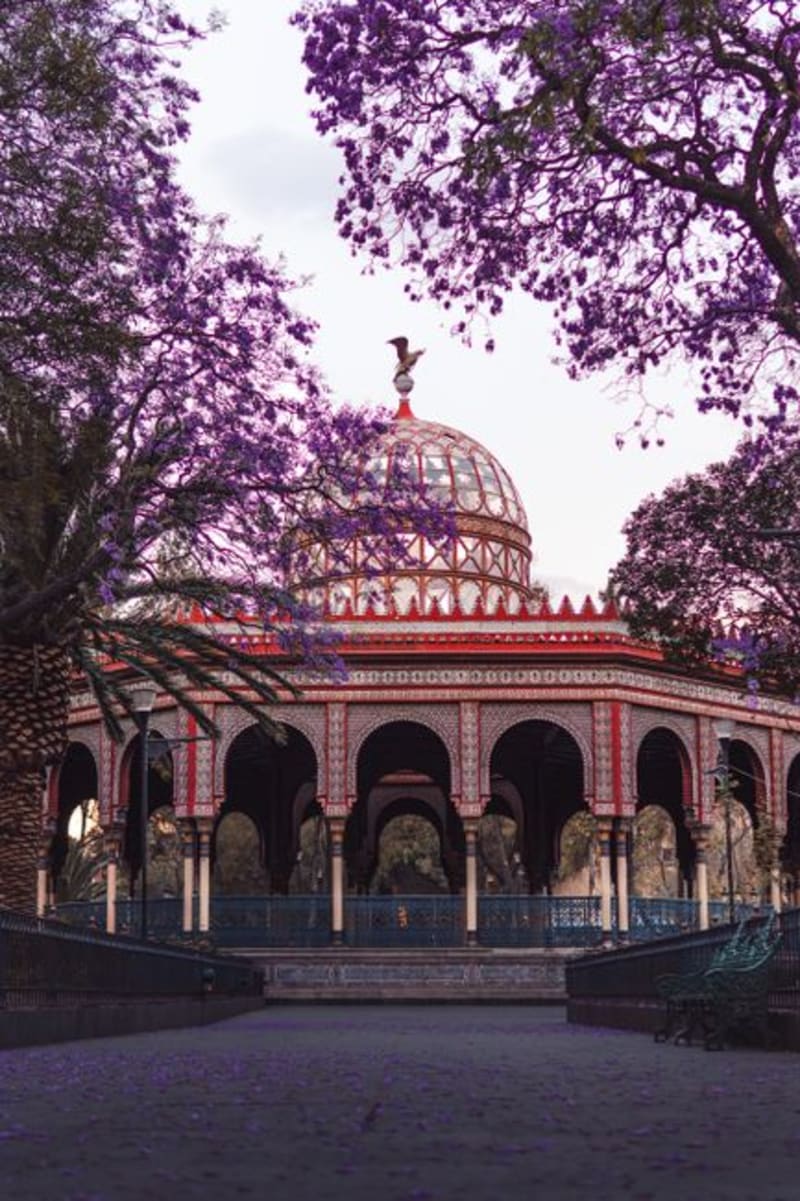 mexico
 Santa María la Ribera
Santa María la Ribera was built for a bourgeoisie that has long since moved on, leaving behind century-old Porfiriato facades and one completely improbable centerpiece: a Moorish iron pavilion that arrived from the 1889 Paris World's Fair and never left. It is the kind of colonia that rewards arriving without a plan.
Explore