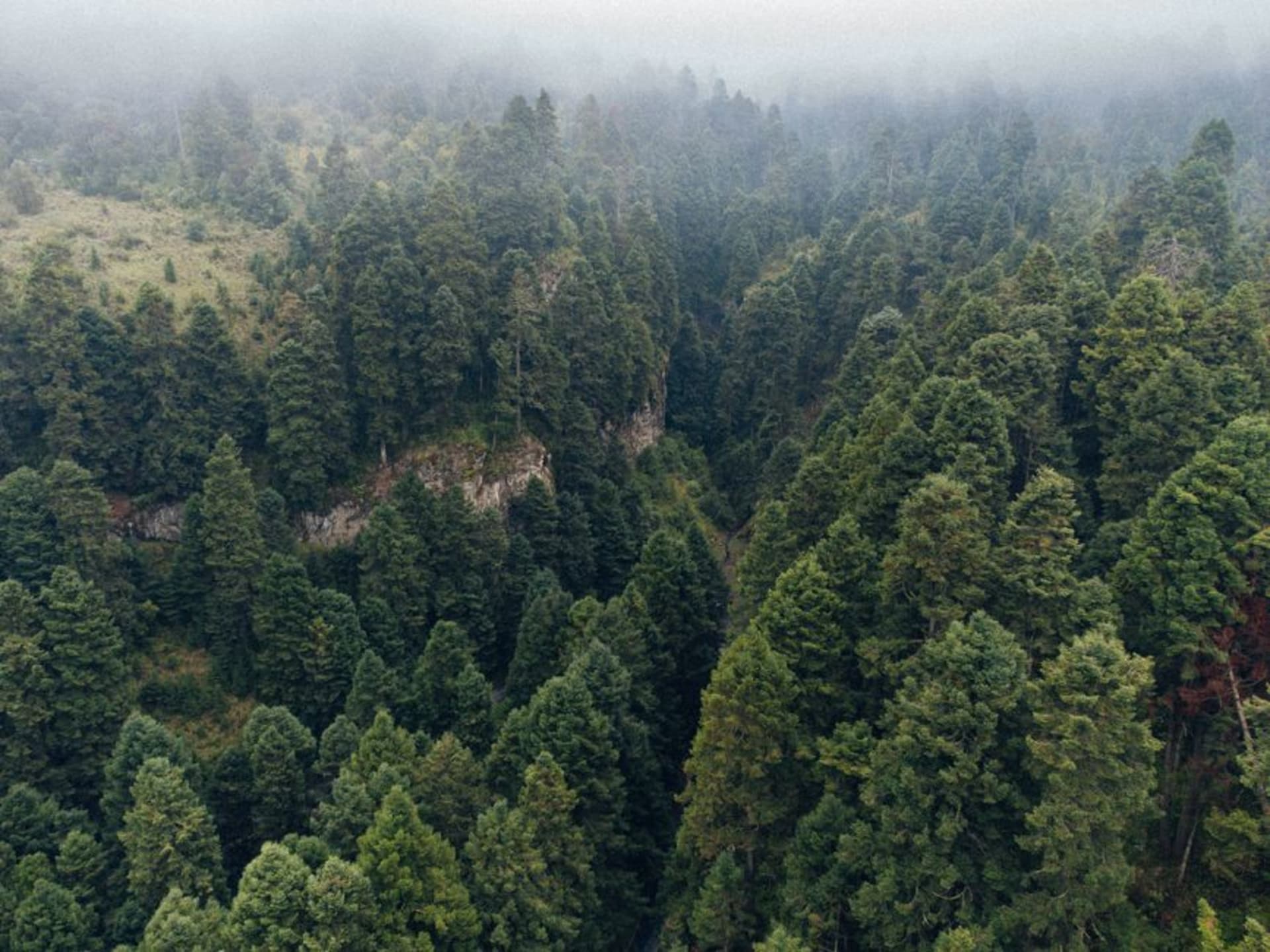
Desierto de los Leones
"I asked a local whether people come up here much. He laughed. Then we both looked at the empty trail and the answer was obvious."
Twenty minutes west of Condesa, the pine forests of Desierto de los Leones swallow the city whole. A seventeenth-century Carmelite monastery sits at the center, abandoned for its extreme solitude — a decision that still makes complete sense given the fog and cold — and most of the twenty-one million people living nearby have never once made the trip.

I went up on a Saturday in November, which turned out to be exactly the right call. The Carretera Constituyentes winds out of Lomas de Chapultepec and into pine trees that close around the road like a curtain, and within ten minutes the city is gone — not receding, actually gone, replaced by fog and the smell of wet bark and altitude. I parked near the monastery entrance and sat in the car for a moment because the temperature drop was enough to feel like an insult. Twenty minutes from Condesa. I checked the map again just to be sure.
A Monastery Built for the Wrong Reasons
The Carmelites founded their convent here in 1606, and they chose this spot specifically because it was remote, cold, and miserable. They were not wrong. The community was abandoned by the late eighteenth century — the combination of earthquakes, the Reform War, and perhaps a gradual institutional honesty about what they had gotten themselves into — and the site became a national monument in 1917. Walking through it now, the logic of that history is both clear and faintly funny.
The stone corridors are wide and vaulted in a way that makes sound disappear rather than echo. There are underground passages that supposedly connect the chapel to the refectory and from there to the cistern, though the access points I found were either locked behind iron gates or had turned into standing water features. The chapel itself retains its original floor tiles — ochre and blue and deep green — and in the early afternoon light that filters through fog and narrow windows, the patterns look almost warm. I spent a long time in there, alone, which is exactly what the Carmelites intended when they built it.

Oyamel and Altitude
The trails start just past the monastery and fork into the forest in three or four directions, depending on which hand-drawn map you believe. I took the one marked Circuito del Bosque, which turned out to be about six kilometers of loose pine needle, exposed root, and enough elevation change to remind me I now live at sea level. The park sits around 3,200 meters — higher than I had remembered, higher than is comfortable when you have spent four years in Puerto Escondido — and I stopped twice to catch my breath, pretending to admire the view both times.
The forest is the genuine article: oyamel firs and Montezuma pines, some of them over a hundred years old, most of them disappearing into the low cloud that parks itself over the canopy on almost every day that is not a clear winter morning. By eleven in November it was already full fog. The silence under those trees is not the absence of sound but a texture of its own — branches dripping, something shifting in the undergrowth, nothing else.

Los Capitalinos No Saben Que Existe
The man at the entrance kiosk had been working there for eleven years. I asked him, genuinely curious, whether people came up much on weekends. He laughed — a short, real laugh — and gestured at the parking lot, which held four cars including mine. “Los capitalinos no saben que existe,” he said. Mexico City people don’t know it exists. I thought he might be overstating it, but I have mentioned the place to five or six chilango friends since and received roughly the same response: a pause, a vague memory of a primary school trip, then nothing. One of them thought I meant Ajusco.
There is something almost comforting about this — a forest of twenty-five square kilometers, a four-hundred-year-old monastery, a functioning national park, sitting invisible inside the most populated city in the Americas.

Getting There
From central Mexico City, take metro Line 1 to Observatorio and find a colectivo toward Desierto de los Leones via Constituyentes — ask at the Tacubaya pesero stand. By car it is about thirty minutes from Polanco. The park charges a small entrance fee; the monastery is open Wednesday through Sunday. Go before noon if you want any light through the fog. Bring a layer — or two.
Keep exploring
More of Mexico City
Keep exploring
More from Mexico City
 mexico
 Centro Histórico
The buried heart of Mexico City — Aztec temples beneath a Spanish cathedral, Diego Rivera's mural history across the palace walls, and a street-food density that begins at six in the morning and does not stop.
Explore mexico
 La Merced
La Merced is the great wholesale food market district of east-central Mexico City, the kind of neighborhood that travel guides mention briefly and with mild apprehension before moving on to more photogenic ground. It is four distinct market buildings covering multiple blocks, surrounded by chile vendors, herb sellers, and spice merchants operating in the streets between them, and the smell when you walk in — dried chiles and epazote and fresh earth and the sweet rot of overripe fruit — is the smell of Mexico's kitchen before it was cleaned up for outside consumption. I ate the best tamales I have found in Mexico City at a comedor inside the main building at eight in the morning, surrounded by vendors who hadn't yet opened their stalls.
Explore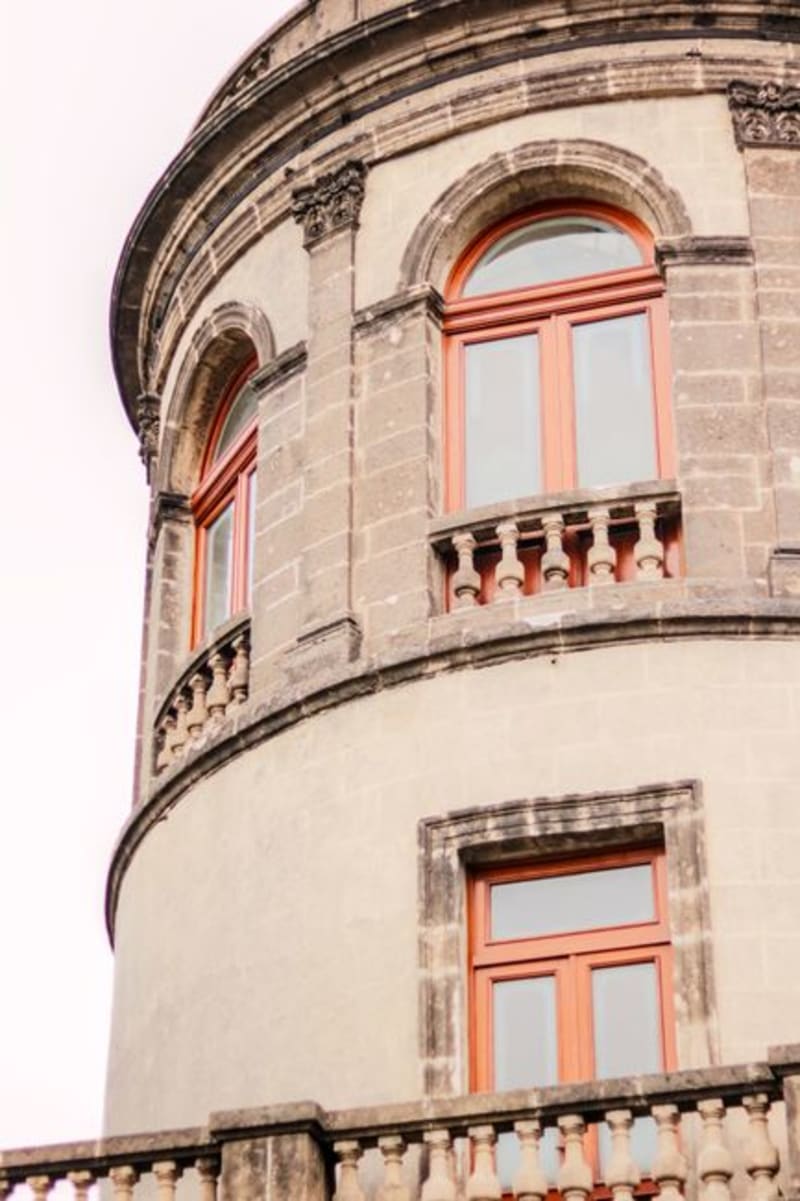 mexico
 Chapultepec
Chapultepec is a forest inside Mexico City where Aztec sacred ground, a Habsburg castle, and the continent's finest archaeology museum coexist beneath a canopy of ancient ahuehuete trees. On weekdays it belongs to serious museum-goers; on Sundays it belongs to everyone.
Explore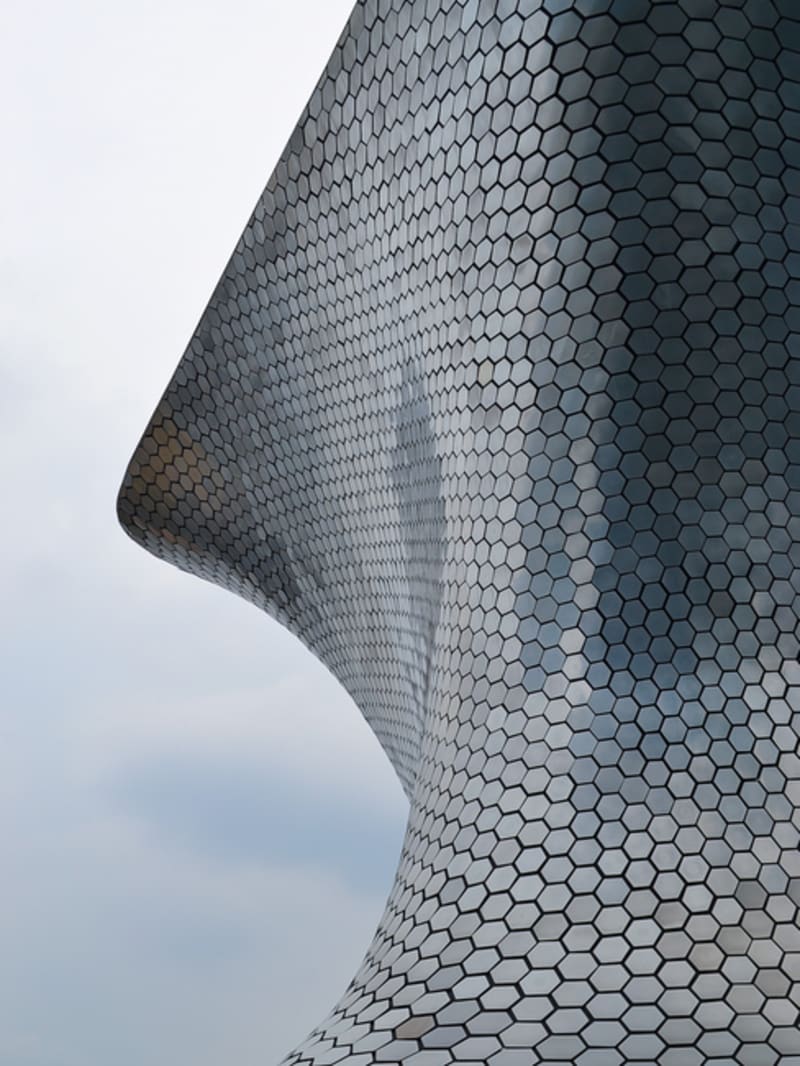 mexico
 Polanco
Polanco is where CDMX puts on its most polished face — wide leafy boulevards, the free Museo Soumaya packed with forty-five thousand pieces of art, and restaurant tables that make you question what country you are in. It is not where I usually end up, but the art is impossible to argue with.
Explore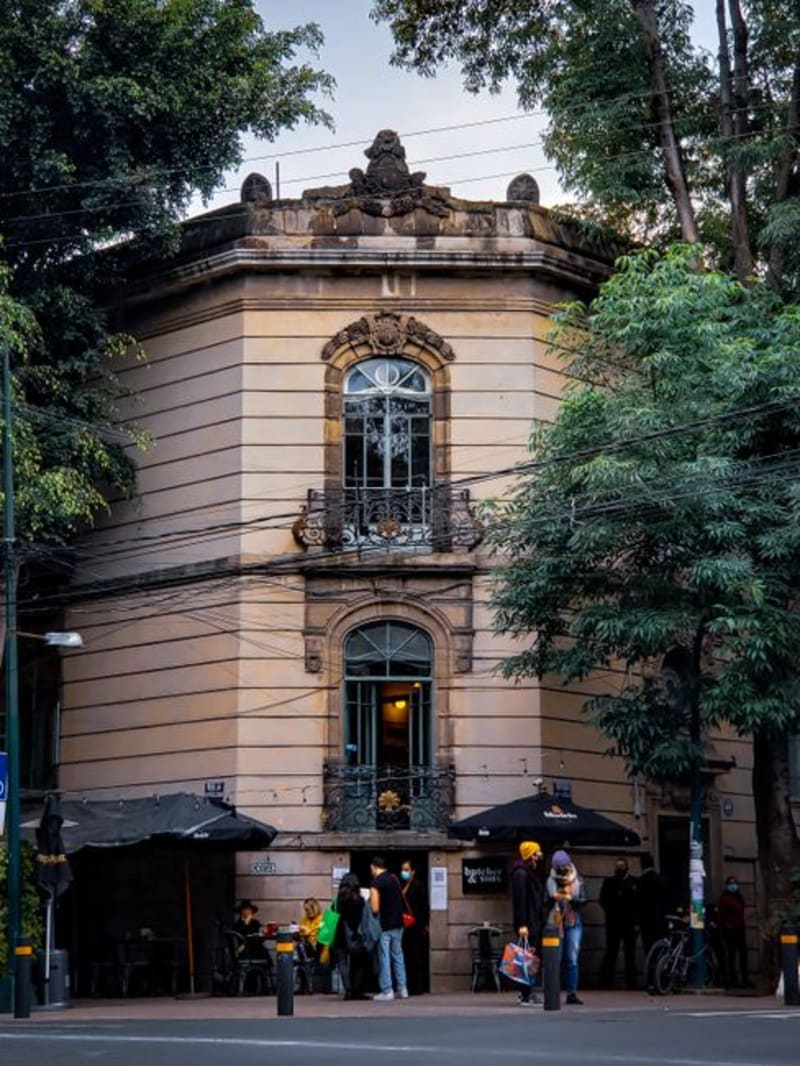 mexico
 Colonia Condesa
Art Deco apartment blocks curve around shaded oval parks, terrace cafés run weekend brunch well into the evening, and a food scene that has been among the best in Latin America long enough that the neighborhood has stopped needing to explain itself. This is the CDMX that Europeans imagine before they arrive — and that actually delivers.
Explore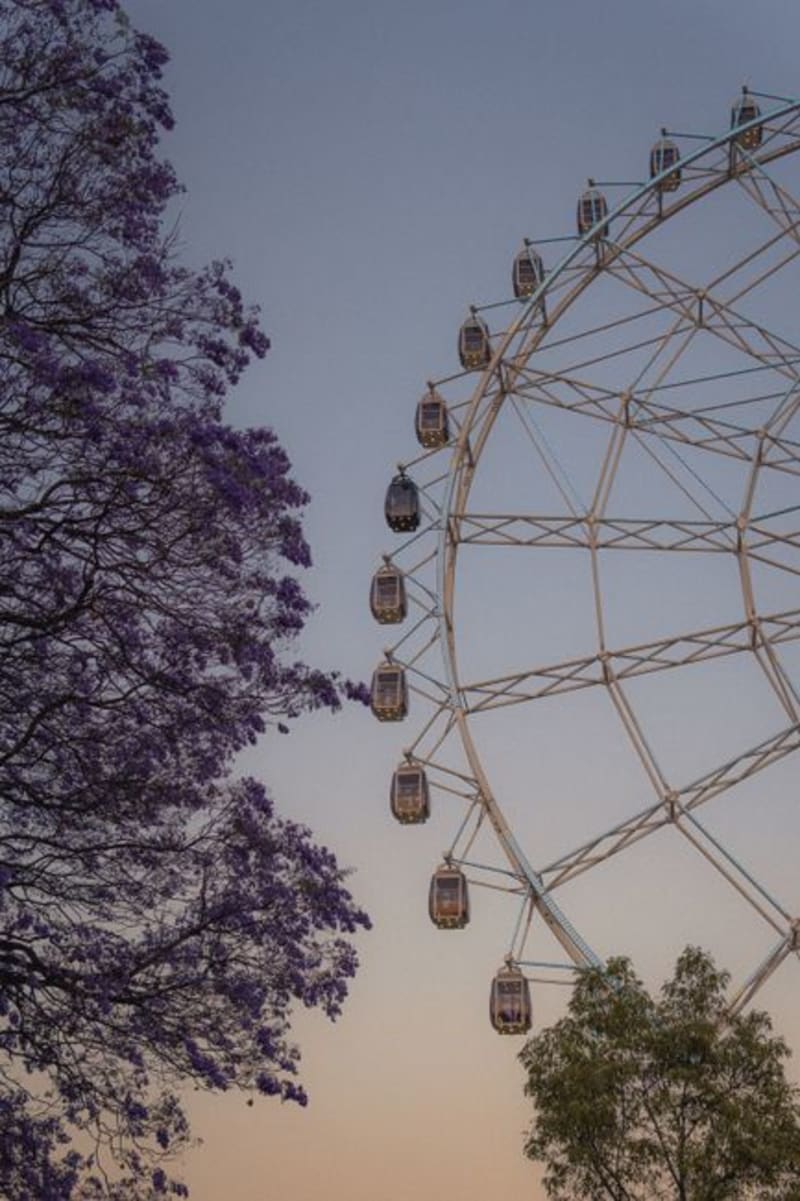 mexico
 Condesa
Condesa is the neighborhood I keep returning to when I need proof that urban life can be graceful — Art Deco buildings draped in jacaranda, Parque México looping with dogs and joggers, and terrace cafes where the waiter never brings the bill until you ask. It is one of the most livable squares of pavement in this country, and it knows it.
Explore