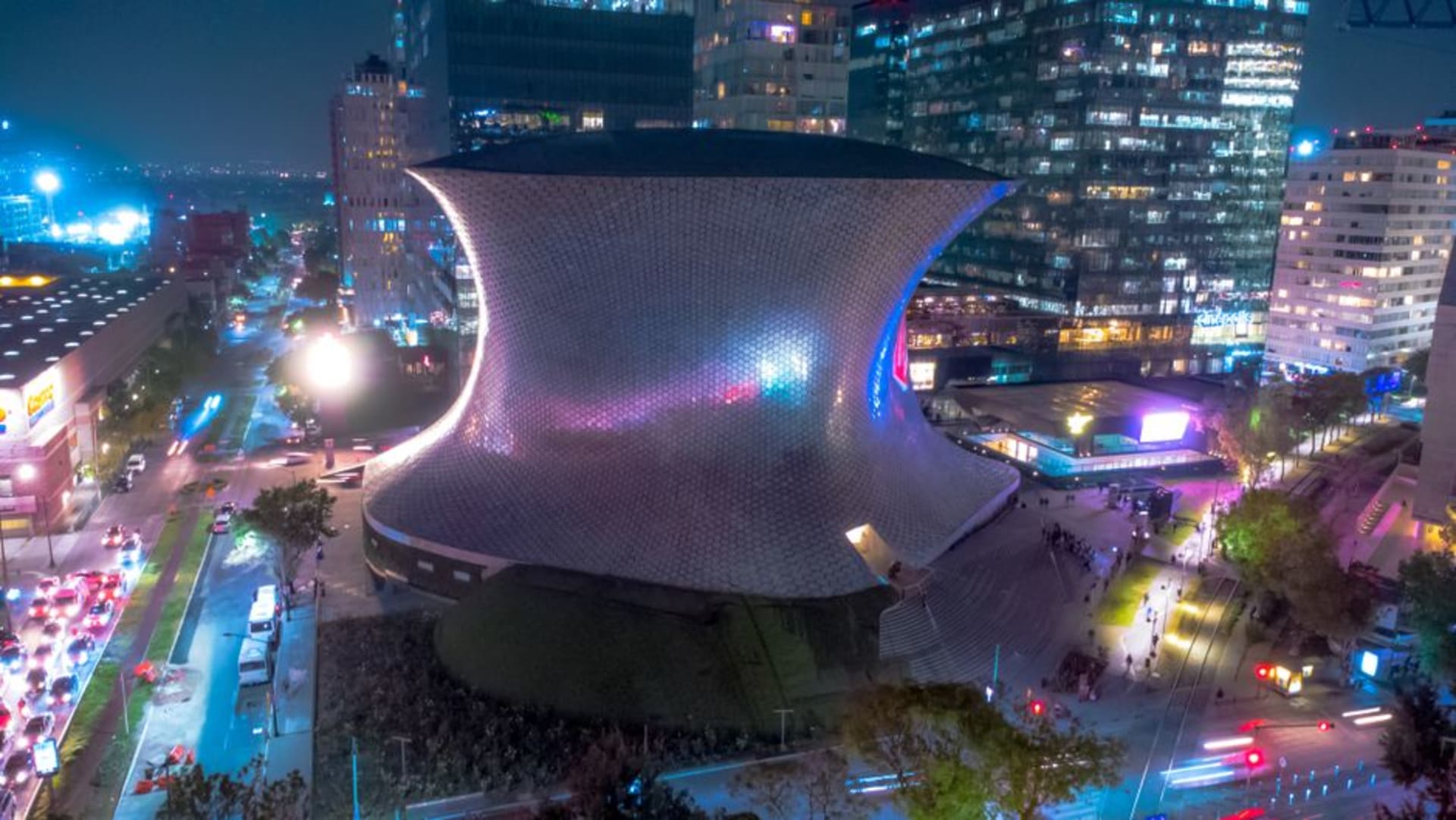
Polanco
"The Soumaya is one of the strangest museums I have ever loved — free admission, forty-five thousand pieces, and a spiral ramp that never quite ends."
Polanco is where CDMX puts on its most polished face — wide leafy boulevards, the free Museo Soumaya packed with forty-five thousand pieces of art, and restaurant tables that make you question what country you are in. It is not where I usually end up, but the art is impossible to argue with.

Polanco was not somewhere I expected to linger. I came for the Soumaya — a Tuesday morning, early enough to avoid the school groups I had been warned about — and stayed until well past noon, missing a brunch reservation at a place on Virgilio that had taken three weeks to book. That is roughly the trajectory of most mornings I have spent here. The neighborhood operates at a different register from the rest of the city, wider and quieter and far more deliberate in its beauty, and it has a way of swallowing your plans without quite apologizing for it.
The Museum That Swallowed My Morning
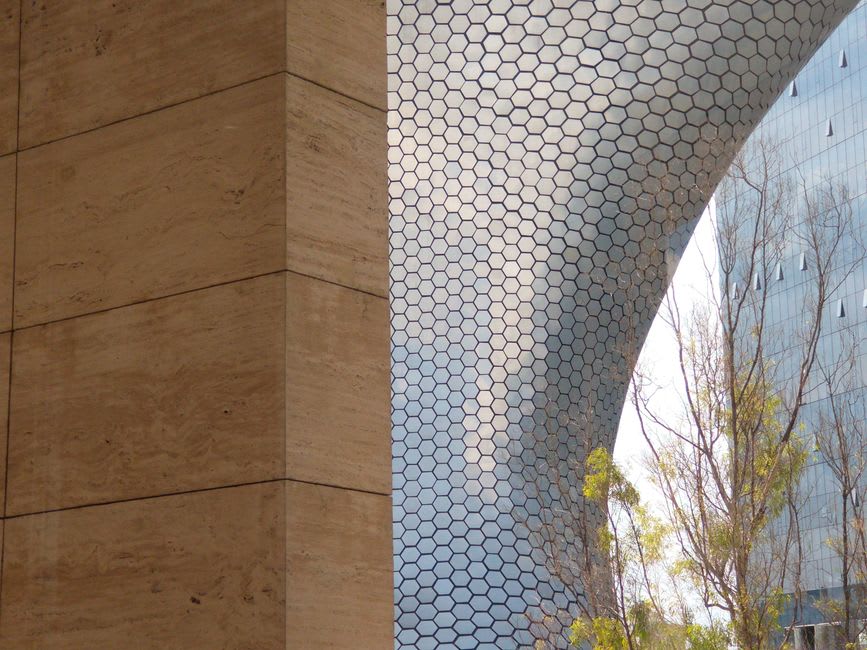
The Museo Soumaya sits on the northern edge of Plaza Carso — a building that looks, depending on your mood, either like a crumpled aluminum sculpture or a spaceship that landed gently and decided to stay. Fernando Romero designed it, Carlos Slim paid for it, and admission is free, which feels almost reckless given what is inside: forty-five thousand pieces across multiple floors, from Pre-Hispanic artifacts and colonial religious paintings to a room dense with Rodins — more of them than expected, more than feels entirely reasonable — and a whole corridor of European Impressionist work that catches you off guard after the Mexican collections. The building itself works on you. A continuous spiral ramp carries you upward through the floors, and you keep thinking you have reached the top and then you have not. I went in planning to spend forty-five minutes. By the time I emerged onto Avenida Miguel de Cervantes Saavedra, blinking in the midday sun, I had been inside for two and a half hours and my coffee had gone cold in my bag.

The Boulevard and Everything Around It
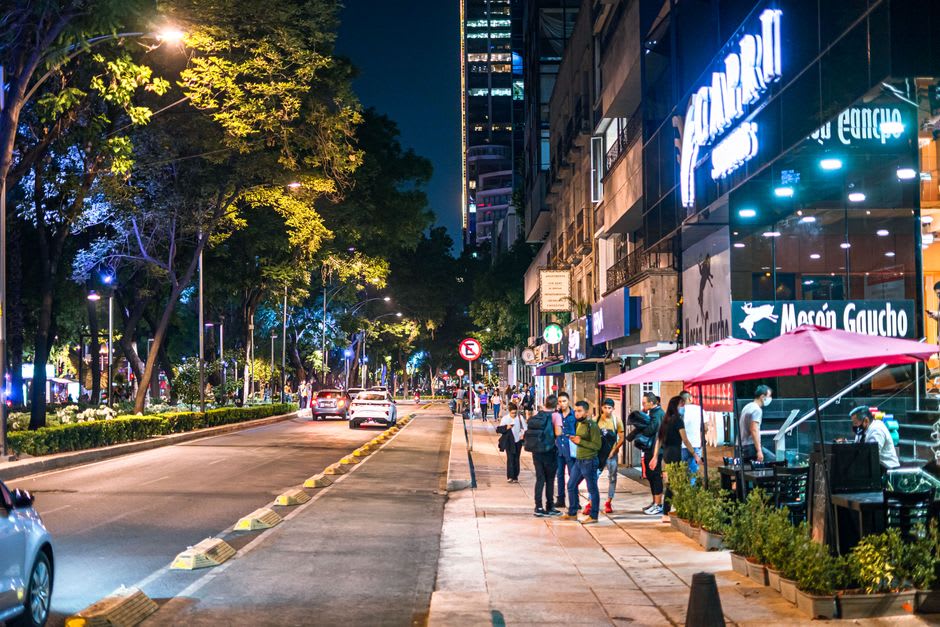
The rest of Polanco rewards a slower pace — or at least a realistic one. Avenida Presidente Masaryk is the neighborhood’s main artery, wide enough to feel almost Parisian if you tilt your head slightly and ignore the SUVs. The restaurants here are serious: Quintonil, Jorge Vallejo’s tasting-menu operation on Newton, has spent years on the World’s 50 Best list, and the surrounding streets have accumulated enough natural wine lists and single-origin coffee bars to keep a person occupied for several days without repeating. I eat at those places occasionally, when I can justify it, though more often I end up at the small torta stand near Parque Lincoln where a woman makes a torta de milanesa that has no business being in this neighborhood and is better for it. The park itself — shaded, dog-heavy, full of nannies with strollers and old men reading Reforma — is good for an hour of people-watching at a pace that feels genuinely restful after the museum’s spiral.
A Weekday Morning, Nothing Else
If I am being honest about Polanco, the neighborhood is easier to appreciate before ten on a weekday. The streets are quieter, the park has the light quality that only happens when the air has not fully heated yet, and the Soumaya opens without a queue. I would not choose to stay here — the hotels are expensive and the neighborhood turns oddly empty after nine at night — but I would choose to spend a morning here, slowly, with no fixed plan beyond the museum and wherever lunch takes me after. That is the version of Polanco that makes sense to me: not a destination to consume but an afternoon to fall into, the way I apparently fell into it on that Tuesday when I lost track of time entirely and came out two hours past hungry.
Getting There
The metro is the honest answer. Line 7 stops at Polanco station, and from there it is a short walk east to Plaza Carso and the Soumaya, or south along Molière toward the restaurant corridor on Presidente Masaryk. From Centro Histórico the ride takes around twenty minutes. Uber is convenient but traffic on Reforma can add thirty minutes without warning, particularly in the late afternoon — a detail I have learned the hard way more than once.
Keep exploring
More of Mexico City
Keep exploring
More from Mexico City
 mexico
 Colonia Condesa
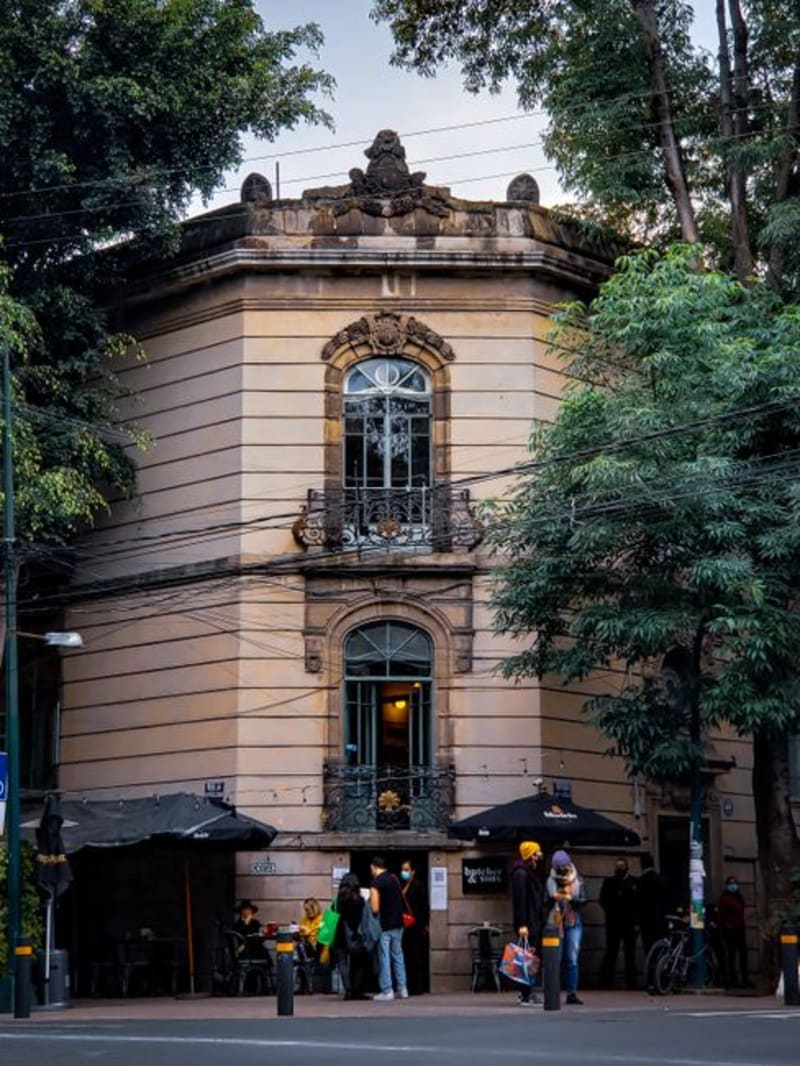
Art Deco apartment blocks curve around shaded oval parks, terrace cafés run weekend brunch well into the evening, and a food scene that has been among the best in Latin America long enough that the neighborhood has stopped needing to explain itself. This is the CDMX that Europeans imagine before they arrive — and that actually delivers.
Explore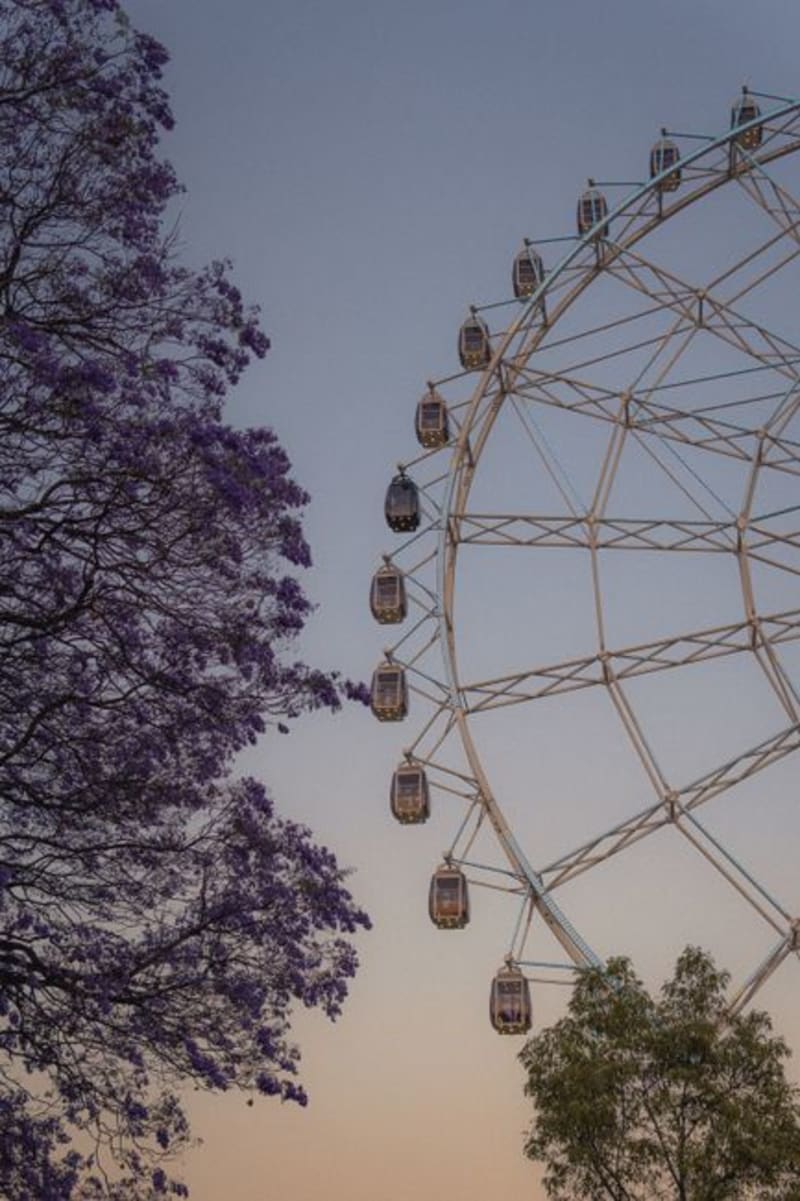 mexico
 Condesa
Condesa is the neighborhood I keep returning to when I need proof that urban life can be graceful — Art Deco buildings draped in jacaranda, Parque México looping with dogs and joggers, and terrace cafes where the waiter never brings the bill until you ask. It is one of the most livable squares of pavement in this country, and it knows it.
Explore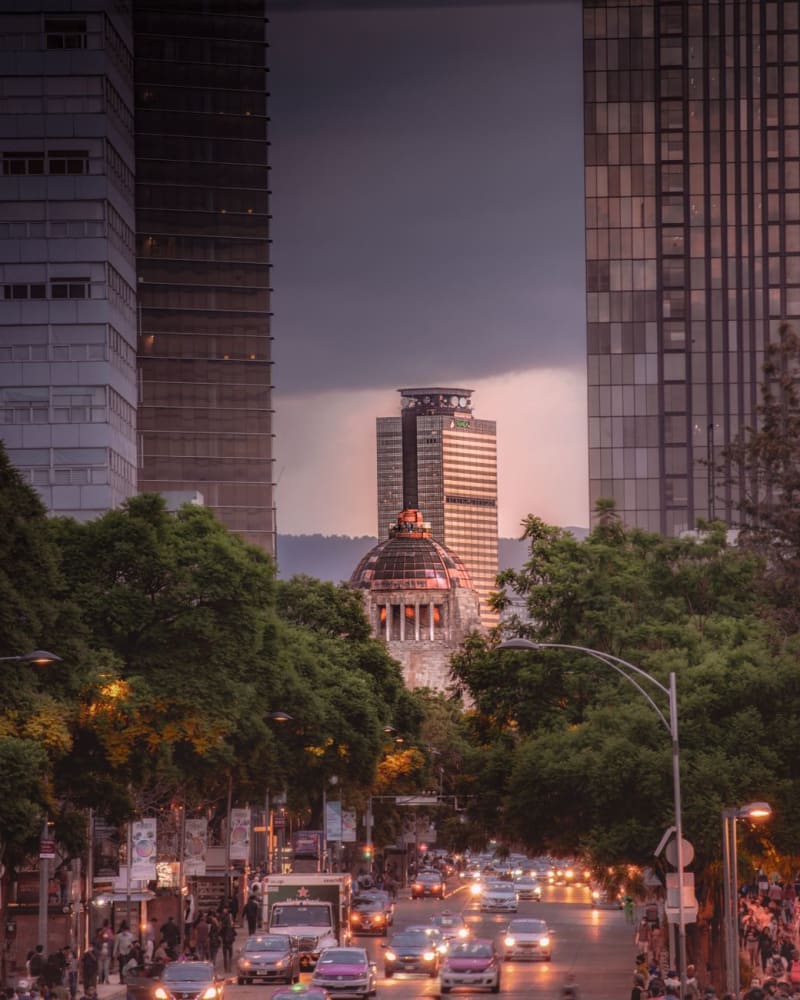 mexico
 Colonia Roma / La Condesa
The arc of Roma Norte, Roma Sur, and La Condesa is where contemporary Mexico City culture is most legibly concentrated — Art Deco buildings from the 1920s expansion, park-centered urbanism, and a density of genuinely interesting restaurants on streets like Orizaba and Álvaro Obregón that I have found nowhere else in the Americas. I have walked these neighborhoods more than any other part of the city and still find something new on almost every visit.
Explore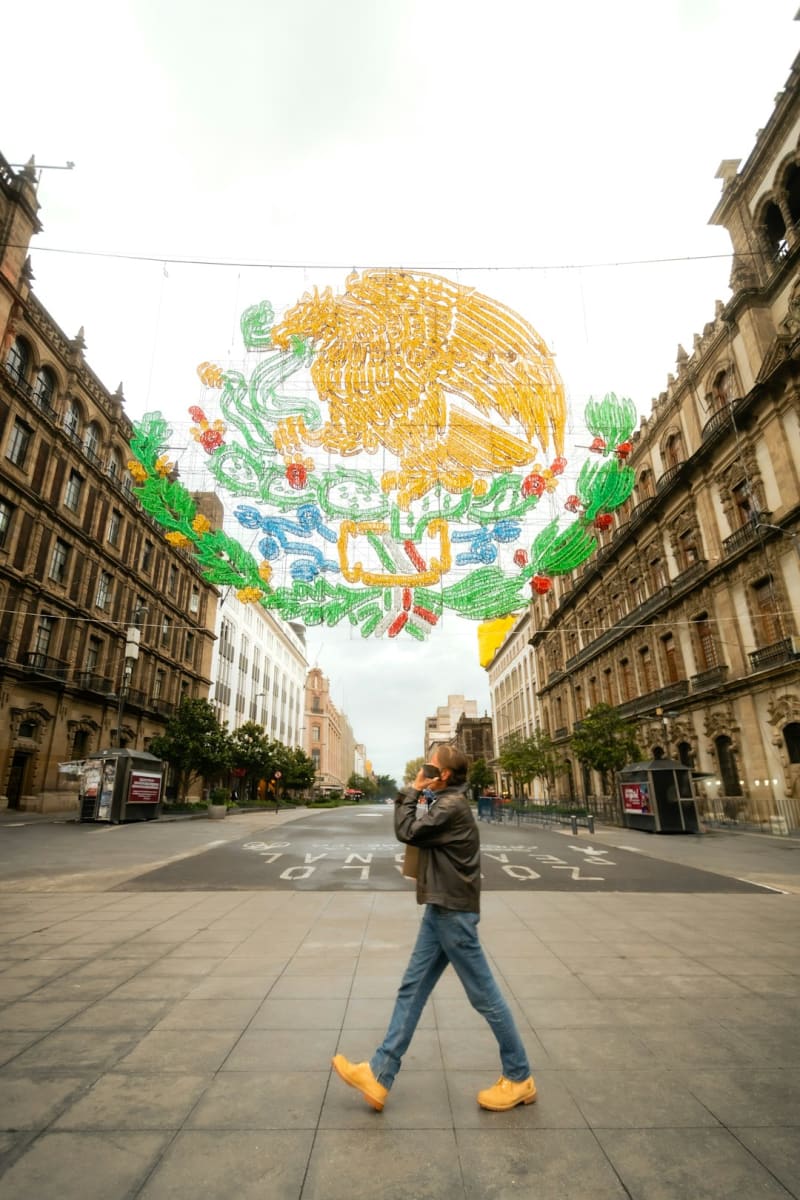 mexico
 Colonia Juárez
Colonia Juárez sits between the glamour of Condesa and the legend of the old Zona Rosa, a neighborhood that has survived every reinvention the city threw at it. The LGBTQ+ community that defined this place for decades is still here, and so are the restaurants on Génova and Londres where you eat dinner at midnight and stay until someone makes you leave.
Explore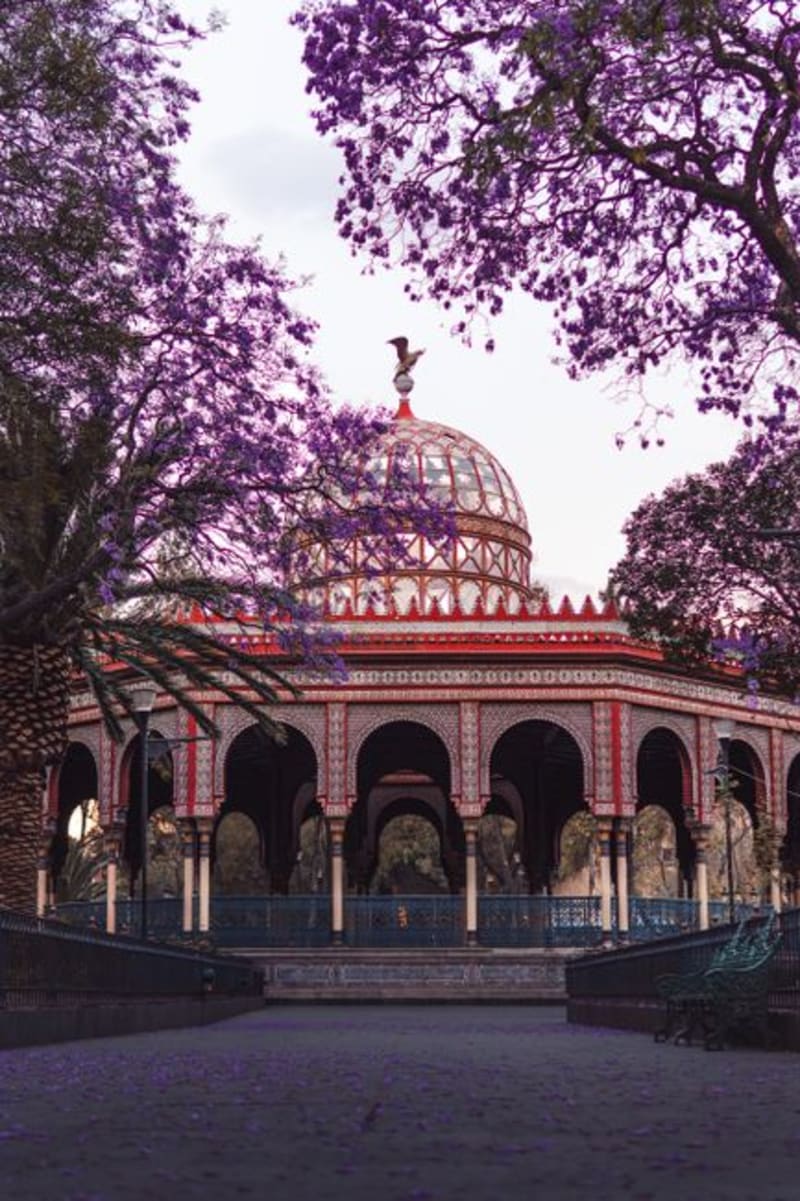 mexico
 Santa María la Ribera
Santa María la Ribera was built for a bourgeoisie that has long since moved on, leaving behind century-old Porfiriato facades and one completely improbable centerpiece: a Moorish iron pavilion that arrived from the 1889 Paris World's Fair and never left. It is the kind of colonia that rewards arriving without a plan.
Explore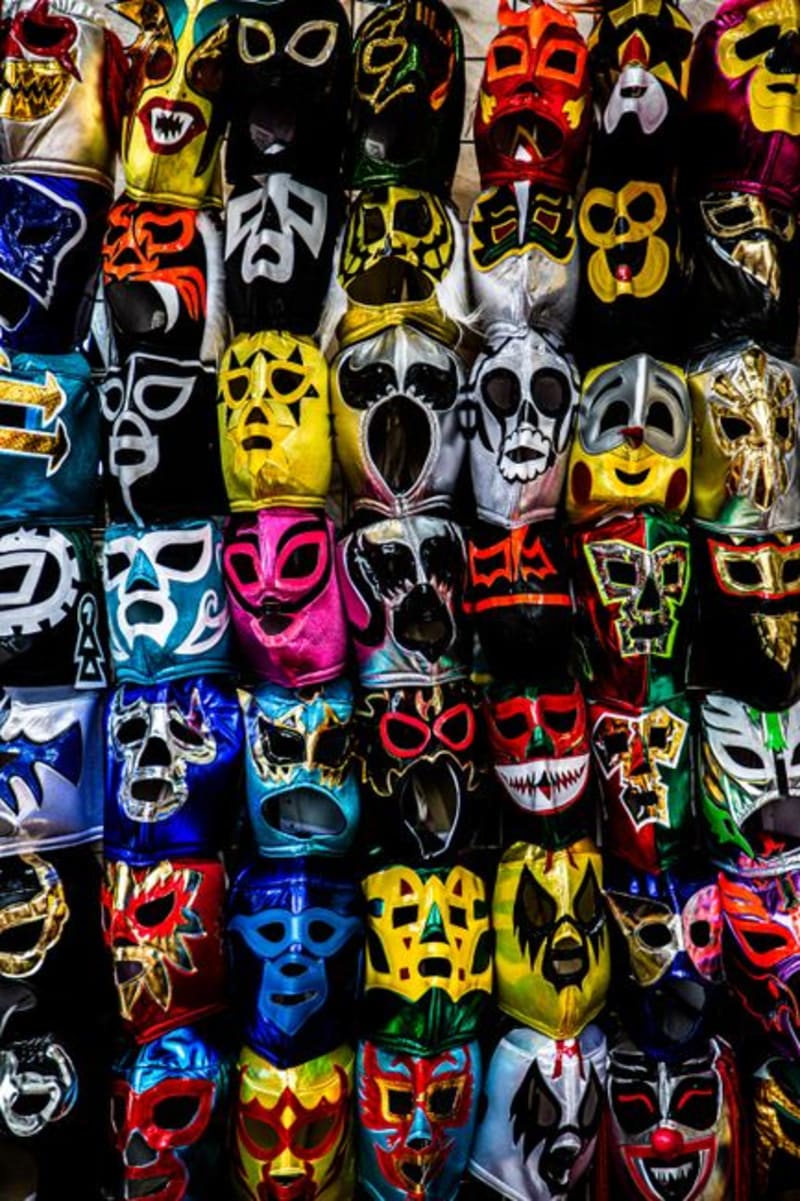 mexico
 Arena México
Every Tuesday and Friday night, the Doctores neighborhood transforms around lucha libre's holiest ground — a squat concrete building that looks like nothing from outside and everything from within. Arena México is where El Santo wrestled, where masks are theological objects, and where the crowd knows every move before it happens and screams for it anyway.
Explore