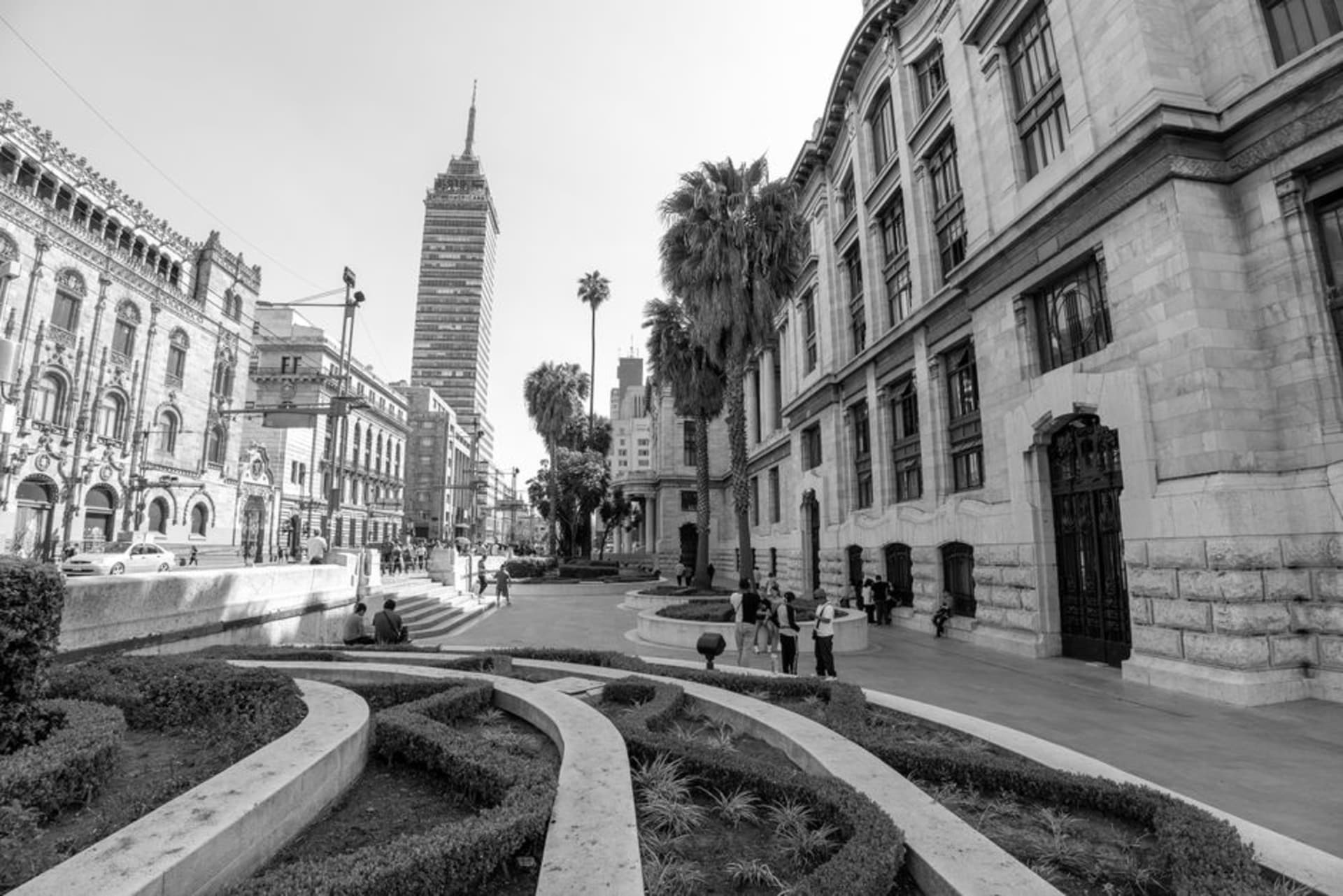
Condesa
"Sitting under a jacaranda in Parque México with an Americano, watching the neighborhood pretend it is still 1938 — I get why people never leave."
Condesa is the neighborhood I keep returning to when I need proof that urban life can be graceful — Art Deco buildings draped in jacaranda, Parque México looping with dogs and joggers, and terrace cafes where the waiter never brings the bill until you ask. It is one of the most livable squares of pavement in this country, and it knows it.

The first time I came to Condesa I was supposed to be somewhere else. I had a meeting in Roma Norte and got the metro stop wrong, surfaced on Ámsterdam instead of Sonora, and found myself walking an oval boulevard lined with the kind of buildings that make you stop mid-stride to count the floors. That was three years ago. The meeting, I think, went fine. The walk down Ámsterdam is what stayed with me — that specific afternoon light filtering through plane trees, the smell of coffee drifting from a place called Ocho y Medio, a couple of terriers straining at their leashes in the direction of the park. I understood, immediately and without needing it explained, why half of Mexico City’s creative class had chosen to live within these twelve or so blocks.
Parque México and the Art of Staying Put
Parque México is an ellipse of greenery that the neighborhood has arranged its whole identity around, and rightly so. On a weekday morning it runs at a pleasant hum — joggers circling the outer path, a man selling tamales from a cart near the art deco fountain, a dense scrum of dogs near the off-leash area where the owners stand around comparing notes. On Saturday it escalates: couples, families, cyclists, a yoga class that seems to have no designated end time. I prefer it midweek, from a table at one of the cafes facing the park along Parque México Avenue. Buna has good filter coffee; Quentin has better pastries. I have spent entire mornings at one or the other, ostensibly working, mostly watching the neighborhood pretend the twenty-first century is still negotiable.

The Food, Which Is Not Cheap and Worth It Anyway
Condesa’s restaurant scene has moved decisively upmarket over the past decade, but the quality generally justifies it. Contramar, on Durango, is worth the wait and the price — the tuna tostadas and the red-and-green grilled fish are as good as the mythology suggests. For something less produced, the taquería on the corner of Tamaulipas and Campeche does carnitas on weekend mornings that are gone by noon. I have made the mistake of arriving at twelve-fifteen. I will not repeat it. Wednesday evenings I tend toward Lalo! on Zacatecas — the chiles rellenos are restrained and precise, and the room fills with a crowd that is clearly having a good time without announcing it loudly.

Wandering Ámsterdam
The oval of Ámsterdam — the former hippodrome track, which explains its shape — is the best walking loop in the city as far as I am concerned. It takes about twenty minutes at an easy pace, more if you stop at the flower stalls near the junction with Michoacán, which you should. The architecture along the way shifts between 1930s French Moderne and the occasional intrusive 1970s block, but the trees win the argument overall. Early evening, when the light goes golden and the cafes start filling up, Ámsterdam does something to your mood that I cannot fully account for. It makes the city feel manageable.

Getting There
Condesa sits between the metro stations Chilpancingo (Line 9) and Patriotismo (Line 9), though neither drops you at the park’s edge — expect a ten-minute walk from either. Metrobús Line 1 stops at Sonora, which is more useful. Uber from Roma Norte or Polanco takes five to ten minutes depending on traffic, which in this city is always the variable.
Keep exploring
More of Mexico City
Keep exploring
More from Mexico City
 mexico
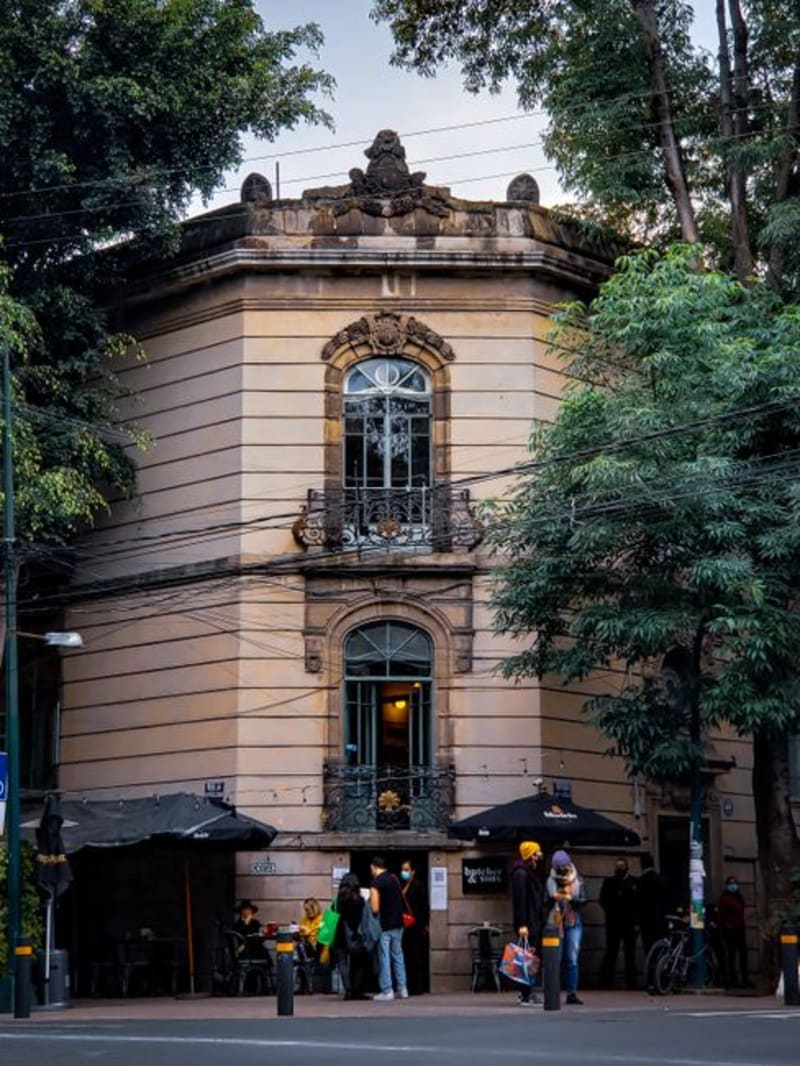
 Colonia Condesa
Art Deco apartment blocks curve around shaded oval parks, terrace cafés run weekend brunch well into the evening, and a food scene that has been among the best in Latin America long enough that the neighborhood has stopped needing to explain itself. This is the CDMX that Europeans imagine before they arrive — and that actually delivers.
Explore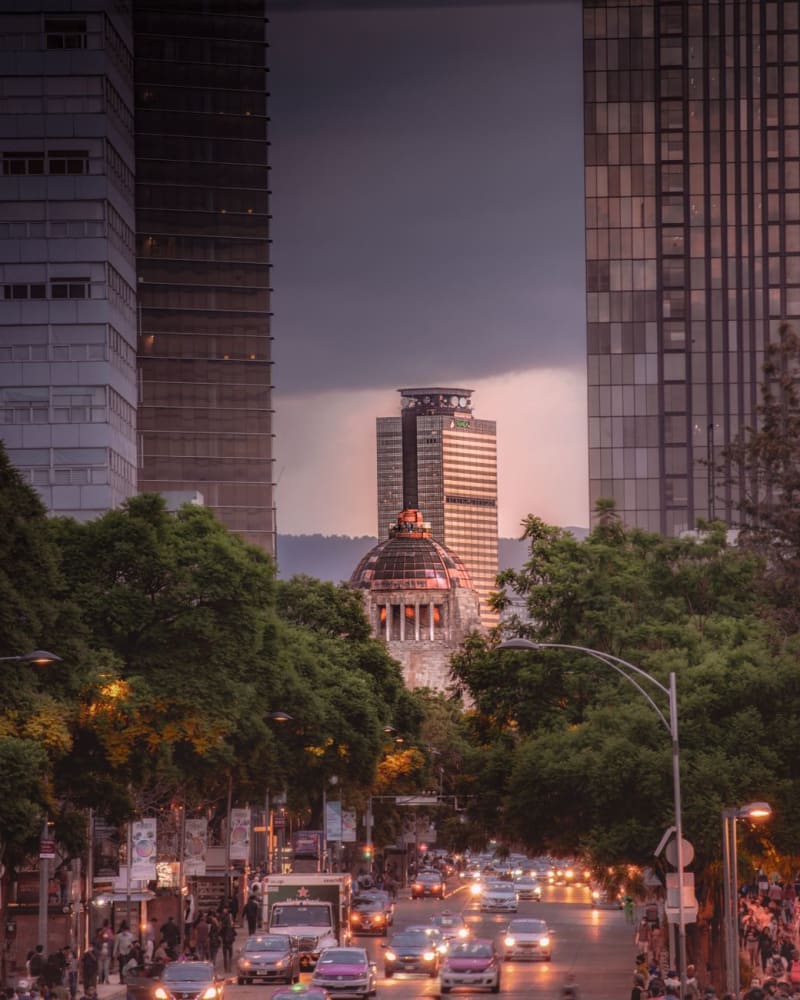 mexico
 Colonia Roma / La Condesa
The arc of Roma Norte, Roma Sur, and La Condesa is where contemporary Mexico City culture is most legibly concentrated — Art Deco buildings from the 1920s expansion, park-centered urbanism, and a density of genuinely interesting restaurants on streets like Orizaba and Álvaro Obregón that I have found nowhere else in the Americas. I have walked these neighborhoods more than any other part of the city and still find something new on almost every visit.
Explore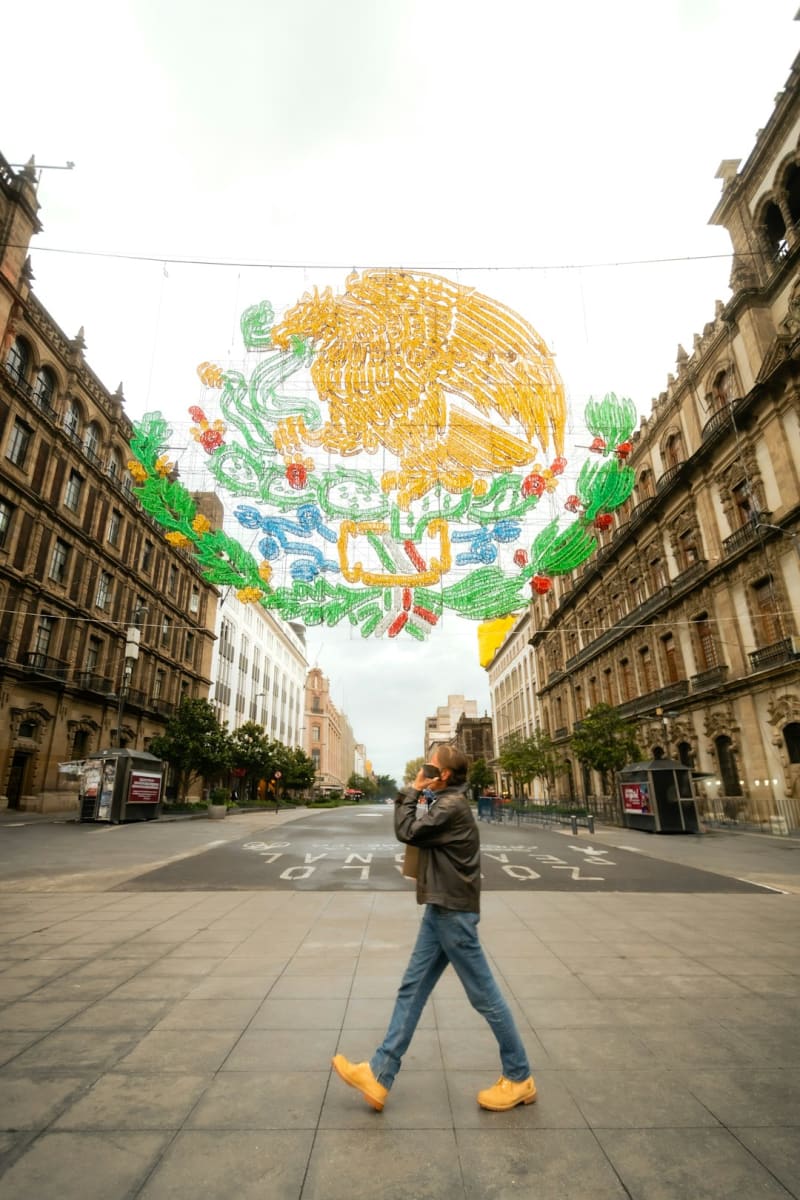 mexico
 Colonia Juárez
Colonia Juárez sits between the glamour of Condesa and the legend of the old Zona Rosa, a neighborhood that has survived every reinvention the city threw at it. The LGBTQ+ community that defined this place for decades is still here, and so are the restaurants on Génova and Londres where you eat dinner at midnight and stay until someone makes you leave.
Explore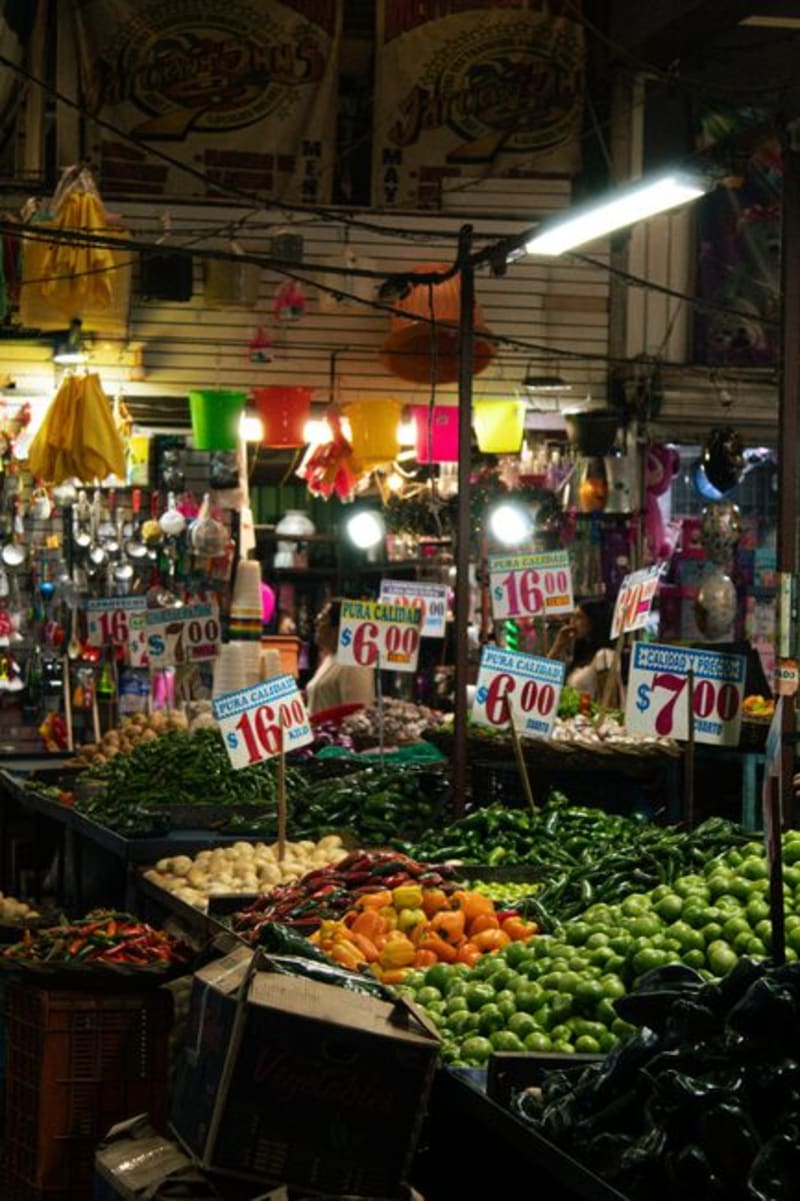 mexico
 Colonia del Valle
Colonia del Valle is what Roma and Condesa looked like before the boutique hotels moved in — wide residential streets, a serious mercado on Eugenio Sue, and torta shops with no signs and no tourists. It is where actual chilangos live, and on a Tuesday morning it shows.
Explore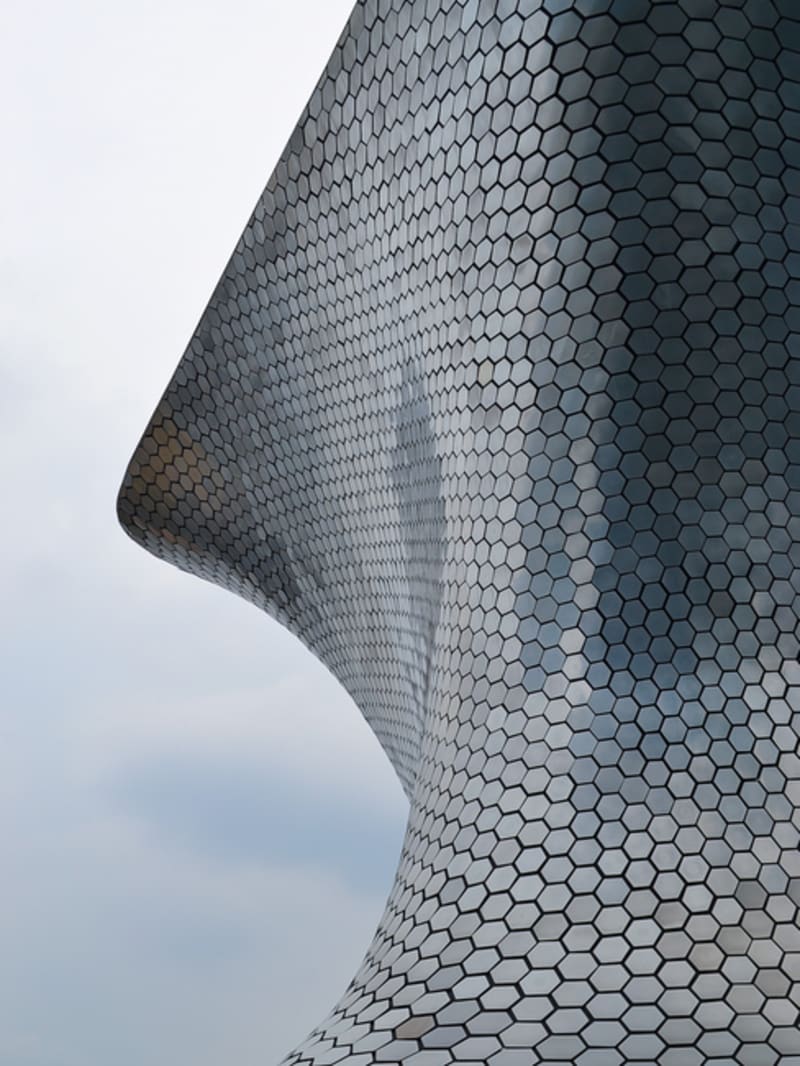 mexico
 Polanco
Polanco is where CDMX puts on its most polished face — wide leafy boulevards, the free Museo Soumaya packed with forty-five thousand pieces of art, and restaurant tables that make you question what country you are in. It is not where I usually end up, but the art is impossible to argue with.
Explore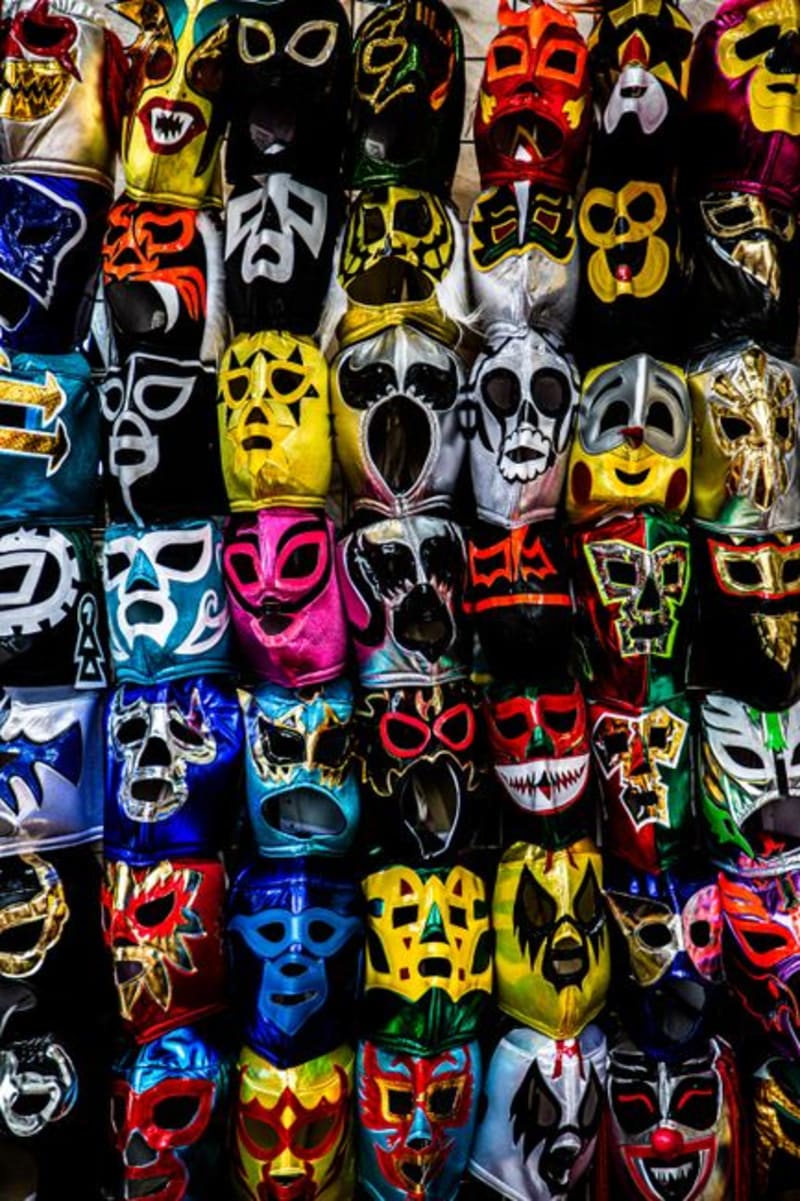 mexico
 Arena México
Every Tuesday and Friday night, the Doctores neighborhood transforms around lucha libre's holiest ground — a squat concrete building that looks like nothing from outside and everything from within. Arena México is where El Santo wrestled, where masks are theological objects, and where the crowd knows every move before it happens and screams for it anyway.
Explore