Colonia Condesa
"The Condesa is what happens when a racetrack becomes a park and a park becomes a neighborhood. The oval is still there. You just eat tacos on it now."
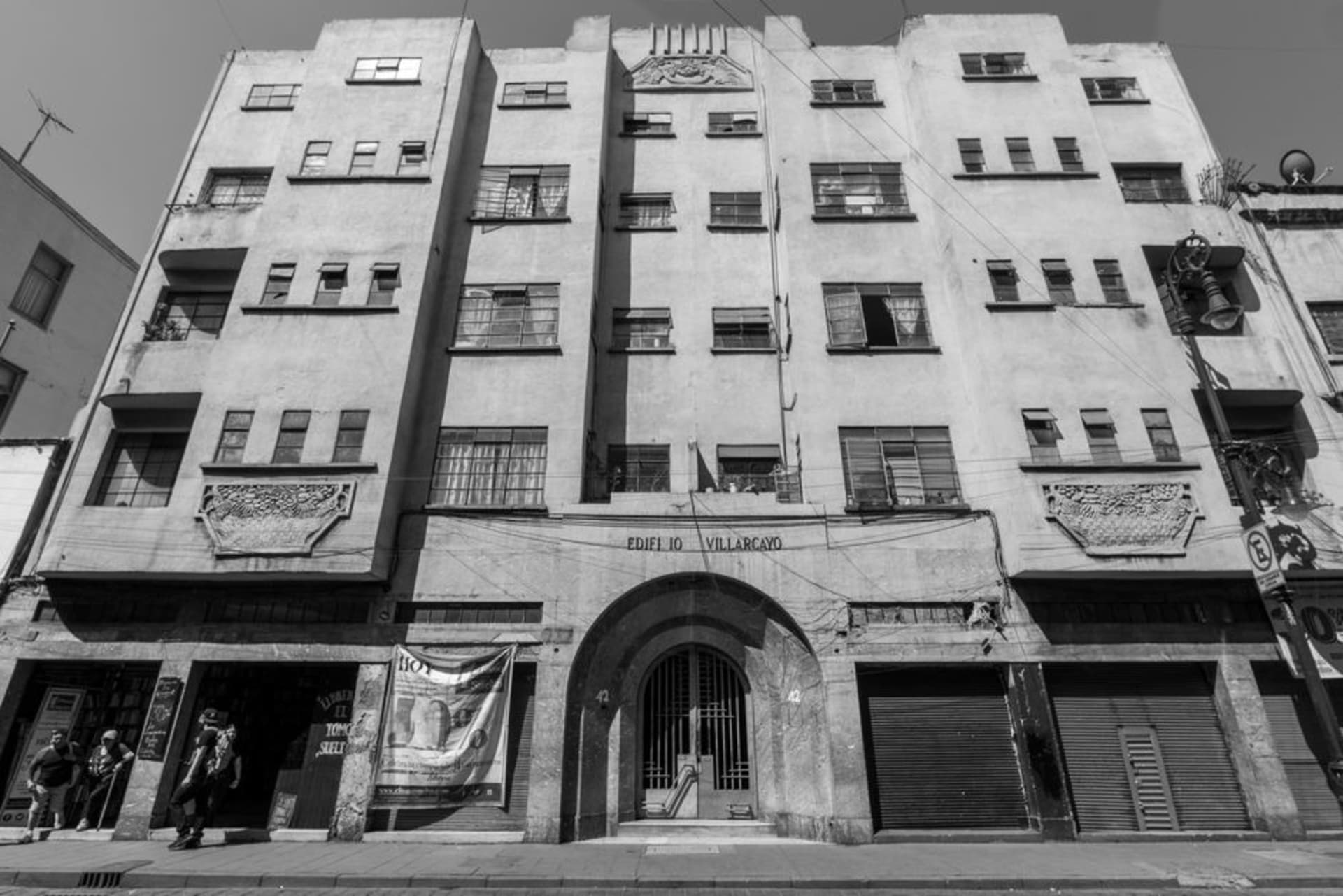
Art Deco apartment blocks curve around shaded oval parks, terrace cafés run weekend brunch well into the evening, and a food scene that has been among the best in Latin America long enough that the neighborhood has stopped needing to explain itself. This is the CDMX that Europeans imagine before they arrive — and that actually delivers.

I came to the Condesa for a weekend and stayed four days without once feeling like I was wasting time. That almost never happens in a city. My first morning I walked the oval of Parque México without knowing it had been a horse-racing track, and I thought: this neighborhood has extraordinary bones. Later I learned it was designed in the 1920s, that the Art Deco curves were intentional, that the ficus trees were planted to close the canopy deliberately. The bones weren’t luck. Someone planned this with uncommon patience.
Parque México and the Street That Runs Around It
Parque México is the axis around which the Condesa arranges itself, and the reason you can spend an entire Sunday there without planning anything. On weekend mornings Ámsterdam Avenue — the elliptical street that traces the old racetrack perimeter — fills with cyclists before the traffic returns. By ten-thirty the tables at Tierra Garat on Orizaba are full, people nursing cortados and watching dogs that are better groomed than most of the humans. The food stalls on the park’s south edge start warming up around the same time: tlayudas, enfrijoladas, fresh fruit with chamoy and Tajín. I ate standing up three mornings in a row and felt no need to apologize for it. The park has a Sunday plant market near the fountain that sells things you couldn’t fit on a plane, which makes browsing it a pleasantly consequence-free activity.
The Restaurants That Made the Reputation
The Condesa’s food scene is old enough now that the restaurants doing the interesting work tend to be second-generation — places opened by chefs who came up in the wave that put CDMX on the international map and then went quieter, more precise. Contramar on Durango is still the benchmark for tuna tostadas and pescado a la talla, the red-and-green-grilled fish that everyone orders and that manages to justify the wait every single time. Around the corner, smaller spots like Lalo! on Zacatecas have been doing excellent weekend brunch since before brunch became a content category. What I appreciate is that the neighborhood has enough confidence not to reinvent itself for each arriving wave of visitors. The menus change with the seasons. The room stays the same.

The Apartment-Block Architecture
The thing nobody tells you about the Condesa is that the buildings themselves are worth looking at slowly. The 1930s and 40s apartment blocks along Tamaulipas and Sonora have curved balconies, ironwork railings, and lobby tilework that gets no foot traffic because everyone who lives there has stopped seeing it. I spent an afternoon photographing façades and felt slightly embarrassed about it, then stopped feeling embarrassed when I realized three other people were doing the same thing. The 1985 earthquake took a significant portion of the old building stock; what survived feels more precious because of it.
Getting There
From Roma Norte, the Condesa is a 15-minute walk down Orizaba or Álvaro Obregón. From the historic center, Metro Chilpancingo (Line 9) or Patriotismo drops you at the edge of the neighborhood in under 30 minutes. Uber is reliable throughout CDMX. The neighborhood is compact enough that once you arrive, you won’t need transport again until you leave.
Keep exploring
More of Mexico City
Keep exploring
More from Mexico City
 mexico
 Condesa
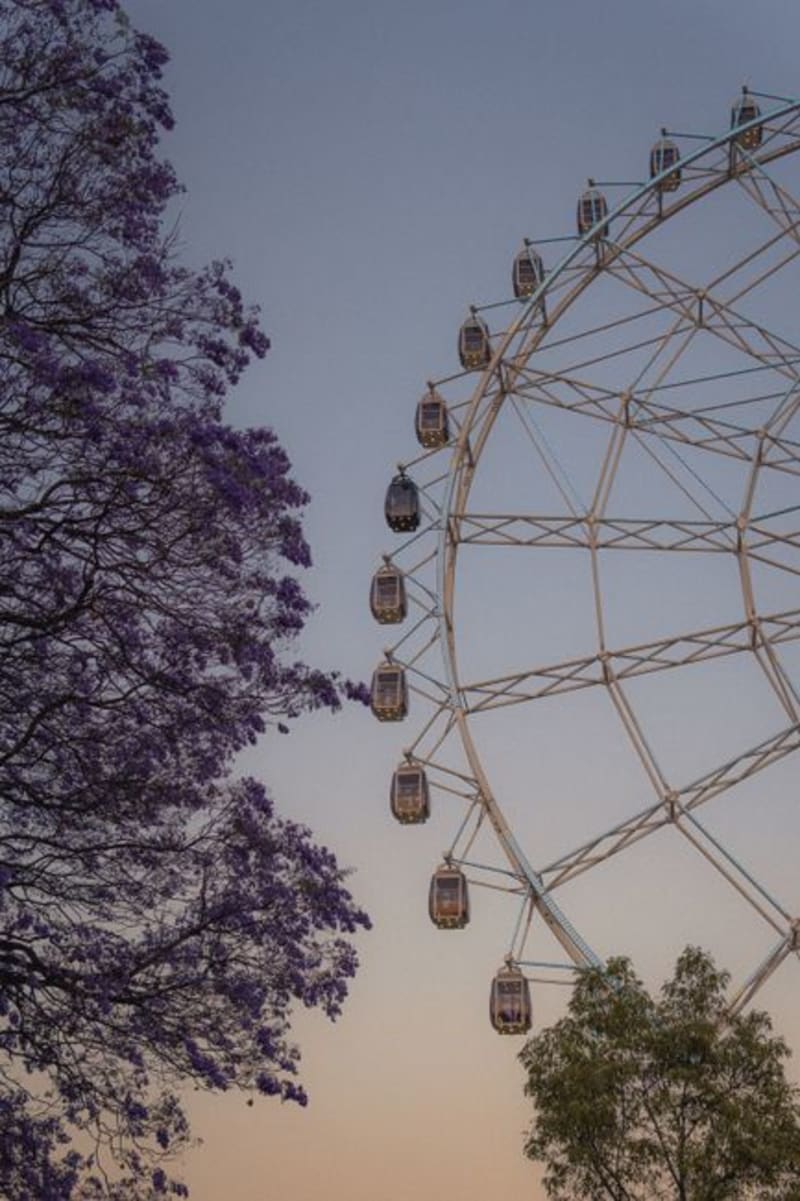
Condesa is the neighborhood I keep returning to when I need proof that urban life can be graceful — Art Deco buildings draped in jacaranda, Parque México looping with dogs and joggers, and terrace cafes where the waiter never brings the bill until you ask. It is one of the most livable squares of pavement in this country, and it knows it.
Explore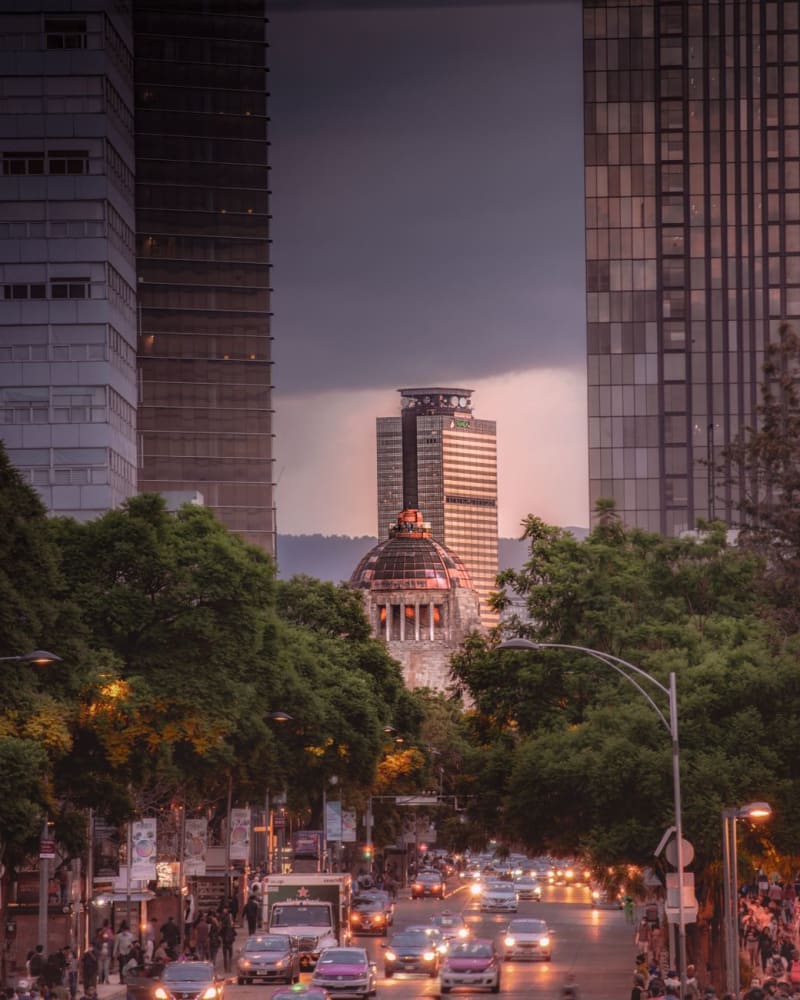 mexico
 Colonia Roma / La Condesa
The arc of Roma Norte, Roma Sur, and La Condesa is where contemporary Mexico City culture is most legibly concentrated — Art Deco buildings from the 1920s expansion, park-centered urbanism, and a density of genuinely interesting restaurants on streets like Orizaba and Álvaro Obregón that I have found nowhere else in the Americas. I have walked these neighborhoods more than any other part of the city and still find something new on almost every visit.
Explore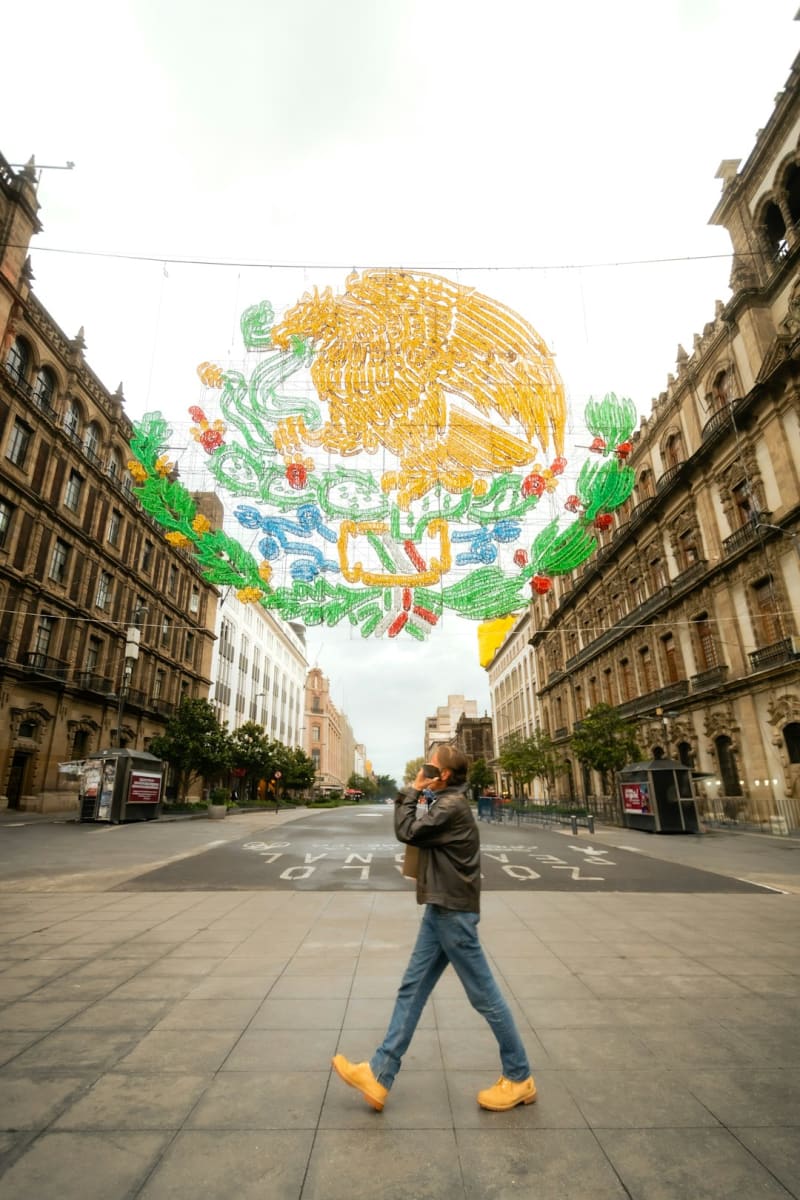 mexico
 Colonia Juárez
Colonia Juárez sits between the glamour of Condesa and the legend of the old Zona Rosa, a neighborhood that has survived every reinvention the city threw at it. The LGBTQ+ community that defined this place for decades is still here, and so are the restaurants on Génova and Londres where you eat dinner at midnight and stay until someone makes you leave.
Explore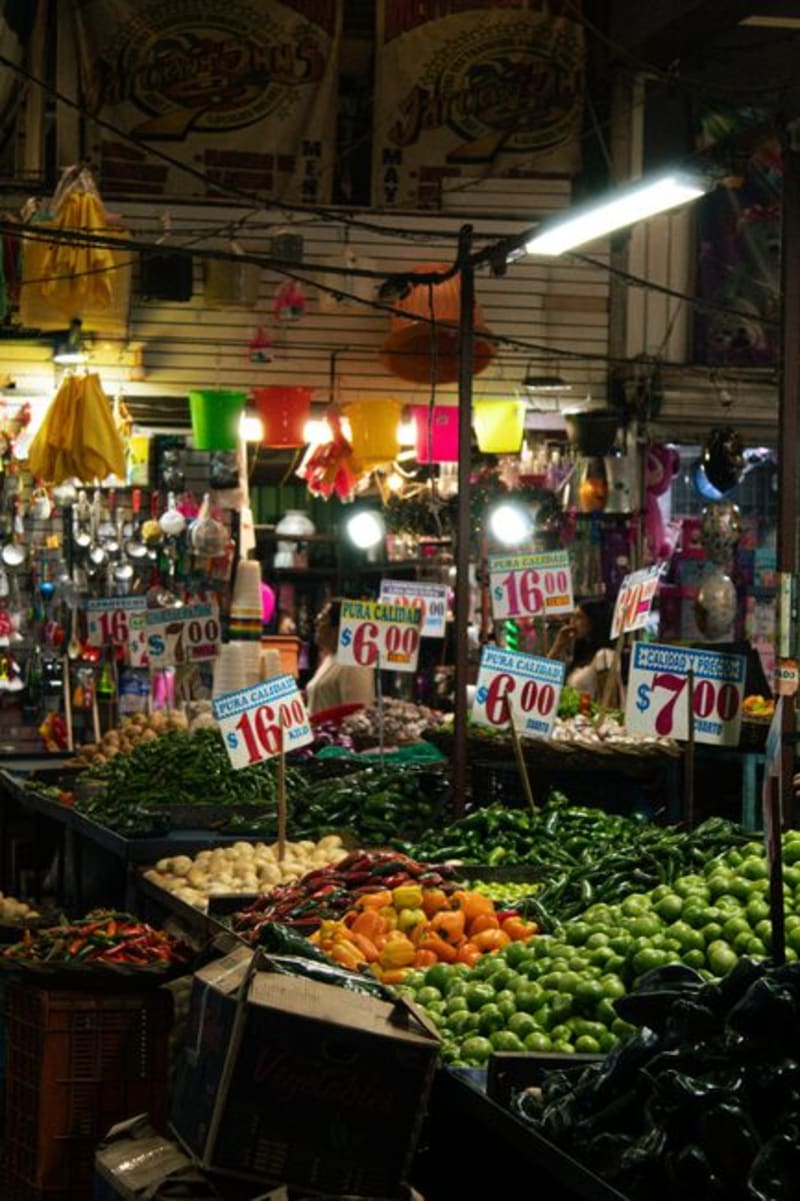 mexico
 Colonia del Valle
Colonia del Valle is what Roma and Condesa looked like before the boutique hotels moved in — wide residential streets, a serious mercado on Eugenio Sue, and torta shops with no signs and no tourists. It is where actual chilangos live, and on a Tuesday morning it shows.
Explore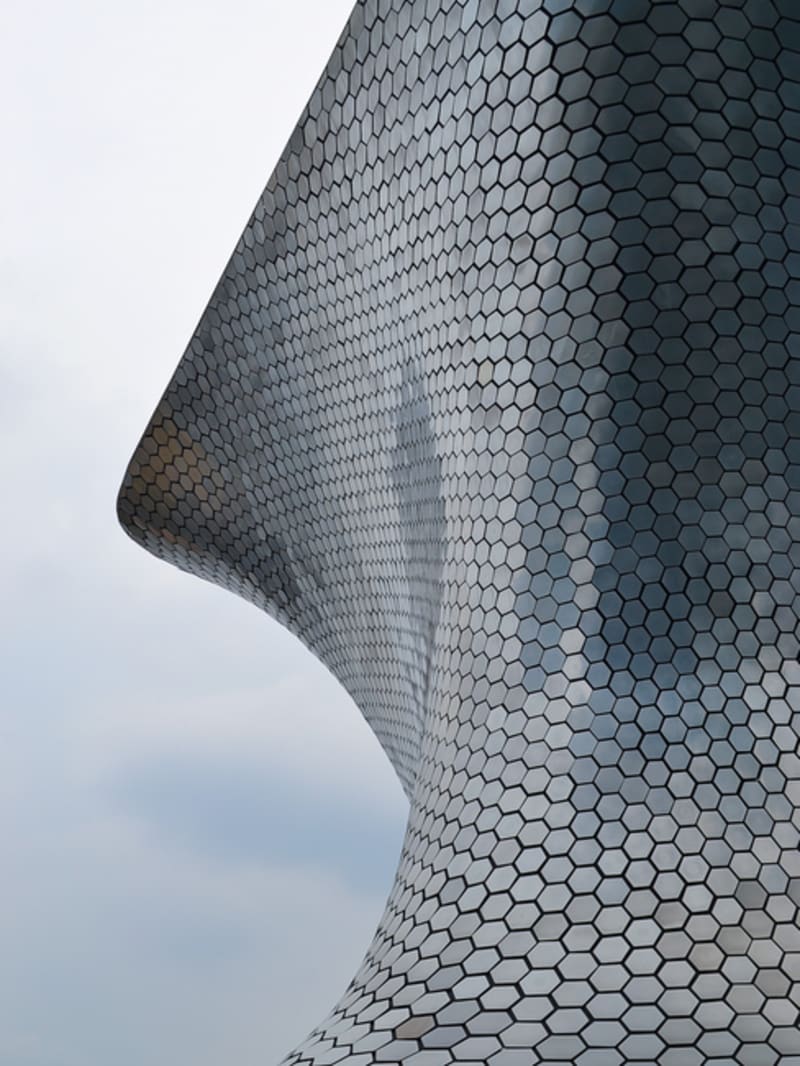 mexico
 Polanco
Polanco is where CDMX puts on its most polished face — wide leafy boulevards, the free Museo Soumaya packed with forty-five thousand pieces of art, and restaurant tables that make you question what country you are in. It is not where I usually end up, but the art is impossible to argue with.
Explore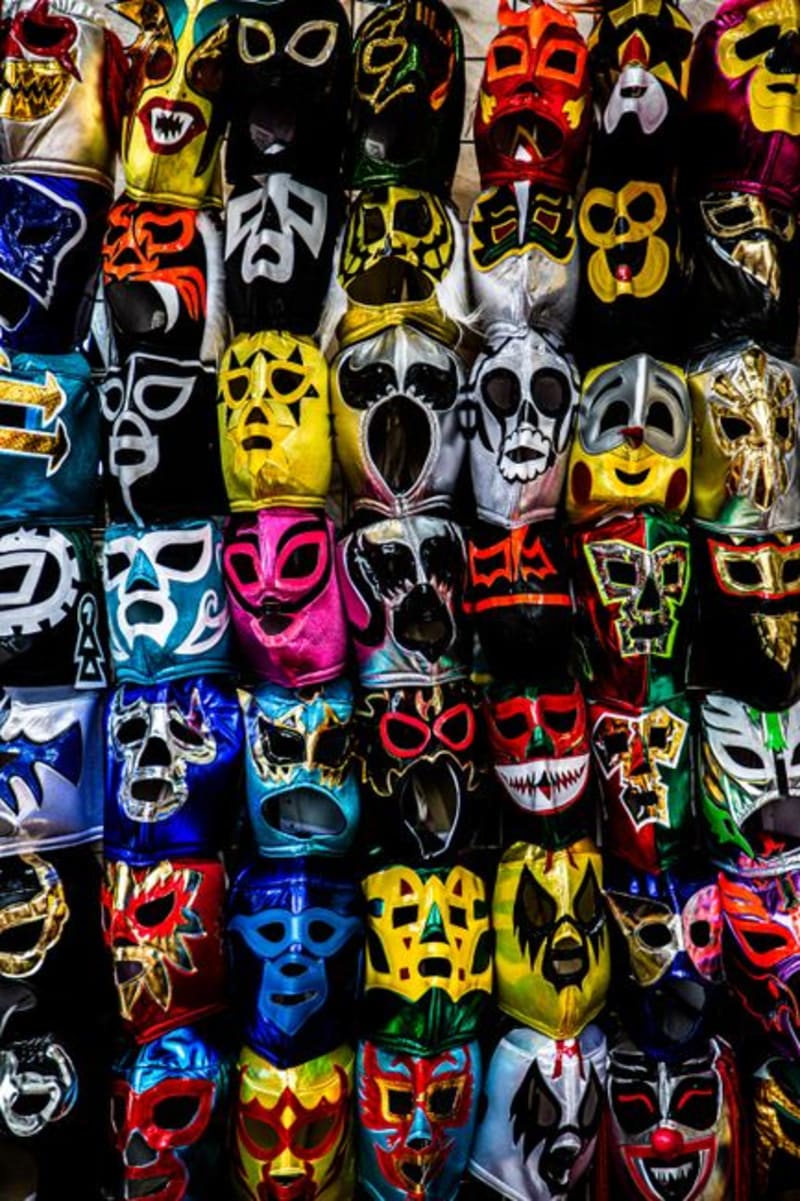 mexico
 Arena México
Every Tuesday and Friday night, the Doctores neighborhood transforms around lucha libre's holiest ground — a squat concrete building that looks like nothing from outside and everything from within. Arena México is where El Santo wrestled, where masks are theological objects, and where the crowd knows every move before it happens and screams for it anyway.
Explore