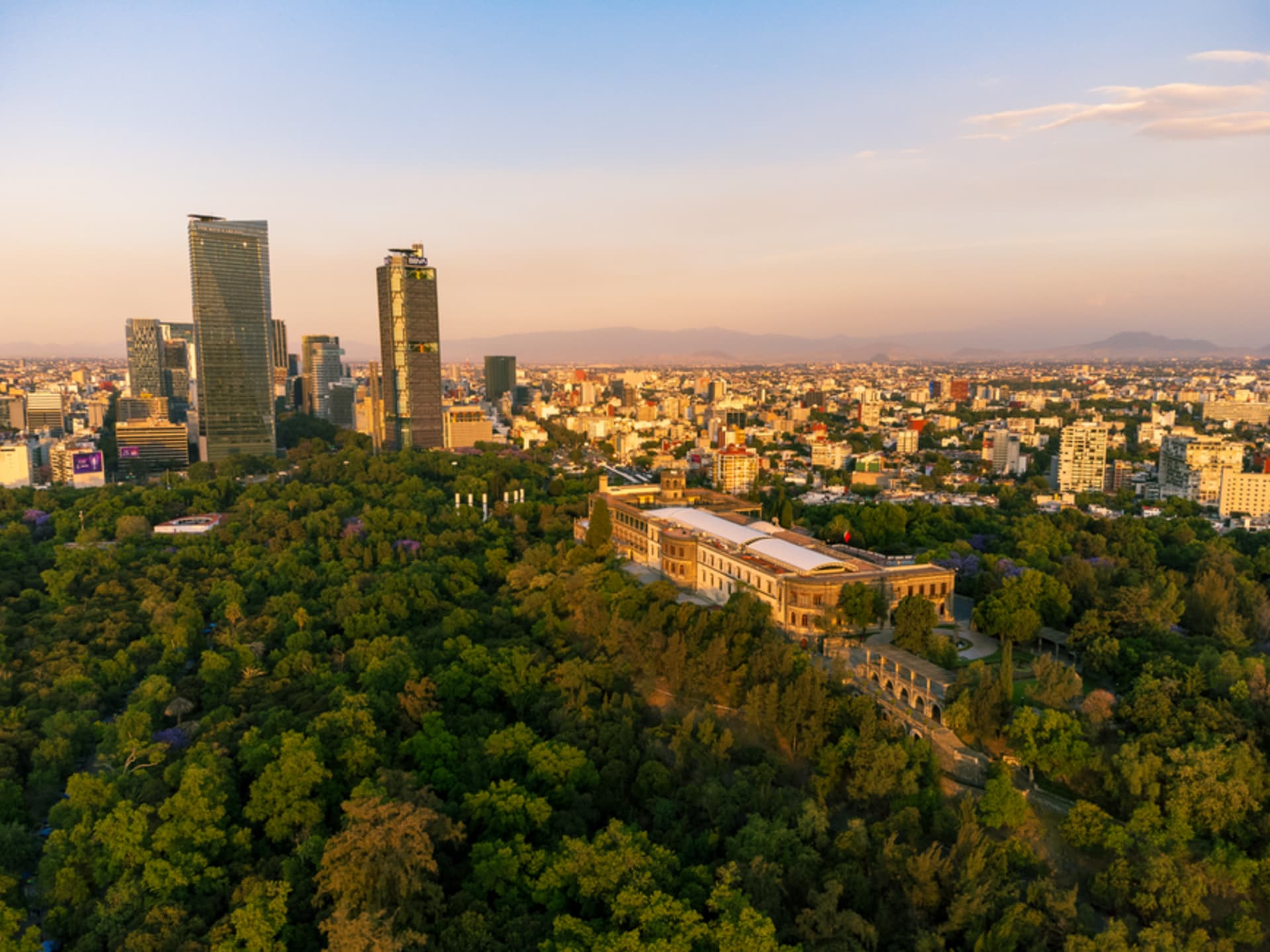
Chapultepec
"Climbing to Chapultepec Castle, you realize Maximilian and Carlota chose the best view in the city — and then lost everything for it."
Chapultepec is a forest inside Mexico City where Aztec sacred ground, a Habsburg castle, and the continent's finest archaeology museum coexist beneath a canopy of ancient ahuehuete trees. On weekdays it belongs to serious museum-goers; on Sundays it belongs to everyone.

The first time I came to Chapultepec on a Sunday, I made the mistake of arriving at eleven. By then the park had already become its own city — lake pedalos queuing at the causeway, cumbia from a speaker somewhere behind the ancient ahuehuete trees, a family eating tlayudas on a plastic tarp twenty meters from what was once Aztec ceremonial ground. I bought a coffee from a wheeled cart near the Constituyentes entrance and stood there thinking: this is what a truly public park looks like. Not manicured. Not curated. Alive.
A Habsburg Folly Above the Treetops
Maximilian of Habsburg arrived in Mexico in 1864 as the French-installed emperor — a detail that, as a Frenchman, I find difficult to fully exonerate myself from. He chose to build his residence here, atop the hill of Chapultepec, and whatever one thinks of Maximilian, his eye for a site was not in question. The castle he and Carlota built commands the whole valley: Popocatépetl on clear mornings, the sprawl of the city in every direction, the forest below absorbing it all in silence.
Today the castle houses the Museo Nacional de Historia, and it is worth the climb for the view alone before you’ve looked at anything inside. The rooms where Maximilian slept, the garden terraces where Carlota took her tea, the murals Siqueiros painted on the curved staircase walls decades later — it layers up strangely, French Second Empire detail meeting Mexican muralism in the same hallway. The line to enter moves quickly on weekday mornings. On Sunday you will wait. The waiting is fine; you have the forest around you.

The Museum That Earns Every Superlative
I say this carefully because I am suspicious of superlatives, but the Museo Nacional de Antropología is the best archaeology museum I have visited anywhere. That includes the Louvre’s antiquities rooms, which I grew up near. The building itself — designed by Pedro Ramírez Vázquez, inaugurated in 1964 — is architecture as argument: a single pillar supports an enormous concrete canopy over the central courtyard, rain falling in a curtain around it. You move between rooms devoted to the Aztec, Maya, Olmec, Zapotec, Toltec, and a dozen other civilizations, each given enough space to be understood rather than merely glimpsed.
The Aztec sun stone — universally but incorrectly called the calendar — sits in its own room at a scale that photographs never prepare you for. The Maya hall contains the reconstructed tomb of Palenque’s Red Queen. There is a room dedicated entirely to the Gulf Coast civilizations that most visitors walk through in eight minutes when it deserves an hour. Give this museum a full morning at minimum. I have spent four hours here and left feeling I was rushing.

The Forest Between the Monuments
Between the castle and the museum, visitors often miss that Chapultepec — bosque is forest — is simply worth walking in. The first section, closest to the metro stop, is the busiest on a Sunday: elotes and esquites vendors, rowboats on the lake, families spread across every square meter of shade. The second section, past Periférico, goes quieter. Paths run through genuine old-growth ahuehuetes, the same trees the Aztecs considered sacred, and on a weekday morning you can walk for half an hour and pass almost no one.
If you need to eat, the terrace restaurant inside the Anthropology Museum is decent and fairly priced — better than it has any obligation to be. Avoid the stands directly outside the castle entrance; they are oriented entirely toward people who won’t return.

Getting There
Chapultepec sits at the western end of Paseo de la Reforma, directly accessible from the Chapultepec metro station on Line 1. From the centro histórico it is twenty minutes by metro or thirty to forty by taxi depending on traffic. The Anthropology Museum is closed Mondays. Sunday entry is free for Mexican nationals, which makes it considerably busier — arrive before ten if you want the main rooms to yourself. The castle is a separate paid ticket.
Keep exploring
More of Mexico City
Keep exploring
More from Mexico City
 mexico
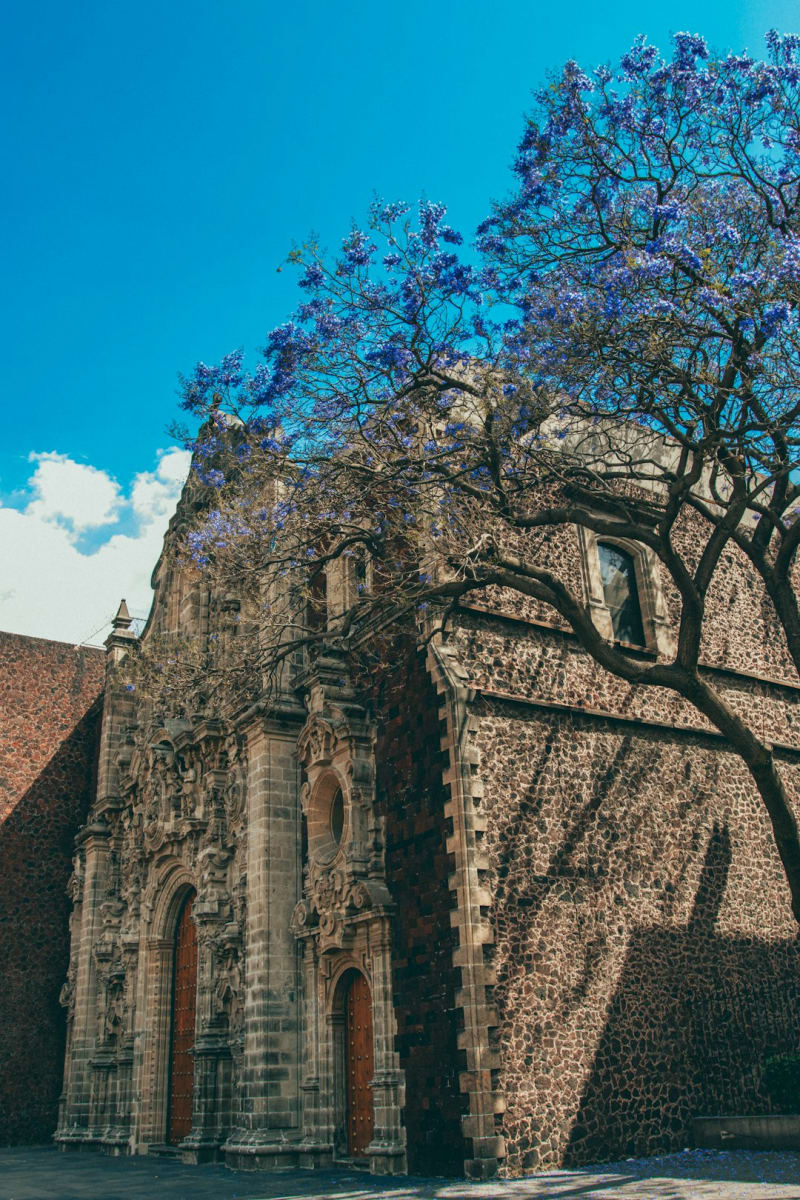
 Ciudad Universitaria
The UNAM campus is a UNESCO World Heritage Site where Diego Rivera and David Alfaro Siqueiros covered the buildings in mosaic and fresco — and anyone can walk in off the street. The sheer democratic audacity of the place takes some getting used to.
Explore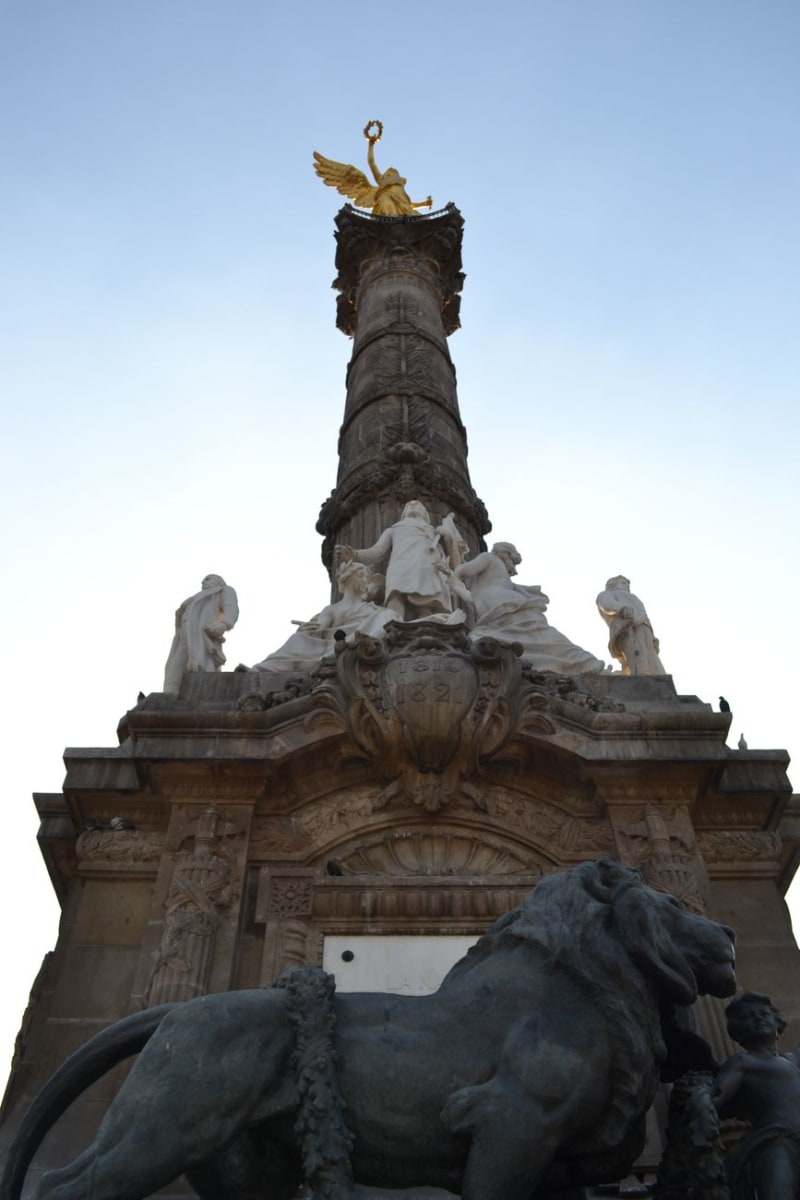 mexico
 San Ángel
A southern Mexico City neighborhood of cobblestone streets and 17th-century haciendas, where the best weekly craft market in the country takes over the plaza every Saturday and the light through the jacarandas feels briefly Parisian — without the pretension.
Explore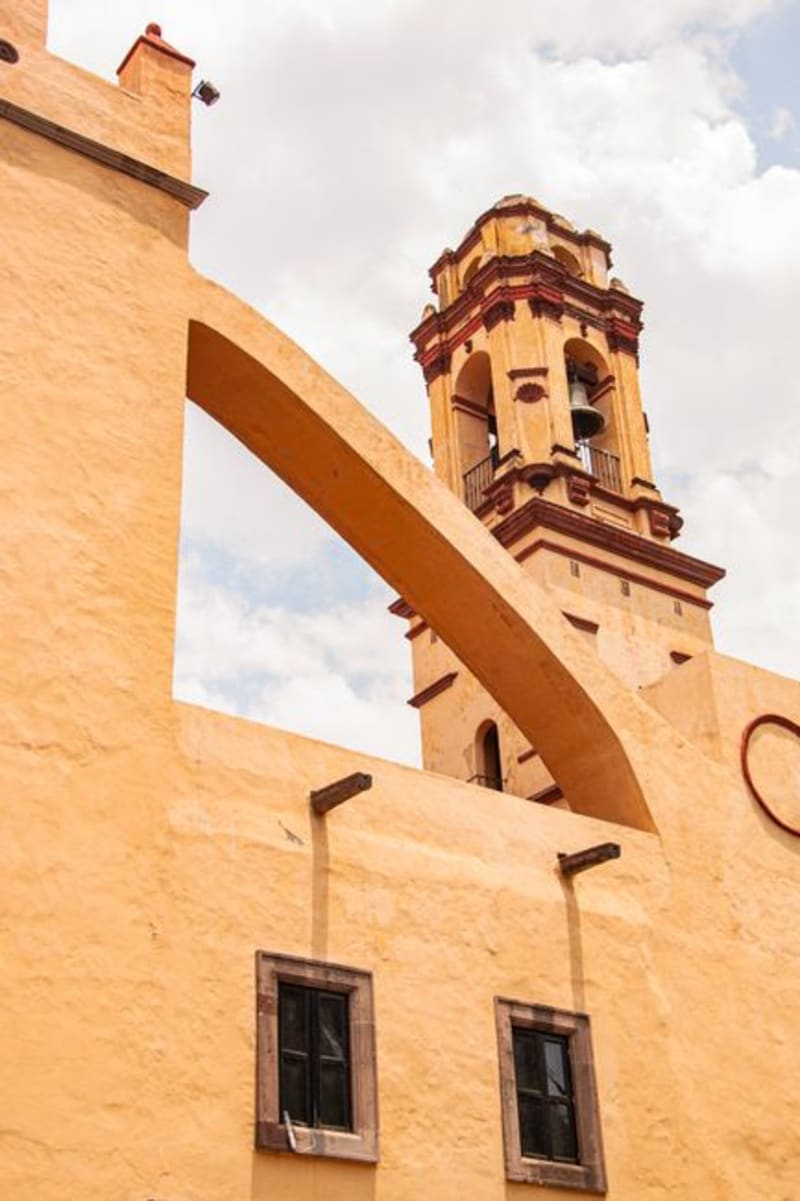 mexico
 Tlalpan
Tlalpan is the southern borough that most visitors drive through without stopping, which is exactly why it still feels like it belongs to itself. A colonial cathedral, unsigned cantinas, and a Saturday market built around serious carnitas make it the most grounded hour you can spend near Mexico City.
Explore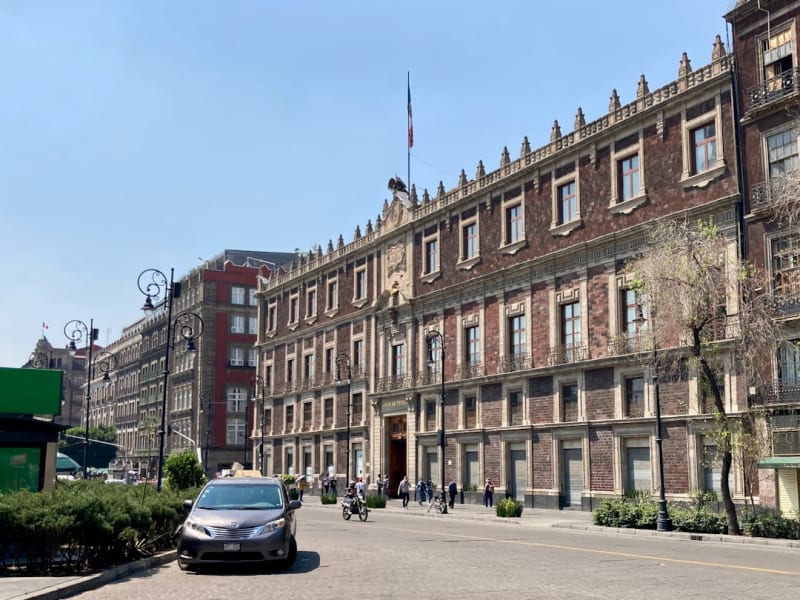 mexico
 Coyoacán
Mexico City's most beloved neighborhood — cobblestoned streets where Frida Kahlo was born and buried, León Trotsky spent his last years, and the best churros in the capital are served at midnight in the central plaza.
Explore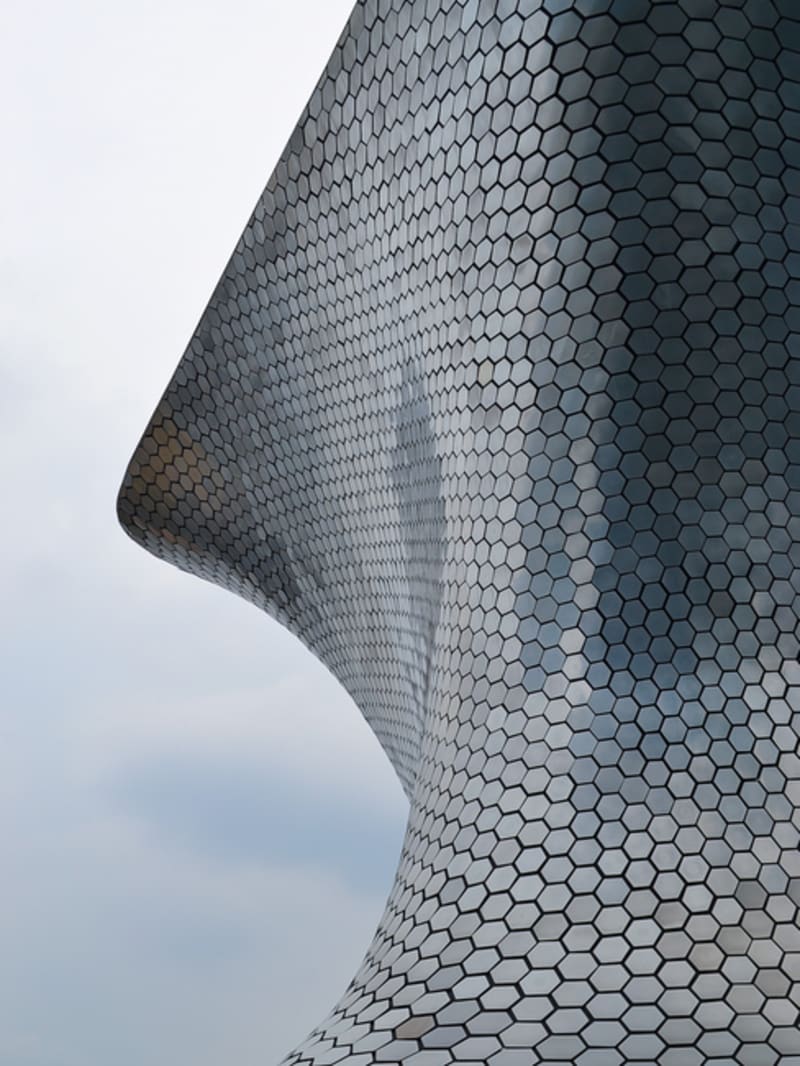 mexico
 Polanco
Polanco is where CDMX puts on its most polished face — wide leafy boulevards, the free Museo Soumaya packed with forty-five thousand pieces of art, and restaurant tables that make you question what country you are in. It is not where I usually end up, but the art is impossible to argue with.
Explore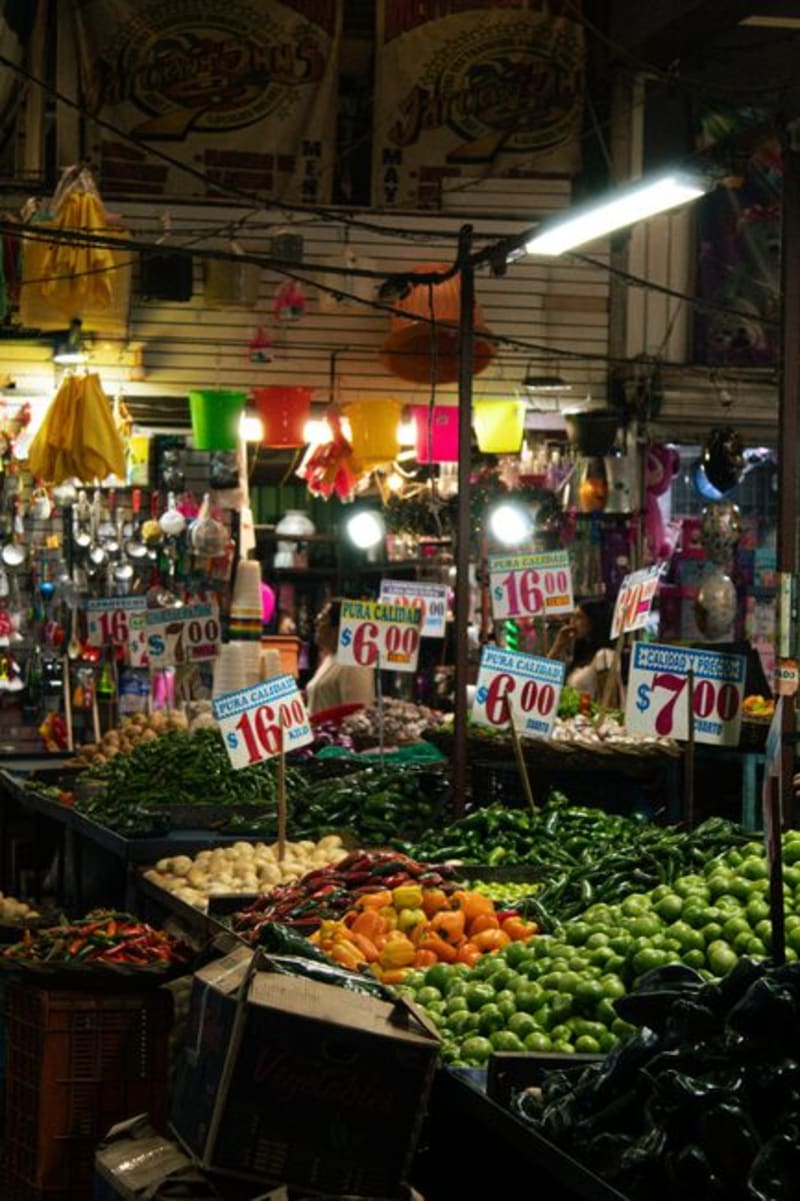 mexico
 Colonia del Valle
Colonia del Valle is what Roma and Condesa looked like before the boutique hotels moved in — wide residential streets, a serious mercado on Eugenio Sue, and torta shops with no signs and no tourists. It is where actual chilangos live, and on a Tuesday morning it shows.
Explore