Barra de Navidad
"The village is on a sand spit. The Pacific is on one side and the lagoon is on the other. You can walk from the ocean to the lagoon in four minutes. In the middle are the taco stands."
A Jalisco coast village on a sand spit between the Pacific ocean and a lagoon, where the beach faces southwest, the pelicans land on the pangas every afternoon, and the lagoon side has the fishing boats and the mangroves and the Grand Bay Hotel that appears to have been dropped into the wrong zip code.

Barra de Navidad is a sand spit settlement on the Jalisco coast between Manzanillo (to the south) and Puerto Vallarta (to the north) that has maintained its fishing village identity despite the presence of the Grand Bay Hotel — a 199-room luxury resort on the lagoon side that serves the marina community of the adjacent Isla Navidad development and that exists in visible incongruity with the palapa-roofed village around it.
The incongruity is not unpleasant. The village has resisted the resort transformation that overtook its neighbors. The main street runs two blocks between the ocean-facing beach and the lagoon-facing fishing harbor; the restaurants are family operations; the guest accommodation is in posadas rather than chains; the beach is used by pelicans as much as tourists.
Hernán Cortés is credited with naming the bay — supposedly anchoring here on Christmas Day (Navidad) in 1535 before the expedition that eventually founded the settlement of Santiago de Compostela further north. Whether the date is accurate or a retroactive naming is disputed; the bay has been called Navidad since the colonial period regardless.
The Beach
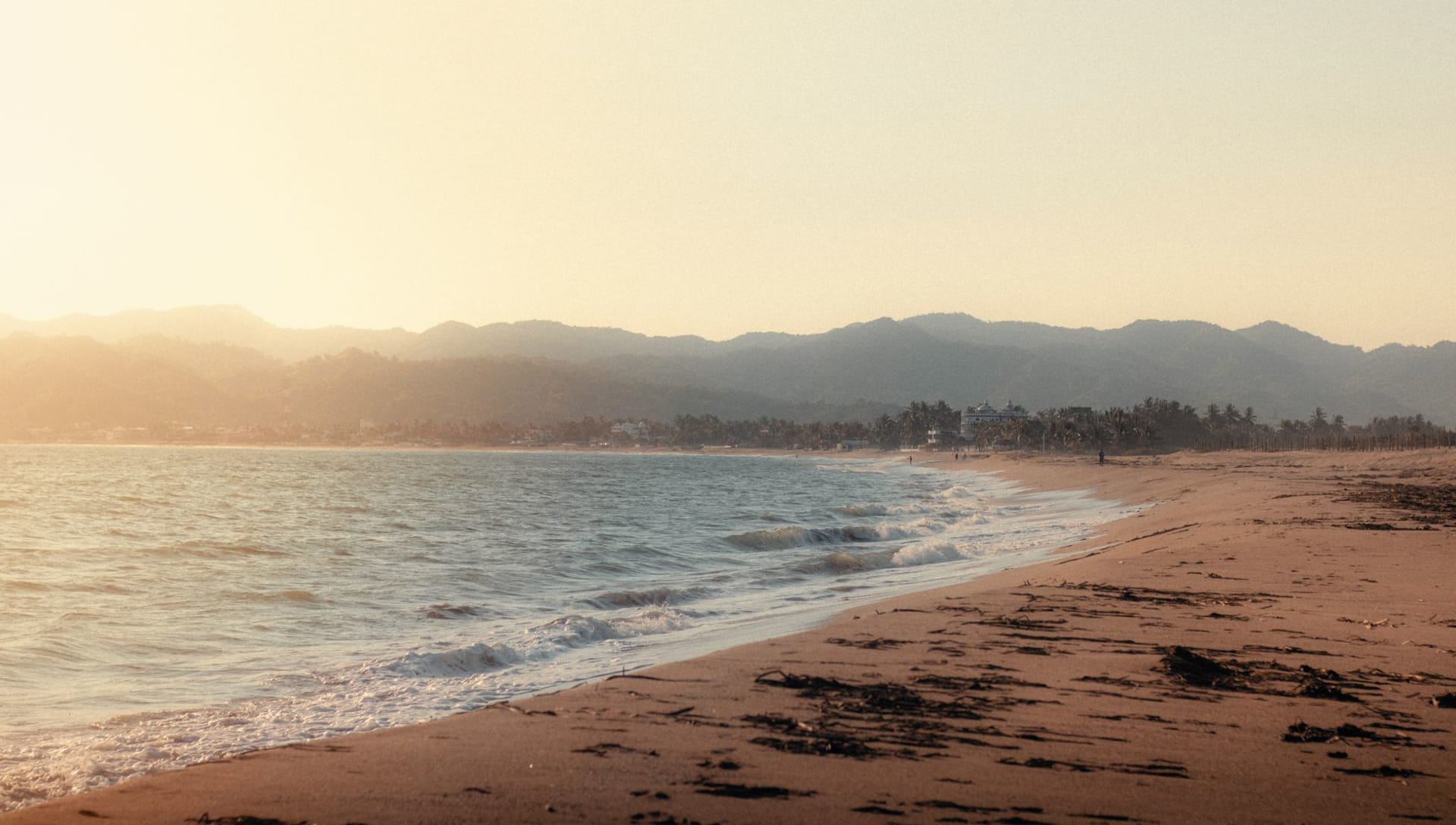
Playa de Barra de Navidad faces southwest — the orientation that catches the late afternoon light directly and creates the extended sunsets for which the Jalisco coast is known. The beach is wide and long, the Pacific swells arriving consistently from the open ocean with a shore break suitable for bodysurf and boogie board but not for swimming in rough conditions. A southern swell in summer produces surfable waves at the northern end of the beach.
The beach vendors: the paleta (fruit pop) cart, the coconut water seller with a machete, the cerveza woman who carries a cooler and charges by the bottle. The same three vendors have been on this beach for decades; their routes and their pricing are local institutions.
The Lagoon
The Laguna de Navidad on the village’s opposite shore is a calm, mangrove-fringed lagoon where the fishing fleet anchors and the water taxis cross to the Isla Navidad resort development on the other bank. The lagoon is navigable by kayak and is the quieter, more atmospheric side of the village — the pelicans that sleep on the panga hulls at dawn, the frigate birds circling over the mangrove edge, the fishing boat engines starting before 5am.
The water taxi service to the Grand Bay Hotel restaurant on Isla Navidad is available to non-guests for dinner — the restaurant is on a floating dock over the lagoon and has the best view of the village and the Pacific from the hotel side. The price difference between the hotel restaurant and the village restaurants is significant; the view from the hotel side justifies one visit.

The Food and the Village Life
The restaurants of Barra de Navidad serve the Jalisco coast tradition: pescado zarandeado (butterflied fish grilled over charcoal), camarones al ajillo (shrimp with garlic), ceviche de camarón with the regional lime and cucumber preparation. The marisquería stalls near the lagoon shore serve these at lunch at prices calibrated for the Mexican family day-trippers from Manzanillo and Guadalajara who are the primary customer base on weekdays.
The village social life concentrates on the central plaza in the evenings — the church, the basketball court where the local team plays on Tuesday and Thursday nights, the ice cream cart that appears at 7pm regardless of season. The visitors who come to Barra de Navidad for the beach and stay for the village energy tend to stay longer than planned.
Colimilla: a smaller village on the lagoon shore accessible only by water taxi from Barra, with a single street of seafood restaurants serving fresh oysters and the lagoon catch. The oysters from the Colimilla beds are farmed in the lagoon; the ceviche uses them raw with the standard Jalisco condiments. The water taxi ride across is 10 minutes and costs 30 pesos.

Getting there: Bus from Manzanillo (1h) or Guadalajara via Autobuses de Occidente (4h). First-class buses stop in the neighboring town of Melaque (2km from Barra); local taxis connect them. The sand spit means no through traffic — the village is a terminus, not a pass-through.
When to go: November through April for dry season and calm Pacific. December and January are the most pleasant months and the most popular. July through October brings humidity and the possibility of tropical storms; the beach and village are accessible but the weather is less reliable.
Keep exploring
More of Jalisco
Keep exploring
More from Jalisco
 mexico
 La Manzanilla
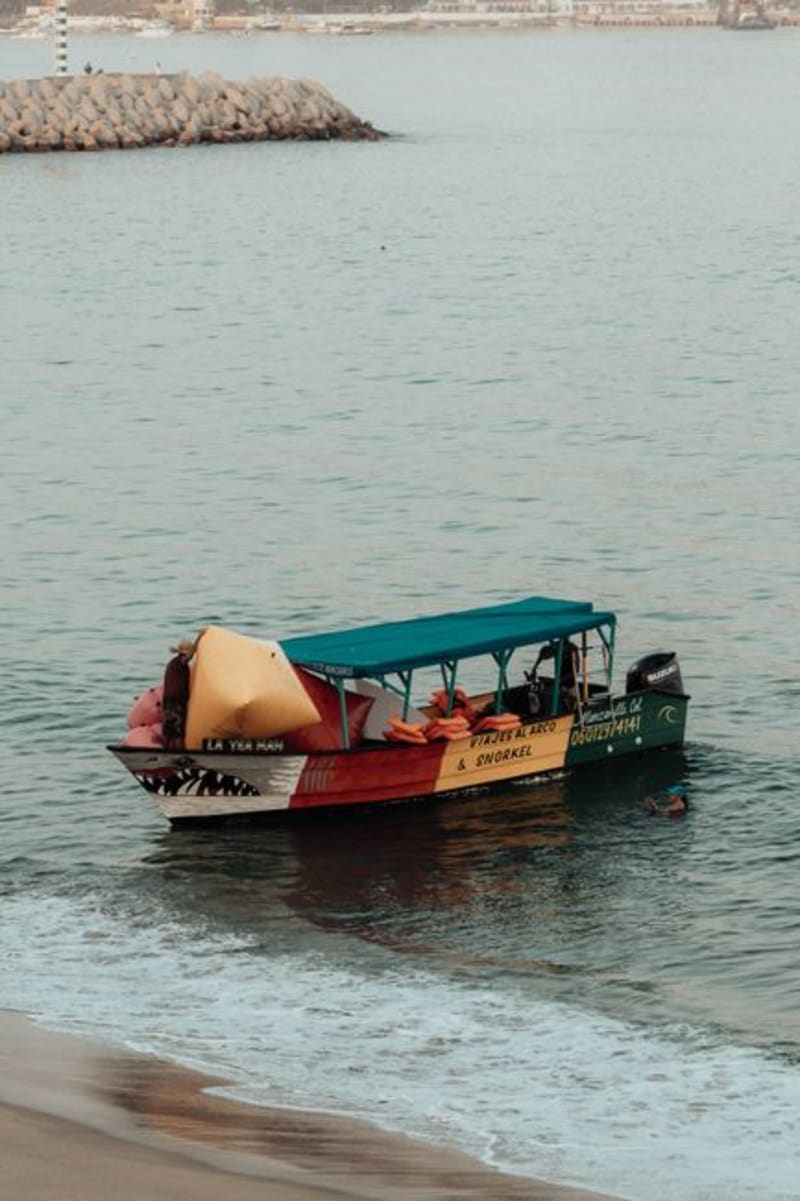
A small fishing village on Jalisco's Costa Alegre where the road in is just difficult enough to keep visitor numbers honest — one main street, a mangrove lagoon with crocodiles that locals regard with practiced indifference, and a bay quiet enough to hear the swell arrive.
Explore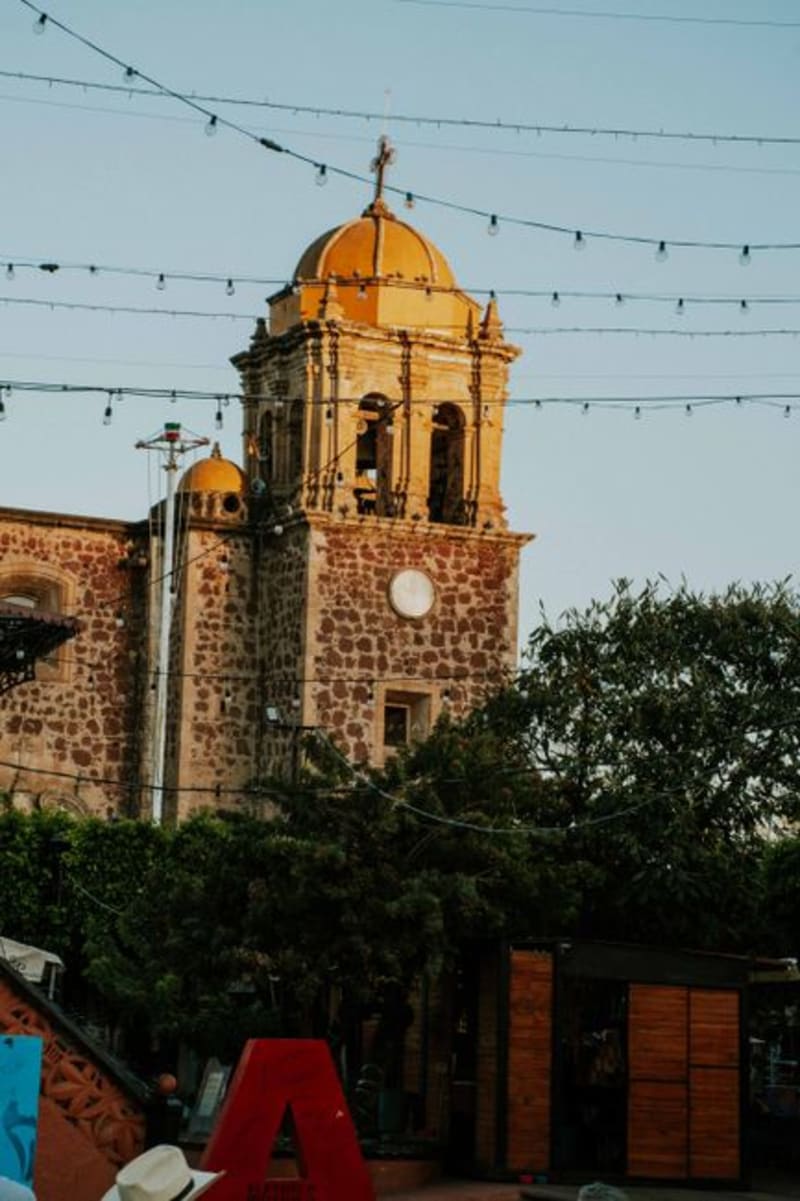 mexico
 Autlán de Navarro
Autlán de Navarro is a sierra town in southern Jalisco that most visitors encounter by accident — if they encounter it at all. It happens to be Carlos Santana's birthplace, the colonial center is quietly handsome, and the surrounding hills produce a raicilla that tastes like somewhere very specific.
Explore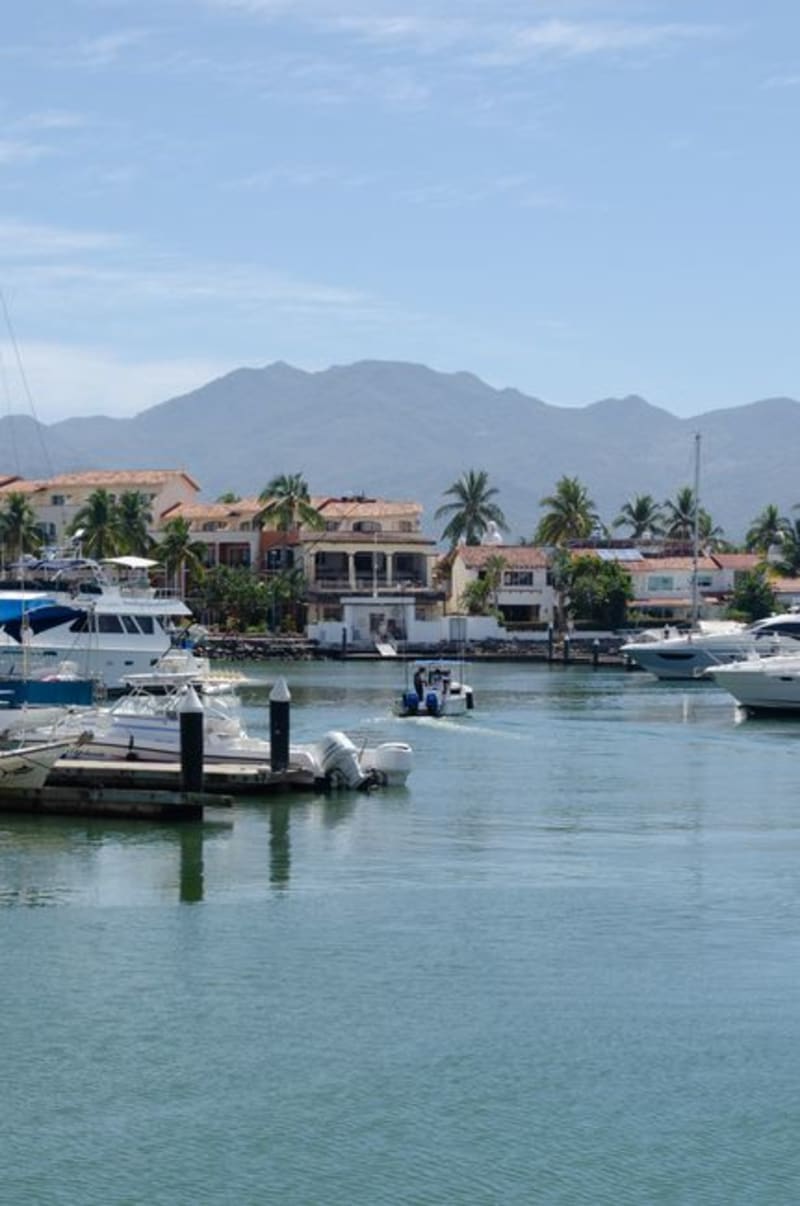 mexico
 Tomatlán
A small agricultural town at the feet of the Sierra Madre where mango groves and coconut palms run down to the Costa Alegre, one of the most unvisited coastlines in all of Mexico. Tomatlán moves at the pace of its own heat — unhurried, productive, indifferent to tourism in the best possible way.
Explore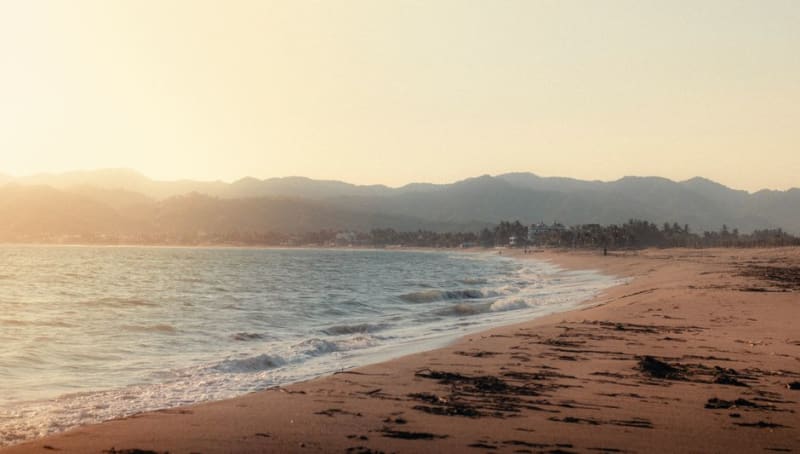 mexico
 Tomatlán
Most surfers blow past Tomatlán chasing Sayulita or Punta Mita, which is exactly why the wild coast west of this river town still belongs to those who know. Long empty beaches backed by jungle, zero condominiums, and waves that nobody is fighting you for.
Explore mexico
 San Gabriel
A small town in the southern Jalisco sierra where Juan Rulfo was born — the man who wrote Pedro Páramo and gave Mexico its literary soul. The silence here is the same silence he put on the page, and standing in the plaza, that feels less like a coincidence than a proof.
Explore mexico
 Talpa de Allende
A pilgrimage town tucked into the Sierra Occidental, where millions come each year to see a tiny wooden Virgin and end up staying longer than planned — drawn in by the gorditas, the cool mountain air, and streets that feel built for walking slowly.
Explore