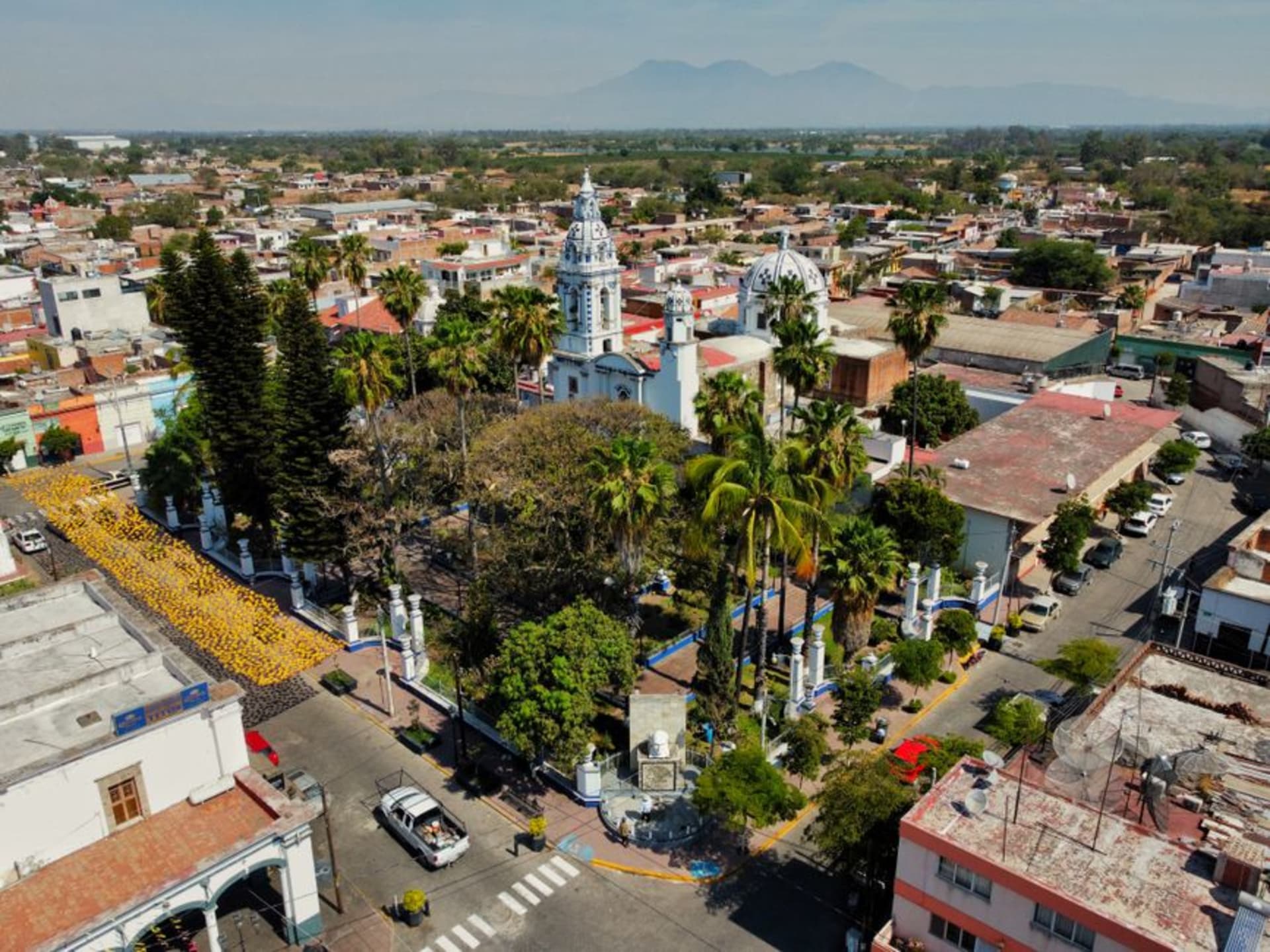
Autlán de Navarro
"Finding Santana's birthplace by accident — a mural, then a small museum, then a very proud taxi driver explaining the whole story — was exactly the kind of travel moment I came to Mexico for."
Autlán de Navarro is a sierra town in southern Jalisco that most visitors encounter by accident — if they encounter it at all. It happens to be Carlos Santana's birthplace, the colonial center is quietly handsome, and the surrounding hills produce a raicilla that tastes like somewhere very specific.

I was somewhere between Colima and the coast, looking for a place to break the drive, when a mechanic in Jiquilpan mentioned Autlán the way locals mention places they assume everyone already knows. Colonial center, he said. Sierra views. Good birria. I arrived late afternoon, parked near the jardín, and it was only walking down Calle Independencia that I saw the mural — a burst of deep blues and guitar necks and a face that took about three seconds to place. Carlos Santana. Born here. Of course he was.
A Mural, a Museum, and a Taxi Driver
The thing about discovering a famous birthplace by accident is that everyone in town assumes you already knew. The taxi driver who found me photographing the mural near the Palacio Municipal looked genuinely puzzled when I admitted I hadn’t made the connection until five minutes earlier. He spent the next twenty minutes — unprompted, unmetered — explaining the whole arc: Santana born in Autlán in 1947, family moved to Tijuana when he was a boy, then San Francisco, then Woodstock, then everything. There’s a dedicated room in the Casa de la Cultura on the main plaza — photographs, newspaper clippings, a replica of the iconic lightning bolt guitar. Modest by any international standard, but the pride behind it is not. The colonial center beyond the museum is quietly beautiful on its own terms: the Parroquia de Santiago Apóstol anchoring one end of the square, the arcaded streets running off it in both directions, the faded ochre and terracotta of buildings that have been standing longer than the nation that contains them.

The Market and What You Eat There
The Mercado Municipal opens early and stays busy until midday, which is the correct window if you want birria rather than whatever’s left. Jalisco birria — beef or goat slow-braised in a dried chile broth, served in a bowl or folded into corn tortillas with raw white onion and lime — is the reason to eat breakfast twice. I had mine at a stall in the back corner run by a woman who had been there since six and was not remotely interested in my questions about the recipe. Fair enough. The produce section sells chiles I couldn’t identify, which is always a good sign, and the cheese vendors carry a crumbly fresh añejo from somewhere up in the sierra that I bought more of than I could reasonably carry. The market empties fast; be there by nine.

Raicilla and the Sierra Hills
The surrounding sierra doesn’t produce tequila — that’s the flatlands to the north — but it does produce raicilla, Jalisco’s rougher, older cousin, made from agave varieties that don’t appear in many other places. A tienda on the street behind the church sells unlabeled local bottles from a family operation about forty minutes up into the hills. I bought two. One tasted of smoke and dry grass; the other had something almost floral underneath the heat. A man in the shop mentioned the family had been making it for five generations, long before raicilla had any commercial recognition outside the region. That felt about right. Autlán is the kind of town that has been quietly doing its own thing for a very long time, Santana notwithstanding.

Getting There
Autlán is roughly three and a half hours from Guadalajara by car via the free road through Ciudad Guzmán — the toll route is faster, but the libre gives you the sierra. ETN and Primera Plus run buses from Guadalajara’s old central terminal. There is no train. One night is enough to see the town properly; two nights if you plan to go up into the hills for raicilla.
Keep exploring
More of Jalisco
Keep exploring
More from Jalisco
 mexico
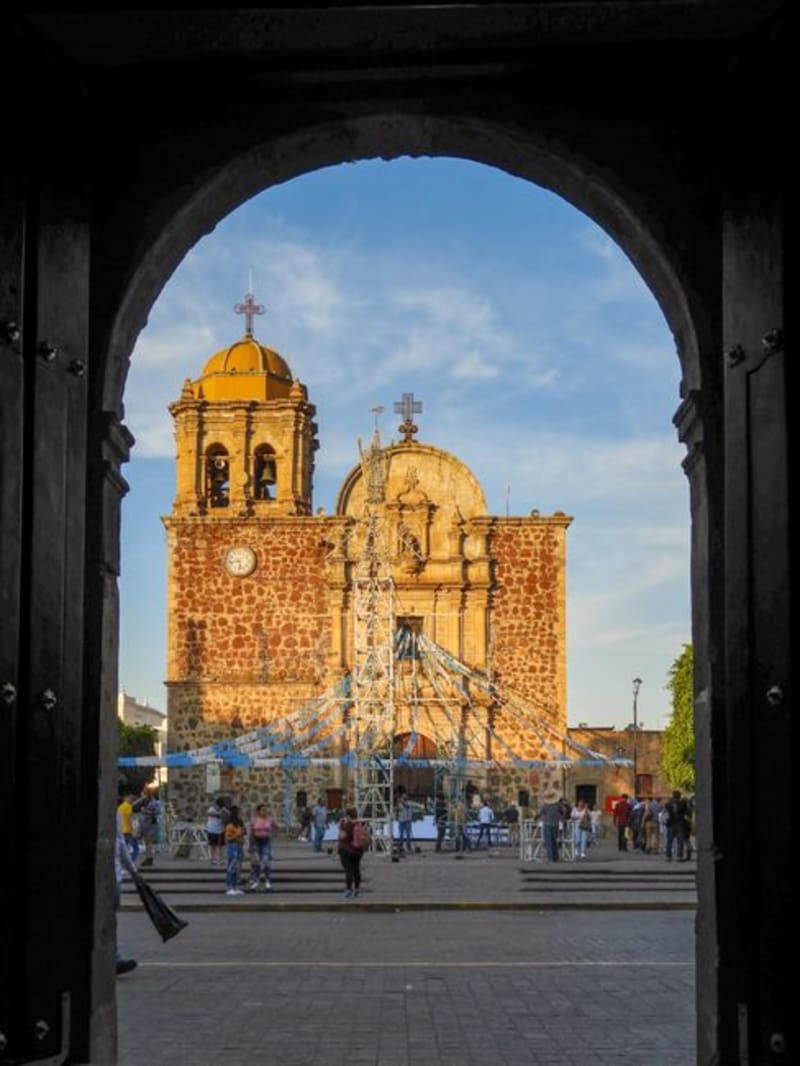
 San Gabriel
A small town in the southern Jalisco sierra where Juan Rulfo was born — the man who wrote Pedro Páramo and gave Mexico its literary soul. The silence here is the same silence he put on the page, and standing in the plaza, that feels less like a coincidence than a proof.
Explore mexico
 Tapalpa
A Jalisco highland pine forest town at 2,000 meters where the weekend escape from Guadalajara has created a village of white buildings and red rooftiles, wool rugs woven in a tradition brought by the Spanish, and a landscape of volcanic rock formations called the Piedrotas that appear to have been arranged by someone with too much time.
Explore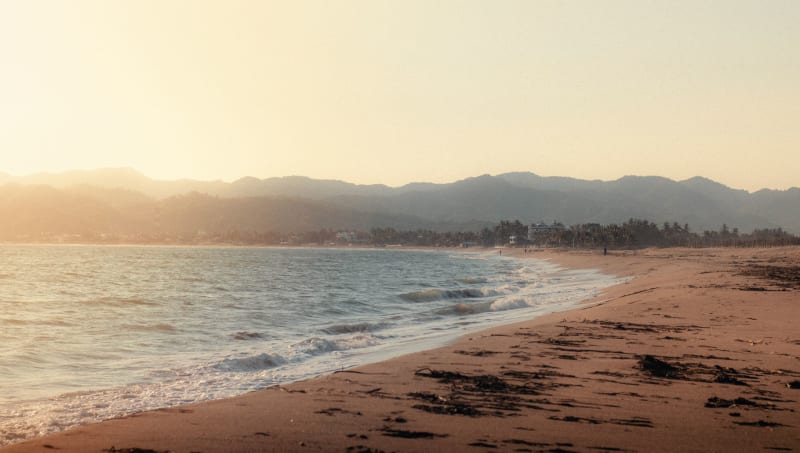 mexico
 Barra de Navidad
A Jalisco coast village on a sand spit between the Pacific ocean and a lagoon, where the beach faces southwest, the pelicans land on the pangas every afternoon, and the lagoon side has the fishing boats and the mangroves and the Grand Bay Hotel that appears to have been dropped into the wrong zip code.
Explore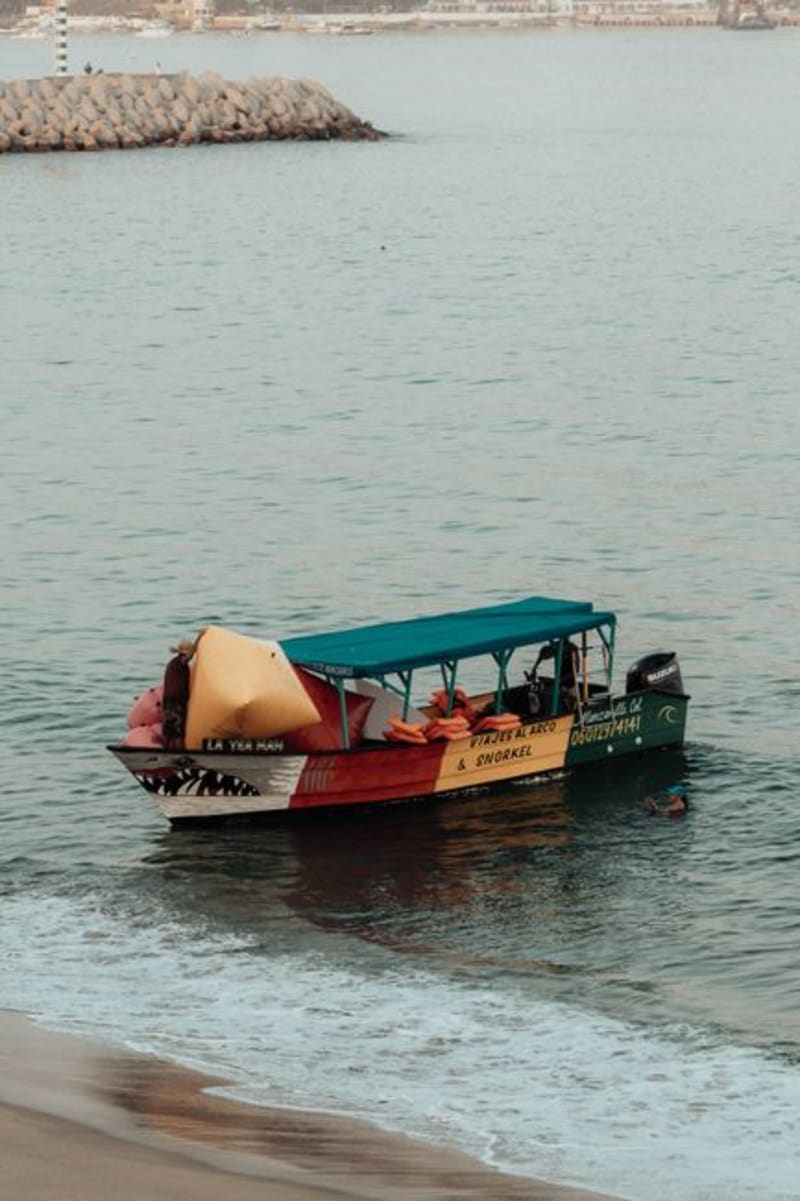 mexico
 La Manzanilla
A small fishing village on Jalisco's Costa Alegre where the road in is just difficult enough to keep visitor numbers honest — one main street, a mangrove lagoon with crocodiles that locals regard with practiced indifference, and a bay quiet enough to hear the swell arrive.
Explore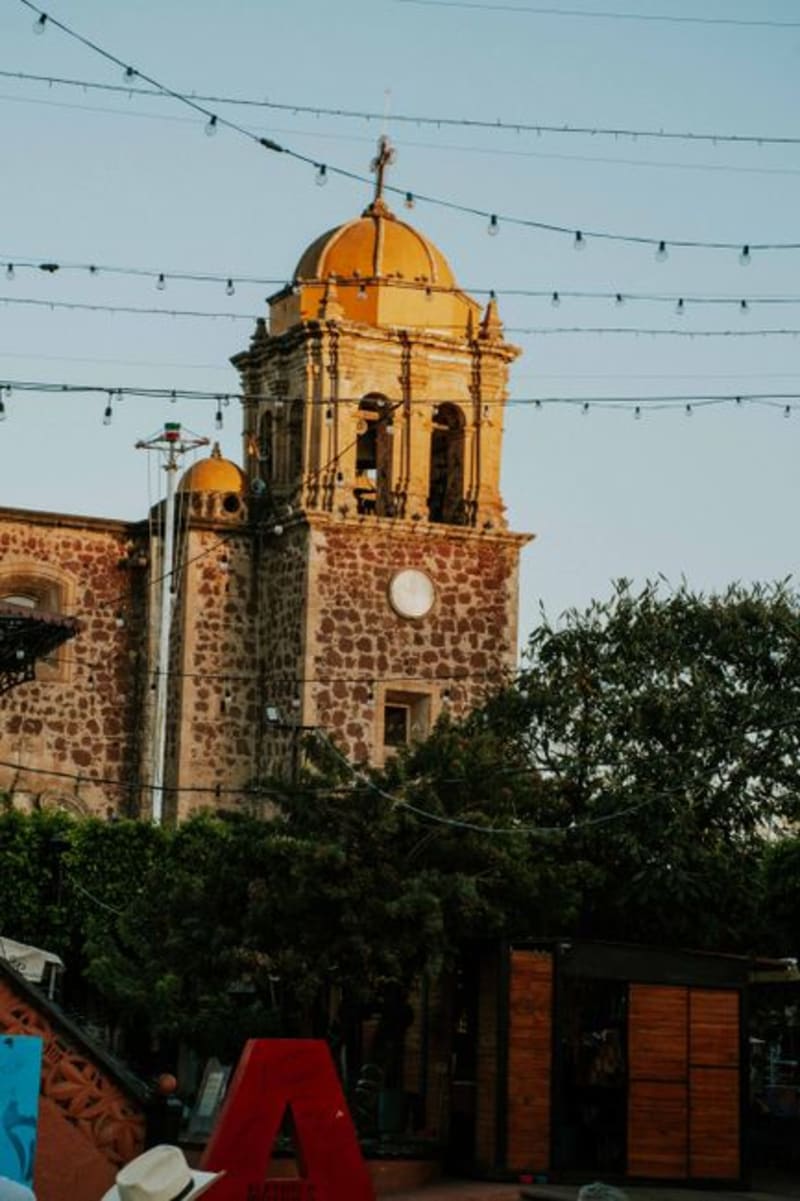 mexico
 Sayula
A quietly preserved colonial town in southern Jalisco where the market serves forty-year-old birria recipes and the dry lake bed turns the horizon white. Sayula minds its own business, which is exactly why it stays this good.
Explore mexico
 Cocula
Cocula is a small city in western Jalisco with a claim — contested, as all the best Mexican cultural origin stories are — to being the birthplace of mariachi. The municipal museum makes the case with instruments, photographs, and a conviction that feels local and genuine rather than touristic. The surrounding valley is agave country under a broad highland sky. I went for the music argument and stayed for the birria and a trio that has been playing lunch every day for thirty years.
Explore