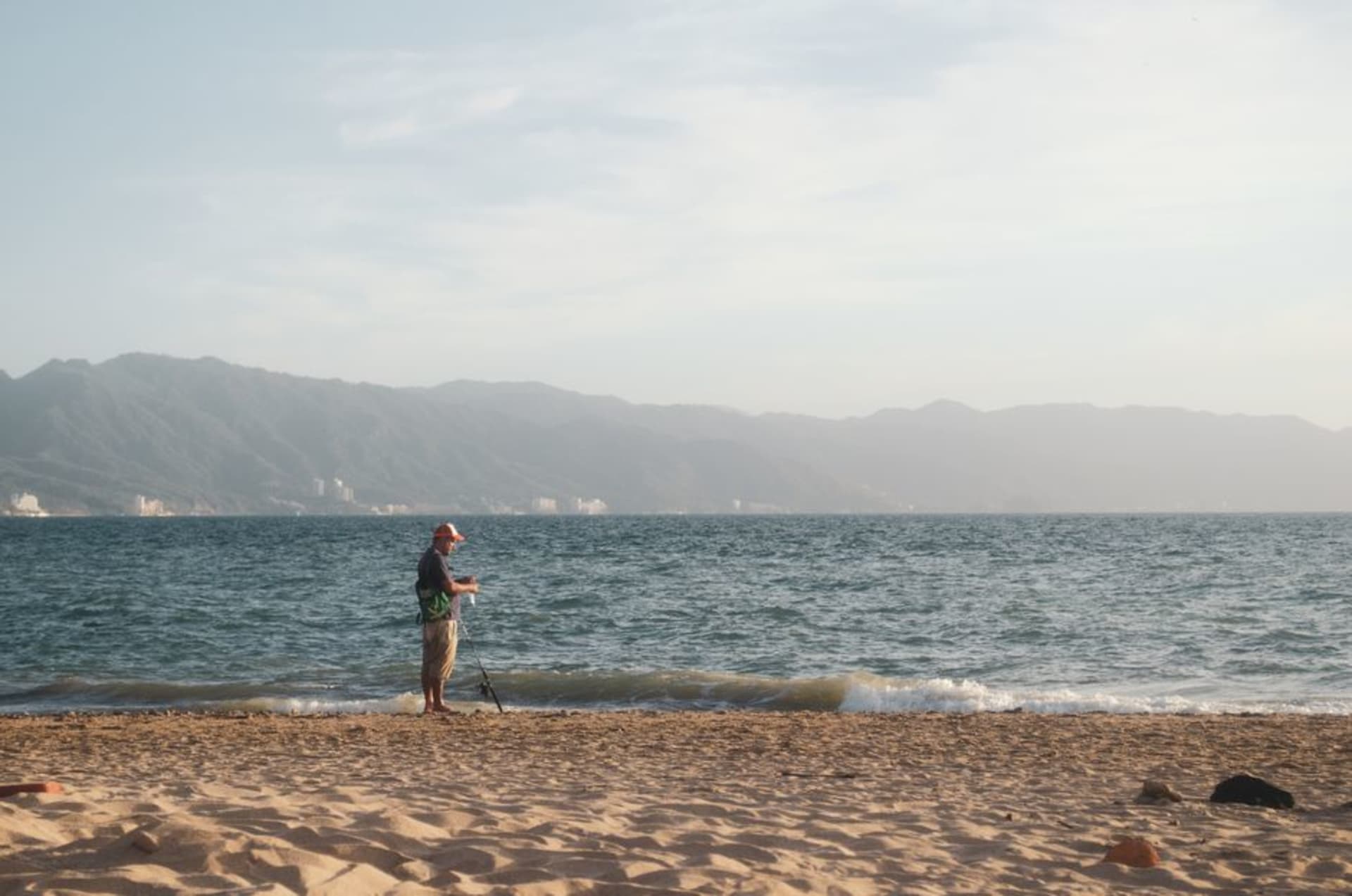
Tomatlán
"You come for the coast but the town itself, slow and unhurried under its palms, ends up being the point."
A small agricultural town at the feet of the Sierra Madre where mango groves and coconut palms run down to the Costa Alegre, one of the most unvisited coastlines in all of Mexico. Tomatlán moves at the pace of its own heat — unhurried, productive, indifferent to tourism in the best possible way.

I pulled off Highway 200 into Tomatlán on a Thursday afternoon in March, looking for fuel and a cold drink before pushing on to Playa Ipala. I stayed two nights. The town has that quality I’ve only encountered in places that have never needed to sell themselves — the plaza was full of people who actually lived there, eating nieves from the heladería on the corner, and nobody looked up when I parked my car. I found a room above a hardware store for three hundred pesos and spent the evening on the sidewalk eating tacos de birria from a cart that appeared, without announcement, at exactly seven o’clock.
The Coast Nobody Finds
The road west from Tomatlán drops through mango orchards before the Sierra gives way abruptly to the Pacific. Playa Ipala, Playa Teopa, Playa Chamela — these beaches exist inside the Chamela-Cuixmala Biosphere Reserve, which is the main reason they remain what they are: long, empty, occasionally interrupted by a single palapa serving pescado zarandeado and cold Pacíficos. I spent a morning at Teopa without seeing another person for three hours. The water is warm and clear and the undertow is real, which keeps the casual visitors away. The fishermen who work these coves launch their pangas before dawn and are back with red snapper by nine; the cleanest fish I’ve eaten anywhere in Jalisco came from a cooler on that beach, not from a restaurant.

Mango Country and the Market
Tomatlán is an agricultural town and it doesn’t pretend otherwise. The Tuesday and Friday tianguis sprawls across two blocks behind the municipal market and deals primarily in mangoes — Ataulfo, Tommy Atkins, Manila — plus avocados, dried shrimp from the coast, and plastic hardware. I bought a kilo of Ataulfo for twelve pesos and ate them leaning against my car in the parking lot. The permanent market has a row of guisado stalls open from six in the morning where the working breakfast is a plate of frijoles charros with a tortilla pressed to order, coffee so sweet it functions more as dessert. The woman running the third stall from the left — I never caught her name — seasoned her chicken tinga with chipotle and epazote in a ratio I’ve been trying to reverse-engineer ever since.

The Town at Its Own Pace
After eight in the evening, Tomatlán belongs to its residents in a way that resort towns never quite manage. The plaza fills without any particular reason — families, teenagers, old men on the iron benches — and the heladería sells nieve de guanábana until it runs out, which is around nine-thirty. There is one cantina on Calle Independencia where the television shows fútbol and the mezcal is from a clay pot behind the bar. Nobody is performing anything for anyone. That specific quality — a place existing entirely for itself — is what I keep coming back to in this part of Jalisco.

Getting There
Tomatlán sits on Highway 200 between Puerto Vallarta (roughly 100 km north) and Manzanillo (about 120 km south). Buses from Puerto Vallarta’s central terminal run several times daily and stop in town. A car is strongly recommended if you plan to reach the coastal beaches, as the reserve access roads are unpaved and unmarked.
Keep exploring
More of Jalisco
Keep exploring
More from Jalisco
 mexico
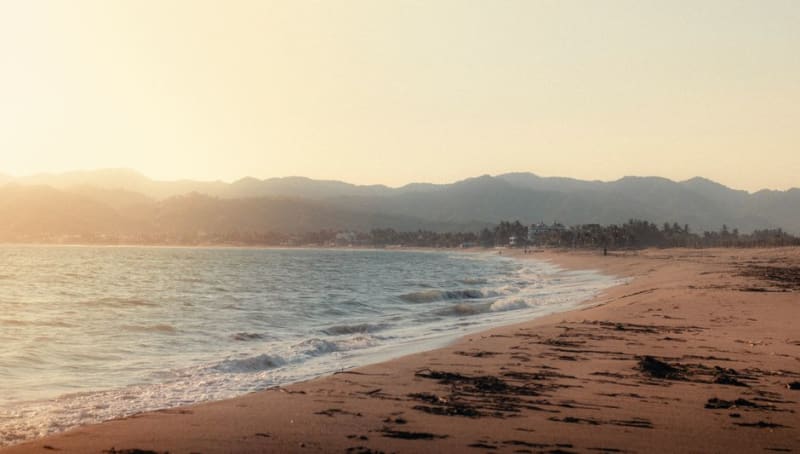
 Tomatlán
Most surfers blow past Tomatlán chasing Sayulita or Punta Mita, which is exactly why the wild coast west of this river town still belongs to those who know. Long empty beaches backed by jungle, zero condominiums, and waves that nobody is fighting you for.
Explore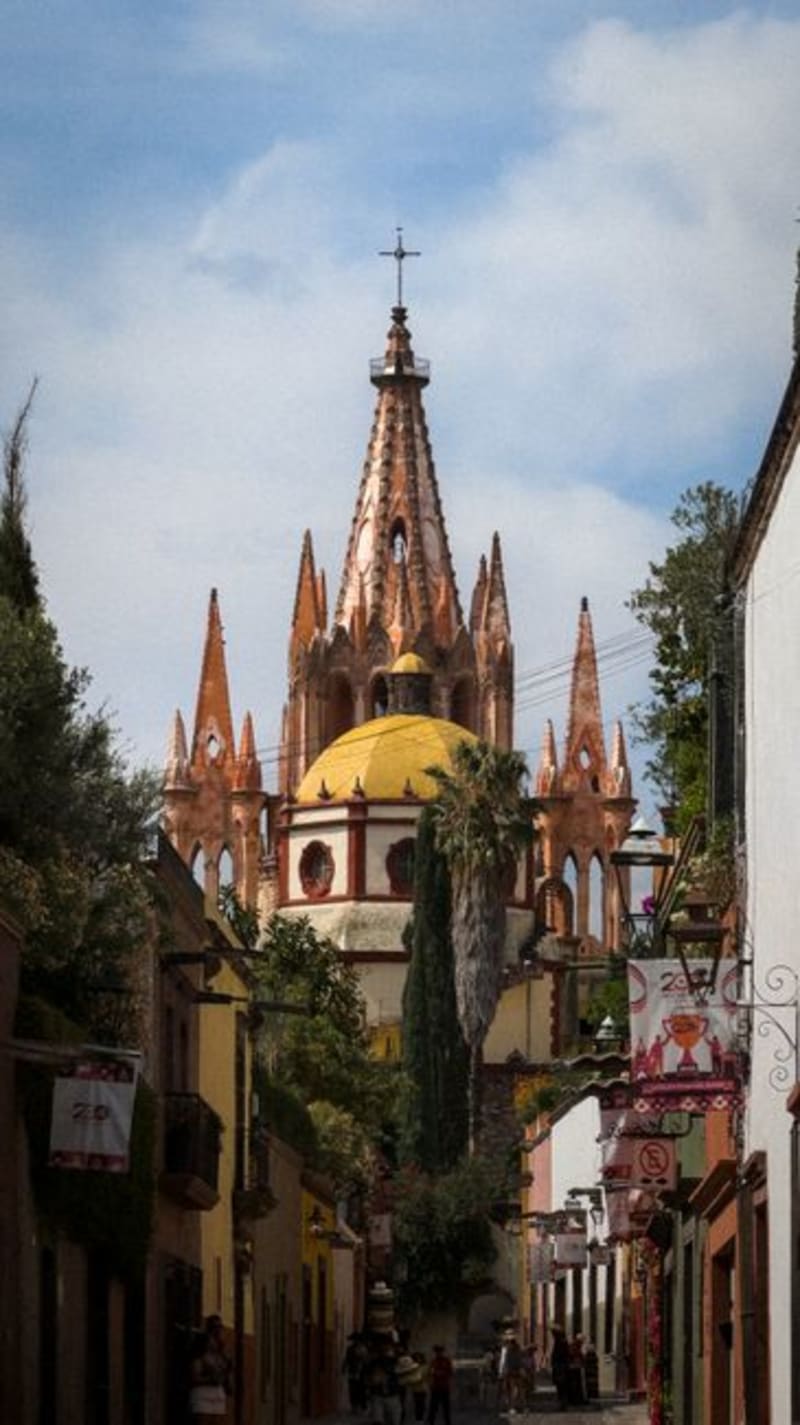 mexico
 Talpa de Allende
A pilgrimage town tucked into the Sierra Occidental, where millions come each year to see a tiny wooden Virgin and end up staying longer than planned — drawn in by the gorditas, the cool mountain air, and streets that feel built for walking slowly.
Explore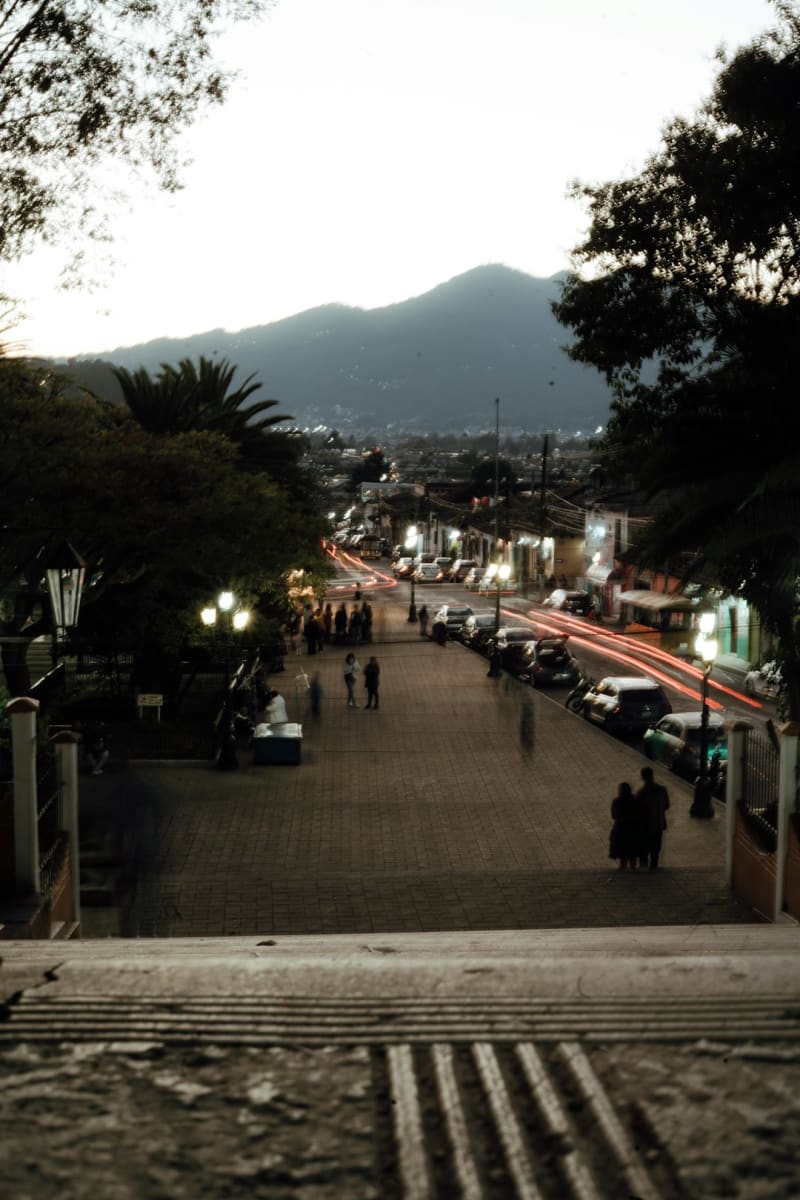 mexico
 El Tuito
Fifty kilometers south of Puerto Vallarta, the highway turns inland and climbs into a different Mexico entirely. El Tuito is a whitewashed Pueblo Mágico draped over a ridge in the Sierra de Cacoma, its baroque church visible for kilometers and its cobblestones untouched by the resort logic of the coast below.
Explore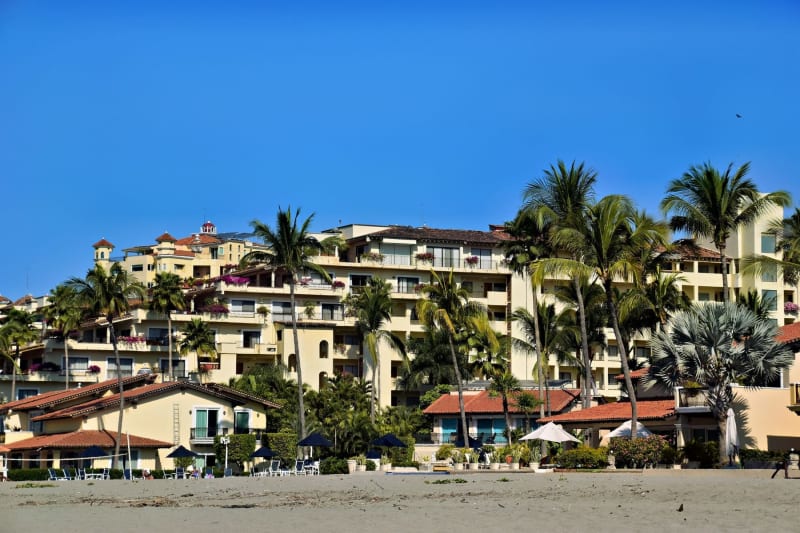 mexico
 Puerto Vallarta
Cobblestone streets meet Pacific beaches where the Sierra Madre meets the sea in Mexico's most romantic resort town.
Explore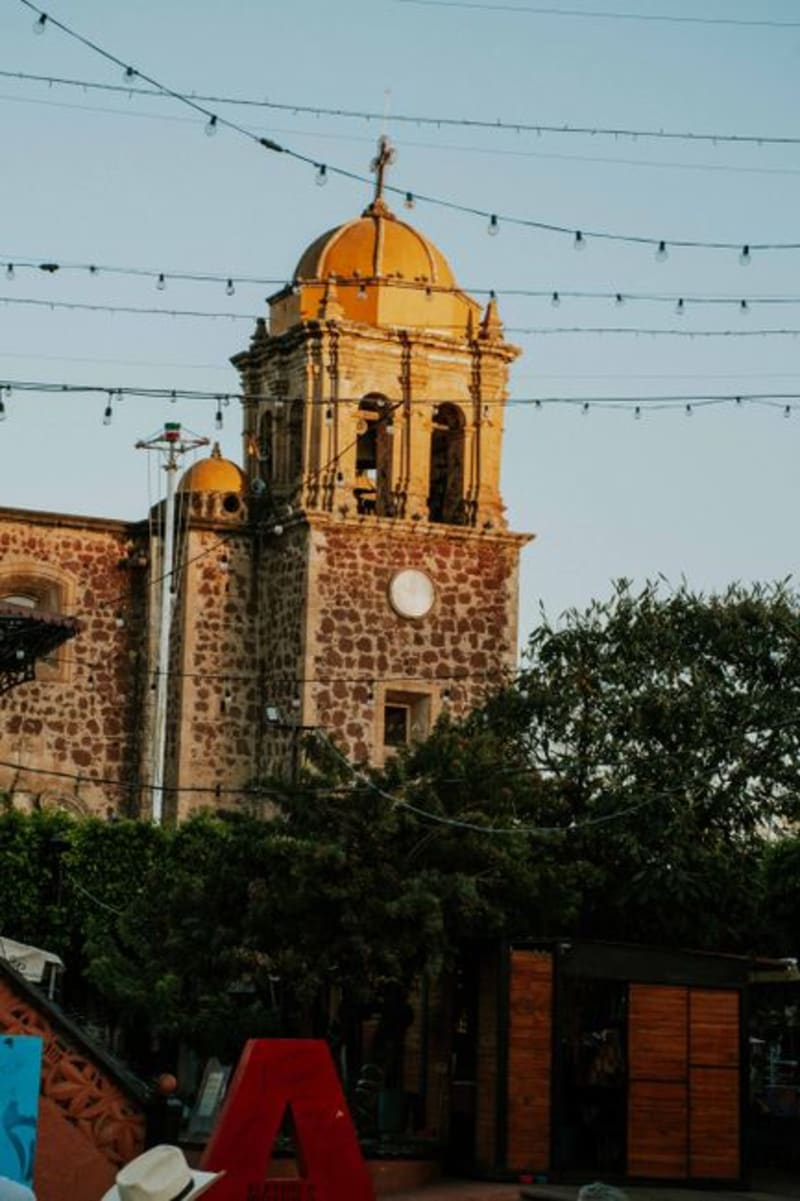 mexico
 Mascota
A pueblo mágico tucked into the Sierra Madre at 1,200 metres, reached by a mountain road that peels away from Puerto Vallarta through pine forest and cattle ranches. The town is quietly handsome without performing it — colonial facades, a market with local cheeses and smoked meats, and evenings cool enough that you need a jacket.
Explore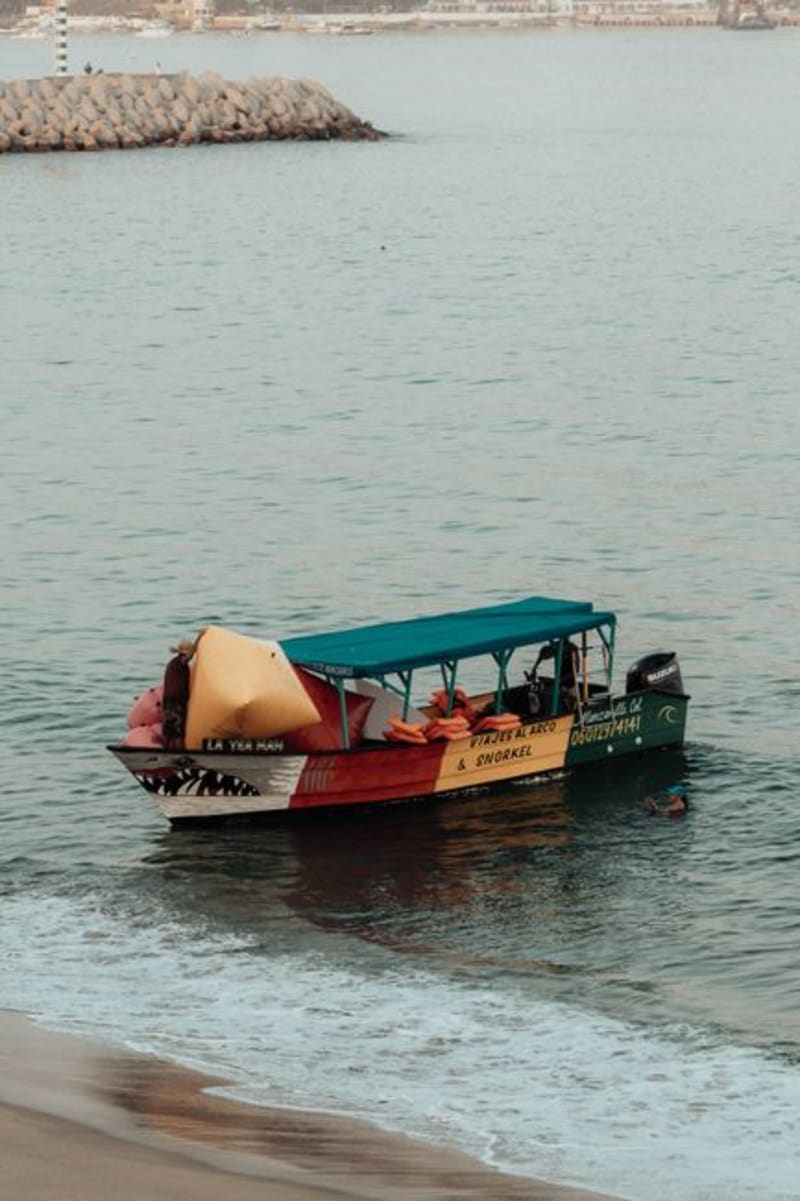 mexico
 La Manzanilla
A small fishing village on Jalisco's Costa Alegre where the road in is just difficult enough to keep visitor numbers honest — one main street, a mangrove lagoon with crocodiles that locals regard with practiced indifference, and a bay quiet enough to hear the swell arrive.
Explore