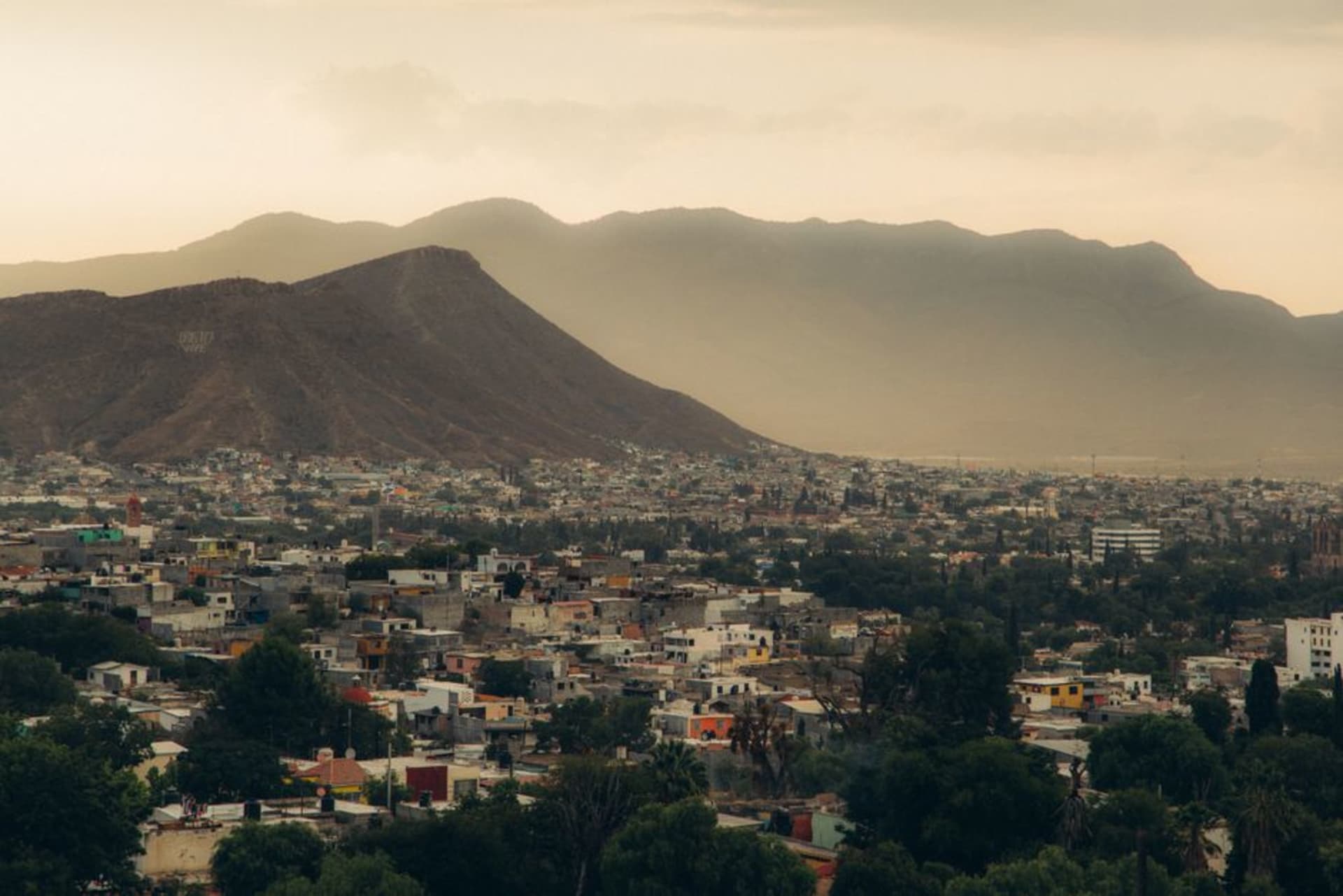
Tomatlán
"Empty waves, no crowd, no WiFi — I stayed three days longer than I planned and regret nothing."
Most surfers blow past Tomatlán chasing Sayulita or Punta Mita, which is exactly why the wild coast west of this river town still belongs to those who know. Long empty beaches backed by jungle, zero condominiums, and waves that nobody is fighting you for.

I pulled off the highway at Tomatlán because my water jug was empty and the Google Maps pin for La Ticla looked closer than it was. That detour cost me an hour and gave me four days. The town itself sits back from the coast on the Río Tomatlán — a slow-moving, unremarkable inland place with a central plaza, a couple of fondas serving cazuela de mariscos, and the particular unhurried pace of somewhere that has never needed to perform for tourists. That suited me fine. I ate, filled my jug, and then drove the dirt road west until the jungle opened onto a beach so long I genuinely could not see where it ended.
La Ticla and Teopa: Surf Without an Audience
La Ticla was the name I had written in my notebook, passed along by a surfer I met in Puerto Escondido who said it with the quiet possessiveness of someone sharing something they half-regretted sharing. He was right to be protective. The break there is a left-hander that peels cleanly when the south swell hits — not enormous, not showboating, just consistent and honest. Playa Teopa, a short walk further north through the coconut palms, is wider and wilder, the sand dark and coarse, the kind of beach that feels almost geological in scale.
What you will not find at either beach: surf schools, beach clubs, rental umbrellas, or anyone trying to sell you a boat tour. There are a handful of palapas where someone will bring you a cold beer if you wait patiently. That is the full extent of the infrastructure, and it is exactly correct.

The Town, the Market, the Cazuela
Tomatlán town is not a destination in the tourist sense. It is a useful, honest Mexican municipal seat where people actually live. The Tuesday market on Calle Independencia pulls in vendors from the surrounding ranches — dried chiles, fresh cheese, a woman who makes tamales de elote wrapped in the corn husk and steamed on a small gas burner right there on the pavement. I ate three. The fondas around the plaza do a rotating comida corrida for about sixty pesos; the mariscos at the one with the blue awning on the corner closest to the church ran to a thick, tomato-heavy broth with clams and shrimp that tasted like the estuary smells at low tide — in the good way.

Camping and Staying
There are no hotels on the coast here. A few families near La Ticla rent palapas with hammocks — negotiated in person, priced loosely, ranging from two hundred to four hundred pesos depending on how much shade is involved. I camped in the back of my truck for two nights and then paid three hundred pesos for a palapa the third night because I wanted a hammock and because three nights of sand in my sleeping bag felt like enough solidarity with the wilderness.
Bring water from Tomatlán town. Bring more than you think you need. The road back is longer in the dark.

Getting There
Tomatlán sits on Federal Highway 200, roughly 100 kilometers south of Puerto Vallarta. From town, a dirt road (passable in a standard car during dry season, questionable in July-September) heads west about 25 kilometers to the coast. No bus serves the coast road — rent or borrow wheels. Fuel up in Tomatlán; there is nothing after you leave the highway.
Keep exploring
More of Jalisco
Keep exploring
More from Jalisco
 mexico
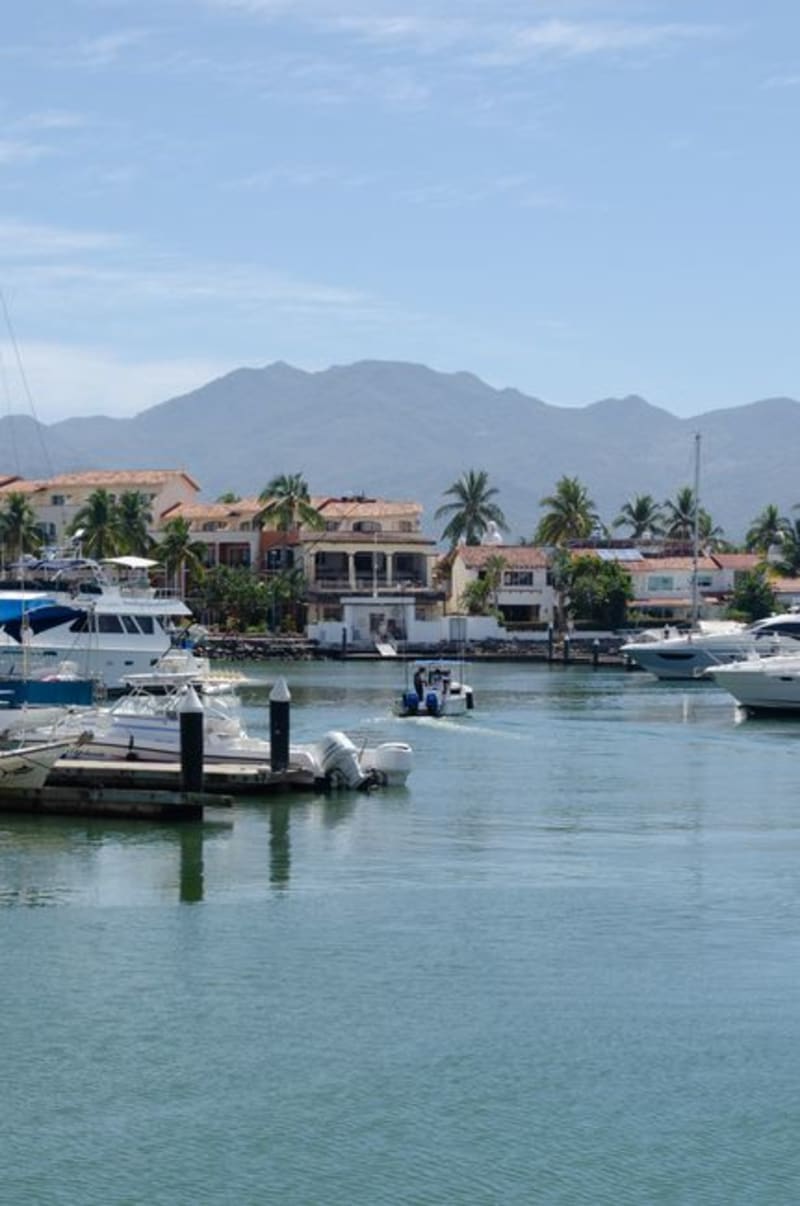
 Tomatlán
A small agricultural town at the feet of the Sierra Madre where mango groves and coconut palms run down to the Costa Alegre, one of the most unvisited coastlines in all of Mexico. Tomatlán moves at the pace of its own heat — unhurried, productive, indifferent to tourism in the best possible way.
Explore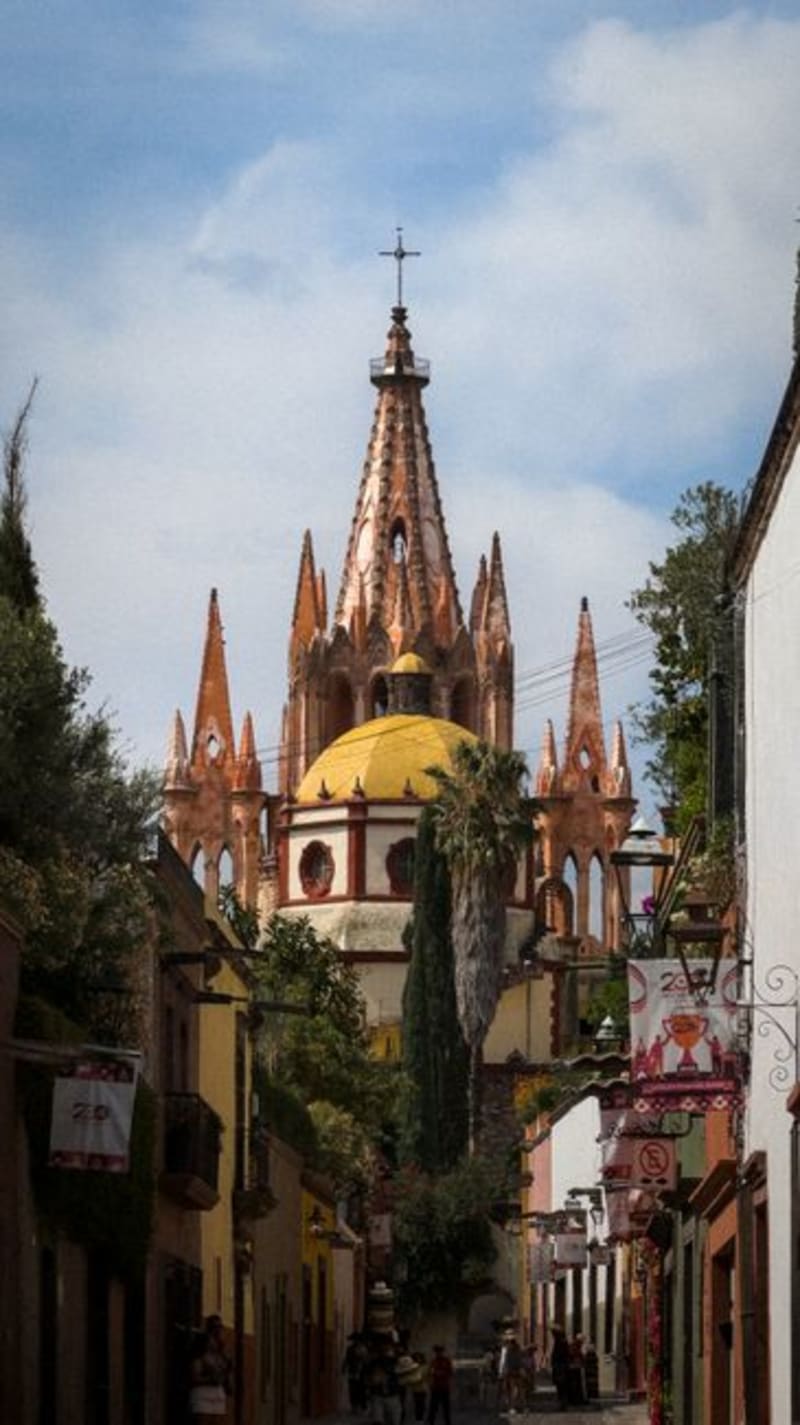 mexico
 Talpa de Allende
A pilgrimage town tucked into the Sierra Occidental, where millions come each year to see a tiny wooden Virgin and end up staying longer than planned — drawn in by the gorditas, the cool mountain air, and streets that feel built for walking slowly.
Explore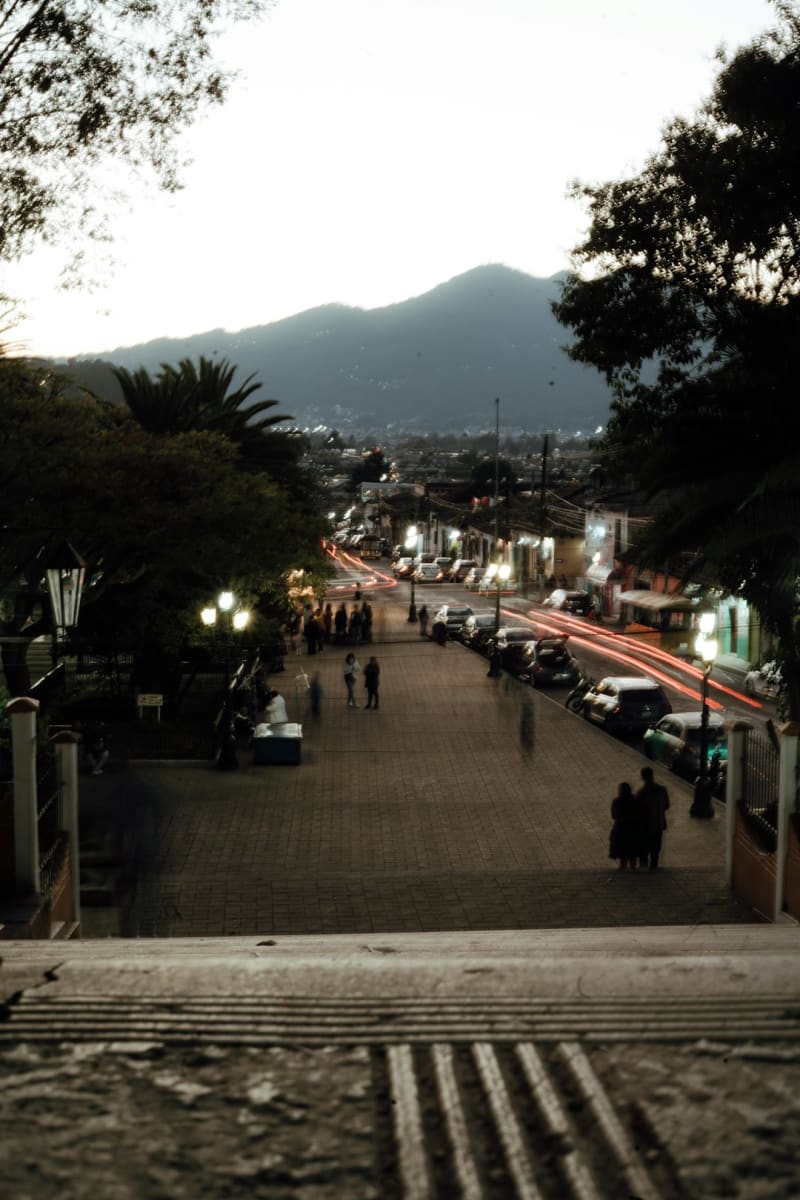 mexico
 El Tuito
Fifty kilometers south of Puerto Vallarta, the highway turns inland and climbs into a different Mexico entirely. El Tuito is a whitewashed Pueblo Mágico draped over a ridge in the Sierra de Cacoma, its baroque church visible for kilometers and its cobblestones untouched by the resort logic of the coast below.
Explore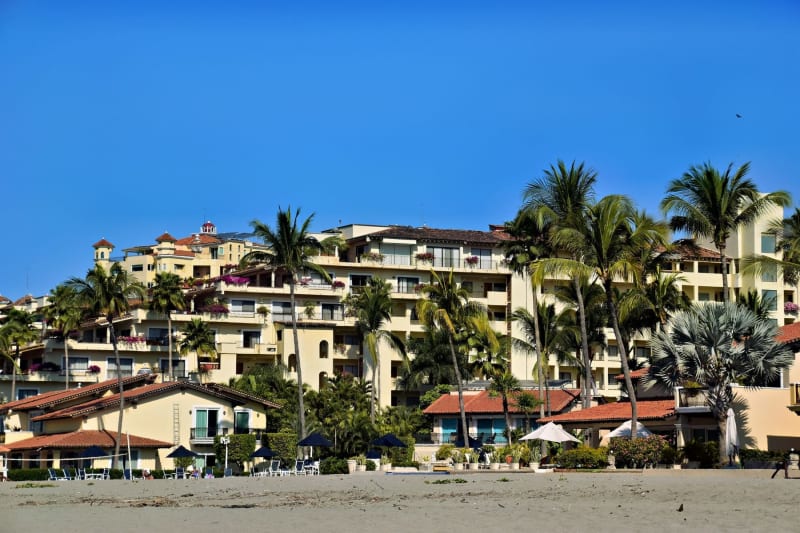 mexico
 Puerto Vallarta
Cobblestone streets meet Pacific beaches where the Sierra Madre meets the sea in Mexico's most romantic resort town.
Explore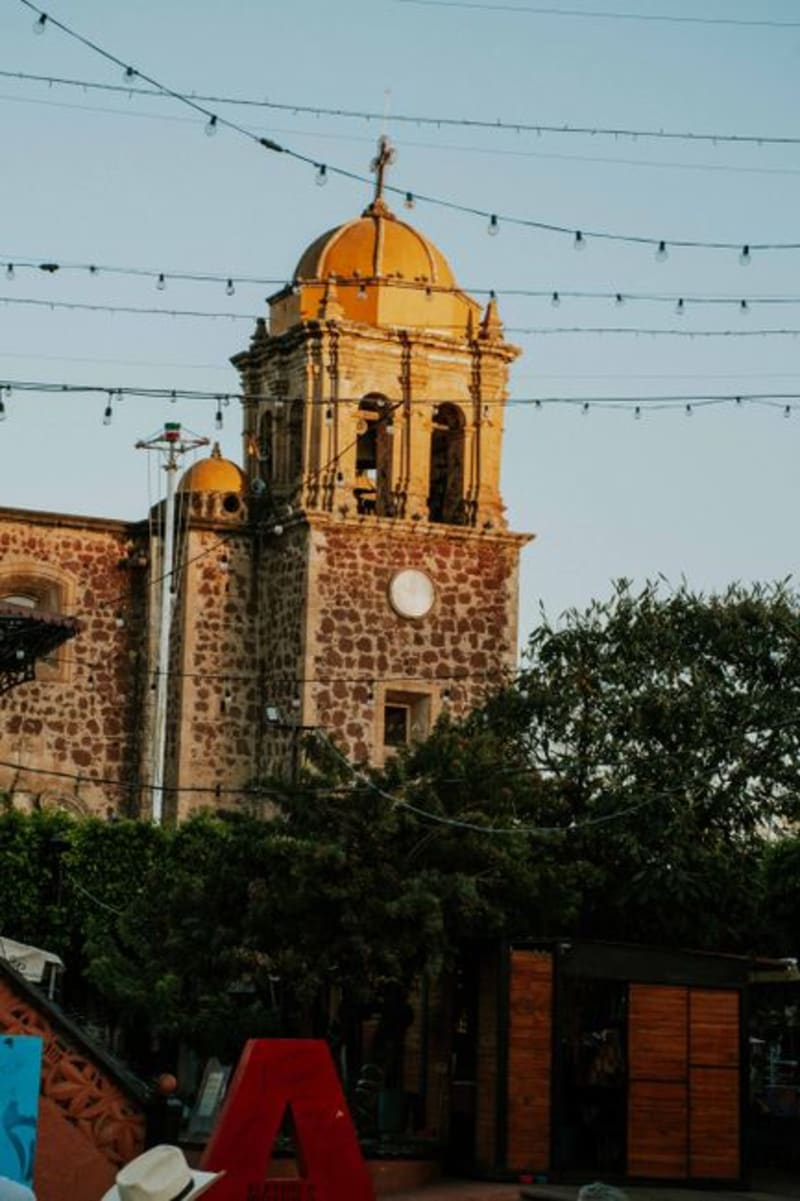 mexico
 Mascota
A pueblo mágico tucked into the Sierra Madre at 1,200 metres, reached by a mountain road that peels away from Puerto Vallarta through pine forest and cattle ranches. The town is quietly handsome without performing it — colonial facades, a market with local cheeses and smoked meats, and evenings cool enough that you need a jacket.
Explore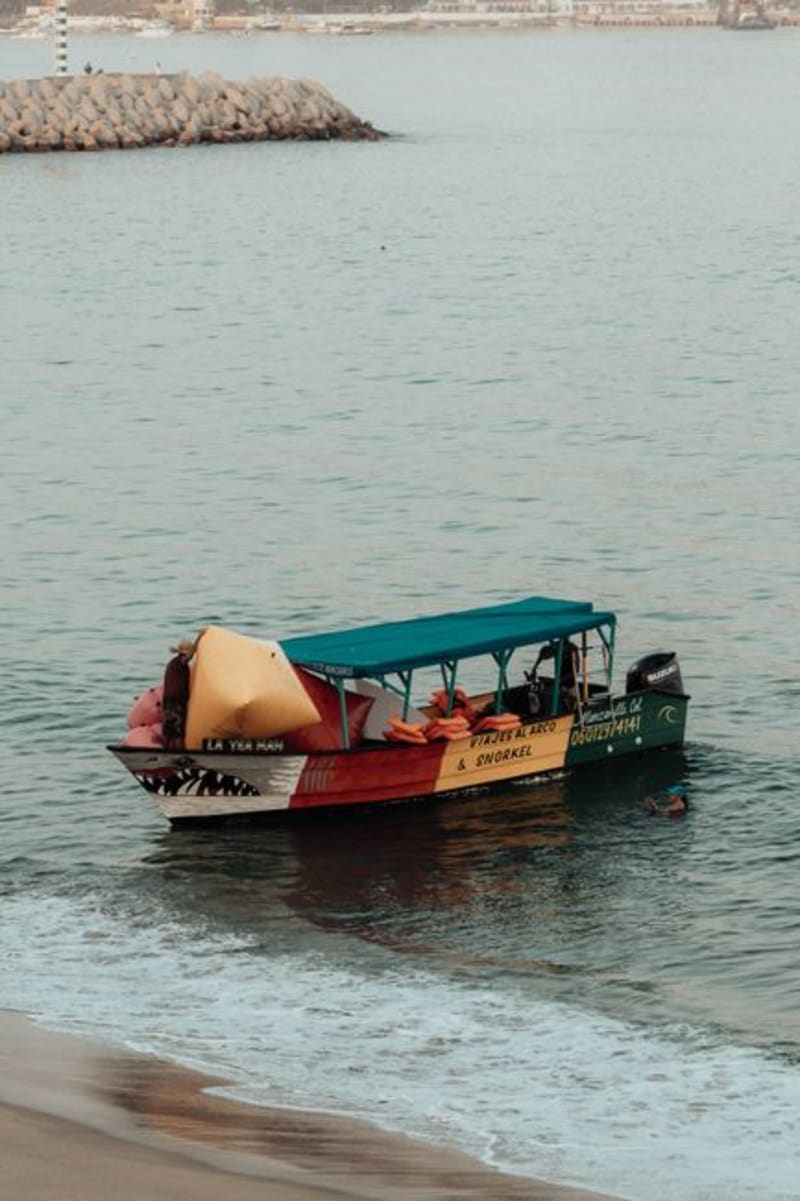 mexico
 La Manzanilla
A small fishing village on Jalisco's Costa Alegre where the road in is just difficult enough to keep visitor numbers honest — one main street, a mangrove lagoon with crocodiles that locals regard with practiced indifference, and a bay quiet enough to hear the swell arrive.
Explore