León
"I ordered boots at noon and they were ready before dinner. The cobbler asked if I wanted them to last twenty years and I said yes, hoping I would."
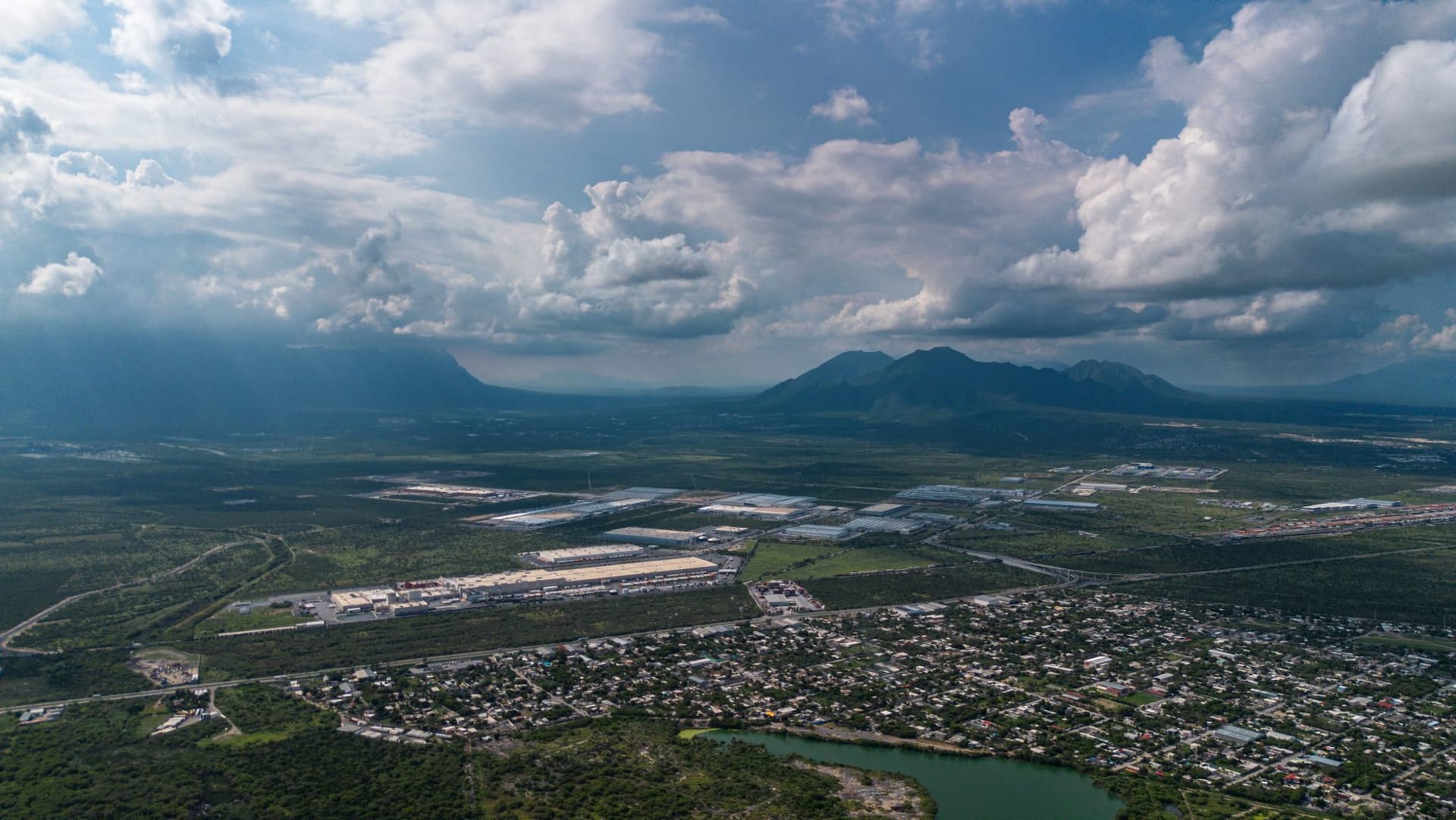
León is Mexico's leather capital and one of its most honestly overlooked industrial cities, where an 18th-century centro holds genuine grandeur alongside workshops that will build you a pair of boots by sundown. It rewards the traveler who skips it on the way to Guanajuato city and stops here instead.

I came to León for a single afternoon and stayed two nights. That’s the honest version of events. The city doesn’t announce itself the way Guanajuato does — no ravine streets, no lurid-colored houses tumbling down hillsides — but the centro has a scale and seriousness that earns your attention on its own terms. The Plaza Principal is one of the grander town squares in the Bajío, the cathedral facade an exercise in controlled baroque excess, and the streets around it busy in the way of a city that has always made things and sold them. I arrived not knowing what I wanted and left carrying boots I’ll wear for a decade.
The Leather District and Mercado Hidalgo
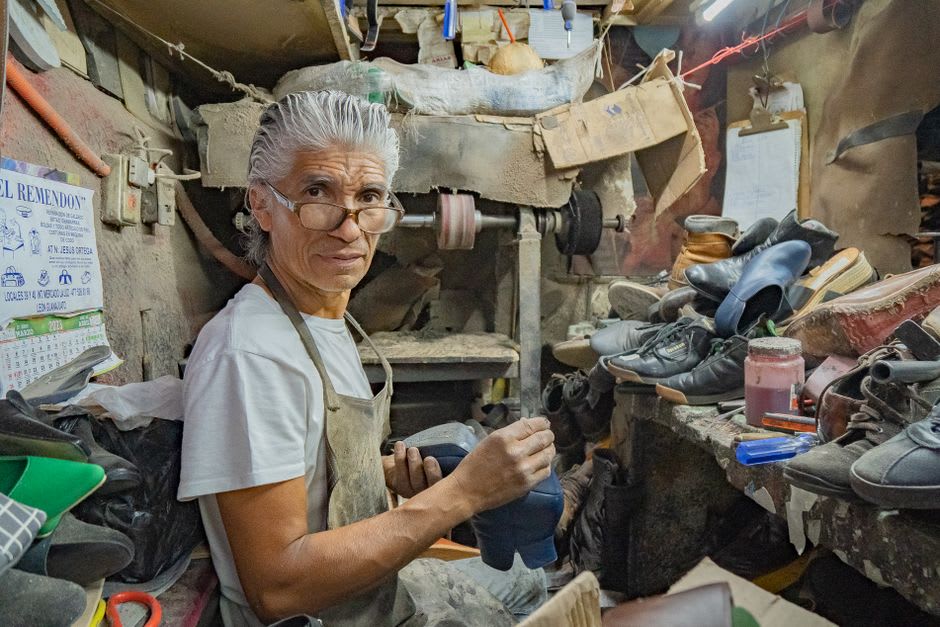
The area around the Mercado Hidalgo is where León earns its reputation, and it earns it completely. This is not a curated artisan market selling aesthetic poverty to tourists — it is a functional commercial district where cobblers have been at work for generations and where the product is genuinely good. I walked into a small taller on Calle Hermanos Aldama at around noon, left a tracing of my foot and a deposit, and went to look at the cathedral. The boots — dark brown, plain toe, resoleable sole — were ready at six. The cobbler, a quiet man in his fifties, asked twice whether I wanted style or durability. I said durability. He nodded like I’d finally said something sensible.
Beyond custom work, the market stalls sell finished belts, wallets, huaraches, and bags at prices that make you suspicious and then grateful. The technique is to walk through once to calibrate prices, then return to the stall where the quality-to-cost ratio made you stop.

Explora and the Centro Histórico
The Museo Interactivo Explora is legitimately one of the best science museums in Latin America and it is the last thing most visitors expect to find here. I went on a Wednesday morning with low expectations and spent three hours. The exhibits are hands-on, inventive, and maintained with actual care — the kind of place that makes you feel mildly embarrassed by whatever passed for science education where you grew up. It sits on the edge of the centro and pairs well with an afternoon walking the historic streets.
The centro itself rewards slow movement. The Palacio Municipal has a painted interior courtyard worth entering even if nothing is scheduled. The Teatro Doblado, reopened after years of restoration, stages regional productions most weekends. On Avenida Madero, the shoe stores transition from utilitarian to aspirational within three blocks, which tells you something accurate about how León understands itself — a city that takes its craft seriously enough to dress it up.
Where to Eat
León’s food doesn’t chase a signature dish, which is either refreshingly honest or a missed opportunity depending on your mood. Carnitas at the Mercado de Artesanías are sold by weight and eaten standing at folding tables by nine in the morning. Gorditas de nata — sweet, thick, griddled — appear at most breakfast spots around the centro. In the evening, the taco stalls around Calle López Mateos serve tripe and tongue alongside the safer cuts, and the clientele eating the tongue suggests you should order the tongue. I found a place with no sign on a side street off the Plaza Principal and ate there twice in a row, which is usually how I know something is working.
Getting There
León’s Del Bajío International Airport (BJX) is one of the region’s major hubs, with direct flights from Mexico City, Monterrey, and several US cities. From Guanajuato city it’s about an hour by bus from the Central de Autobuses; ETN and Primera Plus run frequent departures. From San Miguel de Allende, count on ninety minutes. The centro is easily reached from the bus terminal by taxi or Uber, and the leather district is walkable from the Plaza Principal.
Keep exploring
More of Guanajuato
Keep exploring
More from Guanajuato
 mexico
 San Francisco del Rincón
San Francisco del Rincón is the shoe and leather capital of Mexico — a fact that sounds industrial until you walk through the workshops and realize the artisans here supply markets from Guadalajara to Mexico City. The colonial center is anchored by a proud Parroquia, and the Altos Catholic gravity touches everything from the food to how strangers greet you on the street.
Explore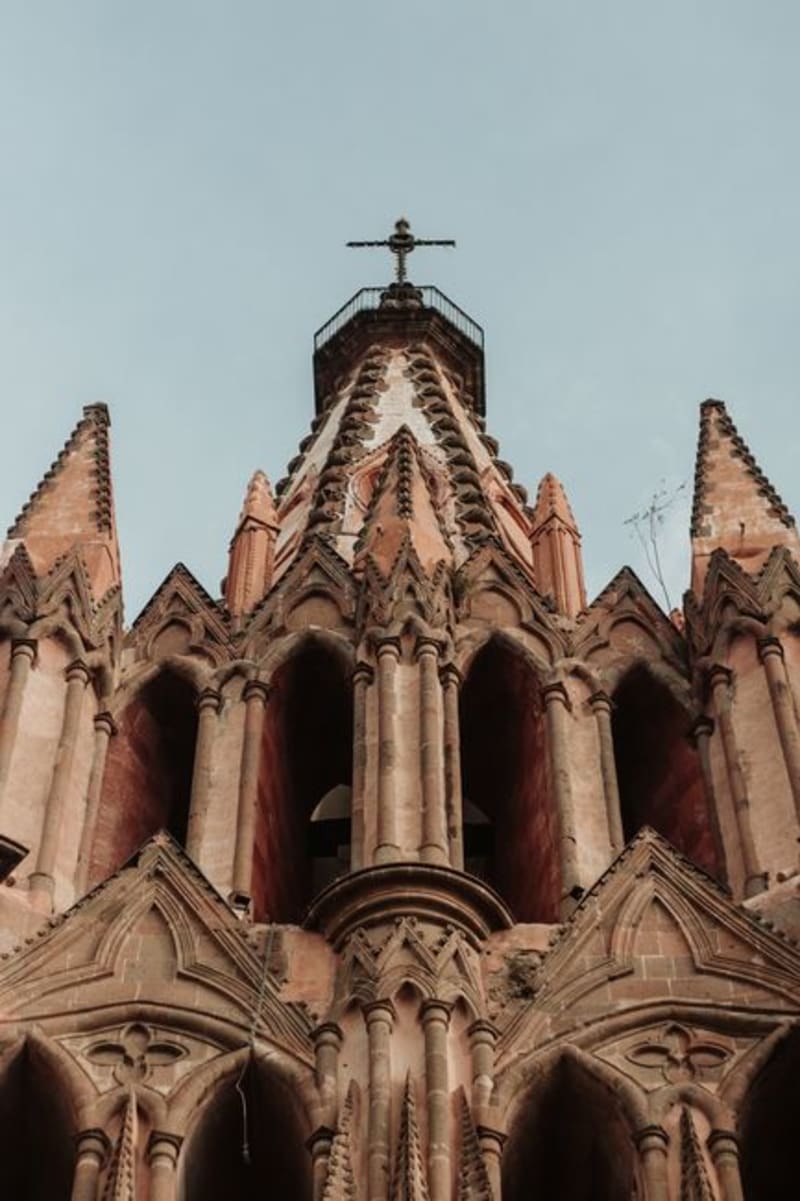 mexico
 Purísima del Rincón
A small Pueblo Mágico in Guanajuato's Los Altos corridor, Purísima del Rincón organizes its life around a handsome colonial church and a plaza that local people actually use. The town is known for leather workshops, Sunday menudo, and a December calendar that runs on its own logic entirely.
Explore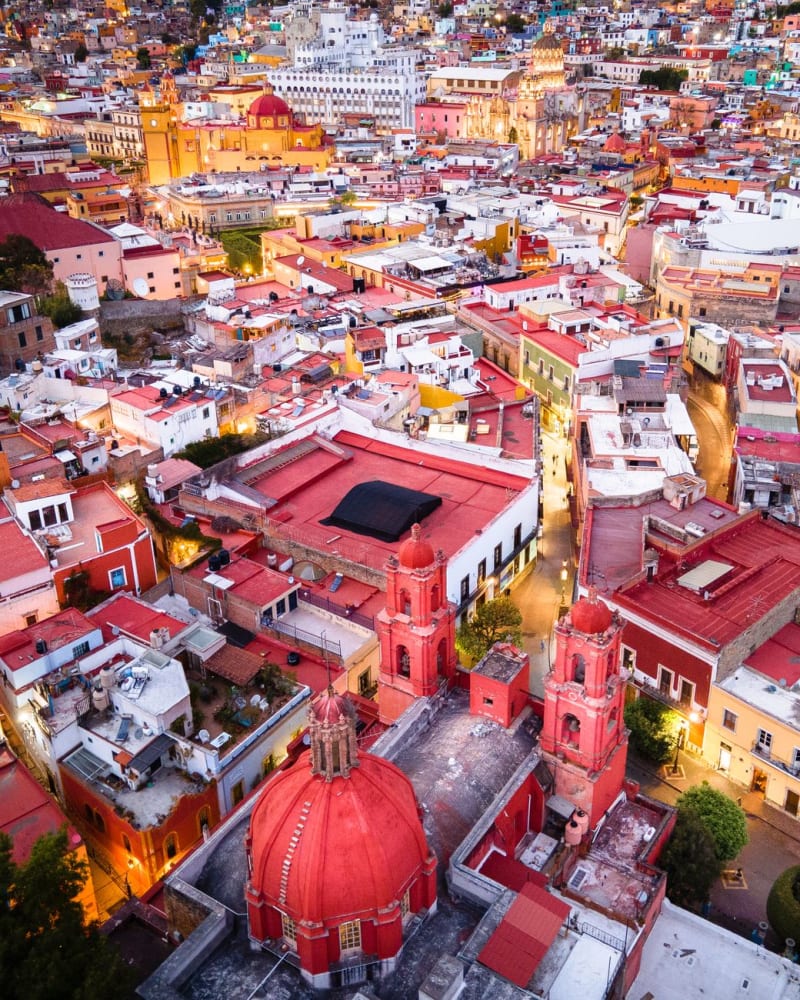 mexico
 Guanajuato City
A UNESCO World Heritage city folded into a ravine, where subterranean callejones, facades painted in twenty shades of ochre and turquoise, and the annual Festival Internacional Cervantino make it one of the most theatrically beautiful cities in the Americas. The silver mines that built colonial Spain still run beneath its streets.
Explore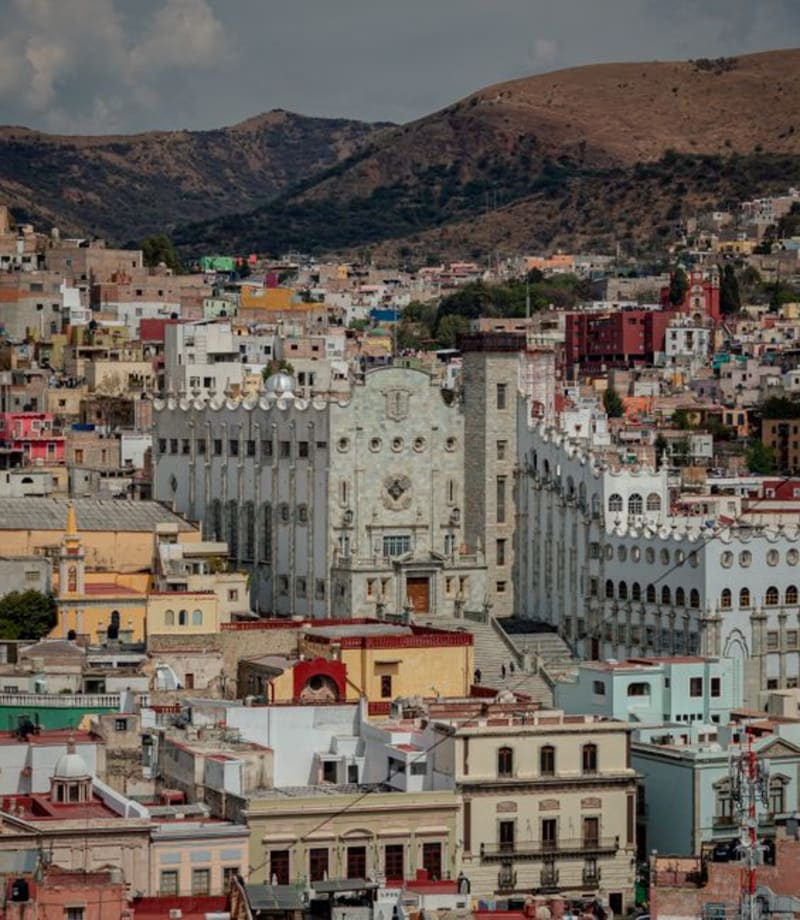 mexico
 Irapuato
Irapuato is the strawberry capital of Mexico with only slight exaggeration — the fields around the city are extraordinary in spring, the mercado sells fresas con crema in quantities that should be regulated, and the graceful ex-convento and shaded central plaza reward anyone willing to stay past the first bowl.
Explore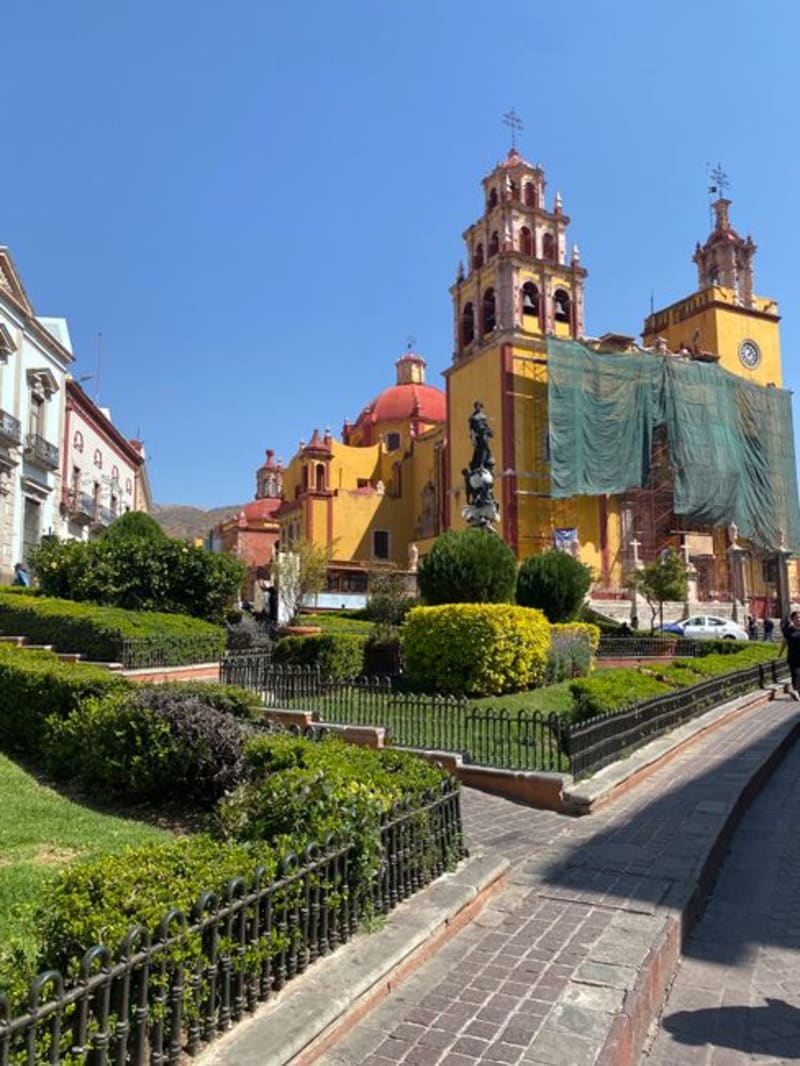 mexico
 Abasolo
Abasolo is a small colonial town in the Bajío region of Guanajuato whose entire identity revolves around the Gran Baño, an enormous thermal mineral pool that has been drawing families from across central Mexico for generations. Come on a Sunday and you will understand immediately why this town needs no other justification.
Explore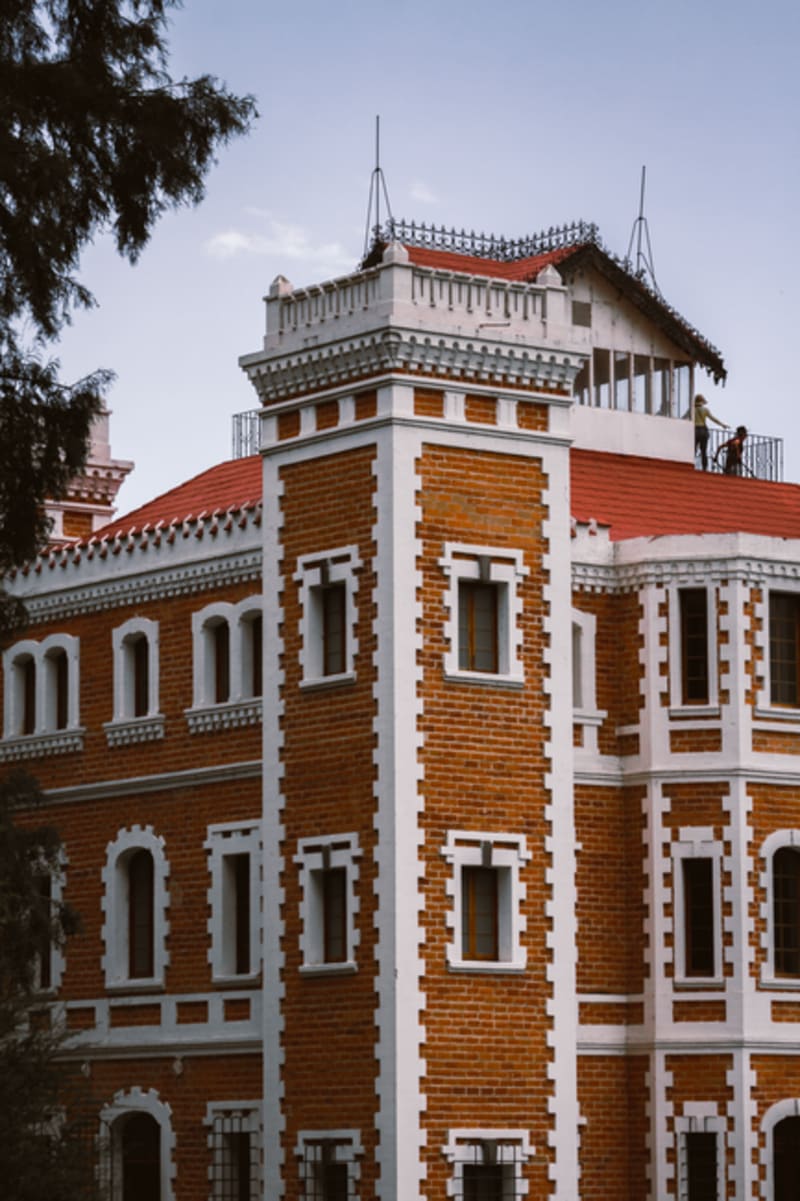 mexico
 Salamanca
Salamanca arrives with Pemex smokestacks on the horizon and leaves you with the memory of a baroque church so elaborate it seems impossible nobody warned you about it. The industrial city Guanajuato built around its oil wealth turns out to have a colonial center of rare quality — ex-haciendas, a grand plaza, and a Churrigueresque facade that stops you mid-step.
Explore