Guanajuato City
"You turn a corner in Guanajuato and find a staircase going sideways into someone's kitchen. The city does not apologize for its geometry."
A UNESCO World Heritage city folded into a ravine, where subterranean callejones, facades painted in twenty shades of ochre and turquoise, and the annual Festival Internacional Cervantino make it one of the most theatrically beautiful cities in the Americas. The silver mines that built colonial Spain still run beneath its streets.

I arrived on an overnight bus from León, surfaced into the Subterráneo Miguel Hidalgo — the old riverbed that now serves as a traffic tunnel — and emerged blinking into the Jardín de la Unión at seven in the morning. A man was sweeping confetti from the night before. The laurel trees were trimmed into perfect spheres. A brass band was setting up near the Teatro Juárez even though it was a Tuesday. Guanajuato operates on its own logic, and the sooner you accept that, the better off you are.
The City That Was Built Sideways
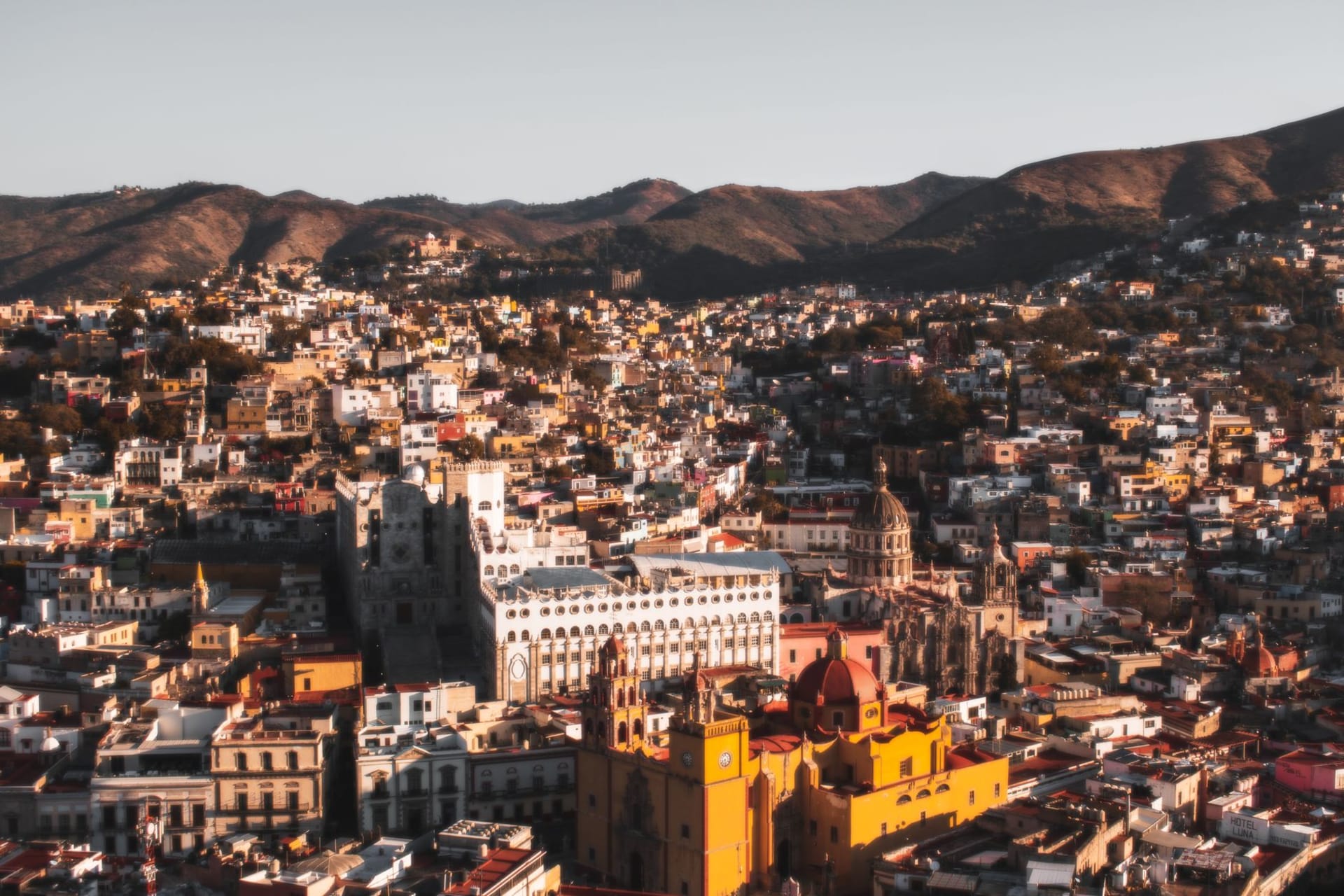
Guanajuato did not grow outward the way most cities do. Hemmed in by the Cañada ravine and its surrounding hills, it grew upward and inward, stacking neighborhoods on top of neighborhoods until the whole thing became a three-dimensional puzzle of alleys, staircases, and bridges that connect buildings at their fifth floors. The callejón del Beso — a lane so narrow that lovers on opposing balconies can kiss — is the famous one, but I preferred the unnamed passage off Calle Pocitos that dead-ends into a colonial doorway painted the exact blue of a swimming pool. The Basílica de Nuestra Señora de Guanajuato anchors the Jardín, its pink stone facade lit warm gold at dusk. From the Pípila monument on the hill above the Alhóndiga, you see the whole ravine at once: terracotta, yellow, green, rust, the university in pale baroque limestone at the center of it all. It looks painted, which is not an insult.

Silver, Students, and Cervantino
The silver from the Veta Madre — the mother lode running under the city — funded cathedrals across Spain and financed half a war. You can tour the Mina El Nopal or simply visit the Museo del Pueblo on Calle Pocitos to understand what that extraction looked like from both ends. What I found more interesting was what the money eventually built: the Universidad de Guanajuato, whose neogothic staircase seems designed specifically to be photographed, seeds the city with around twenty thousand students who keep it alive year-round. Every October, the Festival Internacional Cervantino fills every plaza and staircase with theater companies, orchestras, and street performers from across the world. I happened to be there during a smaller weekend festival in March — a Peruvian folk group playing in the Plazuela San Fernando at midnight, thirty people watching, nobody filming — and that felt more like the real thing anyway.

Where to Eat and When to Walk
The Mercado Hidalgo, housed in a 1910 iron-and-glass train station structure, is better for exploring than for eating — the upper-level food stalls are reliable for enchiladas mineras, the local version served with carrots, potatoes, and a mild guajillo salsa. For something quieter, the fondas along Alonso do a straightforward comida corrida at noon. Walk the city between six and eight in the morning or after nine at night; midday the callejones fill with tour groups and the charm compresses under the weight of selfie sticks.

Getting There
Direct buses run from León’s Central de Autobuses (around 90 minutes) and from Mexico City’s Terminal Norte (around five hours) with ETN and Primera Plus. From Querétaro it is roughly three hours. The city has no meaningful airport of its own — the nearest is Del Bajío in Silao, 30 kilometers out, served by several domestic carriers and a handful of U.S. routes.
Keep exploring
More of Guanajuato
Keep exploring
More from Guanajuato
 mexico
 Dolores Hidalgo
The town where Miguel Hidalgo rang the church bell on September 16, 1810, and set off a revolution. Today Dolores is better known for hand-painted talavera and the strangest ice cream menu in the republic — shrimp, mole, tequila, and corn, all sold in the shadow of the Parroquia de Nuestra Señora de los Dolores.
Explore mexico
 Dolores Hidalgo
The town where Mexican independence was declared in 1810 is also, improbably, the country's capital of eccentric ice cream — shrimp, beer, chicharrón — and some of the finest Talavera-style ceramics you will find anywhere in Guanajuato. The patriotic drama and the bizarre helado sit side by side on the main plaza, and somehow both feel entirely Mexican.
Explore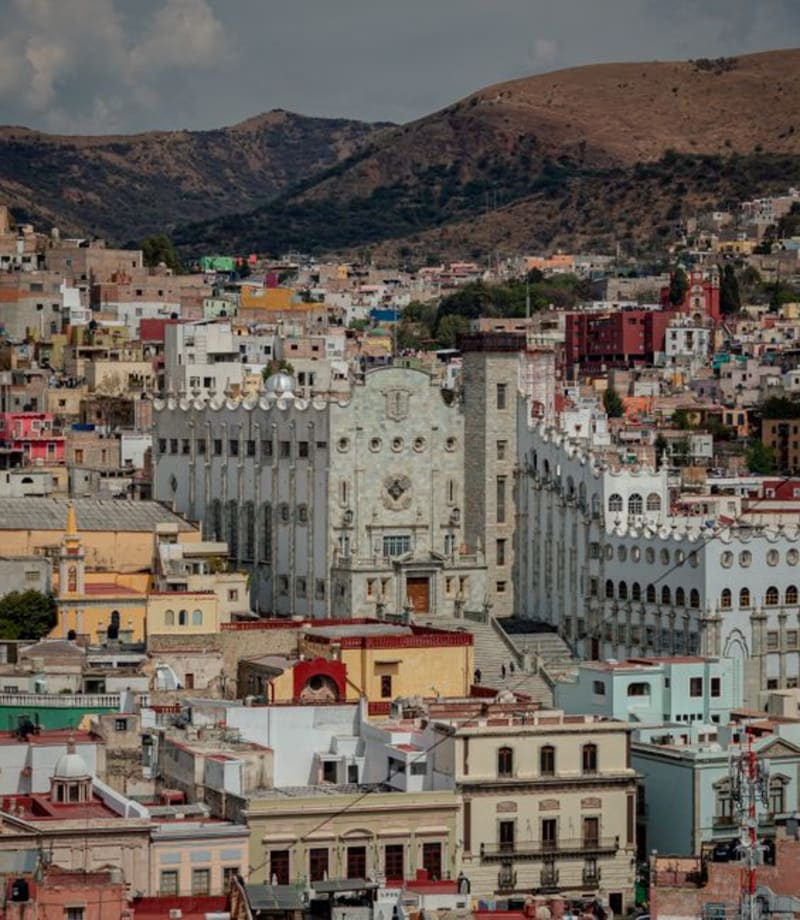 mexico
 Irapuato
Irapuato is the strawberry capital of Mexico with only slight exaggeration — the fields around the city are extraordinary in spring, the mercado sells fresas con crema in quantities that should be regulated, and the graceful ex-convento and shaded central plaza reward anyone willing to stay past the first bowl.
Explore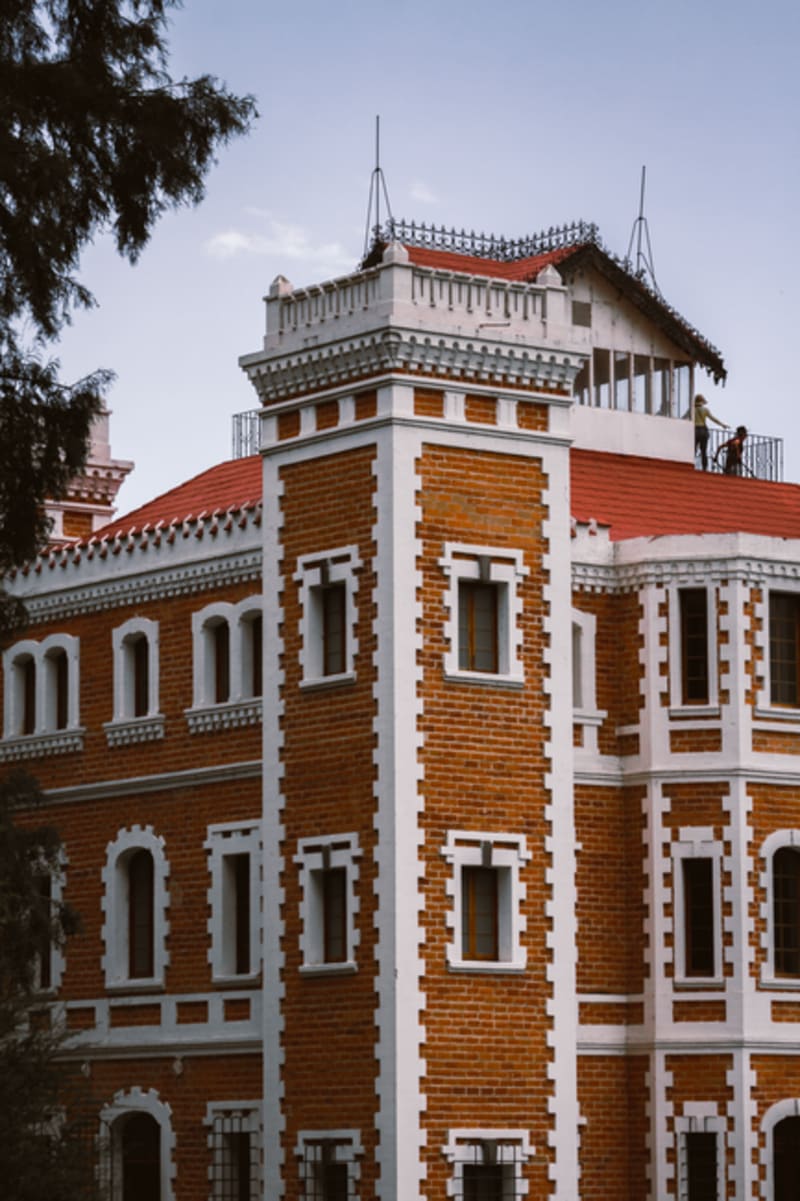 mexico
 Salamanca
Salamanca arrives with Pemex smokestacks on the horizon and leaves you with the memory of a baroque church so elaborate it seems impossible nobody warned you about it. The industrial city Guanajuato built around its oil wealth turns out to have a colonial center of rare quality — ex-haciendas, a grand plaza, and a Churrigueresque facade that stops you mid-step.
Explore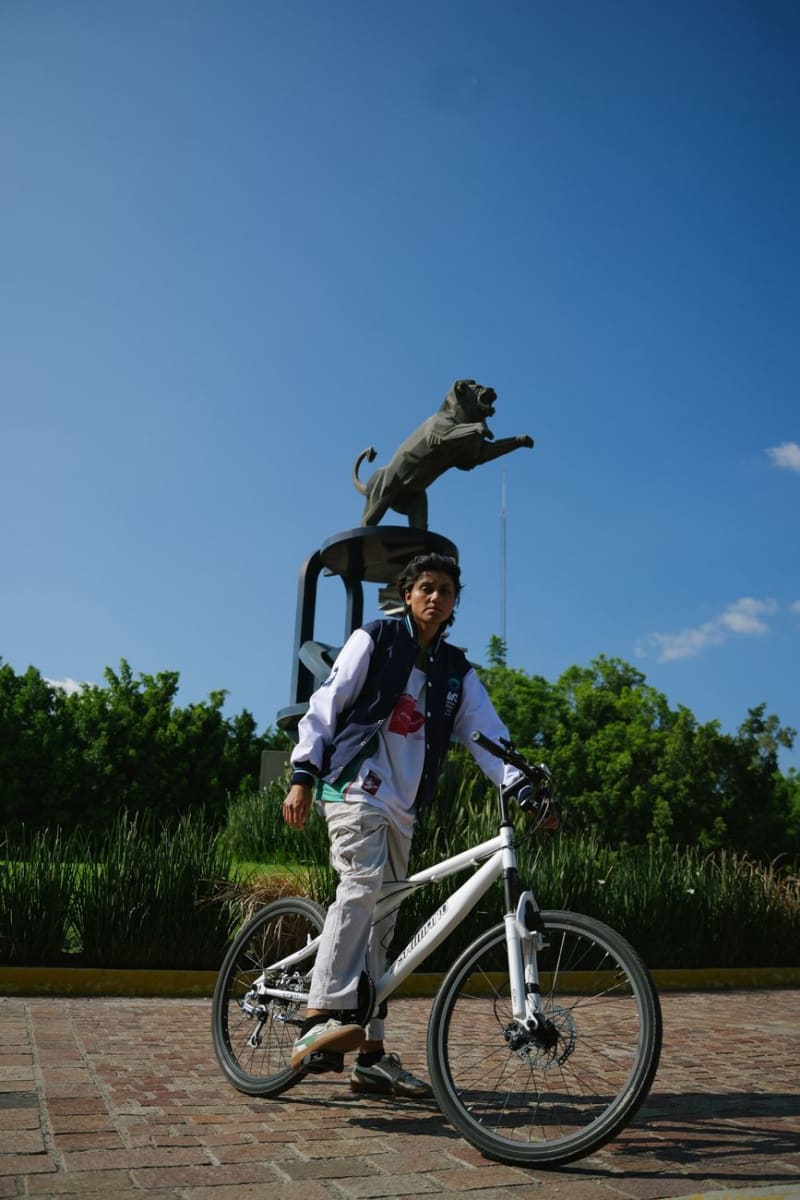 mexico
 León
León is Mexico's leather capital and one of its most honestly overlooked industrial cities, where an 18th-century centro holds genuine grandeur alongside workshops that will build you a pair of boots by sundown. It rewards the traveler who skips it on the way to Guanajuato city and stops here instead.
Explore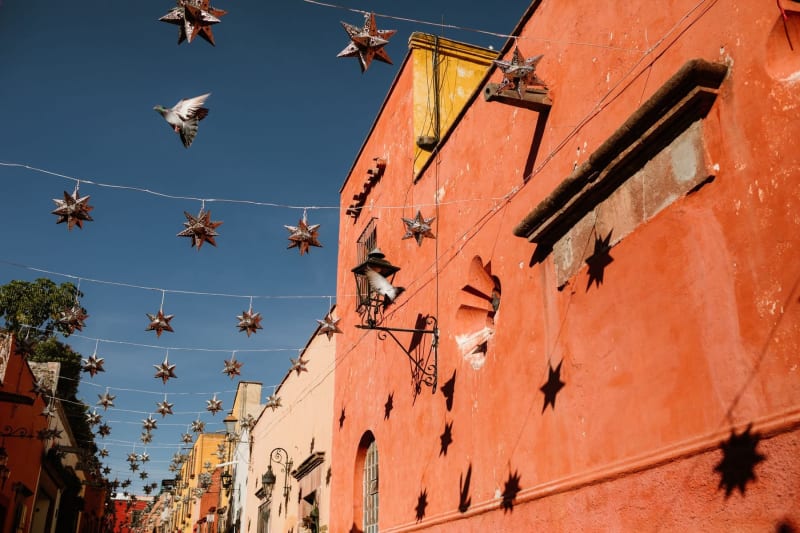 mexico
 San Miguel de Allende
A hilltop colonial gem where pink parroquia bells ring over cobblestones and artists have gathered for decades.
Explore